
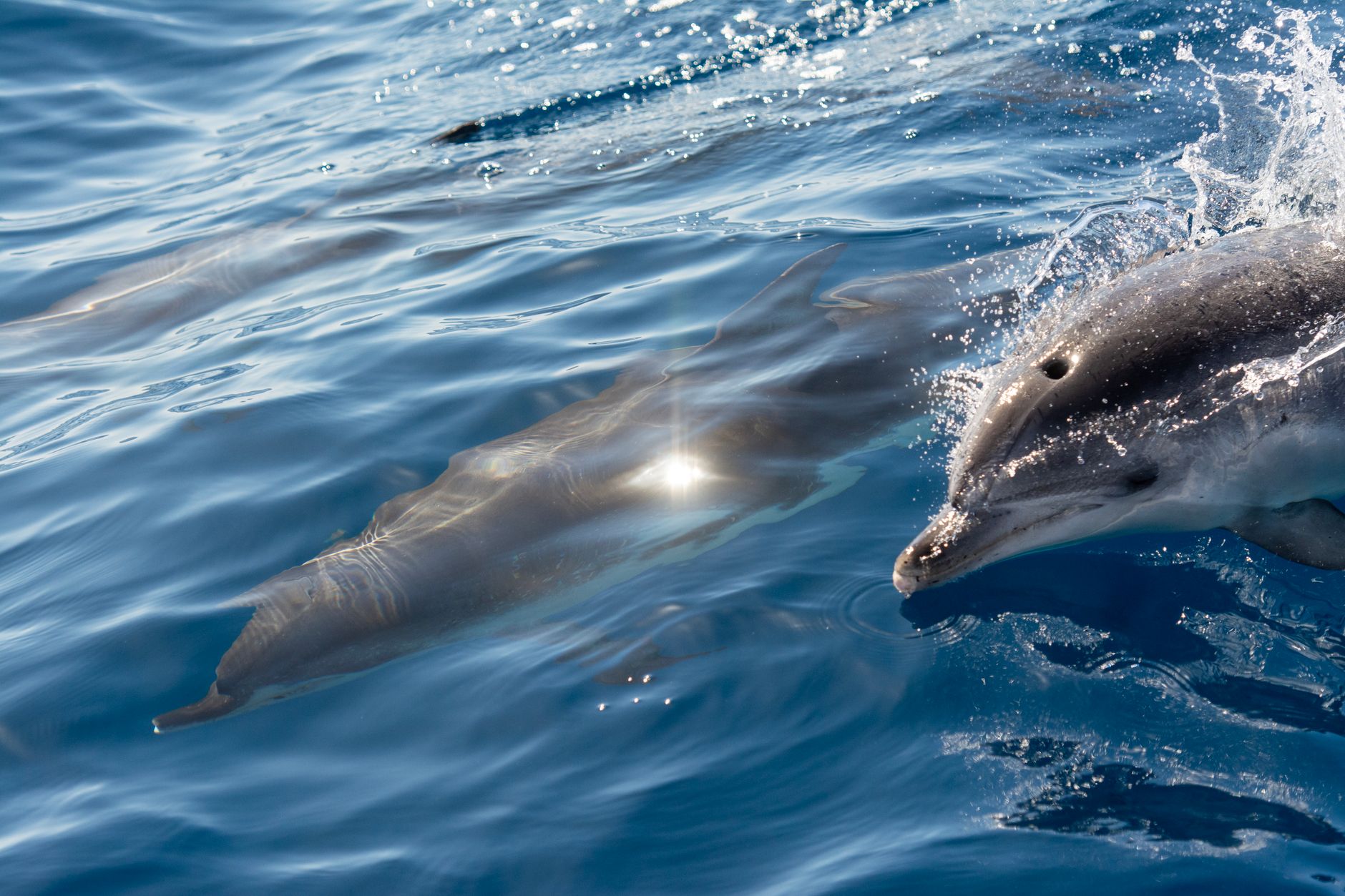
Does a Dolphin Drink Water? A Deep Dive into Marine Hydration
Does a dolphin drink water? The answer is nuanced. While dolphins don’t intentionally drink seawater, they obtain the hydration they need through their diet, absorbing italicized water from the fish and squid they consume and metabolically producing water during digestion.

Dolphin Hydration: A Marine Paradox
Dolphins, being marine mammals, face a unique challenge when it comes to hydration. Surrounded by water, they cannot simply quench their thirst like land-dwelling creatures. Does a dolphin drink water? No, not in the way we might imagine taking a sip from a glass. Instead, they have evolved intricate physiological adaptations to meet their water requirements without relying on freshwater sources. This adaptation is critical for their survival in a hypertonic marine environment where the surrounding water is significantly saltier than their internal fluids. This difference creates a constant osmotic pressure, which would dehydrate them if they attempted to drink seawater directly.

Can fish hear water?
How do I add oxygen to my goldfish water?
Do carbon filters remove water hardness?
What is the GREY African clawed frog?
Dietary Hydration: The Primary Water Source

The primary source of water for dolphins comes from their diet. They consume a variety of prey, including fish, squid, and crustaceans, which have high water content. This italicized prey-derived water is readily absorbed by the dolphin’s digestive system. The type of prey and its water content directly impacts the amount of water the dolphin receives. For example, squid generally have a higher water content than some fish species. Therefore, a diet rich in squid can contribute significantly to a dolphin’s hydration.
Metabolic Water: A Chemical Advantage
In addition to dietary water, dolphins also produce water metabolically. This means that water is generated as a byproduct of the chemical processes involved in breaking down food for energy. This process, called italicized oxidative metabolism, converts carbohydrates, fats, and proteins into energy, carbon dioxide, and water. While the amount of water produced metabolically is less than what they obtain from their diet, it is still a significant contributor to their overall water balance.
Kidney Function: Conserving Precious Fluids
Dolphins have remarkably efficient kidneys that are highly adapted for water conservation. Unlike humans, dolphins produce italicized highly concentrated urine, minimizing water loss. This efficient renal function is crucial for maintaining osmotic balance and preventing dehydration in their saline environment. Their kidneys are specifically designed to filter out excess salt and retain as much water as possible.
Avoiding Seawater: A Matter of Survival
The reason dolphins avoid drinking seawater is simple: seawater is too salty. If they were to ingest large quantities of seawater, their bodies would have to expend considerable energy to excrete the excess salt, potentially leading to dehydration and other health problems. This is because the process of italicized osmoregulation, the maintenance of a stable internal salt concentration, would become overly taxing.
Identifying a Thirsty Dolphin: Signs to Watch For
Although rare, dehydration can occur in dolphins, particularly in captive environments or when they are stranded. Signs of dehydration in dolphins include:
- Lethargy or reduced activity levels
- Sunken eyes
- Skin tenting (when the skin is pinched, it takes longer to return to its original position)
- Decreased appetite
- Changes in urine production (although difficult to observe in the wild)
These symptoms warrant immediate attention and, if observed in a wild dolphin, should be reported to local marine mammal rescue organizations.
Environmental Factors: Impact on Hydration
Environmental conditions also play a role in dolphin hydration. In warmer waters, dolphins may experience higher rates of water loss through respiration and evaporation, requiring them to consume more prey to maintain their water balance. italicized Climate change, leading to warmer ocean temperatures and changes in prey distribution, may further exacerbate these challenges, potentially impacting dolphin populations in the long term.
Captivity Considerations: Maintaining Optimal Hydration
In captive settings, dolphin care includes careful monitoring of water intake and dietary adjustments to ensure adequate hydration. Aquarium staff must provide a diet rich in water content and monitor urine output and overall health to detect any signs of dehydration. The quality of the water in their habitat is also carefully managed to maintain optimal salinity levels and minimize stress.
Dolphin Osmoregulation vs. Human Osmoregulation
The process by which dolphins and humans maintain fluid and electrolyte balance differs substantially. This table summarises the key differences:
| Feature | Dolphin | Human |
|---|---|---|
| Primary Water Source | Dietary water and metabolic water | Drinking water |
| Kidney Function | Highly efficient at concentrating urine | Less efficient at concentrating urine |
| Salt Intake | Relatively high due to diet | Varies depending on diet |
| Salt Excretion | Kidneys and salt glands | Kidneys and sweat glands |
| Habitat | Marine (hypertonic) | Terrestrial (variable) |
Water Content of Prey
| Prey Item | Water Content (approximate) |
|---|---|
| Squid | 80-85% |
| Herring | 65-70% |
| Mackerel | 60-65% |
| Krill | 75-80% |
Future Research: Unlocking Further Insights
Despite significant advancements in our understanding of dolphin hydration, further research is needed to fully elucidate the complexities of their osmoregulation. Studies focusing on the italicized impact of environmental stressors on their hydration status and the role of various prey species in their water balance are particularly crucial. This knowledge is vital for developing effective conservation strategies and ensuring the well-being of these magnificent marine mammals.
Frequently Asked Questions
How do dolphins get enough water if they don’t drink seawater?
Dolphins primarily obtain water through their diet. The fish and squid they eat have high water content, which is absorbed during digestion. They also produce water metabolically as a byproduct of breaking down food for energy. This combination of italicized dietary and metabolic water fulfills their hydration needs.
Do dolphins ever accidentally drink seawater?
While dolphins don’t intentionally drink seawater, they may ingest small amounts while capturing prey. However, their kidneys are highly efficient at filtering out excess salt, minimizing the impact of accidental seawater ingestion. Their bodies are built to handle italicized occasional exposure without significant dehydration.
Can a dolphin survive in freshwater?
Most dolphin species are adapted to live in saltwater environments and cannot survive in freshwater for extended periods. The italicized osmotic imbalance caused by freshwater would lead to severe health problems and ultimately death. However, there are a few species, such as the Irrawaddy dolphin, that can tolerate both freshwater and saltwater.
What happens if a dolphin becomes dehydrated?
Dehydration in dolphins can lead to various health problems, including reduced activity levels, kidney damage, and even death. If a dolphin is suspected of being dehydrated, it requires italicized immediate veterinary attention, including fluid replacement therapy.
How do dolphins regulate their salt intake?
Dolphins primarily regulate their salt intake through their kidneys, which are highly efficient at filtering out excess salt from their blood. They also have other physiological mechanisms that help maintain italicized salt balance within their bodies.
Do dolphins sweat to cool down like humans do?
No, dolphins do not have sweat glands like humans. Instead, they regulate their body temperature through other mechanisms, such as italicized adjusting their blood flow to the skin and utilizing countercurrent heat exchange systems in their flippers and fins.
How does the water content of a dolphin’s diet affect its hydration?
The water content of a dolphin’s diet directly impacts its hydration. A diet rich in prey with high water content, such as squid, will contribute more to its italicized overall water balance than a diet consisting mainly of fish with lower water content.
Are there any dolphin species that can tolerate brackish water?
Yes, certain dolphin species, such as the Irrawaddy dolphin, are adapted to live in brackish water environments, which are a mixture of saltwater and freshwater. These dolphins have italicized physiological adaptations that allow them to tolerate fluctuating salinity levels.
How are rescued or stranded dolphins rehydrated?
Rescued or stranded dolphins are typically rehydrated through intravenous (IV) fluids or oral electrolytes administered by trained veterinary staff. The italicized rehydration process is carefully monitored to ensure the dolphin receives the appropriate amount of fluids and electrolytes.
Do young dolphins get water from their mother’s milk?
Yes, young dolphins obtain water from their mother’s milk, which is rich in both nutrients and water. The italicized milk composition is specifically tailored to meet the hydration and nutritional needs of the developing calf.
How does climate change impact dolphin hydration?
Climate change can impact dolphin hydration by altering ocean temperatures and prey distribution. Warmer water can increase water loss through respiration, while changes in prey availability can affect their italicized dietary water intake.
Does a dolphin drink water more often than other marine mammals?
Does a dolphin drink water more often than other marine mammals? The answer is still no. The method of obtaining water is the same, focusing on dietary and metabolic sources. Different species may have slight variances in efficiency of kidney function but generally utilize the same primary strategy for italicized achieving hydration.