

Can You Keep Farm Animals on Residential Land in Georgia?: A Comprehensive Guide
Whether you can have farm animals on residential land in Georgia depends heavily on local zoning ordinances and Homeowner Association (HOA) rules, so always check your specific regulations before acquiring any animals.
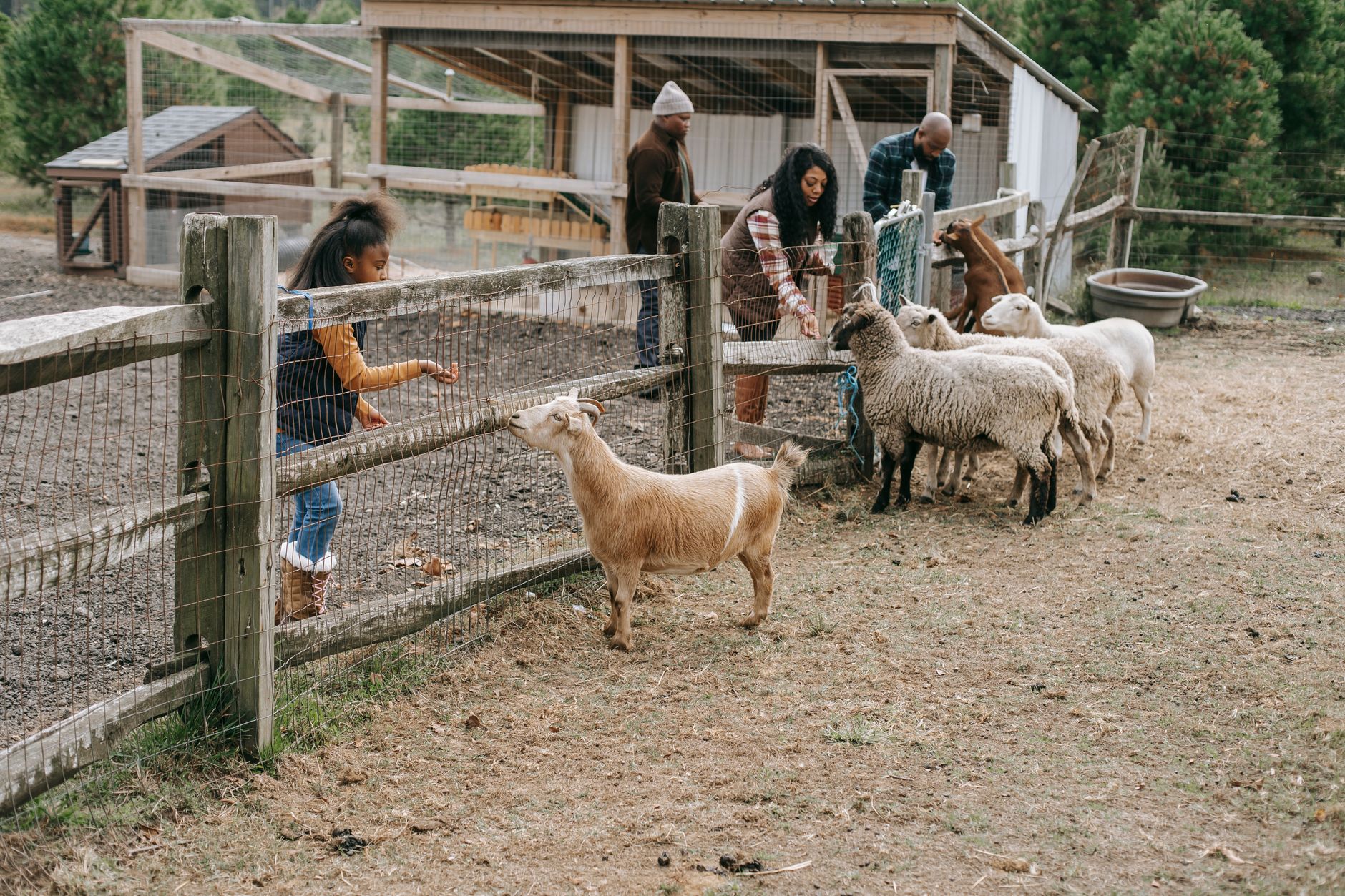
The question of raising farm animals on residential properties in Georgia is a complex one, deeply intertwined with local regulations and community standards. It’s not a simple yes or no answer, as the permissibility of keeping chickens, goats, pigs, or other livestock hinges on factors such as zoning laws, homeowner association covenants, and local ordinances. This article provides a comprehensive guide to navigating these complexities, ensuring that aspiring urban or suburban farmers can make informed decisions and comply with all applicable regulations.
Understanding Zoning Regulations in Georgia
Zoning regulations are the cornerstone of determining whether farm animals are allowed on residential land in Georgia. These regulations are established at the county or city level and dictate land use within specific areas.
- Residential Zoning: Typically restricts activities to dwelling places and related uses. Keeping farm animals may be prohibited or severely limited in these zones.
- Agricultural Zoning: Designed for farming and related activities, generally allowing farm animals. However, even in agricultural zones, restrictions on animal types, numbers, and sanitation may exist.
- Mixed-Use Zoning: May permit some agricultural activities within residential areas, but often with specific restrictions and requirements.
Therefore, the first step in determining “Can you have farm animals on residential land in Georgia?” is to identify the zoning designation of your property by checking with your local planning and zoning department.

Do all amphibians have eyelids?
Why do cuttlefish have W-shaped eyes?
Do all snakes have poison in them?
Can dwarf frogs live on land?
Homeowner Association (HOA) Restrictions

Even if local zoning allows for farm animals, your Homeowner Association (HOA) can impose stricter rules. HOA covenants are legally binding agreements that govern the use of properties within a specific community. These covenants may explicitly prohibit or restrict the keeping of certain animals.
- Review HOA Documents: Carefully examine your HOA’s bylaws, covenants, and restrictions.
- Contact the HOA Board: Discuss your plans with the HOA board to gain clarity and address any concerns.
- Compliance is Key: Even if local ordinances allow for certain animals, HOA rules take precedence.
Ignoring HOA regulations can result in fines, legal action, and ultimately, the forced removal of your animals.
Benefits of Raising Farm Animals in Residential Areas
Despite the potential regulatory hurdles, there are many compelling reasons to consider raising farm animals on residential land, where allowed:
- Fresh Food Source: Access to fresh eggs, milk, or meat.
- Natural Pest Control: Chickens can control insects and weeds.
- Fertilizer Production: Manure can be composted and used as fertilizer for gardens.
- Educational Opportunity: Teaches children about animal care and food production.
- Community Building: Can foster a sense of community and shared interest.
The Process of Obtaining Necessary Permits
If zoning and HOA regulations permit farm animals, you may still need to obtain permits from your local government. The requirements vary depending on the jurisdiction and the type of animals you intend to keep.
- Contact Local Authorities: Speak with your county or city’s animal control or planning department.
- Submit an Application: Complete the required application forms, providing details about your property and the animals you intend to keep.
- Inspection: Your property may be inspected to ensure compliance with sanitation and animal welfare standards.
- Fees: Be prepared to pay application fees.
Common Mistakes to Avoid
Many aspiring urban and suburban farmers make mistakes that can lead to legal trouble or community conflicts.
- Assuming Permissibility: Never assume that because your neighbor has chickens, you can too. Regulations can change, and your neighbor might be in violation.
- Ignoring HOA Rules: Failing to review and comply with HOA covenants can lead to costly legal battles.
- Neglecting Animal Welfare: Ensuring proper care, sanitation, and housing for your animals is essential for their well-being and for maintaining good relations with your neighbors.
- Not Addressing Neighbor Concerns: Communicate openly with your neighbors and address any concerns they may have about noise, odor, or other potential issues.
Best Practices for Responsible Animal Husbandry
Even when regulations allow for farm animals, responsible animal husbandry is crucial for their well-being and for maintaining positive relationships within your community.
- Adequate Housing: Provide secure, weather-protected housing for your animals.
- Proper Sanitation: Regularly clean and disinfect animal enclosures to prevent disease and odor problems.
- Veterinary Care: Ensure your animals receive regular veterinary care.
- Secure Fencing: Keep your animals contained to prevent them from wandering onto neighboring properties or causing damage.
- Waste Management: Properly manage animal waste to prevent environmental contamination and odor.
A Table Summarizing General Guidelines
| Factor | Consideration |
|---|---|
| Zoning | Check local zoning ordinances to determine permissible land uses. |
| HOA Rules | Review HOA covenants and restrictions regarding animal ownership. |
| Permits | Obtain any necessary permits from local government agencies. |
| Animal Welfare | Ensure animals receive adequate care, housing, and veterinary attention. |
| Community | Communicate with neighbors and address any concerns proactively. |
Can I keep chickens in my backyard in Georgia?
The answer to “Can you have farm animals on residential land in Georgia?” specifically regarding chickens, is it depends on local ordinances. Many cities and counties permit backyard chickens, but typically with restrictions on the number of hens, the presence of roosters, and the coop’s location. Always check your local regulations before acquiring chickens.
What is the difference between city and county regulations regarding farm animals?
City regulations tend to be stricter and more specific, particularly regarding animal types and quantities. County regulations might be more lenient in unincorporated areas, but still require compliance with sanitation and animal welfare standards. Always consult both city and county ordinances to ensure compliance.
Are there breed restrictions for farm animals in Georgia?
While less common, some municipalities might impose breed restrictions for certain farm animals, particularly potentially aggressive breeds of dogs or roosters that are known for being loud. Check with your local animal control or planning department.
What happens if I violate zoning or HOA rules regarding farm animals?
Violating zoning or HOA rules can result in fines, legal notices, and ultimately, the forced removal of your animals. It is crucial to comply with all applicable regulations to avoid legal trouble.
Can my neighbors sue me if they are bothered by my farm animals?
Yes, if your farm animals create a nuisance – such as excessive noise, odor, or property damage – your neighbors may have legal grounds to sue you. Maintaining good relations with your neighbors and addressing their concerns proactively is crucial.
What are the rules about selling products (eggs, milk, etc.) from my farm animals?
Selling products from your farm animals may be subject to state and local regulations regarding food safety and business licensing. Contact the Georgia Department of Agriculture and your local business licensing office for more information.
Do I need a certain amount of acreage to keep farm animals in Georgia?
While acreage requirements vary by jurisdiction, many residential areas impose limitations on the number of animals allowed per acre. Check your local zoning ordinance for specific acreage requirements.
What are the requirements for manure management in Georgia?
Proper manure management is essential to prevent environmental contamination and odor problems. Requirements may include composting regulations, setbacks from water sources, and restrictions on spreading manure on certain types of land. Contact your local environmental health department for guidance.
Are there any state laws in Georgia that regulate farm animals on residential land?
While Georgia does not have a statewide law specifically addressing farm animals on residential land, the Georgia Department of Agriculture provides guidelines for animal welfare and food safety, which may be relevant depending on your activities.
What is the process for changing zoning regulations to allow farm animals?
Changing zoning regulations typically involves submitting a formal request to your local planning and zoning department, attending public hearings, and potentially facing opposition from neighbors. The process can be lengthy and complex, and success is not guaranteed.
Are there any organizations that can provide assistance or advice on raising farm animals in residential areas?
Yes, local agricultural extension offices, 4-H clubs, and urban farming organizations can provide valuable resources and advice on raising farm animals responsibly. Contact your local extension office for more information.
If my property is grandfathered in, does that mean I can keep farm animals regardless of current zoning?
Being “grandfathered in” might allow you to continue certain activities that are no longer permitted under current zoning. However, grandfathering typically only applies if the activity was legal when it started and has continued without interruption. Check with your local planning department to confirm your rights and responsibilities.