

Where do Cobras Find Shelter? Unveiling the Secrets of Their Hidden Habitats
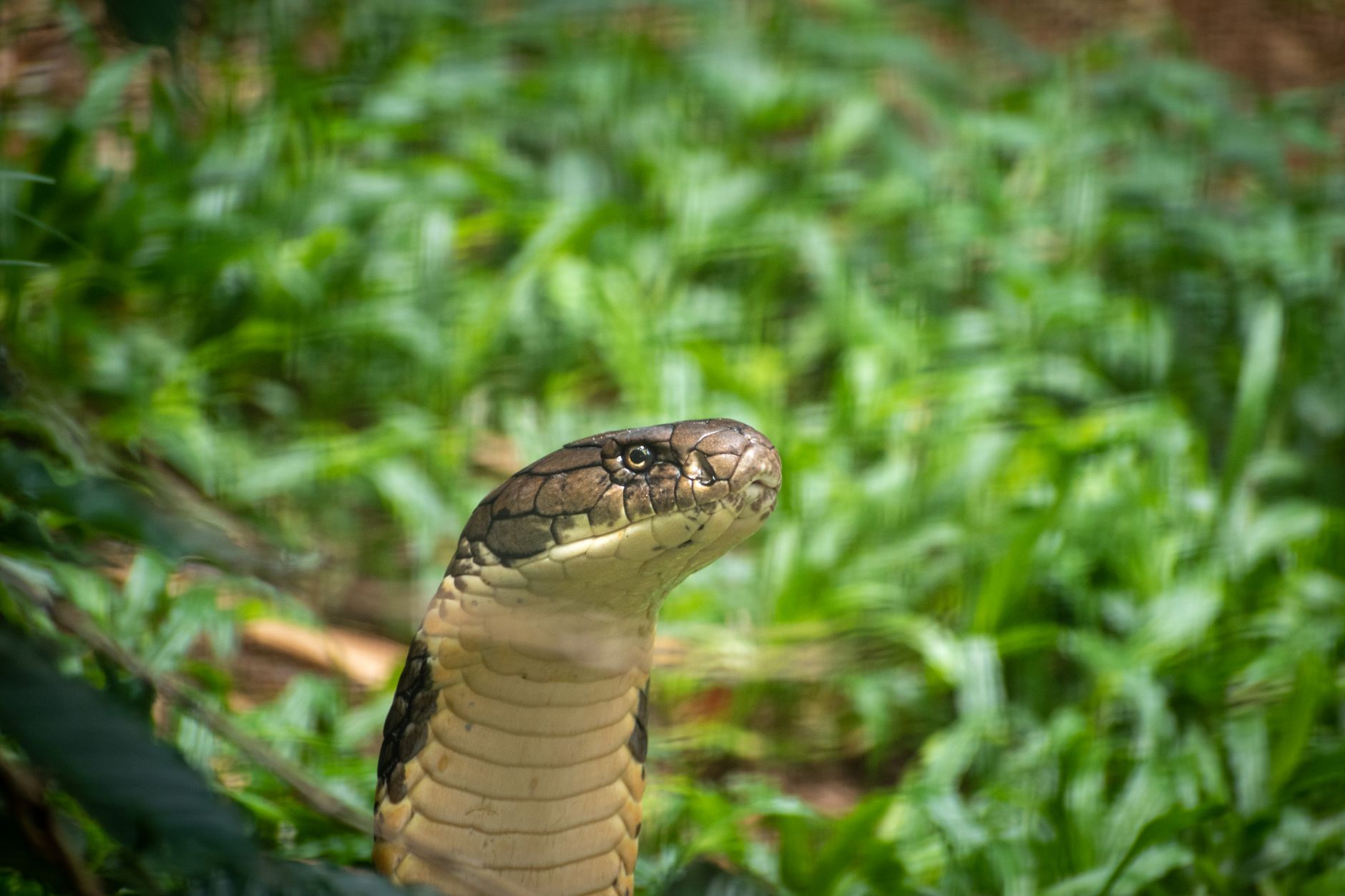
Cobras, those iconic and venomous snakes, are remarkably adaptable, finding shelter in a variety of locations; where cobras find shelter depends on their species and geographical location, but commonly includes underground burrows, rock crevices, and dense vegetation.

Cobras, renowned for their intimidating hoods and potent venom, are a fascinating and often misunderstood group of snakes. Understanding their habits, including where cobras find shelter, is crucial for both conservation efforts and promoting safe coexistence. This article delves into the diverse shelters these snakes utilize, exploring the factors that influence their choices and the ecological significance of these hidden havens.
Cobra Habitats: A Broad Overview
Cobras are found across a wide range of habitats, from the arid deserts of Africa to the lush rainforests of Asia. This adaptability means their sheltering needs and strategies vary considerably. King cobras, for example, may favor different shelters compared to the Indian cobra. The type of shelter available is often a limiting factor in cobra distribution.
What colours are fish most attracted to?
Can you put your finger in a trout's mouth?
Is methylene blue anti bacterial?
Does aquarium salt raise pH in aquarium?
The Underground World: Burrows and Tunnels

One of the most common sheltering strategies for cobras is utilizing underground spaces. These can be:
- Naturally occurring burrows: Abandoned rodent burrows, termite mounds, and rock crevices offer ready-made homes.
- Self-excavated tunnels: Some cobra species, particularly in sandy or loose soil environments, are capable of digging their own burrows.
- Root systems: The complex network of tree roots provides excellent hiding places and protection.
These underground shelters offer several advantages:
- Protection from predators
- Temperature regulation (crucial in extreme climates)
- Humidity control
- A safe place to molt and lay eggs
Rock Formations: Crevices and Caves
Rocky landscapes provide another essential resource for cobras seeking shelter. The cracks, crevices, and small caves found in these formations offer:
- Concealment: Allowing cobras to ambush prey or escape danger.
- Thermoregulation: Rocks can retain heat from the sun, providing warmth in cooler environments.
- Protection from the elements: Shielding cobras from harsh winds and heavy rain.
The specific type of rock formation utilized depends on the cobra species and the availability of suitable crevices. Larger cobras, like the king cobra, might require larger spaces.
The Embrace of Vegetation: Dense Foliage and Undergrowth
In forested and grassland environments, cobras often seek refuge in dense vegetation. This can include:
- Thick bushes and shrubs: Providing camouflage and protection.
- Tall grasses: Offering concealment in open areas.
- Piles of leaves and decaying vegetation: Creating humid microclimates.
The effectiveness of vegetation as shelter depends on the density and type of plants present. Cobras may also use vegetation to create nests for their eggs.
Anthropogenic Habitats: Adapting to Human Presence
Unfortunately, as human populations expand, cobras are increasingly found in close proximity to human settlements. This can lead them to seek shelter in:
- Abandoned buildings: Offering dark, secluded spaces.
- Piles of lumber and debris: Providing cover and potential prey (rodents).
- Agricultural fields: Hiding amongst crops and irrigation systems.
This close proximity can increase the risk of human-cobra conflict. Understanding where cobras find shelter in these anthropogenic habitats is crucial for implementing effective mitigation strategies.
Importance of Shelter for Cobra Survival
Shelter is not merely a luxury for cobras; it is essential for their survival. It protects them from predators, harsh weather, and provides a safe haven for breeding and resting. The availability and quality of shelter can significantly impact cobra populations.
| Function | Importance |
|---|---|
| Predator Avoidance | Critical for survival, especially for juveniles. Shelters provide escape routes and concealment. |
| Thermoregulation | Cobras are ectothermic (cold-blooded) and rely on external sources to regulate their body temperature. Shelters provide shade and warmth. |
| Breeding | Shelters offer a secure location for laying and incubating eggs. |
| Molting | Cobras are vulnerable during molting. Shelters provide protection during this process. |
Frequently Asked Questions (FAQs)
What types of predators do cobras seek shelter from?
Cobras, despite being apex predators themselves, are vulnerable to a variety of predators, especially when young or vulnerable during molting. Common predators include birds of prey (e.g., eagles, hawks), larger snakes (e.g., king snakes), mammals (e.g., mongooses, foxes, jackals), and even large lizards. Shelters provide critical protection from these threats.
Do cobras hibernate or estivate?
Cobras, being reptiles, are ectothermic and their activity is heavily influenced by temperature. While they don’t truly hibernate like mammals, they can enter a state of reduced activity and metabolism during colder periods, often seeking shelter in underground burrows to avoid freezing temperatures. This is similar to estivation during extremely hot and dry periods where they may retreat to cooler, more humid underground shelters to conserve energy and avoid desiccation.
Do all cobra species seek the same types of shelter?
No, the specific type of shelter favored by cobras varies depending on the species, geographical location, and the availability of resources. For example, king cobras may prefer larger, more elaborate burrows or rock formations compared to smaller cobra species that can utilize smaller crevices and vegetation. Understanding the specific needs of each species is vital for conservation efforts.
How do cobras find their way back to their shelters?
Cobras rely on a combination of sensory cues to navigate their environment and find their way back to their shelters. They use their sense of smell, detecting scent trails left behind, their vision, recognizing landmarks, and their vomeronasal organ (Jacobson’s organ) to detect chemical signals in the environment.
Are cobras territorial around their shelters?
While cobras are generally solitary animals, they can exhibit territorial behavior around their preferred shelters, especially during the breeding season. They may defend their territory against other cobras or potential competitors. However, this territoriality is often limited and not always aggressive.
Do cobras share shelters with other animals?
Occasionally, cobras may share shelters with other animals, particularly smaller rodents or insects. This is often a symbiotic relationship, where the cobra benefits from the presence of prey, and the other animal may benefit from the protection offered by the cobra’s presence. However, these are not always peaceful cohabitations.
How far away from their shelter will cobras travel to hunt?
The hunting range of a cobra varies depending on its size, species, and the availability of prey. They can travel several kilometers from their shelter in search of food, but they generally prefer to stay within a familiar territory.
What role do cobras play in the ecosystem when seeking shelter?
Cobras, by seeking shelter, contribute to the ecosystem in several ways. Their presence can influence the distribution of prey animals, as rodents and other small creatures may avoid areas where cobras are common. They can also help control rodent populations, which benefits agriculture and human health.
How can I avoid encountering cobras in their natural habitats?
When visiting areas known to be inhabited by cobras, it is essential to exercise caution and take preventative measures. These include wearing sturdy shoes and long pants, avoiding walking in tall grass or dense vegetation, making noise to alert snakes of your presence, and never attempting to handle or approach a cobra.
What should I do if I encounter a cobra near my home?
If you encounter a cobra near your home, do not attempt to handle or kill it. Maintain a safe distance and contact local wildlife authorities or a professional snake removal service to safely relocate the snake. It is also important to eliminate potential attractants, such as food scraps and standing water.
How does habitat destruction affect cobra populations and their ability to find shelter?
Habitat destruction is a major threat to cobra populations worldwide. As forests and grasslands are converted to agricultural land or urban areas, cobras lose their natural shelters and are forced to compete for limited resources. This can lead to population declines, increased human-wildlife conflict, and local extinctions.
What conservation efforts are in place to protect cobra habitats?
Various conservation efforts are underway to protect cobra habitats, including establishing protected areas, promoting sustainable land management practices, educating local communities about cobra conservation, and combating illegal wildlife trade. These efforts are crucial for ensuring the long-term survival of these iconic snakes and the ecosystems they inhabit. Where cobras find shelter is vital to their survival, and therefore the protection of those shelters is crucial.