
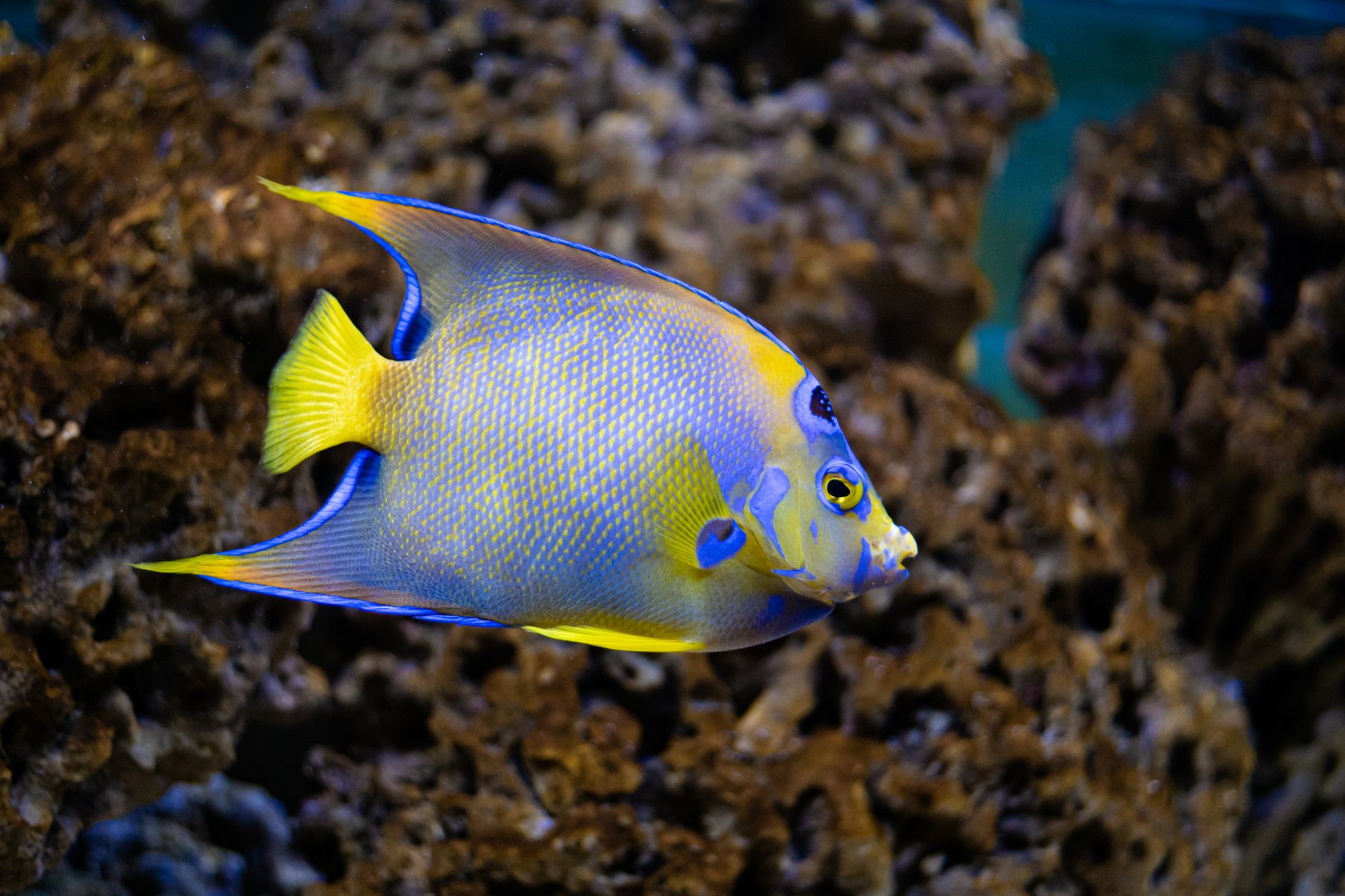
Can You Keep Two Angelfish Together? Exploring Angelfish Compatibility
Can you have 2 angelfish? It depends! Keeping two juvenile angelfish together in a sufficiently large tank can work, but maintaining a harmonious pair of adult angelfish is significantly more challenging and often results in conflict.

Angelfish: An Introduction to Their Temperament
Angelfish ( Pterophyllum scalare) are undeniably popular choices for home aquariums, admired for their graceful movements and striking appearance. While they can be housed with other fish, their semi-aggressive temperament, particularly as they mature, needs careful consideration. Before asking, “Can you have 2 angelfish?“, you need to understand their social dynamics. These fish are cichlids, and that lineage means they have the potential to be territorial and aggressive.

Do all amphibians have eyelids?
Why do cuttlefish have W-shaped eyes?
Do all snakes have poison in them?
What is the GREY African clawed frog?
The Juvenile Phase: A Window of Opportunity

When angelfish are young, they are generally more tolerant of each other. Keeping two juveniles together offers the best chance of establishing a peaceful co-existence. However, even during this period, it’s crucial to monitor their behavior.
- Ensure ample space to minimize competition.
- Provide plenty of hiding places to offer refuge.
- Observe for signs of bullying, such as fin nipping or chasing.
The Challenges of Angelfish Adulthood
The dynamics change significantly as angelfish reach maturity. Hormones surge, and their territorial instincts intensify. Keeping two adults together becomes a risky proposition.
- Pair Formation: Angelfish naturally form pairs for breeding. A single male and female pair will likely dominate the tank, potentially harassing any other angelfish present.
- Aggression: If two males or two females are housed together, they may engage in constant battles for dominance. This aggression can lead to stress, injuries, and even death.
- Tank Size: A large tank is essential to even attempt keeping two adults together. A minimum of 55 gallons is recommended for a single pair, and significantly larger tanks are needed if other fish are present.
Strategies for Success: Creating a Harmonious Environment
While the odds may be stacked against keeping two adult angelfish together, there are strategies that can improve the chances of success:
- Tank Size Matters: The larger the tank, the better. A larger space diffuses aggression and provides more opportunities for fish to establish their own territories.
- Overstocking (Carefully): In some cases, carefully overstocking the tank with other compatible fish can help to diffuse aggression among the angelfish. However, this strategy requires careful monitoring and maintenance.
- Provide Ample Hiding Places: Decorate the tank with plenty of plants, rocks, and driftwood to create hiding places. This allows subordinate fish to escape aggressive encounters.
- Consistent Feeding: Ensure that all fish receive adequate nutrition. Hunger can exacerbate aggression.
- Observe and Intervene: Regularly observe the angelfish for signs of bullying. If aggression becomes severe, it may be necessary to separate the fish.
When to Consider a Larger Group
Instead of just two, consider keeping a group of five or more angelfish together when they are young. This allows a natural hierarchy to establish, and aggression is often distributed more evenly. The downside is that it requires an even larger tank. A 75-gallon tank is usually considered the minimum for a group of five juveniles.
Angelfish Compatibility with Other Fish
Before introducing any angelfish it’s critical to understand their compatibility with other fish species. Peaceful community fish like tetras may become targets for aggression, while larger, more boisterous fish may intimidate or outcompete angelfish.
| Fish Species | Compatibility with Angelfish | Notes |
|---|---|---|
| Neon Tetras | Generally Not Compatible | Angelfish may prey on small tetras. |
| Cardinal Tetras | Generally Not Compatible | Angelfish may prey on small tetras. |
| Corydoras | Compatible | Bottom-dwelling scavengers that generally coexist peacefully. |
| Plecos | Compatible | Algae eaters that usually pose no threat to angelfish. |
| Gouramis | Can Be Compatible | Requires careful monitoring; some gouramis can be aggressive. |
| Barbs | Generally Not Compatible | Some barbs (e.g., Tiger Barbs) are notorious fin nippers and can stress angelfish. |
| Discus | Can Be Compatible | Requires a very experienced aquarist; both have similar water parameter needs but are prone to stress. |
Frequently Asked Questions About Keeping Two Angelfish
Will two male angelfish fight?
Yes, most likely. Two male angelfish will likely engage in territorial disputes, often resulting in fin nipping, chasing, and other forms of aggression. Unless the tank is extremely large with ample hiding places, it’s generally not recommended to keep two males together.
Will two female angelfish fight?
While less intense than male-on-male aggression, two female angelfish can still exhibit aggressive behavior, especially if they are competing for resources or territory. Sufficient space and hiding places are crucial to minimize conflict.
What is the minimum tank size for two angelfish?
While some sources suggest smaller tanks, a 55-gallon tank is generally considered the bare minimum for housing two angelfish. A larger tank, such as a 75-gallon or larger, is highly recommended to provide ample swimming space and reduce aggression.
Can I keep angelfish with other cichlids?
It depends on the specific cichlid species. Some cichlids, like rams, can coexist peacefully with angelfish, while others, like convicts, are far too aggressive. Thorough research is essential before introducing any cichlid to a tank with angelfish.
How can I tell if my angelfish are fighting?
Signs of aggression include fin nipping, chasing, mouth locking, and clamped fins. Stressed angelfish may also exhibit reduced appetite and lethargy.
What should I do if my angelfish are fighting?
First, assess the severity of the aggression. If it’s mild, try rearranging the tank decorations to disrupt established territories. If the aggression is severe, you may need to separate the fish into different tanks.
Can I add more angelfish to an existing pair?
This is generally not recommended. An established pair of angelfish will likely view new additions as threats and become even more aggressive.
How do I breed angelfish?
Breeding angelfish requires a dedicated breeding tank, typically around 20 gallons. Provide a smooth, vertical surface for the female to lay her eggs, such as a piece of slate or PVC pipe. Maintain stable water parameters and provide a high-quality diet.
What water parameters are best for angelfish?
Angelfish thrive in slightly acidic to neutral water with a pH of 6.0-7.0. The temperature should be maintained between 78-84°F (25.5-29°C). Water hardness should be moderate, between 5-15 dGH.
How often should I feed my angelfish?
Feed angelfish twice a day with a variety of high-quality foods, such as flake food, frozen food (e.g., bloodworms, brine shrimp), and live food (occasionally).
What plants are suitable for an angelfish tank?
Angelfish appreciate tanks with plenty of plants. Suitable options include Amazon swords, Java ferns, and Anubias. Avoid delicate plants that are easily damaged.
Do angelfish need a filter?
Yes! A good-quality filter is essential for maintaining a healthy environment for angelfish. Choose a filter that is rated for the size of your tank and provides both mechanical and biological filtration. Regular water changes (25-50% weekly) are also crucial.