
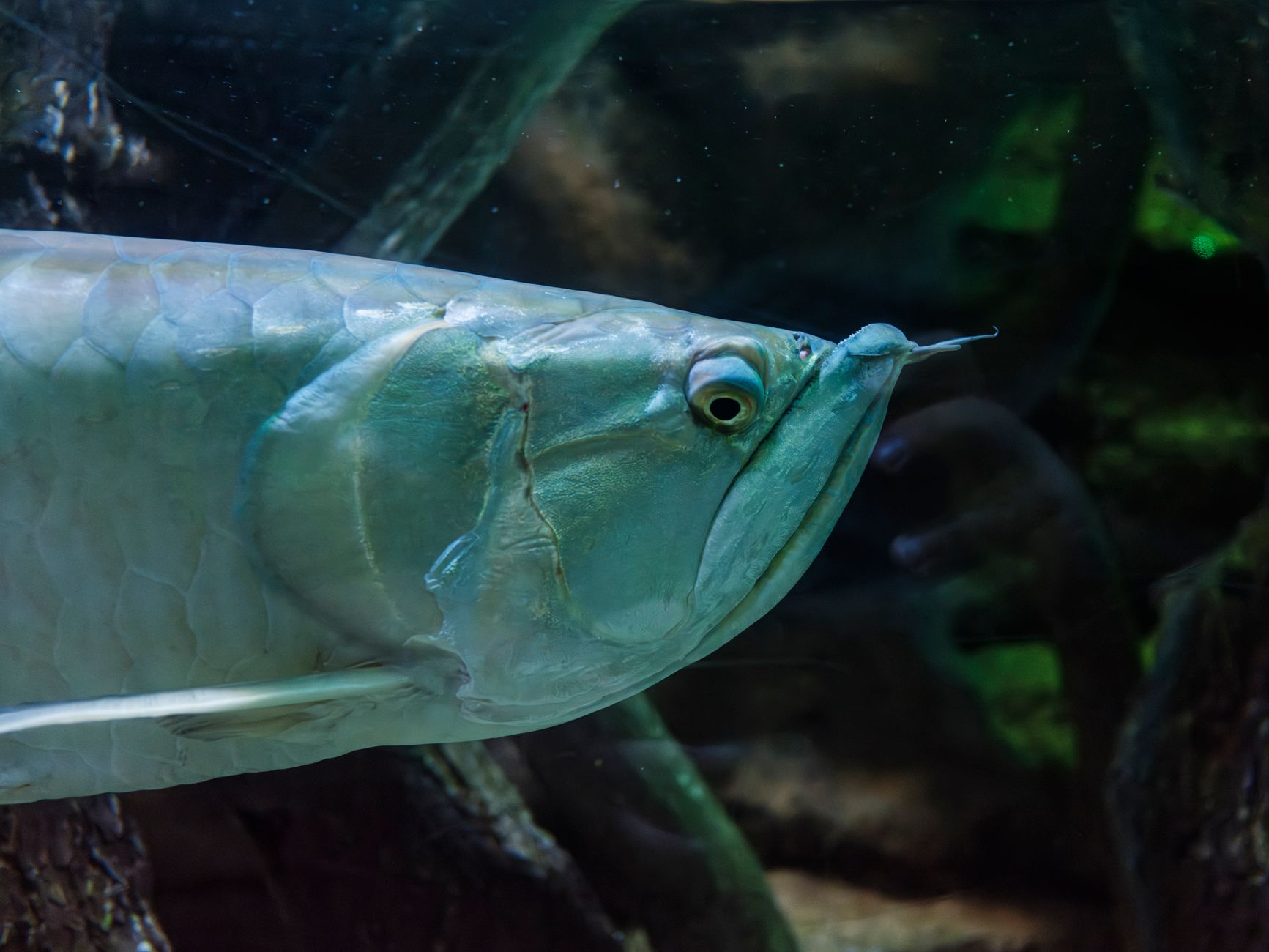
When Should You Feed Your Arowana?
The most optimal time to feed your arowana depends on its age and size, but generally, feed younger arowanas more frequently (2-3 times daily) in smaller portions, while adults typically thrive with daily or every other day feedings. Providing a consistent feeding schedule and a balanced diet is crucial for their health and vibrant color.

Understanding Arowana Feeding Needs
Arowanas are magnificent, predatory fish known for their size, beauty, and unique feeding habits. Understanding their dietary needs at different life stages is essential for their overall health and well-being. Arowanas, especially when young, require a protein-rich diet to support their rapid growth. As they mature, their metabolic rate slows down, and their feeding frequency can be adjusted accordingly. Ignoring these needs can lead to health problems like stunted growth, nutritional deficiencies, and even aggression towards tankmates. The key to successful arowana keeping lies in understanding when should I feed my arowana?, what to feed them, and how much.

What colours are fish most attracted to?
Can you put your finger in a trout's mouth?
Is methylene blue anti bacterial?
Does aquarium salt raise pH in aquarium?
The Arowana Feeding Schedule: Age and Size Matters

The feeding schedule for an arowana is highly dependent on its age and size. A young, rapidly growing arowana needs frequent meals, while an adult arowana can thrive on less frequent feedings.
-
Juvenile Arowanas (Under 6 inches): These youngsters require frequent feeding, typically 2-3 times per day. Their diet should consist of small, easily digestible foods such as bloodworms, daphnia, small crickets, and small pieces of shrimp.
-
Young Arowanas (6-12 inches): The feeding frequency can be reduced to 1-2 times per day. Their diet can be expanded to include larger food items like mealworms, earthworms, and larger shrimp.
-
Adult Arowanas (Over 12 inches): These fully grown arowanas can be fed once a day or even every other day. Their diet can consist of larger food items such as feeder fish, large shrimp, frogs, and specialized arowana pellets.
Consistency is key. Establishing a regular feeding schedule helps the arowana regulate its digestive system and anticipate meal times, reducing stress and potential aggression.
Optimal Feeding Times
While a specific time isn’t universally mandated, consistency is key. Many arowana keepers find success with feeding in the morning or early evening. Avoid feeding late at night, as the arowana’s metabolism slows down during darkness.
What to Feed Your Arowana: A Balanced Diet
Arowanas are carnivores, and their diet should primarily consist of protein. Providing a varied diet ensures they receive all the necessary nutrients for optimal health and vibrant color.
-
Live Foods: Crickets, grasshoppers, mealworms, earthworms, feeder fish (use with caution – see below), and superworms.
-
Frozen Foods: Bloodworms, shrimp, krill, and beef heart (in moderation).
-
Pelleted Foods: High-quality arowana pellets should form a staple part of the diet. Choose pellets specifically formulated for arowanas, containing essential vitamins and minerals.
Feeder Fish Caution: While feeder fish can be a good source of protein, they also carry the risk of introducing diseases and parasites. If you choose to feed feeder fish, ensure they are from a reputable source and are quarantined for several weeks before feeding them to your arowana.
Avoiding Common Arowana Feeding Mistakes
Several common mistakes can negatively impact an arowana’s health.
-
Overfeeding: This can lead to obesity, digestive problems, and poor water quality.
-
Underfeeding: This can result in stunted growth, malnutrition, and weakened immune system.
-
Feeding low-quality food: Cheap, low-quality food lacks essential nutrients and can negatively impact the arowana’s health and color.
-
Relying solely on one type of food: A varied diet is crucial for ensuring the arowana receives all the necessary nutrients.
-
Ignoring water quality: Arowanas are sensitive to poor water quality, which can affect their appetite and overall health.
Monitoring Your Arowana’s Health Through Feeding
Observing your arowana’s feeding habits can provide valuable insights into its overall health. A healthy arowana will have a good appetite, actively hunt for food, and maintain a healthy weight. Loss of appetite, lethargy, or a change in body shape can indicate an underlying health problem. If you notice any unusual behavior, consult with a veterinarian specializing in fish. The answer to when should I feed my arowana? also requires vigilance on your part to make sure they’re eating enough, but not too much.
Adapting Your Arowana’s Diet to Environmental Changes
Changes in water temperature or water parameters can affect an arowana’s appetite and metabolic rate. During periods of colder temperatures, you may need to reduce the feeding frequency, as their metabolism slows down. Conversely, during warmer temperatures, they may have a larger appetite. Always monitor the water parameters and adjust the diet accordingly.
Frequently Asked Questions about Arowana Feeding
How often should I feed my baby arowana?
Baby arowanas (under 6 inches) require frequent feeding, typically 2-3 times per day. Their diet should consist of small, easily digestible foods like bloodworms, daphnia, and small pieces of shrimp.
Is it better to feed my arowana live food or frozen food?
Both live and frozen foods can be beneficial for arowanas. Live foods provide enrichment and stimulate their hunting instincts, while frozen foods are a convenient and relatively safe option. The best approach is to offer a combination of both.
What are the best arowana pellets to buy?
Look for arowana pellets that are specifically formulated for arowanas and contain a high percentage of protein, as well as essential vitamins and minerals. Reputable brands often provide detailed ingredient lists and nutritional information.
Can I feed my arowana goldfish?
While goldfish are a common feeder fish, they are not recommended for arowanas due to their high fat content and potential to transmit diseases. Consider alternative feeder fish or other protein sources.
How do I know if I am overfeeding my arowana?
Signs of overfeeding include a swollen belly, lethargy, and poor water quality. If you notice these symptoms, reduce the amount of food you are feeding and monitor your arowana’s health.
My arowana isn’t eating. What should I do?
A loss of appetite can be caused by several factors, including poor water quality, stress, and illness. Check the water parameters, ensure the tank is properly maintained, and consult with a veterinarian specializing in fish if the problem persists.
Can I feed my arowana beef heart?
Beef heart can be offered in moderation as a treat, but it should not be the primary food source. It’s high in protein but also high in fat, so it should only be offered occasionally.
How big does my tank have to be to keep an arowana?
Arowanas grow very large and require a very large tank. A minimum tank size of 250 gallons is recommended for a single adult arowana. Larger tanks are even better.
How do I quarantine feeder fish before feeding them to my arowana?
Quarantine feeder fish in a separate tank for at least 2-4 weeks to observe them for signs of disease. Treat them with appropriate medications if necessary before introducing them to your arowana’s tank.
What water parameters are best for an arowana?
Arowanas thrive in warm, slightly acidic water with a pH of 6.5-7.0, a temperature of 82-88°F (28-31°C), and low levels of ammonia, nitrite, and nitrate. Regular water changes are crucial for maintaining these parameters.
Can I feed my arowana insects from my backyard?
It’s generally not recommended to feed your arowana insects from your backyard, as they may be contaminated with pesticides or parasites.
Does the time of year affect my arowana’s feeding habits?
Yes, changes in temperature and light levels can affect your arowana’s appetite. During colder months, their metabolism may slow down, requiring less frequent feedings.