

What Disease is Spread by Monkey Bite?
A monkey bite can transmit several diseases, but the most significant concern is B virus, a rare but potentially fatal herpesvirus. While rabies is also a concern, B virus poses a greater risk in certain regions and can lead to severe neurological damage if left untreated.
Understanding the Risks of Monkey Bites
Monkey bites, though seemingly minor, can carry a range of health risks. Monkeys harbor various pathogens, and their saliva can introduce these into the bloodstream through a bite or scratch. The severity of the risk depends on several factors, including the species of monkey, its geographical location, and the depth of the wound. Understanding these risks is critical for anyone interacting with these animals. What disease is spread by monkey bite? Identifying the specific pathogen and administering appropriate treatment is vital to preventing serious complications.
The Primary Concern: B Virus (Herpes B Virus, Cercopithecine Herpesvirus 1)
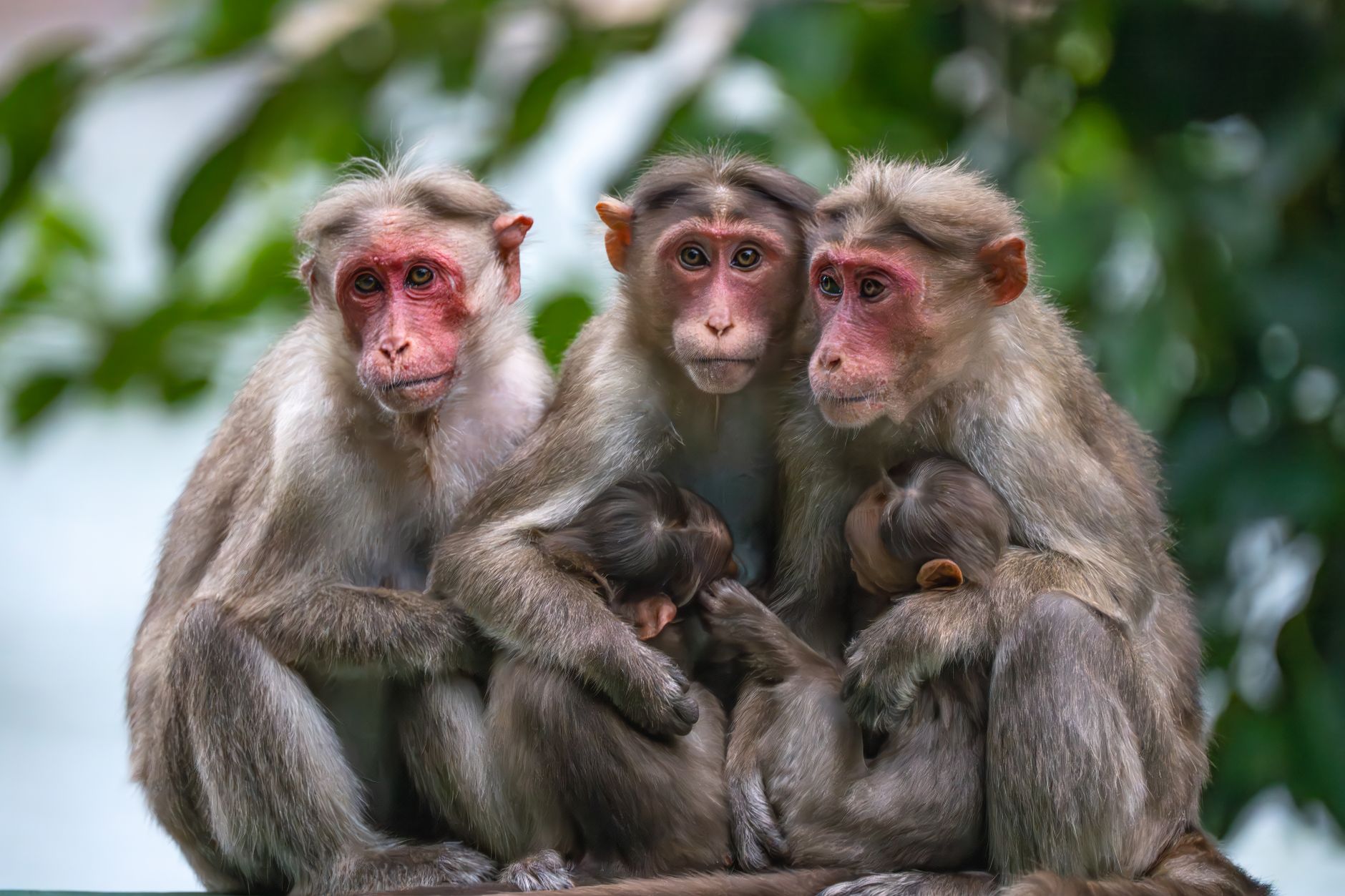
The most serious disease transmitted by monkey bites is B virus (Cercopithecine herpesvirus 1, or CHV-1). This alphaherpesvirus is endemic in macaque monkeys (rhesus macaques, cynomolgus macaques, pig-tailed macaques) and is generally asymptomatic in these animals. However, when transmitted to humans, it can cause severe neurological disease, often leading to death or permanent disability.
Key facts about B virus:
- Host: Macaque monkeys
- Transmission: Bite, scratch, exposure of mucous membranes or broken skin to monkey saliva, brain or spinal cord tissue, or cell cultures.
- Symptoms in monkeys: Usually asymptomatic. May include oral lesions.
- Symptoms in humans: Initial flu-like symptoms (fever, muscle aches, fatigue), followed by small blisters or ulcers at the site of the bite/scratch. Neurological symptoms (encephalitis, ascending paralysis) can develop rapidly if untreated.
- Treatment: Antiviral medications (valacyclovir, ganciclovir) are effective if administered promptly.
- Mortality Rate (untreated): Up to 70%
Secondary Risks: Other Diseases Transmitted by Monkey Bites
While B virus is the primary concern, other diseases can also be transmitted by monkey bites, although these are generally less severe or less common:
- Rabies: A viral disease that affects the central nervous system. Vaccination is highly effective if administered soon after exposure.
- Simian Immunodeficiency Virus (SIV): The monkey equivalent of HIV. Transmission to humans is rare, but documented.
- Monkeypox: A viral disease similar to smallpox, though generally milder. While monkeypox is not specifically transmitted through bites, close contact can result in transmission.
- Bacterial Infections: Monkey bites can introduce various bacteria into the wound, leading to localized infections. Common bacteria include Streptococcus, Staphylococcus, and E. coli.
- Tuberculosis: While primarily spread through respiratory droplets, transmission from monkeys to humans through bites is possible, though rare.
Prevention is Key: Avoiding Monkey Bites
The best way to protect yourself from monkey-borne diseases is to avoid contact with monkeys. This includes:
- Not feeding monkeys: Feeding encourages them to approach humans and can lead to aggressive behavior.
- Maintaining a safe distance: Observe monkeys from afar. Do not attempt to touch or interact with them.
- Securing food: Monkeys are opportunistic feeders. Store food properly to prevent them from being attracted to your location.
- Supervising children: Children are more likely to approach monkeys and may not understand the risks.
Immediate Action After a Monkey Bite
If you are bitten or scratched by a monkey, it is essential to take the following steps immediately:
- Wash the wound thoroughly: Use soap and water to clean the wound for at least 15 minutes.
- Apply an antiseptic: Use an antiseptic solution such as povidone-iodine or chlorhexidine.
- Seek medical attention immediately: Explain to your doctor that you were bitten by a monkey and provide as much information as possible about the species of monkey (if known), the location of the bite, and any circumstances surrounding the incident.
- Report the incident: Contact local health authorities to report the bite.
Treatment Protocols and Post-Exposure Prophylaxis
Treatment protocols following a monkey bite depend on the risk assessment. Your doctor will consider factors such as the species of monkey, the location of the bite, and your vaccination history.
- B Virus Prophylaxis: If there is a risk of B virus exposure, antiviral medication (valacyclovir or ganciclovir) will be initiated immediately.
- Rabies Post-Exposure Prophylaxis (PEP): PEP consists of a series of rabies vaccinations and, in some cases, rabies immunoglobulin.
- Tetanus Booster: A tetanus booster may be recommended if your vaccination is not up to date.
- Antibiotics: Antibiotics may be prescribed to prevent bacterial infections.
The Importance of Public Awareness
Raising public awareness about the risks associated with monkey bites is crucial for preventing infections. Many people are unaware that seemingly harmless interactions with monkeys can have serious consequences. Educating the public about the dangers of feeding monkeys and the importance of seeking immediate medical attention after a bite can help reduce the incidence of monkey-borne diseases.
Geographic Considerations
The risk of contracting certain diseases from monkey bites varies depending on the geographical location. B virus is primarily associated with macaque monkeys found in Asia. Rabies is more prevalent in some regions than others. Understanding the local risks is essential for travelers and residents in areas with monkey populations. Knowing what disease is spread by monkey bite? in your region is critical for prompt and effective treatment.
| Disease | Geographic Distribution |
|---|---|
| B Virus | Primarily Asia (macaque monkeys) |
| Rabies | Worldwide, but varies by region |
| Monkeypox | Central and West Africa (primarily rodents but can spread to monkeys) |
Research and Future Directions
Ongoing research is essential for improving our understanding of monkey-borne diseases and developing more effective prevention and treatment strategies. This includes research into:
- Vaccines: Developing vaccines for B virus and other monkey-borne diseases.
- Diagnostics: Developing more rapid and accurate diagnostic tests.
- Treatment: Identifying new antiviral medications and therapies.
- Surveillance: Monitoring monkey populations for disease prevalence.

Frequently Asked Questions (FAQs)
What are the initial symptoms of B virus infection?
The initial symptoms of B virus infection often resemble the flu, including fever, chills, muscle aches, and fatigue. Small blisters or ulcers may also develop at the site of the bite or scratch. It’s crucial to seek immediate medical attention if you experience these symptoms after a monkey bite.
How is B virus diagnosed?
B virus is diagnosed through laboratory testing of samples such as cerebrospinal fluid, blood, or tissue samples. The tests look for the presence of the virus or antibodies against the virus.
Can B virus be transmitted from human to human?
Human-to-human transmission of B virus is extremely rare, but it has been documented in a few cases. This underscores the importance of strict infection control measures when caring for patients with B virus infection.
Is there a vaccine for B virus?
Currently, there is no licensed vaccine for B virus. Research is ongoing to develop a vaccine, but the focus remains on prevention through avoiding monkey contact and prompt treatment with antiviral medications after exposure.
How effective are antiviral medications in treating B virus?
Antiviral medications, such as valacyclovir and ganciclovir, are effective in treating B virus infection, especially when administered promptly after exposure. Early treatment can significantly reduce the risk of severe neurological complications and death.
What is the mortality rate of untreated B virus infection?
The mortality rate of untreated B virus infection is high, ranging up to 70%. This highlights the critical importance of early diagnosis and treatment.
What should I do if I am scratched by a monkey but not bitten?
Even if you are only scratched by a monkey, it is essential to wash the wound thoroughly with soap and water and seek medical attention. While the risk of B virus transmission is lower with a scratch than a bite, it is still possible for the virus to enter the body through broken skin.
Are all monkeys carriers of B virus?
No, B virus is primarily associated with macaque monkeys, such as rhesus macaques, cynomolgus macaques, and pig-tailed macaques. Other species of monkeys are less likely to carry the virus.
What is the incubation period for B virus?
The incubation period for B virus can vary, but it is typically between 2 days and 1 month. Symptoms can sometimes appear sooner or later, depending on the severity of the exposure.
Is rabies a significant risk from monkey bites?
While rabies can be transmitted by monkey bites, it is generally less of a concern than B virus, particularly in regions where B virus is prevalent. However, rabies post-exposure prophylaxis should still be considered, especially if the monkey is exhibiting signs of illness.
What long-term health problems can result from a B virus infection?
Even with treatment, B virus infection can lead to long-term neurological problems, such as paralysis, cognitive impairment, and seizures. The severity of these complications depends on the extent of the brain damage caused by the virus. This reinforces the importance of understanding what disease is spread by monkey bite?
What is the best way to prevent monkey bites?
The best way to prevent monkey bites is to avoid contact with monkeys altogether. Do not feed them, maintain a safe distance, and secure food to prevent them from being attracted to your location. Teaching children about the dangers of interacting with monkeys is also crucial.