

When Did Lions Disappear From Europe?
European lions, distinct from their African and Asian cousins, vanished from the continent in stages. The final population likely disappeared around 100 AD, though isolated pockets may have persisted longer in southeastern Europe.

Introduction: Lions in Ancient Europe – A Lost Legacy
The roar of the lion is typically associated with the savannas of Africa and the Gir Forest of India. However, for millennia, a now-extinct subspecies of lion, the European lion (Panthera leo europaea), roamed the European landscape. Understanding when did lions disappear from Europe? requires delving into the ancient world, examining archaeological evidence, and interpreting historical accounts. Their presence shaped human culture, mythology, and even the political landscape of the time. Exploring this lost ecological connection provides valuable insights into human impact on biodiversity and the challenges of conservation.

What colours are fish most attracted to?
Can you put your finger in a trout's mouth?
Is methylene blue anti bacterial?
Does aquarium salt raise pH in aquarium?
Historical Distribution and Habitat
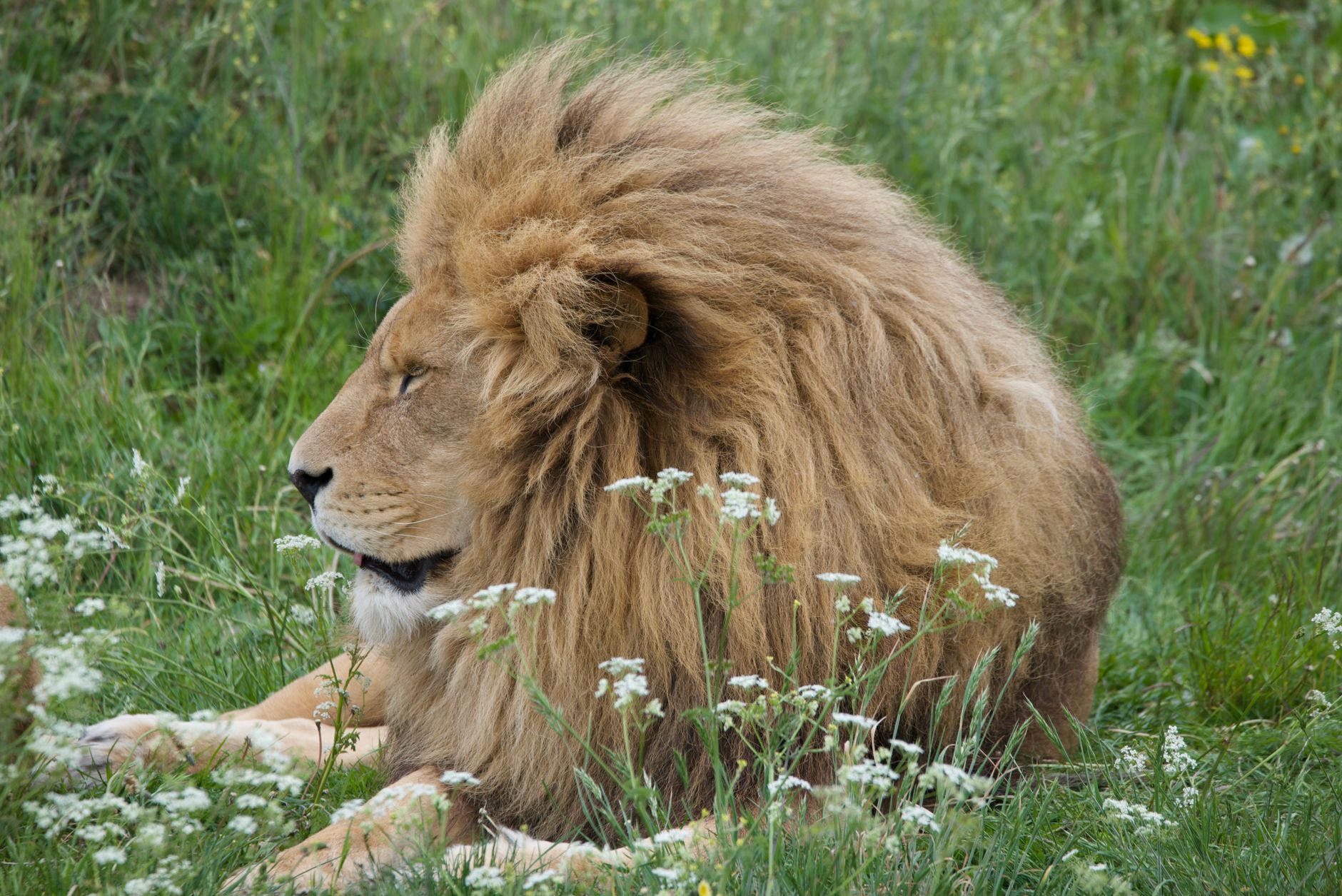
European lions weren’t identical to their modern African counterparts. They were generally considered to be a distinct subspecies, with subtle differences in size and possibly coat characteristics. Their distribution encompassed a significant portion of the European continent.
- Geographic Range: From the Iberian Peninsula (Spain and Portugal) eastward through southern France, Italy, the Balkans, Greece, and into parts of Eastern Europe. Evidence also suggests presence in areas near modern-day Turkey.
- Habitat: European lions adapted to a variety of environments, including Mediterranean woodlands, grasslands, and even mountainous regions. They likely preyed on large herbivores such as wild cattle (aurochs), deer, and horses.
Evidence of Lion Presence
Our understanding of European lions relies on a combination of historical texts, archaeological finds, and artistic representations.
- Ancient Texts: Roman writers like Aristotle, Pliny the Elder, and Claudius Aelianus described lions in Europe, noting their presence in regions such as Macedonia and Thrace. These accounts provide valuable contemporary insights.
- Archaeological Remains: Fossil evidence, including bones and teeth, has been discovered at various sites across Europe, confirming the presence of lions during prehistoric and historical periods. Cave paintings also provide visual evidence.
- Artistic Depictions: Lions frequently appeared in ancient Greek and Roman art, including sculptures, mosaics, and pottery. These depictions, while potentially stylized, offer further evidence of the lion’s presence and cultural significance.
Factors Contributing to Extinction
The decline and eventual disappearance of European lions were likely driven by several factors, many linked to human activity. Establishing when did lions disappear from Europe? necessitates consideration of these contributing pressures.
- Hunting: Lions were hunted for their fur, as trophies, and to protect livestock. Organized hunts by Roman emperors for gladiatorial games likely contributed to population decline in certain areas.
- Habitat Loss: Deforestation and agricultural expansion reduced the natural habitat available to lions, limiting their prey base and forcing them into closer proximity to humans.
- Climate Change: While less of a direct driver than human activities, climate fluctuations could have exacerbated the pressures on lion populations. Shifting environmental conditions may have impacted prey availability and habitat suitability.
- Competition with Humans: As human populations grew and settlements expanded, competition for resources, including prey animals and space, likely increased, putting lions at a disadvantage.
A Timeline of Decline and Disappearance
Pinpointing the exact moment when did lions disappear from Europe? is challenging, but evidence suggests a gradual decline culminating in their extinction in most regions by the early centuries AD.
| Period | Region | Evidence |
|---|---|---|
| Prehistoric Period | Widespread across Europe | Fossil remains, cave paintings |
| Classical Era | Greece, Balkans, Italy, Southern France | Historical accounts, artistic depictions |
| 100 AD | Most of Europe | Likely near extinction in most areas. Possible isolated pockets persisted in Southeastern Europe |
| Post 100 AD | Southeastern Europe | Very sparse evidence, uncertain whether populations were sustainable or merely remnant individuals. |
Frequently Asked Questions (FAQs)
Were European lions the same as African lions?
No, European lions are considered a distinct subspecies (Panthera leo europaea) of lion, although they were closely related to modern African and Asian lions. They likely differed slightly in size, appearance, and behavior, adapted to the European environment. Genetic studies, if more samples were available, could potentially further clarify their exact relationship to other lion subspecies.
Did lions ever live in Britain?
There is no conclusive evidence of lions ever establishing a permanent population in Britain. Fossil finds are scarce and often debated, suggesting any presence was likely limited to isolated individuals or populations near the continent connected during periods of lower sea levels.
How big were European lions compared to African lions?
European lions were comparable in size to their African counterparts, though some suggest they may have been slightly smaller. Size variations within both subspecies would have existed based on factors like diet and environment. Definitive comparisons are difficult due to limited skeletal remains.
What did European lions eat?
European lions primarily preyed on large ungulates such as wild cattle (aurochs), deer, horses, and other herbivores that were common in Europe during their time. Their diet would have varied depending on the region and available prey.
Why did the Romans hunt lions?
Romans hunted lions for a variety of reasons. Lions were captured for use in gladiatorial games and spectacles in the Colosseum and other arenas. They were also hunted for their fur and to protect livestock. Lion hunts were often seen as a demonstration of power and skill.
Are there any efforts to reintroduce lions to Europe?
There are no current, large-scale efforts to reintroduce lions to Europe. The feasibility and ethical considerations of such a project are complex, considering the altered landscape and potential conflicts with humans and other wildlife. However, the idea has been discussed by some conservationists.
Is it possible that some European lions survived until later than we think?
It’s possible, though unlikely, that small, isolated pockets of European lions persisted for longer than historical records indicate, particularly in remote areas of southeastern Europe. However, there is no definitive evidence to support this. Any remnant population would have likely been unsustainable due to habitat loss and hunting pressures.
What role did lions play in ancient European mythology?
Lions were powerful symbols in ancient European cultures. They often represented strength, courage, and royalty. Lions appeared in mythology, art, and heraldry, reflecting their cultural significance and the respect (and fear) they inspired.
What can we learn from the extinction of European lions?
The extinction of European lions serves as a cautionary tale about the impact of human activities on biodiversity. It highlights the importance of habitat conservation, responsible hunting practices, and understanding the interconnectedness of ecosystems. It also underscores the need for proactive conservation efforts to prevent future extinctions.
Was the European lion truly a separate species?
While generally considered a subspecies, the exact taxonomic classification of the European lion remains somewhat debated due to limited genetic evidence. Further research, if possible with available samples, could shed more light on their relationship to other lion populations.
How certain are we about the timeline of their disappearance?
While we can pinpoint the general timeframe, the exact timeline remains somewhat uncertain. Historical accounts become less frequent after the early centuries AD, and archaeological evidence becomes scarcer. This makes it difficult to determine the precise moment of extinction in different regions.
Where were the best places to see lions in Europe during Roman times?
The best places to see lions in Europe during Roman times were likely in the Balkans, Greece, and parts of Italy. These were regions where lions were known to persist for longer, although they would have been increasingly rare. Seeing them in the wild would have been a rare and potentially dangerous occurrence.