

How Sensitive is a Rabbit’s Hearing? A Deep Dive
Rabbits possess exceptionally sensitive hearing, far surpassing that of humans; their large ears act as sophisticated antennae, allowing them to detect faint sounds and pinpoint their source with remarkable accuracy. This superior auditory ability is crucial for survival, enabling them to detect predators and navigate their environment effectively, making How sensitive is a rabbit’s hearing? a matter of vital importance to their well-being.

Understanding Rabbit Auditory Anatomy and Function
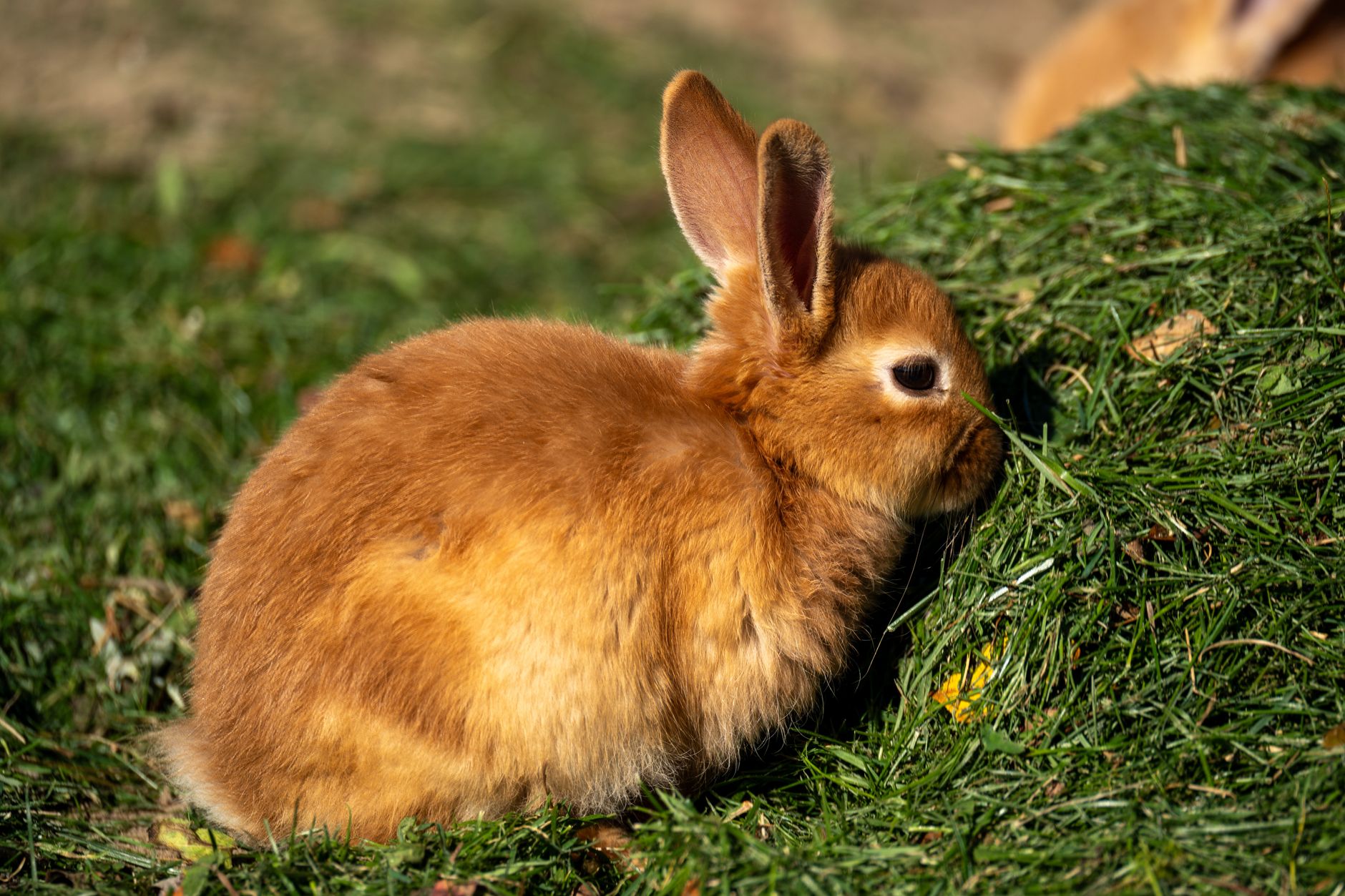
The superior hearing of rabbits stems from a combination of anatomical features and neurological processing. Their large, mobile ears, known as pinnae, are not just decorative; they are sophisticated sound-gathering devices.
- Pinnae: These act as parabolic reflectors, collecting sound waves and channeling them into the ear canal. The ability to independently rotate each ear, up to 180 degrees, allows rabbits to precisely locate the source of a sound, even in a complex auditory environment.
- Ear Canal: The ear canal leads to the tympanic membrane, or eardrum, which vibrates in response to sound waves.
- Middle Ear: This chamber contains three tiny bones (malleus, incus, and stapes) that amplify the vibrations from the eardrum and transmit them to the inner ear.
- Inner Ear: The inner ear houses the cochlea, a spiral-shaped structure filled with fluid and lined with thousands of tiny hair cells. These hair cells are the sensory receptors for hearing. When vibrations reach the cochlea, they cause the fluid to move, bending the hair cells and triggering nerve impulses that are sent to the brain.
How sensitive is a rabbit’s hearing? Ultimately depends on the health and function of each of these components. Damage to any part of the auditory system can lead to hearing loss or impairment.
What colours are fish most attracted to?
Can you put your finger in a trout's mouth?
Is methylene blue anti bacterial?
Does aquarium salt raise pH in aquarium?
The Frequency Range of Rabbit Hearing
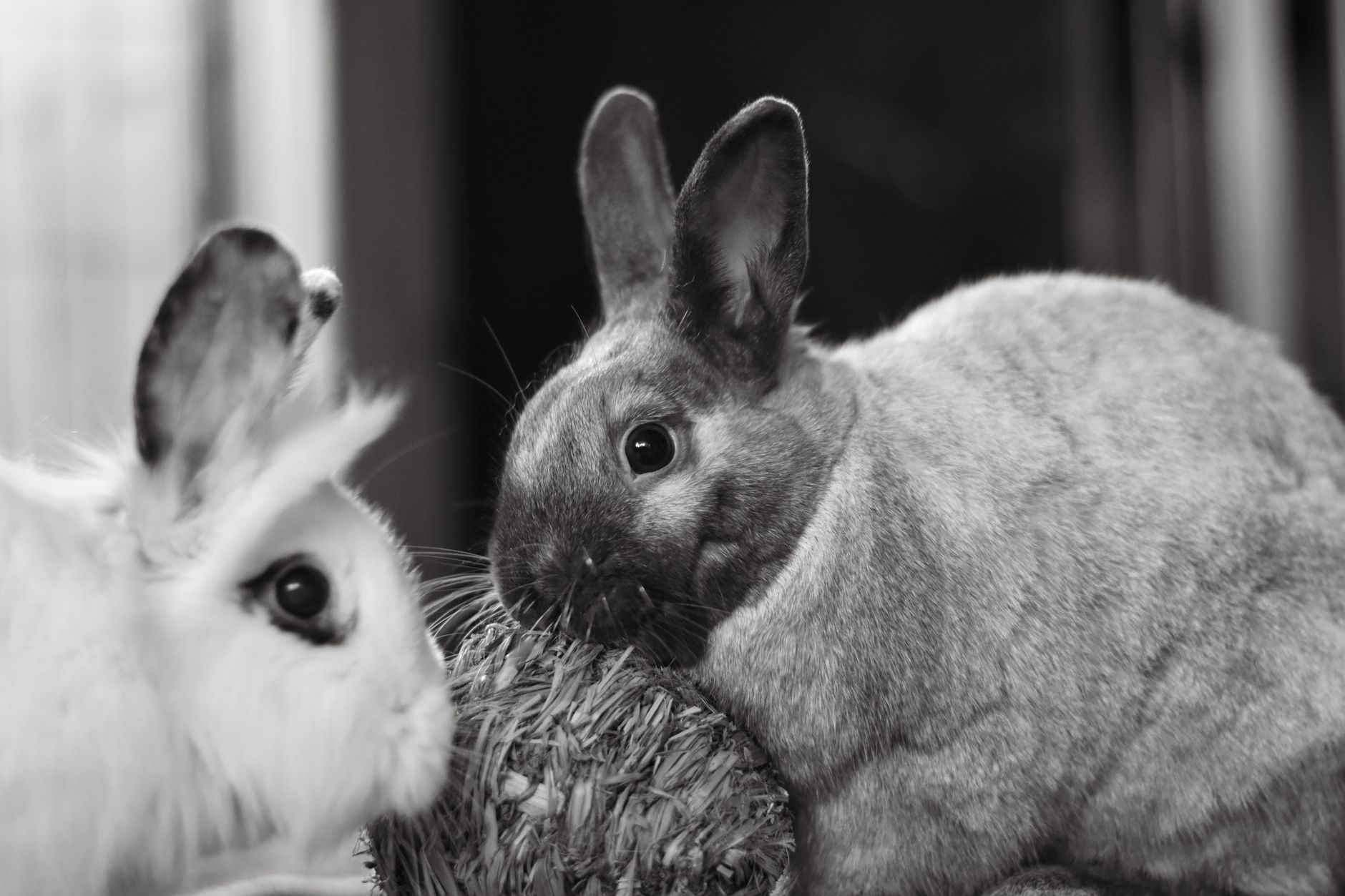
Human hearing typically ranges from 20 Hz to 20,000 Hz. Rabbits, however, have a significantly broader range, especially at the higher end of the spectrum.
| Species | Frequency Range (Hz) |
|---|---|
| :——– | :——————— |
| Human | 20 – 20,000 |
| Rabbit | 360 – 42,000 |
| Dog | 67 – 45,000 |
| Cat | 45 – 64,000 |
This means rabbits can hear sounds that are inaudible to humans, including the high-pitched calls of some predators and the rustling of leaves that might indicate danger. The lower limit of their hearing is less sensitive than humans, suggesting they are less attuned to low-frequency rumbles.
The Importance of Sensitive Hearing for Survival
A rabbit’s life in the wild depends on its ability to detect and respond to threats. Their sensitive hearing is a critical component of their survival strategy.
- Predator Detection: Rabbits are prey animals, and their keen hearing allows them to detect approaching predators, such as foxes, hawks, and owls, from a distance. This early warning system gives them time to escape to safety.
- Communication: Rabbits use a variety of vocalizations and body language to communicate with each other. While they are not known for being particularly vocal, their sensitive hearing allows them to pick up on subtle sounds and vibrations that may indicate danger, social cues, or mating opportunities.
- Environmental Awareness: A rabbit’s hearing helps them to navigate their environment and locate food sources. They can use sound to identify the location of water sources, the presence of other rabbits, and the availability of food.
Protecting Your Rabbit’s Hearing
As responsible rabbit owners, it is our duty to protect their delicate hearing. There are several things you can do to minimize the risk of hearing damage.
- Avoid Loud Noises: Rabbits are easily stressed by loud noises. Avoid exposing them to excessive noise pollution, such as loud music, construction work, or fireworks.
- Provide a Quiet Environment: Create a safe and quiet space for your rabbit where they can retreat and relax. This is especially important for rabbits who are kept indoors.
- Be Mindful of Vibration: Strong vibrations can also be distressing for rabbits. Avoid placing their enclosure near washing machines, dryers, or other appliances that generate vibrations.
- Regular Veterinary Checkups: Schedule regular veterinary checkups for your rabbit to ensure their ears are healthy and free from infection. Ear infections can cause inflammation and damage to the delicate structures of the ear, leading to hearing loss.
Common Mistakes that Can Harm a Rabbit’s Hearing
Several common mistakes can inadvertently harm a rabbit’s hearing. Being aware of these pitfalls can help you safeguard your pet’s well-being.
- Using Cotton Swabs: Never insert cotton swabs into a rabbit’s ear canal. This can push debris further in and damage the eardrum.
- Loud Cleaning Appliances: The high-pitched whine of vacuum cleaners or hair dryers can be particularly distressing to rabbits.
- Ignoring Signs of Ear Problems: Head tilting, scratching at the ears, and discharge from the ears can be signs of an ear infection. Seek veterinary attention promptly if you notice any of these symptoms.
- Incorrect Medication: Some medications can be ototoxic (toxic to the ears) in rabbits. Always consult with a veterinarian before administering any medication to your rabbit.
Frequently Asked Questions (FAQs)
Can rabbits go deaf?
Yes, rabbits can go deaf due to a variety of factors, including ear infections, trauma, genetic predisposition, and exposure to loud noises. Deafness can significantly impact a rabbit’s quality of life, making it more vulnerable to predators and hindering its ability to communicate with other rabbits.
How can I tell if my rabbit is deaf?
Signs of deafness in rabbits can be subtle. Common indicators include not responding to sounds, being easily startled, ignoring commands, and becoming increasingly withdrawn. If you suspect your rabbit is deaf, consult with a veterinarian for a thorough examination.
Do certain rabbit breeds have better hearing than others?
While all rabbit breeds possess sensitive hearing, some breeds may be more prone to ear problems due to their ear conformation. For example, lop-eared rabbits are more susceptible to ear infections because their floppy ears trap moisture and debris, creating an ideal environment for bacteria to thrive. However, no breed has inherently better hearing sensitivity than another.
Are indoor rabbits less reliant on sensitive hearing than outdoor rabbits?
While indoor rabbits may not face the same immediate threats from predators, their hearing remains crucial for detecting potential dangers such as sudden noises or unfamiliar sounds. Sensitive hearing also plays a role in their social interactions and overall well-being, regardless of their environment.
Is it okay to talk loudly around my rabbit?
While talking to your rabbit is a wonderful way to bond, avoid speaking too loudly or shouting, as this can be stressful and even potentially damaging to their delicate hearing. Speak in a calm and gentle tone to create a positive and comfortable environment for your pet.
What is the best way to clean my rabbit’s ears?
Rabbits are generally good at keeping their ears clean themselves. Avoid using cotton swabs or other objects to clean their ears unless specifically instructed by your veterinarian. If necessary, gently wipe the outer ear with a damp cloth.
Can loud music affect my rabbit’s hearing?
Yes, exposure to loud music can be harmful to a rabbit’s hearing, especially if it is prolonged or repeated. Keep the volume at a reasonable level and avoid placing your rabbit’s enclosure near speakers.
Do rabbits have directional hearing?
Yes, rabbits have excellent directional hearing, allowing them to precisely pinpoint the source of a sound. Their ability to independently rotate their ears further enhances this capability.
Can ear mites affect a rabbit’s hearing?
Yes, ear mites are a common parasite that can infest a rabbit’s ears, causing inflammation, irritation, and potentially leading to secondary bacterial infections. Severe ear mite infestations can damage the delicate structures of the ear and impair hearing if left untreated.
What sounds do rabbits find most frightening?
Rabbits are naturally wary of sudden, loud noises that mimic the sounds of predators, such as screeching birds, barking dogs, or crashing objects. Providing them with a safe and secure environment can help to minimize their anxiety.
How does age affect a rabbit’s hearing?
As rabbits age, their hearing may gradually decline, similar to humans. This is a natural process called presbycusis. Regular veterinary checkups can help to monitor your senior rabbit’s hearing and address any age-related hearing loss.
What are some ways to enrich my rabbit’s environment to stimulate their hearing?
You can enrich your rabbit’s environment by introducing various sounds, such as gentle music, nature sounds, or interactive toys that make noise. However, it’s important to avoid overwhelming them with excessive or jarring noises. How sensitive is a rabbits hearing? means that even the simplest sound can act as enrichment, as long as it is delivered safely.