
What’s Pesticides? A Comprehensive Guide from Expert Insights
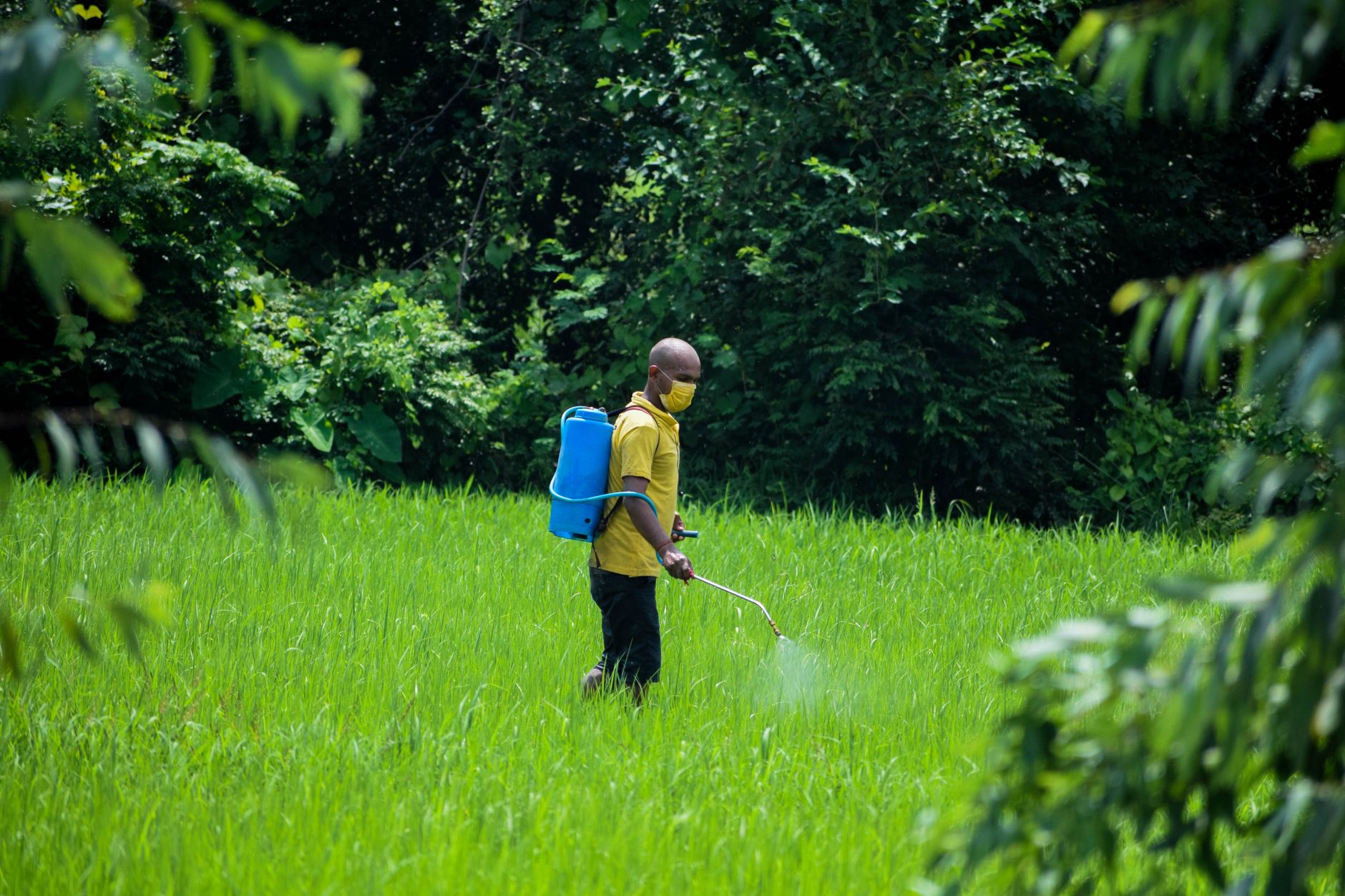
Pesticides are substances used to control, repel, or kill pests, encompassing insects, weeds, fungi, rodents, and other organisms that threaten agriculture, human health, and property. Their purpose is to manage unwanted organisms, but their use also raises critical questions about environmental safety and human well-being.

The Essentials: Understanding Pesticides
Pesticides, at their core, are tools. They’re designed to manage populations of organisms deemed undesirable. This can range from protecting crops from ravenous insects to preventing the spread of disease-carrying mosquitoes. However, this seemingly simple definition masks a complex web of chemical compositions, application methods, and potential ecological and health consequences.
The term “pesticide” is a broad umbrella covering a diverse array of substances. These are classified primarily by the type of pest they target:
- Insecticides: Target insects, such as aphids, beetles, and mosquitoes.
- Herbicides: Control weeds, unwanted plants that compete with crops.
- Fungicides: Combat fungal diseases in plants and crops.
- Rodenticides: Control rodents like rats and mice.
- Bactericides: Kill bacteria.
- Larvicides: Target insect larvae.
The effectiveness of a pesticide depends on several factors, including the specific pest, the application method, environmental conditions, and the pesticide’s formulation. Furthermore, the potential for pesticide resistance is a significant concern. Over time, pests can evolve mechanisms to tolerate pesticides, rendering them ineffective. This necessitates the development of new and more potent chemicals, often exacerbating existing environmental concerns.
The Pros and Cons of Pesticide Use
The benefits of pesticide use are undeniable, particularly in large-scale agriculture. They contribute significantly to increased crop yields and reduced food spoilage. By controlling pests, pesticides help to ensure a stable food supply and prevent economic losses for farmers.
However, the widespread use of pesticides also presents significant drawbacks.
- Environmental Impacts: Pesticides can contaminate soil, water, and air, harming non-target organisms, including beneficial insects, birds, and aquatic life. Pesticide runoff is a major source of water pollution, impacting aquatic ecosystems.
- Human Health Risks: Exposure to pesticides can pose a range of health risks, from acute poisoning to chronic diseases like cancer and neurological disorders. Children and pregnant women are particularly vulnerable. Occupational exposure is a significant concern for agricultural workers.
- Ecological Imbalance: Pesticides can disrupt natural ecosystems by eliminating key species and altering food webs. This can lead to unintended consequences, such as outbreaks of secondary pests.
- Pesticide Resistance: As mentioned earlier, the overuse of pesticides can lead to the evolution of resistant pest populations, requiring the use of increasingly potent and potentially more harmful chemicals.
A balanced approach is crucial, weighing the benefits of pest control against the potential risks to human health and the environment. Integrated Pest Management (IPM) is a strategy that prioritizes non-chemical methods of pest control and uses pesticides only as a last resort.
Pesticide Regulation and Safety
Recognizing the potential hazards of pesticide use, governments worldwide have established regulations to control their manufacture, sale, and application. These regulations typically include:
- Registration and Licensing: Pesticides must be registered with regulatory agencies before they can be sold or used. This process involves rigorous testing to assess their safety and efficacy.
- Labeling Requirements: Pesticide labels provide crucial information about proper application, safety precautions, and potential hazards.
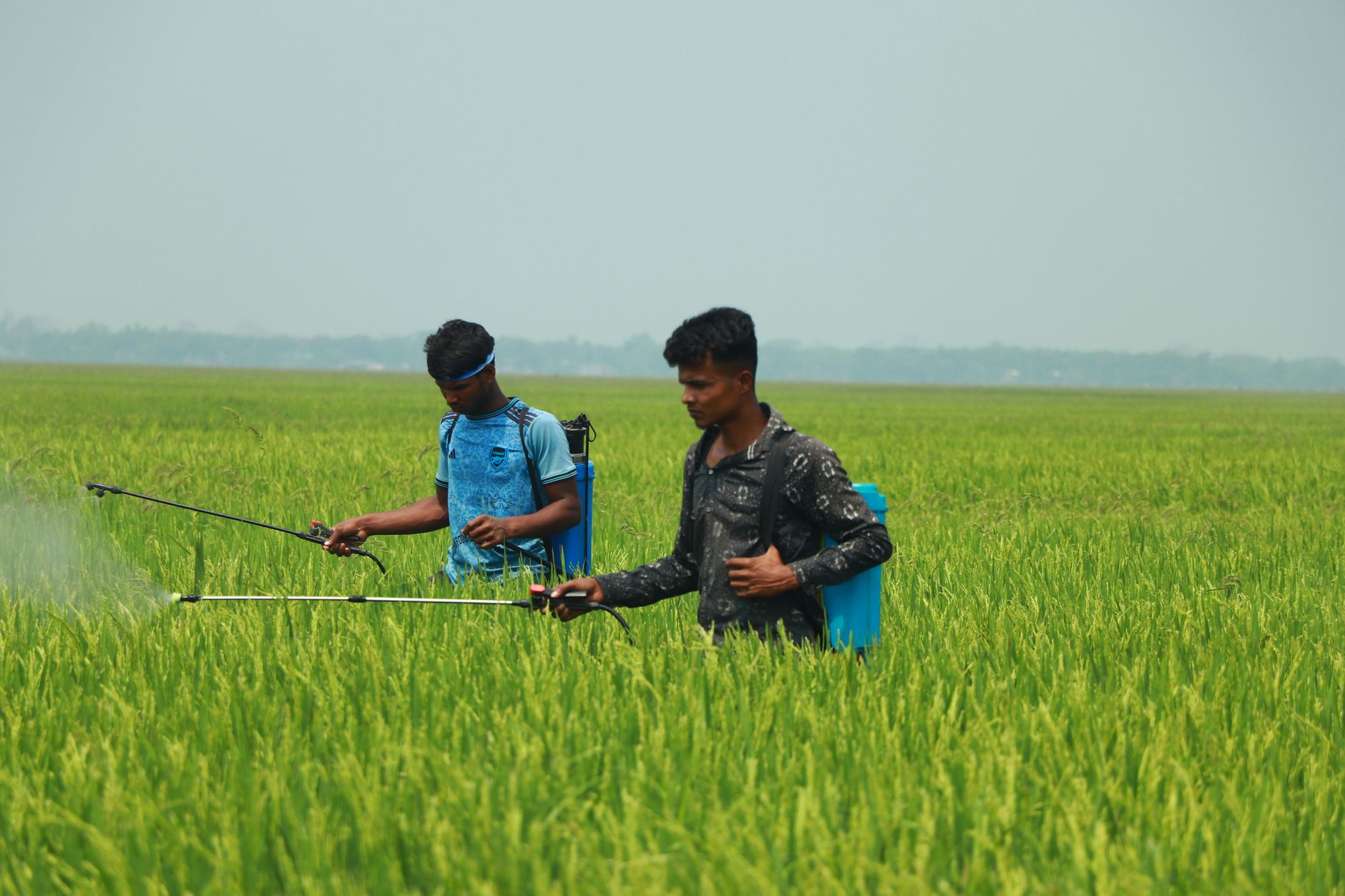
- Training and Certification: Applicators are often required to undergo training and certification to ensure they understand the risks associated with pesticide use and can apply them safely and effectively.
- Residue Limits: Maximum residue limits (MRLs) are established for pesticide residues in food to ensure that consumers are not exposed to unsafe levels.
- Restrictions on Use: Certain pesticides may be restricted or banned altogether due to their high toxicity or environmental persistence.
Compliance with these regulations is essential to minimize the risks associated with pesticide use. However, enforcement challenges remain, particularly in developing countries.
Frequently Asked Questions (FAQs) About Pesticides
Here are some common questions people have about pesticides:
H3: What are the different types of pesticides?
Pesticides are broadly classified based on the pests they target. The most common types are insecticides (for insects), herbicides (for weeds), fungicides (for fungi), rodenticides (for rodents), and bactericides (for bacteria). Each type has different chemical compositions and modes of action.
What colours are fish most attracted to?
Can you put your finger in a trout's mouth?
Is methylene blue anti bacterial?
Does aquarium salt raise pH in aquarium?
H3: How do pesticides work?
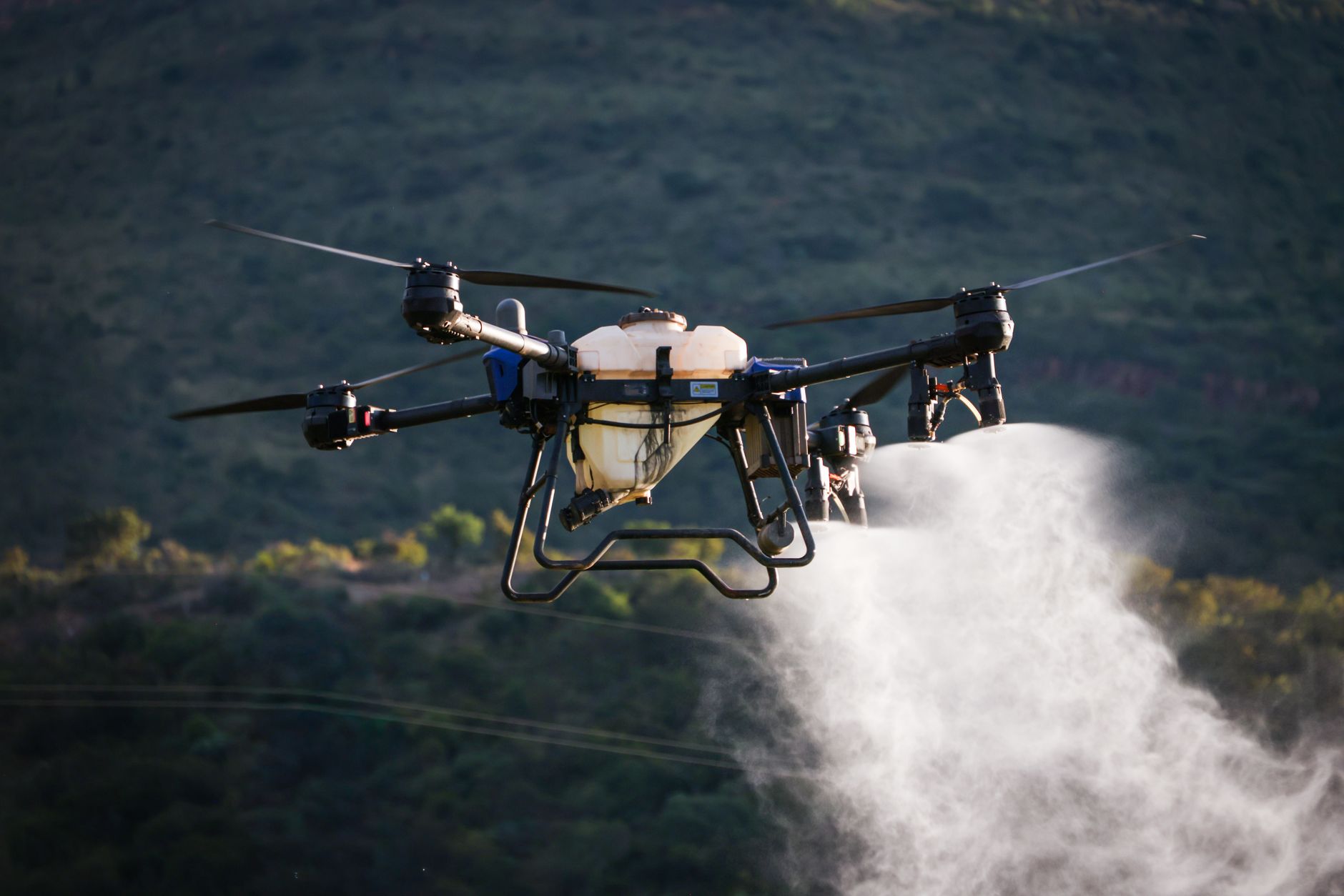
Pesticides work through various mechanisms depending on their chemical composition. Some interfere with the nervous system of insects, while others disrupt their growth or reproduction. Herbicides can disrupt photosynthesis or other metabolic processes in plants. Fungicides often inhibit fungal growth by interfering with cell wall synthesis.
H3: What is Integrated Pest Management (IPM)?
IPM is a sustainable approach to pest control that emphasizes preventing pest problems through a combination of strategies, including biological control, habitat manipulation, and the use of resistant varieties. Pesticides are used only as a last resort, and when used, they are selected and applied in a way that minimizes risks to human health and the environment.
H3: Are organic pesticides safer than synthetic pesticides?
While organic pesticides are often derived from natural sources, they are not necessarily safer than synthetic pesticides. All pesticides can pose risks if not used properly. Organic pesticides may still have toxic effects and can persist in the environment. The key is to use all pesticides responsibly and follow label instructions carefully.
H3: How can I reduce my exposure to pesticides?
You can reduce your exposure to pesticides by washing fruits and vegetables thoroughly, choosing organic produce when possible, using natural pest control methods in your home and garden, and ensuring that pesticides are applied safely and responsibly in your community.
H3: What are pesticide residues?
Pesticide residues are the amounts of pesticides that remain on or in food after it has been treated with pesticides. Regulatory agencies set maximum residue limits (MRLs) to ensure that pesticide residues in food do not pose a health risk to consumers.
H3: What is pesticide resistance?
Pesticide resistance occurs when pests evolve mechanisms to tolerate pesticides, rendering them ineffective. This can happen when pesticides are used repeatedly over time, selecting for resistant individuals in the pest population. It’s a growing global problem that necessitates the development of new pest control strategies.
H3: How are pesticides regulated?
Pesticides are regulated by government agencies to ensure their safety and efficacy. These agencies set standards for pesticide registration, labeling, and application, and they monitor pesticide residues in food and the environment.
H3: What are the environmental impacts of pesticides?
Pesticides can have a wide range of environmental impacts, including contamination of soil, water, and air; harm to non-target organisms, such as beneficial insects and birds; and disruption of ecosystems. Pesticide runoff is a major source of water pollution.
H3: What are the health risks associated with pesticide exposure?
Exposure to pesticides can pose a variety of health risks, including acute poisoning, skin and eye irritation, and long-term effects such as cancer, neurological disorders, and reproductive problems. Children and pregnant women are particularly vulnerable.
H3: What are some alternatives to pesticides?
There are many alternatives to pesticides, including biological control (using natural enemies to control pests), habitat manipulation (creating conditions that are unfavorable to pests), cultural practices (such as crop rotation and sanitation), and the use of resistant varieties.
H3: Where can I find more information about pesticides?
You can find more information about pesticides from government agencies, universities, and non-profit organizations that specialize in environmental health and agriculture. Look for reputable sources that provide evidence-based information.