
What’s Point Source Pollution? Understanding a Major Environmental Threat
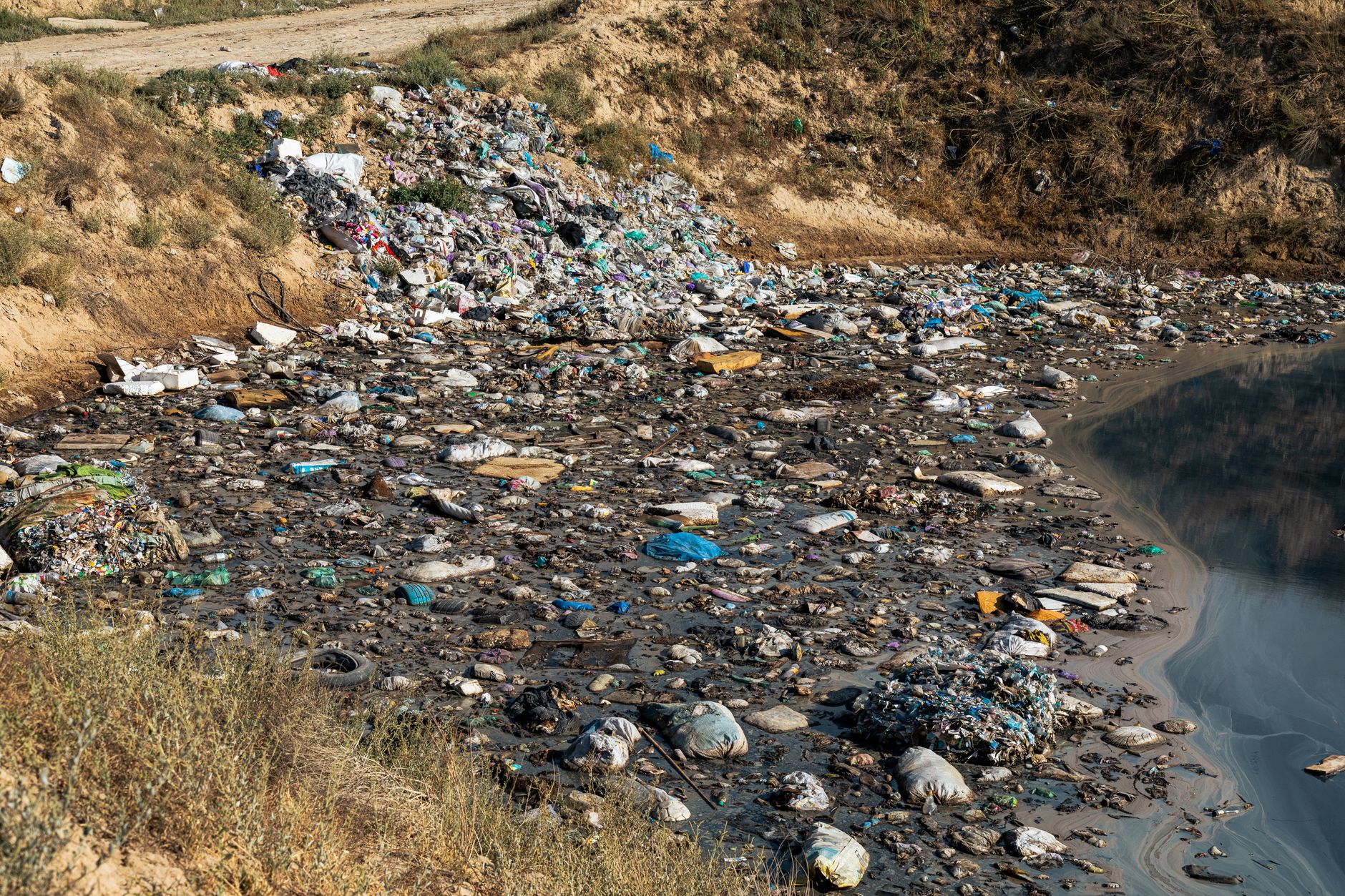
Point source pollution refers to any single, identifiable source of pollution from which pollutants are discharged, such as a pipe, ditch, ship, or smokestack. Unlike diffuse, nonpoint source pollution, its origin is easily traced and directly linked to a specific facility or activity, making it easier to regulate and control.

Identifying and Defining Point Source Pollution
Understanding the nature of point source pollution is crucial for effective environmental protection. It’s not just about identifying a source; it’s about understanding the types of pollutants discharged and the impact they have on the environment.
Key Characteristics of Point Source Pollution
Several characteristics define point source pollution:
- Identifiable Origin: The source of pollution is easily located, such as a factory discharge pipe.
- Direct Discharge: Pollutants are discharged directly into water bodies or the air.
- Regulated Under Environmental Laws: Subject to specific permits and regulations, such as the National Pollutant Discharge Elimination System (NPDES) in the United States.
- Measurable Impact: The quantity and type of pollutants discharged can be measured, allowing for assessment of environmental impact.
Common Sources of Point Source Pollution
Various industries and activities contribute to point source pollution. Identifying these sources is vital for targeted mitigation efforts.
Industrial Discharges
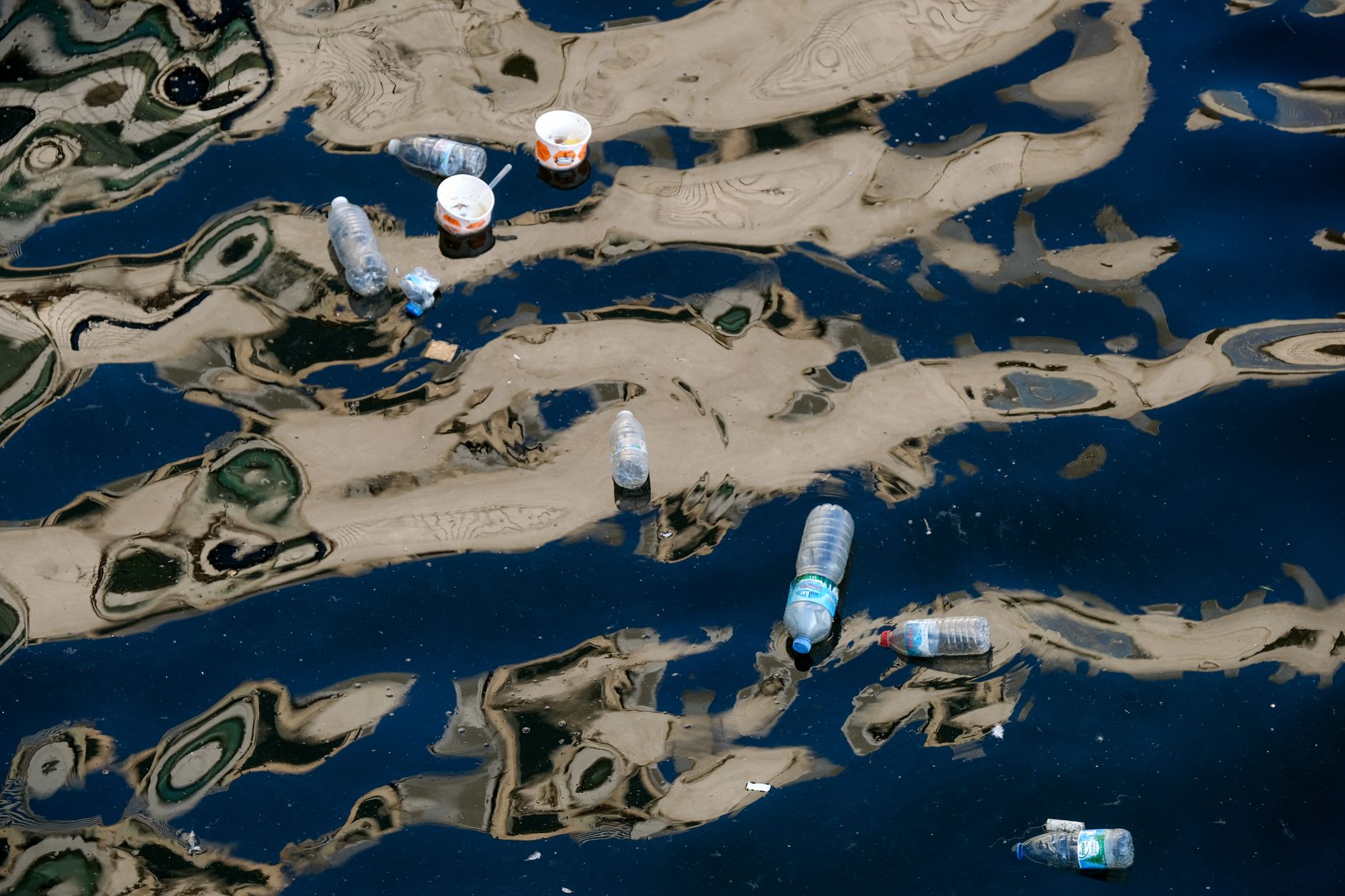
Factories and manufacturing plants are significant contributors. Discharges can include:
- Chemicals: Processing chemicals, heavy metals, and organic compounds.
- Wastewater: Industrial wastewater containing pollutants.
- Heat: Thermal pollution affecting aquatic ecosystems.
Municipal Wastewater Treatment Plants
While these plants treat wastewater, overflows or malfunctions can lead to point source pollution. This includes:
- Untreated Sewage: During heavy rainfall, treatment plants can be overwhelmed, leading to the discharge of untreated sewage.
- Partially Treated Effluent: Effluent that does not meet regulatory standards.
- Nutrients: Excessive nitrogen and phosphorus contributing to eutrophication.
Concentrated Animal Feeding Operations (CAFOs)
Large-scale animal farming can generate significant amounts of waste.
- Manure Runoff: Improper manure management leading to nutrient and pathogen contamination.
- Direct Discharge: In some cases, direct discharge of animal waste into waterways.
Other Sources
- Oil Tankers: Oil spills during loading, unloading, or accidents.
- Mining Operations: Discharges from mining sites containing heavy metals and other pollutants.
- Construction Sites: Sediment runoff and chemical spills, although often categorized as nonpoint source, can sometimes be considered point source depending on the specific circumstances and permitting requirements.
Impacts of Point Source Pollution
Point source pollution has far-reaching consequences for the environment and human health.
Environmental Degradation
- Water Quality Degradation: Contamination of rivers, lakes, and oceans, affecting aquatic life.
- Eutrophication: Nutrient pollution leading to algal blooms and oxygen depletion.
- Habitat Destruction: Destruction of aquatic habitats due to pollution.
- Bioaccumulation: Accumulation of pollutants in the food chain.
Human Health Risks
- Contaminated Drinking Water: Pollutants entering drinking water sources, posing health risks.
- Recreational Water Risks: Swimming and other recreational activities in contaminated waters can lead to illness.
- Consumption of Contaminated Seafood: Eating fish and shellfish contaminated with pollutants.
Regulations and Control Measures
Effective regulations and control measures are essential to mitigate the impacts of point source pollution.
The National Pollutant Discharge Elimination System (NPDES)
- Permitting System: Requires facilities to obtain permits to discharge pollutants into waterways.
- Effluent Limits: Sets limits on the amount and type of pollutants that can be discharged.
- Monitoring and Reporting: Requires facilities to monitor their discharges and report them to regulatory agencies.
Best Management Practices (BMPs)
- Technology-Based Controls: Utilizing the best available technology to reduce pollution.
- Management Practices: Implementing operational changes to minimize pollutant discharge.
Enforcement and Compliance
- Inspections: Regular inspections of facilities to ensure compliance with regulations.
- Penalties: Fines and other penalties for violations of environmental laws.
- Citizen Suits: Allowing citizens to bring lawsuits against polluters.

Frequently Asked Questions (FAQs)
This section addresses common questions to further clarify the concept of point source pollution.
FAQ 1: What is the difference between point source and nonpoint source pollution?
Point source pollution has a clearly identifiable source, such as a factory pipe, while nonpoint source pollution comes from diffuse sources, like agricultural runoff or urban stormwater. It’s important to note that while the source of nonpoint source pollution is diffuse, its aggregated impact can be significant and challenging to manage.
FAQ 2: What are some examples of pollutants commonly found in point source discharges?
Common pollutants include: heavy metals (lead, mercury, cadmium), organic chemicals (pesticides, solvents), nutrients (nitrogen, phosphorus), pathogens (bacteria, viruses), and thermal pollution (heated water).
FAQ 3: How does the NPDES permit system work?
The NPDES permit system requires facilities discharging pollutants into waterways to obtain a permit. The permit specifies effluent limits, monitoring requirements, and reporting obligations. The system provides a legal framework for controlling and minimizing pollution from identifiable sources.
FAQ 4: What is the role of technology in controlling point source pollution?
Advanced wastewater treatment technologies, like membrane filtration and advanced oxidation processes, can remove pollutants from wastewater before discharge. Also, cleaner production techniques and pollution prevention strategies can minimize the generation of pollutants at the source.
FAQ 5: How can individuals help reduce point source pollution?
Individuals can support stricter environmental regulations, conserve water to reduce the burden on wastewater treatment plants, properly dispose of hazardous waste, and choose environmentally friendly products. Supporting companies committed to sustainable practices also makes a difference.
FAQ 6: What are the economic impacts of point source pollution?
Point source pollution can lead to increased healthcare costs, reduced property values, decreased tourism revenue, and economic losses in fisheries and agriculture. Conversely, investments in pollution control can create jobs and stimulate innovation.
FAQ 7: What are the challenges in regulating point source pollution?
Challenges include: inadequate funding for monitoring and enforcement, political interference, difficulties in setting appropriate effluent limits, and the emergence of new and unregulated pollutants.
FAQ 8: How does climate change affect point source pollution?
Climate change can exacerbate point source pollution problems through increased rainfall and flooding, which can overwhelm wastewater treatment plants and lead to more frequent combined sewer overflows. Higher water temperatures can also reduce the capacity of water bodies to assimilate pollutants.
FAQ 9: What are combined sewer overflows (CSOs)?
Combined sewer overflows (CSOs) occur when a combined sewer system, designed to collect both sewage and stormwater, is overwhelmed during heavy rainfall events. This results in the discharge of untreated sewage and stormwater into nearby water bodies.
FAQ 10: What is thermal pollution and how does it affect aquatic life?
Thermal pollution is the discharge of heated water into water bodies, typically from power plants or industrial facilities. It can reduce dissolved oxygen levels, disrupt aquatic ecosystems, and harm temperature-sensitive species.
FAQ 11: How are CAFOs regulated to prevent point source pollution?
CAFOs are regulated through NPDES permits, which require them to develop and implement comprehensive nutrient management plans. These plans specify best management practices for handling and disposing of animal waste to minimize runoff and prevent water pollution.
FAQ 12: What emerging contaminants are of concern in point source discharges?
Emerging contaminants of concern include pharmaceuticals, microplastics, and per- and polyfluoroalkyl substances (PFAS). These substances are often not effectively removed by conventional wastewater treatment processes and can pose risks to human health and the environment, even at low concentrations. More research is needed to fully understand their impacts and develop effective treatment technologies.