
What’s a Herbivore? An In-Depth Look at Plant-Eating Animals
A herbivore is an animal whose primary food source is plants, distinguishing it from carnivores that eat meat and omnivores that consume both. Understanding herbivores is essential for grasping ecological relationships and food web dynamics.

Introduction to Herbivores: Plant-Based Diets
The animal kingdom displays a remarkable diversity in feeding habits, with herbivores representing a significant component. Herbivores, from the smallest insects to the largest mammals, play a crucial role in shaping ecosystems by consuming plants, controlling vegetation growth, and serving as a food source for other animals. But what’s a herbivore 5 points? – It boils down to their dedicated dietary preference for plant matter.

What colours are fish most attracted to?
Can you put your finger in a trout's mouth?
Is methylene blue anti bacterial?
Does aquarium salt raise pH in aquarium?
Types of Herbivores

Herbivores aren’t a monolithic group; they can be categorized based on the specific types of plants they consume. Here are some examples:
- Grazers: These herbivores, such as cows and sheep, primarily feed on grasses.
- Browsers: Animals like deer and giraffes browse on leaves, twigs, and shrubs.
- Frugivores: Frugivores, such as bats and monkeys, primarily eat fruits.
- Granivores: These animals, including many birds and rodents, primarily eat seeds and grains.
- Folivores: Folivores, like koalas, specialize in eating leaves.
- Nectarivores: Nectarivores, like hummingbirds and bees, feed on nectar.
Adaptations for Herbivory
Herbivores have evolved a variety of adaptations to effectively consume and digest plant matter. These adaptations often involve their teeth, digestive systems, and symbiotic relationships with microorganisms.
- Teeth: Herbivores often have broad, flat teeth designed for grinding plant material. Some, like rodents, have continuously growing incisors for gnawing.
- Digestive System: Plant matter is often difficult to digest due to the presence of cellulose. Herbivores frequently have longer digestive tracts than carnivores, allowing for more time to break down cellulose. Ruminants, such as cows, have a multi-chambered stomach (rumen) that houses bacteria to aid in digestion.
- Symbiotic Microorganisms: Many herbivores rely on symbiotic bacteria, protozoa, or fungi in their digestive systems to help break down cellulose and extract nutrients from plants.
Ecological Importance of Herbivores
Herbivores play a vital role in maintaining the health and stability of ecosystems.
- Vegetation Control: Herbivores help to control the growth and spread of vegetation. Grazing and browsing prevent certain plants from becoming dominant and outcompeting others.
- Nutrient Cycling: Herbivores contribute to nutrient cycling by consuming plant matter and returning nutrients to the soil through their feces.
- Food Web Dynamics: Herbivores are a primary food source for carnivores, transferring energy and nutrients from plants to higher trophic levels.
- Seed Dispersal: Frugivores play a critical role in seed dispersal, helping plants to colonize new areas.
Herbivore-Plant Interactions: Coevolution
The relationship between herbivores and plants is a dynamic one, characterized by coevolution. Plants have evolved defenses to protect themselves from herbivores, while herbivores have evolved adaptations to overcome these defenses.
- Plant Defenses: Plants have developed a variety of defenses against herbivores, including thorns, spines, tough leaves, and chemical compounds (e.g., toxins, tannins).
- Herbivore Counter-Adaptations: Herbivores have evolved counter-adaptations to overcome plant defenses, such as specialized teeth for grinding tough leaves, detoxification mechanisms for breaking down toxins, and behavioral strategies for avoiding thorns.
Common Mistakes About Herbivores
One common misconception is that all herbivores are large mammals. In reality, the herbivore group includes insects, birds, reptiles, and even fish. Another misconception is that all plant material is easily digestible for herbivores. This is not the case, as specialized adaptations are required to break down cellulose-rich plants.
Herbivores in the Food Chain
Herbivores are primary consumers, occupying the second trophic level in a food chain. They obtain energy by consuming producers (plants). This energy is then passed on to secondary consumers (carnivores that eat herbivores) and tertiary consumers (carnivores that eat other carnivores). Understanding this flow is critical to understanding ecological balance.
Frequently Asked Questions (FAQs)
What is the difference between a herbivore, a carnivore, and an omnivore?
Herbivores are animals that primarily eat plants. Carnivores primarily eat meat. Omnivores consume both plants and animals. The dietary preference is the key differentiator.
Do herbivores only eat green plants?
No. While many herbivores consume green plants like grasses and leaves, they also eat fruits, seeds, nuts, roots, bark, and other plant parts.
Are there any marine herbivores?
Yes, there are many marine herbivores. Examples include sea turtles that eat seagrass, parrotfish that graze on algae, and certain species of marine snails.
How do herbivores get enough protein from plants?
While plants are not as protein-dense as meat, herbivores obtain protein from various plant sources. Some plants, like legumes, are high in protein. Also, the symbiotic bacteria in their digestive systems can synthesize essential amino acids.
What is rumination, and which animals do it?
Rumination is a digestive process in which animals regurgitate partially digested food (cud), chew it again, and then swallow it. This helps to break down cellulose more effectively. Ruminants include cows, sheep, goats, and deer.
What are some examples of large herbivores?
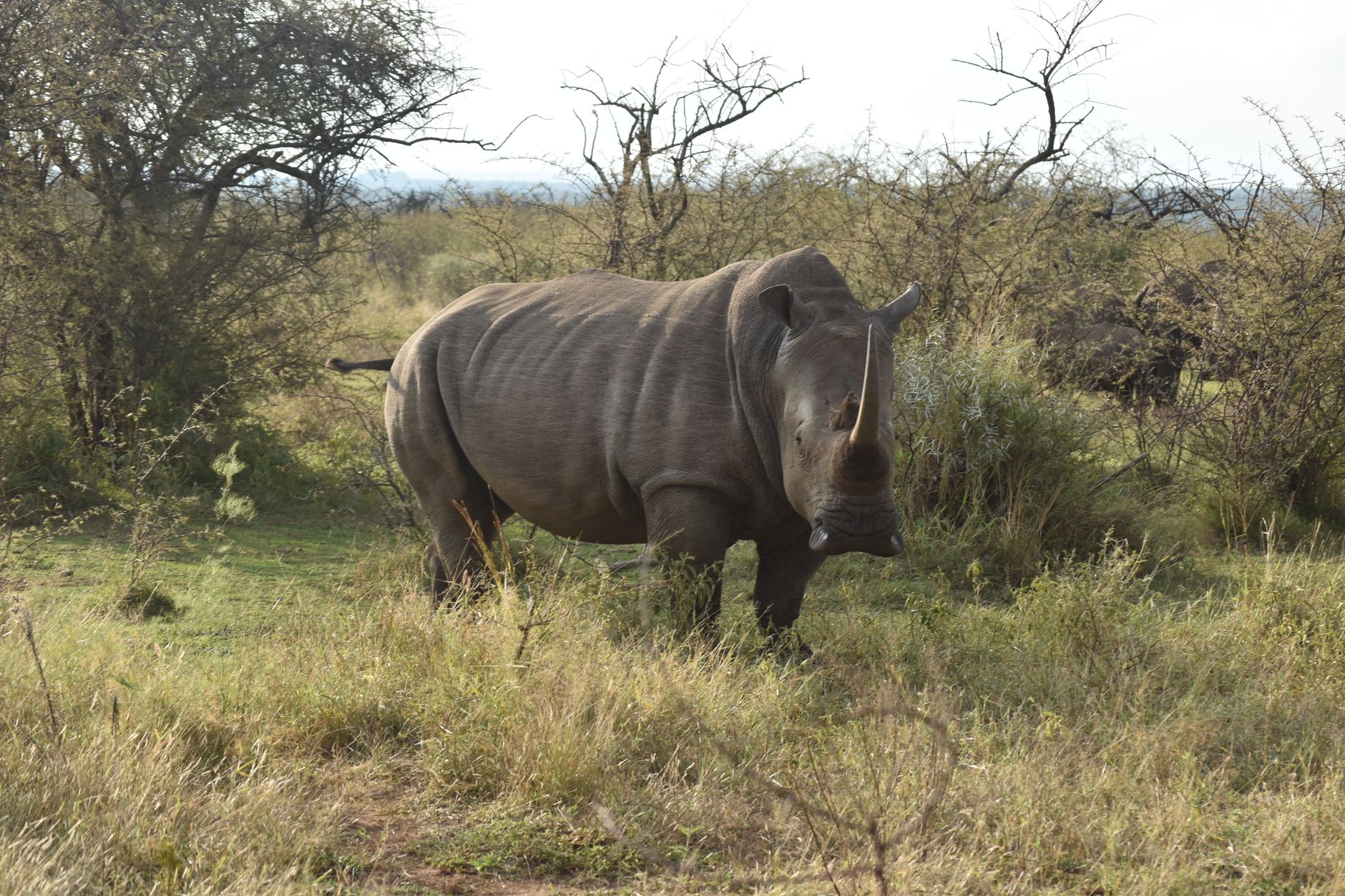
Examples of large herbivores include elephants, giraffes, rhinoceroses, hippopotamuses, bison, and moose.
Are insects herbivores?
Yes, many insects are herbivores. Examples include grasshoppers, caterpillars, aphids, and leaf beetles.
What is coprophagy, and why do some herbivores do it?
Coprophagy is the practice of eating feces. Some herbivores, such as rabbits and guinea pigs, practice coprophagy to obtain additional nutrients, especially B vitamins, that are produced by bacteria in their gut.
How do plants benefit from herbivores?
While it may seem counterintuitive, plants can benefit from herbivores through seed dispersal (frugivores), pollination (nectarivores), and the removal of dead or decaying plant matter, which can reduce the risk of disease.
What happens if there are too many herbivores in an ecosystem?
Overgrazing or overbrowsing can lead to habitat degradation, soil erosion, and a decline in plant diversity. This can negatively impact the entire ecosystem.
What’s a herbivore 5 points? – Is it just defined by diet or more?
The answer is that while their diet is the defining characteristic, a herbivore’s classification also encompasses the evolutionary adaptations and ecological roles they play within an ecosystem, all stemming from their plant-based dietary needs.
How does climate change affect herbivores?
Climate change can affect herbivores by altering the distribution, abundance, and nutritional quality of plants. Changes in temperature and precipitation patterns can lead to droughts, floods, and shifts in vegetation types, which can impact the availability of food for herbivores. These disruptions to their food source can devastate local populations and throw entire ecosystems into chaos.