

Are Bears Aggressive at Night? Understanding Nocturnal Encounters
While bears aren’t inherently more aggressive at night, the darkness significantly increases the risk of encounters due to reduced visibility and heightened senses on the bear’s part. Therefore, understanding their nocturnal behavior is crucial for safety in bear country.
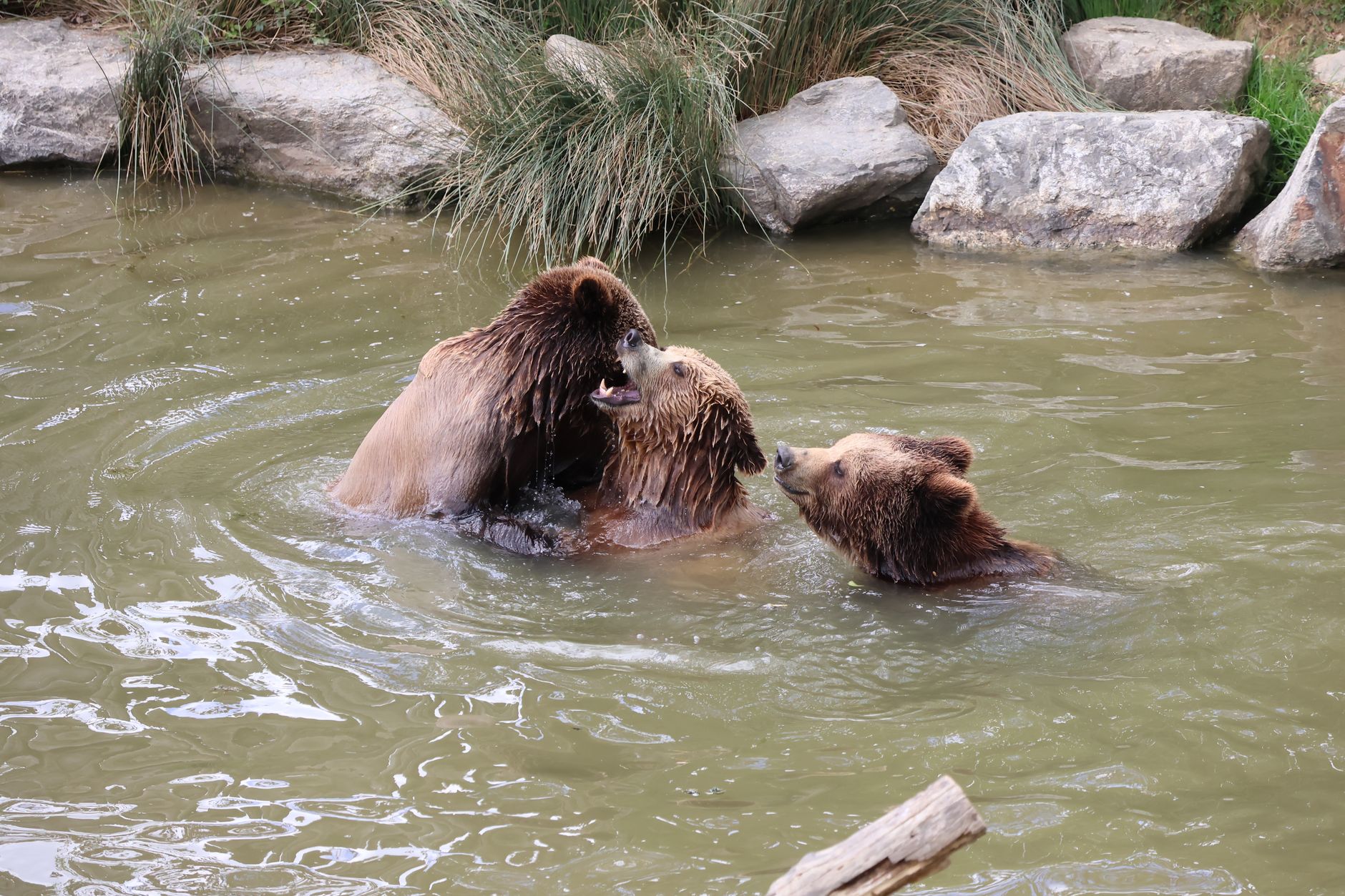
Understanding Bear Behavior: Day vs. Night
Bears, including black bears, grizzly bears, and brown bears, exhibit varied activity patterns depending on several factors: food availability, season, habitat, and human activity. Many bear species are crepuscular, meaning they are most active during dawn and dusk. However, this doesn’t preclude activity during the day or night. Increased human presence during the day often pushes bears to become more nocturnal to avoid conflict.
- Diurnal: Active during the day.
- Nocturnal: Active during the night.
- Crepuscular: Active during dawn and dusk.
The question of “Are bears aggressive at night?” isn’t simply a matter of biology. It’s intertwined with the environment and the bear’s motivation. Starvation, protecting cubs, or being surprised are all factors that can lead to aggression, regardless of the time of day.

What colours are fish most attracted to?
Can you put your finger in a trout's mouth?
Is methylene blue anti bacterial?
Does aquarium salt raise pH in aquarium?
Factors Influencing Nocturnal Bear Aggression

Several factors influence the likelihood of aggressive bear encounters at night:
- Food Scarcity: When food is scarce, bears will be more driven to seek sustenance, even if it means venturing closer to human settlements under the cover of darkness.
- Cub Protection: A mother bear with cubs is fiercely protective and may react aggressively to any perceived threat, irrespective of the time.
- Surprise Encounters: In the darkness, it’s easy to unknowingly stumble upon a bear. Surprise is a major trigger for defensive aggression. Making noise while hiking is crucial to avoiding surprise encounters.
- Habituation: Bears that have become habituated to human food sources, such as garbage or improperly stored food, may become bolder and more aggressive in seeking these resources, especially at night when they think humans are less vigilant.
- Territoriality: Bears, especially males, can be territorial and may react aggressively to intruders, especially during mating season.
- Reduced Visibility: Darkness makes it harder for both humans and bears to assess situations and avoid conflict.
Preventing Negative Encounters: Best Practices for Nighttime Safety
Understanding and mitigating the risk of bear encounters at night involves a combination of preventative measures and responsible behavior:
- Proper Food Storage: This is the most important step. Use bear-resistant canisters or hang food at least 10 feet off the ground and 4 feet from any tree trunk.
- Making Noise: Hike with bear bells, talk loudly, or sing to alert bears to your presence, giving them time to avoid you.
- Carrying Bear Spray: Carry bear spray and know how to use it effectively. It’s a powerful deterrent but only works if deployed properly.
- Traveling in Groups: Larger groups are less likely to be targeted by bears.
- Avoiding Strong Odors: Avoid using scented lotions, perfumes, or deodorants when in bear country.
- Using a Headlamp: A bright headlamp can help you see and be seen.
- Secure Your Campsite: Keep a clean campsite, store food and trash properly, and sleep inside a tent.
Understanding Bear Species and Aggression Levels
While all bears can be aggressive, different species exhibit different levels of aggression and have different motivations.
| Species | Typical Aggression Level | Common Aggression Triggers |
|---|---|---|
| Black Bear | Generally Lower | Food habituation, cubs |
| Grizzly Bear | Higher | Protecting cubs, defending food caches, surprise encounters |
| Brown Bear | Variable (Similar to Grizzly) | Protecting cubs, defending food caches, surprise encounters |
| Polar Bear | High | Food (they consider humans as potential prey) |
It’s essential to research the specific bear species inhabiting the area you plan to visit and understand their typical behavior patterns.
The Role of Scent
Bears have an incredibly acute sense of smell, which they use to locate food and detect potential threats. At night, when visibility is limited, their sense of smell becomes even more critical. Therefore, minimizing odors is crucial for avoiding encounters. Avoid cooking near your tent, and store all scented items, including toothpaste and toiletries, in bear-resistant containers. The less attractive your campsite smells, the less likely a bear will be drawn to it.
Learning from Past Encounters
Analyzing past bear encounters can provide valuable insights into patterns of aggression and help inform future prevention strategies. Many parks and wildlife agencies keep records of bear incidents. Studying these reports can reveal common factors that contribute to negative encounters, such as improper food storage, off-trail hiking, or encountering bears during mating season. While all encounters are unique, identifying common trends can help you make informed decisions and stay safe in bear country. The question of “Are bears aggressive at night?” is also shaped by the data collected from these incidents.
The Importance of Bear Awareness Education
Education is paramount in preventing bear encounters. Understanding bear behavior, recognizing signs of bear activity (tracks, scat, claw marks), and knowing how to react during an encounter are all essential skills for anyone venturing into bear country. Many parks and wildlife agencies offer bear awareness programs and resources. Taking the time to educate yourself can significantly reduce your risk of a negative encounter.
Are bears more likely to attack at night?
While not inherently more likely to attack simply because it’s dark, the reduced visibility at night significantly increases the chances of surprise encounters, a major trigger for defensive aggression in bears.
What should I do if I encounter a bear at night?
The response depends on the bear’s behavior. If the bear is unaware of your presence, slowly and quietly back away. If the bear is aware and showing signs of aggression (standing its ground, huffing, swatting the ground), deploy bear spray if it’s within range. If attacked, fight back aggressively.
How far can a bear smell at night?
Bears can smell food sources from over a mile away, regardless of the time of day. This is especially important to consider when camping, as even seemingly insignificant food odors can attract bears.
Is it safe to hike at night in bear country?
Hiking at night in bear country is inherently riskier due to reduced visibility and increased bear activity. If you must hike at night, travel in a group, make plenty of noise, carry bear spray, and use a bright headlamp.
What smells attract bears at night?
Bears are attracted to any food odor, including human food, pet food, garbage, and even toiletries. Minimize odors and store everything properly.
Do bears hunt humans at night?
Predatory attacks by bears on humans are extremely rare. Most attacks are defensive, triggered by surprise or a perceived threat to cubs or food. However, polar bears are an exception, as they may view humans as potential prey.
Are black bears more aggressive at night than grizzly bears?
There’s no inherent difference in nocturnal aggression between black and grizzly bears. Both species can be aggressive at night depending on the circumstances (food, cubs, surprise). Grizzly bears are generally considered more dangerous overall due to their larger size and more assertive behavior.
How do I store food properly to prevent bear encounters at night?
Use bear-resistant canisters or hang food at least 10 feet off the ground and 4 feet from any tree trunk. Store all scented items, including toothpaste and toiletries, with the food. Never store food in your tent.
What are the signs of a bear nearby at night?
Listen for sounds of movement in the woods. Be alert for fresh tracks, scat, or overturned rocks and logs. A strong, musky odor can also indicate the presence of a bear.
Is it better to play dead or fight back against a bear attack at night?
This depends on the type of bear and the nature of the attack. If attacked by a black bear, always fight back aggressively. If attacked by a grizzly bear, play dead unless the attack is clearly predatory.
Can bears see well at night?
Bears have decent night vision but rely more heavily on their sense of smell and hearing in the dark. This highlights the importance of making noise to avoid surprise encounters.
What is the best way to deter a bear from my campsite at night?
The best deterrent is prevention: proper food storage, a clean campsite, and making noise. If a bear approaches your campsite, use a loud voice and make yourself appear large. If the bear persists, deploy bear spray. Never feed bears.