
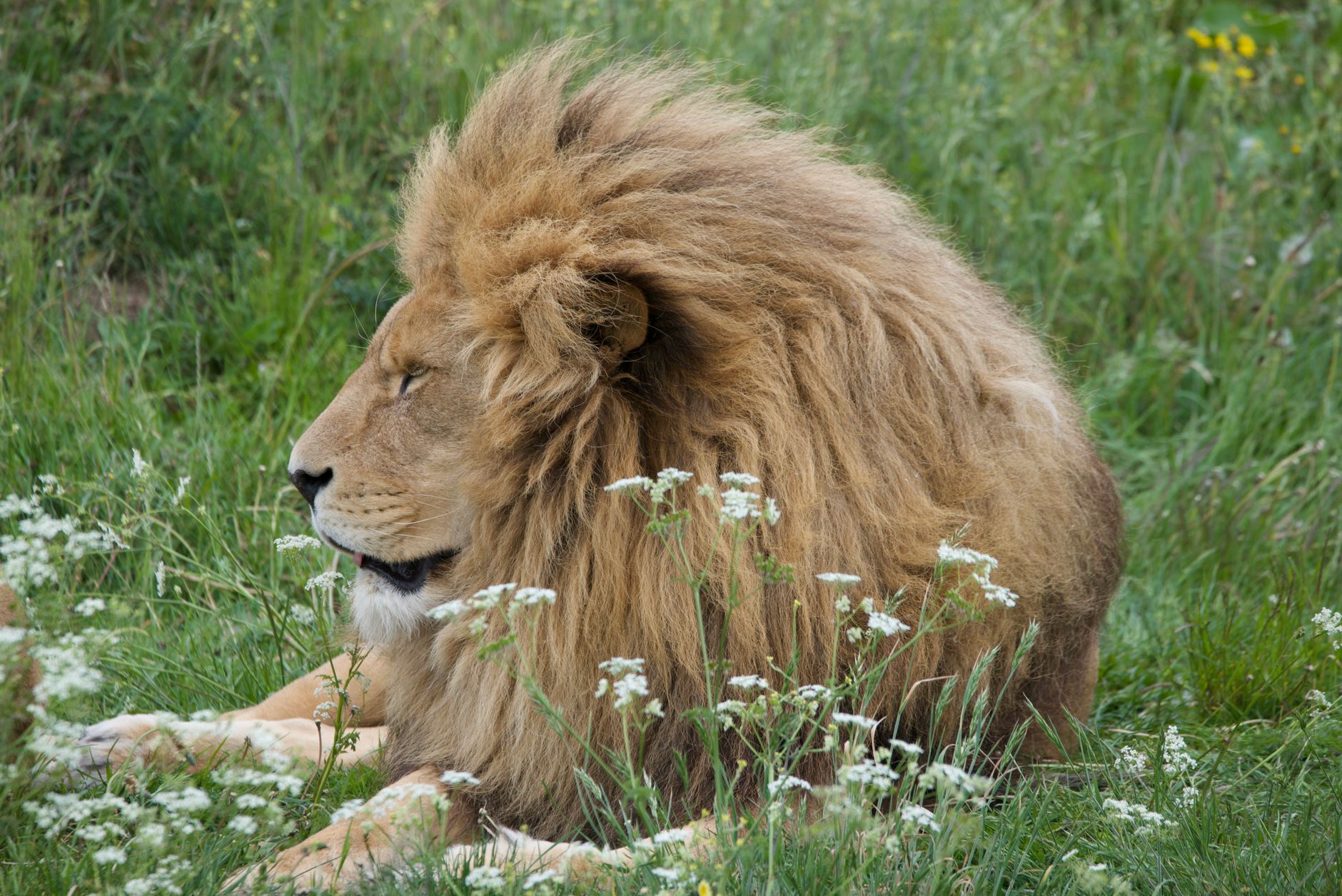
What Will Happen If Lions Go Extinct? A Catastrophic Ripple Effect
The extinction of lions would trigger a devastating cascade of ecological consequences, leading to imbalances within ecosystems, potential declines in other species, and profound economic and cultural losses. Extinction would unleash a trophic cascade, fundamentally reshaping the savannas and grasslands they currently dominate, highlighting what will happen if lions go extinct.

The Lion’s Critical Role in Ecosystems
Lions, Panthera leo, are apex predators, sitting at the top of the food chain in many African and Asian ecosystems. Their presence is crucial for maintaining the health and stability of these environments. They exert top-down control, influencing the populations and behavior of herbivores. Understanding what will happen if lions go extinct requires appreciating their role in regulating the wider environment.

What colours are fish most attracted to?
Can you put your finger in a trout's mouth?
Is methylene blue anti bacterial?
Does aquarium salt raise pH in aquarium?
Controlling Herbivore Populations

Lions primarily prey on large herbivores like zebras, wildebeest, and buffalo. Without lions, these herbivore populations would likely explode. This overgrazing could lead to:
- Vegetation Loss: Increased grazing pressure would strip away vegetation cover, leading to soil erosion and habitat degradation.
- Altered Plant Communities: Selective grazing by unchecked herbivores could favor certain plant species over others, reducing biodiversity and resilience.
- Increased Competition: The unchecked herbivore population would also increase competition for resources among themselves.
Cascading Effects on Other Predators and Scavengers
The extinction of lions wouldn’t just impact herbivores. It would also affect other predators and scavengers within the ecosystem:
- Decline of Scavengers: Lions leave behind carcasses that provide vital food for scavengers like vultures, hyenas, and jackals. A decline in lion kills would reduce food availability for these animals, potentially leading to population declines. This is a direct impact of what will happen if lions go extinct.
- Competition with Other Predators: Smaller predators, like leopards and cheetahs, might face increased competition for prey as they try to fill the ecological niche left by lions. This could result in altered hunting behavior and distribution of these smaller predators.
Economic and Cultural Consequences
Beyond ecological impacts, lion extinction would have significant economic and cultural ramifications:
- Tourism Decline: Lions are a major draw for tourists visiting African countries. The loss of lions could severely impact the tourism industry, leading to job losses and reduced revenue for local communities.
- Cultural Significance: Lions hold immense cultural significance for many African communities, featuring prominently in folklore, art, and traditional ceremonies. Their disappearance would represent a profound cultural loss.
- Ecosystem Services Disruption: The loss of lions could disrupt vital ecosystem services, such as disease regulation, which can have downstream economic impacts.
The Current Status of Lions
Despite their ecological importance, lion populations are declining across much of their range. Habitat loss, human-wildlife conflict, and poaching are major threats.
| Threat | Description |
|---|---|
| :—————— | :———————————————————————————————— |
| Habitat Loss | Conversion of lion habitat for agriculture, settlements, and infrastructure. |
| Human-Wildlife Conflict | Lions preying on livestock lead to retaliatory killings by farmers. |
| Poaching | Lions are targeted for their body parts, which are used in traditional medicine and other products. |
Understanding what will happen if lions go extinct is a crucial step towards motivating and directing conservation efforts.
The Importance of Conservation Efforts
Conserving lions requires a multifaceted approach that addresses the threats they face:
- Habitat Protection: Establishing and managing protected areas to safeguard lion habitats.
- Community Engagement: Working with local communities to reduce human-wildlife conflict and promote sustainable livelihoods.
- Anti-Poaching Measures: Implementing effective anti-poaching patrols and law enforcement to combat illegal hunting.
- Research and Monitoring: Conducting research to understand lion ecology and population dynamics, and monitoring populations to track trends and inform conservation strategies.
Frequently Asked Questions
How would the extinction of lions affect zebra populations?
The absence of lions, as a primary predator of zebras, would likely lead to a significant increase in zebra populations. This overpopulation could then lead to overgrazing, impacting vegetation and potentially disrupting the balance of the ecosystem. This is a key example of what will happen if lions go extinct.
Would other predators benefit from the absence of lions?
While other predators might initially benefit from reduced competition, the long-term effects are likely to be negative. Overgrazing caused by increased herbivore populations could lead to habitat degradation, reducing prey availability for all predators, including leopards and cheetahs. The ecosystem could become less stable.
What role do vultures play in the context of lion extinction?
Vultures are highly dependent on lion kills for food. If lions were to go extinct, the vulture population would decline significantly, leading to increased disease transmission as carcasses decompose without their efficient scavenging. This can have cascading health consequences.
How would lion extinction impact the tourism industry in Africa?
Lions are a major attraction for tourists visiting African countries. Their extinction would undoubtedly lead to a significant decline in tourism revenue, impacting local communities and national economies that rely on wildlife tourism.
Are there any historical examples of predator loss impacting ecosystems?
Yes, the reintroduction of wolves to Yellowstone National Park in the United States provides a compelling example. The wolves’ presence controlled elk populations, leading to vegetation recovery, reduced soil erosion, and increased biodiversity. This illustrates the vital role apex predators play.
What specific diseases might increase without lions?
The absence of lions could lead to increased populations of scavengers like hyenas, which can carry diseases such as rabies and anthrax. Uncontrolled carcass decomposition without vultures could also increase disease transmission, affecting both wildlife and humans.
How can local communities be involved in lion conservation?
Community engagement is crucial for lion conservation. This includes providing alternative livelihood options to reduce reliance on poaching, implementing compensation schemes for livestock losses due to lion predation, and involving communities in wildlife monitoring and anti-poaching efforts.
What are some effective strategies for reducing human-wildlife conflict?
Effective strategies include constructing predator-proof livestock enclosures (bomas), implementing early warning systems to alert communities of lion presence, and providing education and awareness programs to promote coexistence.
What role does habitat loss play in the decline of lion populations?
Habitat loss is a major driver of lion population decline. As lion habitats are converted for agriculture, settlements, and infrastructure, lions are forced into smaller, more fragmented areas, increasing competition for resources and human-wildlife conflict.
Is there any hope for lion populations to recover?
Yes, with concerted conservation efforts, there is hope for lion populations to recover. Successful conservation programs have shown that lion populations can rebound when threats are effectively addressed. This is a call to action to avoid what will happen if lions go extinct.
What are some organizations working to protect lions?
Numerous organizations are dedicated to lion conservation, including the African Wildlife Foundation, Panthera, Wildlife Conservation Society, and WWF. These organizations work to protect lion habitats, combat poaching, and promote coexistence between humans and lions.
How can individuals contribute to lion conservation?
Individuals can contribute by supporting lion conservation organizations, advocating for policies that protect lion habitats, making responsible tourism choices, and raising awareness about the importance of lion conservation. Your support can make a real difference.