

Does Showering Your Dog Alleviate Allergies in Humans?
While not a cure, frequent showering can be a valuable tool in managing dog allergies. Does showering help dog allergies? Yes, regular baths can significantly reduce allergens, such as dander and saliva, released into your home environment.
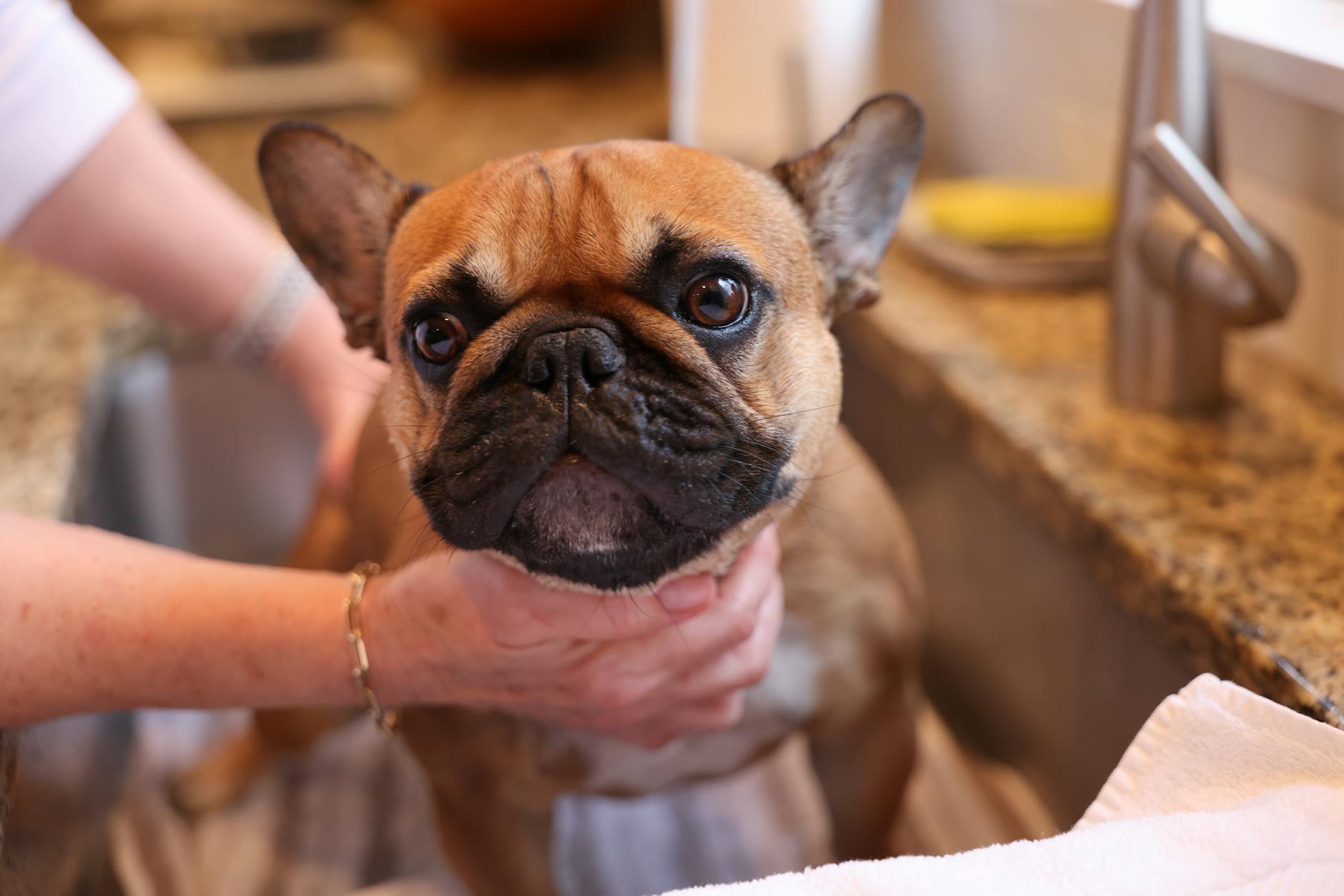
Understanding Dog Allergies and Their Source
Dog allergies are a common issue, affecting millions of people worldwide. The culprit isn’t actually the dog’s fur itself, but rather proteins found in their dander (dead skin cells), saliva, and urine. These allergens become airborne and can trigger allergic reactions when inhaled or when they come into contact with skin.
The Benefits of Showering Your Dog
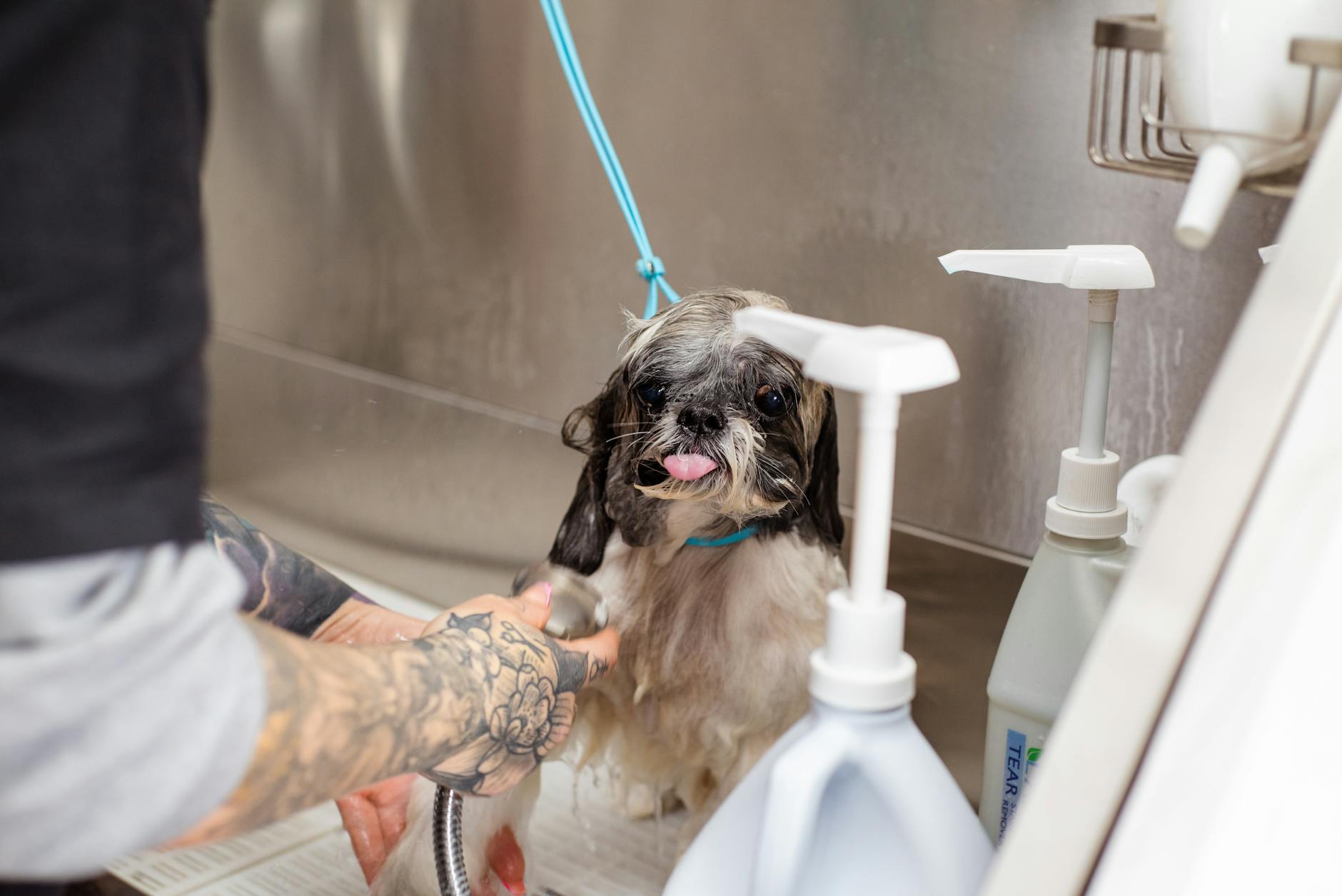
Showering your dog offers a multifaceted approach to allergy management:
- Reduces Dander: Bathing removes loose dander, a primary source of allergens.
- Removes Saliva Residue: Dogs groom themselves, spreading saliva, which contains allergens, on their fur. Showering washes this away.
- Minimizes Environmental Contamination: By reducing the amount of allergens on your dog, you reduce the allergens circulating in your home.
- Promotes Healthy Skin: Certain medicated shampoos can improve skin health, reducing dander production in the long term.
The Correct Showering Process for Allergy Relief
Proper technique is crucial to maximizing the allergy-reducing benefits of dog showers.
- Gather Supplies: You will need dog-specific shampoo (hypoallergenic is best), towels, a brush, and lukewarm water.
- Brush Your Dog First: Brushing loosens dead hair and dander before bathing, making the shampoo more effective.
- Wet Your Dog Thoroughly: Ensure the entire coat is wet, down to the skin.
- Apply Shampoo: Use the shampoo according to the instructions, typically massaging it into the coat for several minutes.
- Rinse Completely: This is vital. Residual shampoo can irritate the skin and worsen dander production. Rinse until the water runs clear.
- Dry Thoroughly: Use towels and, if your dog tolerates it, a low-heat hairdryer. A damp coat can promote bacterial growth and increase dander.
Choosing the Right Shampoo
Selecting the right shampoo is critical. Here’s a comparison:
| Shampoo Type | Benefits | Considerations |
|---|---|---|
| Hypoallergenic | Formulated to minimize allergic reactions in both humans and dogs. | May not be as effective for addressing specific skin conditions. |
| Medicated | Contains ingredients to treat seborrhea (excessive dander production) or other skin issues. | Should be used under veterinary guidance. |
| Oatmeal-Based | Soothes dry, itchy skin and can reduce dander production. | Not effective for all dogs; may be irritating for some. |
| Deodorizing | Masks odors but may not address the underlying allergy triggers. Often contains harsh chemicals. | Consider ingredient list carefully, as strong fragrances can be irritating to sensitive noses. |
Common Mistakes to Avoid
Several common mistakes can undermine the effectiveness of dog showers for allergy relief.
- Using Human Shampoo: Human shampoos are too harsh for dog skin and can disrupt the natural oil balance, leading to increased dander.
- Bathing Too Frequently: Over-bathing can dry out the skin and exacerbate dander production.
- Not Rinsing Thoroughly: Residual shampoo can irritate the skin.
- Skipping the Brushing Step: Brushing before bathing is crucial for removing loose hair and dander.
- Using Hot Water: Hot water can dry out the skin, leading to increased dander.
- Ignoring Underlying Skin Issues: If your dog has a skin condition like seborrhea, addressing it with a medicated shampoo prescribed by a vet is crucial.
Frequency: How Often Should You Shower Your Dog?
The ideal frequency of showers depends on your dog’s breed, coat type, and skin condition. Generally, once a week to once every two weeks is a good starting point. However, consulting with your veterinarian is recommended to determine the best schedule for your specific dog. If your dog has especially oily skin or rolls in the mud often, weekly baths might be best. If your dog has dry skin, bathe less often.
Combining Showering with Other Allergy Management Strategies
While showering is helpful, it is most effective when combined with other strategies:
- Air Purifiers: Use air purifiers with HEPA filters to remove allergens from the air.
- Regular Cleaning: Vacuum frequently with a HEPA-filtered vacuum, and wash bedding regularly.
- Allergy Medications: Consult with your doctor about appropriate allergy medications.
- Designated Pet-Free Zones: Create areas in your home where your dog is not allowed, such as the bedroom.
- Consider Diet: A high-quality diet can promote healthy skin and coat, reducing dander production.
- Washing Your Hands: Washing your hands immediately after petting your dog.
Further Research into Dog Allergies
If you find that showering doesn’t alleviate your dog allergies, consider consulting with an allergist. They may recommend allergy testing and a more comprehensive treatment plan. Veterinarians and veterinary dermatologists are also excellent resources for diagnosing and treating underlying skin conditions that may be contributing to dander production. Understanding the root cause is the best way to manage symptoms.
Monitoring Effectiveness
It’s important to monitor how effective the showers are. Track allergy symptoms before and after implementing a regular showering schedule. This will help you to determine the optimal frequency and identify whether other factors might be contributing to your allergies.

Frequently Asked Questions (FAQs)
Is there scientific evidence to support the claim that showering helps with dog allergies?
While large-scale clinical trials are limited, smaller studies and expert consensus support the idea that reducing dander and saliva through regular bathing can significantly decrease allergen levels in the home environment. The effectiveness can vary depending on individual sensitivities and the dog’s breed and coat type.
What kind of shampoo is best for allergy sufferers?
Hypoallergenic shampoos are generally recommended. Look for fragrance-free options, as fragrances can be irritating. Oatmeal-based shampoos can be soothing for dogs with dry, itchy skin, which can contribute to dander production. Medicated shampoos prescribed by a veterinarian are crucial for dogs with underlying skin conditions.
Can showering worsen a dog’s skin condition?
Yes, over-bathing or using harsh shampoos can strip the skin of its natural oils, leading to dryness and irritation. This can exacerbate dander production and potentially worsen skin conditions. It’s crucial to use a gentle, dog-specific shampoo and avoid bathing too frequently.
How can I make shower time less stressful for my dog?
Start slowly by introducing your dog to the sound of the water and the feeling of being wet. Use positive reinforcement with treats and praise. Make sure the water is lukewarm and avoid getting water in their eyes or ears. A non-slip mat in the tub can also help them feel more secure.
Besides showering, what else can I do to reduce dog allergens in my home?
Frequent vacuuming with a HEPA filter, washing bedding regularly, using air purifiers, and designating pet-free zones are all effective strategies. Consider investing in allergen-reducing mattress and pillow protectors.
Does the breed of dog affect the severity of allergies?
Yes, some breeds are considered “hypoallergenic” because they produce less dander or shed less. However, no dog is truly 100% hypoallergenic. Breeds like Poodles, Bichon Frises, and Portuguese Water Dogs are often recommended for allergy sufferers, but individual reactions can vary.
Can I use wipes instead of showering my dog?
Dog wipes can be helpful for spot cleaning and removing surface dirt, but they are not a substitute for a full shower. Wipes won’t effectively remove embedded dander and saliva.
Does showering help with allergies caused by other pets, like cats?
The principle is the same: showering can reduce allergens from any pet that produces dander and saliva. Therefore, the answer is yes; showering a cat is often equally helpful.
How long does it take to see a reduction in allergy symptoms after starting regular showers?
It may take several weeks to notice a significant reduction in allergy symptoms. This is because it takes time to reduce the overall allergen load in your home environment. Be patient and consistent with your showering routine and other allergy management strategies.
Are there any downsides to showering my dog too much?
Yes, over-bathing can dry out the skin, leading to irritation and increased dander production. It can also disrupt the natural balance of oils in the skin, making your dog more susceptible to infections.
If I am allergic to dogs, should I avoid getting one altogether?
Not necessarily. With proper management strategies, including regular showering, air purification, and medication, many people with allergies can successfully live with dogs. However, it’s essential to be realistic about the effort involved and to consult with your doctor and an allergist before bringing a dog into your home.
What if showering doesn’t seem to be helping my allergies at all?
If showering doesn’t alleviate your allergies, you might need to investigate other allergens or increase the frequency of showering and washing bedding. Consult with an allergist to see if you are allergic to other allergens than dogs. They can perform allergy tests and tailor a specific treatment plan for you. Also, consulting your vet on the health of your dog’s skin is crucial.