
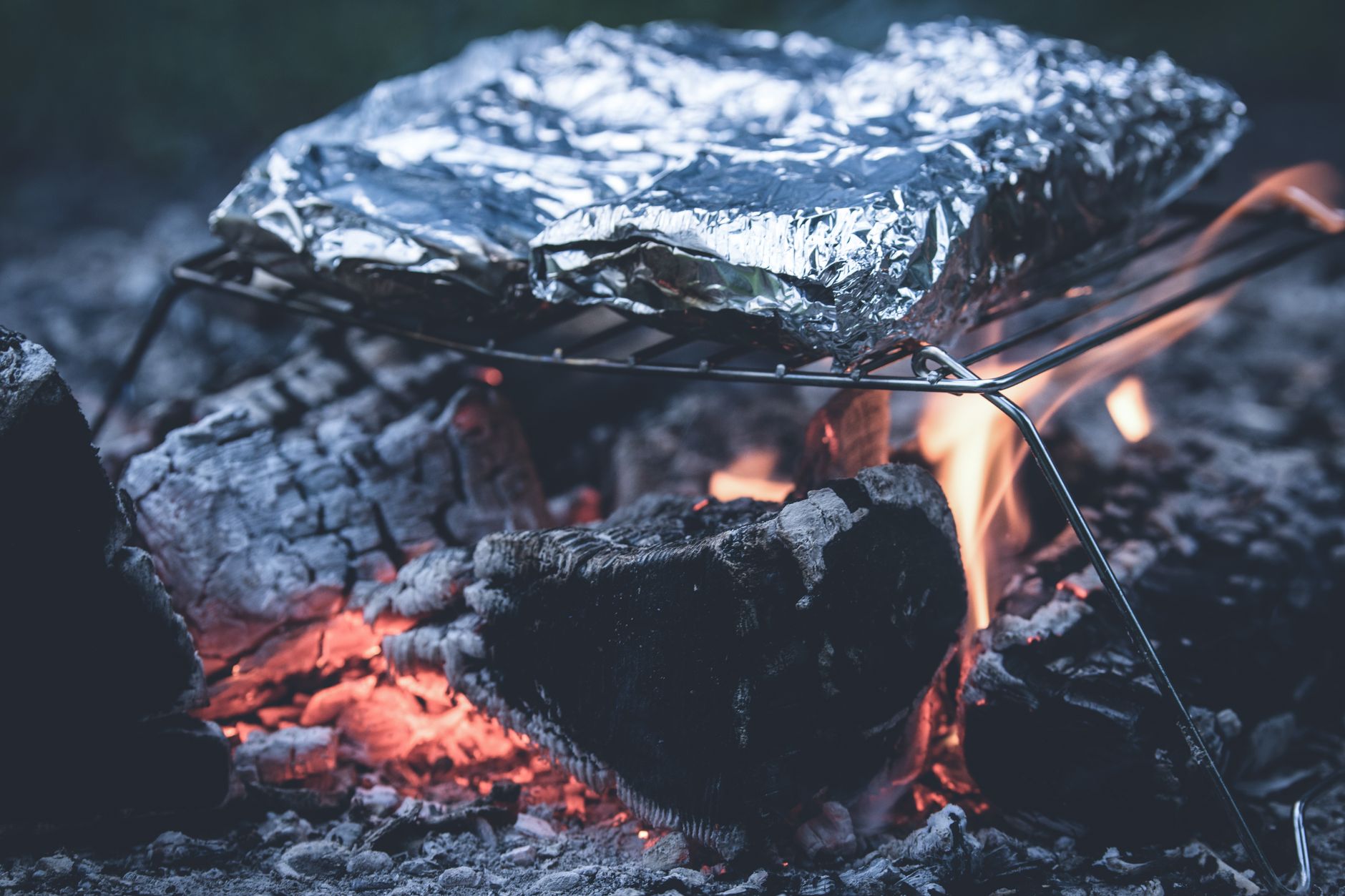
Should You BBQ Fish in Foil? A Comprehensive Guide
BBQing fish in foil is generally a great method for achieving moist, flavorful results, particularly for delicate fish, but it’s not always the best choice. Consider fish type, desired texture, and alternative cooking methods.
The Allure of Foil-Wrapped Fish: A Background
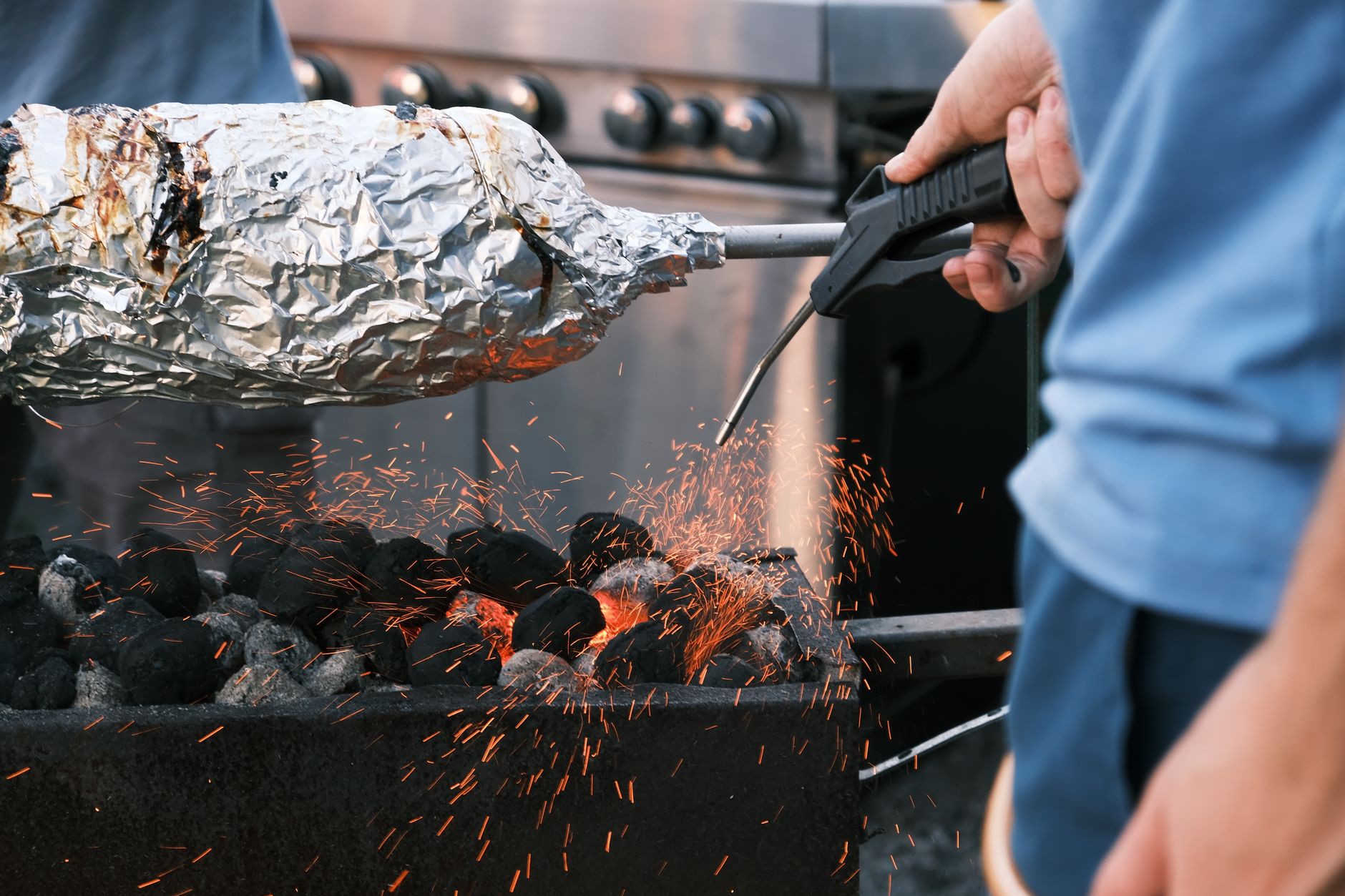
Barbecuing fish can be intimidating. The delicate flesh easily sticks to the grill, resulting in a frustrating and messy experience. Foil offers a convenient solution, creating a protective barrier that keeps the fish moist and prevents it from falling apart. This technique has gained immense popularity due to its simplicity and ability to infuse fish with delicious flavors. But should you BBQ fish in foil all the time? Let’s delve deeper.

Are fish heads good for the garden?
Can fish hear water?
What is cotton rot in fish?
What colours are fish most attracted to?
Benefits of BBQing Fish in Foil

Using foil when grilling fish presents several advantages:
- Moisture Retention: Foil traps steam and natural juices, keeping the fish incredibly moist and tender. This is particularly beneficial for leaner fish like cod or tilapia that tend to dry out quickly on the grill.
- Flavor Infusion: The foil packet allows you to add herbs, spices, vegetables, and sauces directly with the fish, creating a flavorful steam bath. The flavors meld beautifully, resulting in a more complex and aromatic dish.
- Easy Cleanup: Foil significantly reduces cleanup time. Simply discard the foil after cooking, leaving your grill relatively clean.
- Preventing Sticking: As mentioned, the foil creates a barrier between the fish and the grill grates, preventing sticking and ensuring that the fish stays intact.
- Portion Control: Individual foil packets are perfect for portion control, allowing you to cook and serve individual servings easily.
Choosing the Right Fish for Foil BBQ
While many types of fish can be grilled in foil, some are better suited for the method than others.
- Excellent Choices: Salmon, cod, tilapia, sea bass, trout, and halibut are all fantastic choices. Their delicate textures benefit from the moisture-retaining properties of foil.
- Considerations: For firmer fish like tuna or swordfish, grilling directly on the grates might be preferable to achieve a nice sear and smoky flavor. However, even these fish can be cooked in foil with excellent results, especially if you’re aiming for maximum tenderness.
- Fish to Avoid: Very thin fillets, such as flounder, might overcook too quickly in foil.
The Foolproof Process: How to BBQ Fish in Foil
Here’s a step-by-step guide to successfully barbecue fish in foil:
- Prepare the Grill: Preheat your grill to medium heat (around 350-400°F or 175-205°C).
- Prepare the Foil: Cut a large sheet of heavy-duty aluminum foil, large enough to completely enclose the fish and your desired accompaniments.
- Season and Arrange: Place the fish in the center of the foil. Season generously with salt, pepper, and any other desired herbs and spices.
- Add Flavors: Add vegetables like sliced lemons, onions, peppers, or asparagus. Drizzle with olive oil or melted butter. You can also add a splash of white wine or a squeeze of lemon juice.
- Seal the Packet: Bring the long sides of the foil together and fold them over several times to create a tight seal. Fold in the ends to completely enclose the fish. Ensure there are no gaps that would allow steam to escape.
- Grill the Packet: Place the foil packet directly on the preheated grill grates.
- Cook Time: Cooking time will vary depending on the thickness of the fish and the temperature of your grill. As a general guideline, cook for 10-15 minutes. Fish is done when it flakes easily with a fork.
- Check for Doneness: Carefully open the foil packet (watch out for escaping steam!). Check the internal temperature of the fish with a thermometer. It should reach 145°F (63°C).
- Serve Immediately: Carefully transfer the cooked fish and vegetables to a plate and serve immediately.
Common Mistakes and How to Avoid Them
Even with a straightforward process, mistakes can happen. Here’s how to sidestep common pitfalls:
- Using Thin Foil: Opt for heavy-duty aluminum foil to prevent tearing and leakage. Double-layering regular foil is also an option.
- Overcrowding the Packet: Don’t overcrowd the foil packet with too many vegetables or ingredients. This can result in uneven cooking.
- Overcooking: Overcooked fish is dry and tough. Check for doneness regularly by gently flaking the fish with a fork.
- Under-Seasoning: Fish needs to be seasoned generously to bring out its natural flavors. Don’t be afraid to experiment with different herbs, spices, and sauces.
- Not Sealing the Packet Properly: A properly sealed packet is crucial for trapping steam and ensuring even cooking. Double-check the folds to ensure they are tight.
Beyond Foil: Alternative BBQ Techniques for Fish
While foil is a popular choice, it’s not the only way to barbecue fish. Here are some alternatives:
- Direct Grilling: Grilling fish directly on the grates can impart a smoky flavor and create a crispy skin. Use a fish basket or grill pan to prevent sticking.
- Cedar Plank Grilling: Soaking a cedar plank in water and then grilling the fish on the plank infuses it with a subtle, woody aroma.
- Smoking: Smoking fish over low heat imparts a deep, smoky flavor. This method requires a smoker or a grill with a smoking box.
The Environmental Considerations of Aluminum Foil
While convenient, aluminum foil production has environmental impacts. Consider these points:
- Production Energy: Aluminum production requires significant energy.
- Recycling: Aluminum foil is recyclable, but it needs to be clean. Food residue can contaminate recycling batches.
- Alternatives: Consider reusable alternatives like silicone baking mats or parchment paper for some applications.
Comparing BBQ Fish Methods
| Method | Pros | Cons | Best For |
|---|---|---|---|
| Foil | Moist, flavorful, easy cleanup, prevents sticking | Less smoky flavor, potential environmental concerns with aluminum foil | Delicate fish, beginners |
| Direct Grilling | Smoky flavor, crispy skin | Requires skill to prevent sticking, can dry out easily | Firmer fish, experienced grillers |
| Cedar Plank | Infuses a woody aroma, prevents sticking | Requires soaking the plank, can be more expensive than foil | Salmon, white fish |
| Smoking | Deep, smoky flavor | Requires specialized equipment, longer cooking time | Fatty fish like salmon and mackerel |
Should you BBQ fish in foil? Ultimately, the choice is yours.
The decision of should you BBQ fish in foil? depends on your preferences, the type of fish you’re cooking, and your desired outcome. While foil offers numerous benefits, exploring alternative methods can expand your culinary horizons and enhance your grilling skills. Experiment and discover what works best for you!
Frequently Asked Questions (FAQs)
Is it safe to BBQ fish in foil?
Yes, BBQing fish in foil is generally safe, provided you use proper techniques. Ensure the foil is heavy-duty or double-layered to prevent tearing, and avoid using acidic marinades in direct contact with the foil for extended periods, as this could leach small amounts of aluminum into the food.
What temperature should I BBQ fish in foil?
The ideal temperature for BBQing fish in foil is medium heat, around 350-400°F (175-205°C). This allows the fish to cook evenly without drying out or burning. Use a grill thermometer to ensure accurate temperature control.
How long should I BBQ fish in foil?
Cooking time varies based on the thickness of the fish. A general guideline is 10-15 minutes. Check for doneness by flaking the fish with a fork; it should be opaque and easily separated.
Can I use parchment paper instead of foil?
Yes, parchment paper is a great alternative to foil. It’s oven-safe and prevents sticking. Make sure to seal the parchment paper packet tightly to retain moisture.
What are the best vegetables to BBQ with fish in foil?
Excellent vegetable choices include sliced lemons, onions, bell peppers, asparagus, zucchini, and cherry tomatoes. These vegetables complement the flavor of the fish and add moisture to the packet.
Can I add sauces to the foil packet?
Absolutely! Adding sauces like teriyaki sauce, pesto, or a simple butter-lemon sauce can enhance the flavor of the fish. Avoid using highly acidic sauces directly on the foil for prolonged periods.
How do I prevent the fish from sticking to the foil?
Lightly grease the foil with olive oil or cooking spray before placing the fish on it. This will help prevent sticking and make it easier to remove the cooked fish.
Is it necessary to flip the foil packet while BBQing?
Generally, it’s not necessary to flip the foil packet while BBQing fish in foil. The heat circulates within the packet, cooking the fish evenly.
Can I BBQ frozen fish in foil?
Yes, you can BBQ frozen fish in foil, but it will require a longer cooking time. Ensure the fish is completely thawed before cooking to ensure even cooking and prevent it from drying out.
What herbs and spices go well with BBQ fish in foil?
Popular choices include dill, parsley, thyme, rosemary, garlic powder, onion powder, paprika, and lemon pepper. Experiment with different combinations to find your favorite flavor profile.
How do I know when the fish is done?
The fish is done when it flakes easily with a fork and its internal temperature reaches 145°F (63°C). Use a food thermometer to confirm the internal temperature.
Should you BBQ fish in foil if you want crispy skin?
No, BBQing fish in foil generally doesn’t result in crispy skin. If crispy skin is desired, grilling directly on the grates or using a cedar plank is a better option. Foil is best suited for achieving moist and tender fish.