
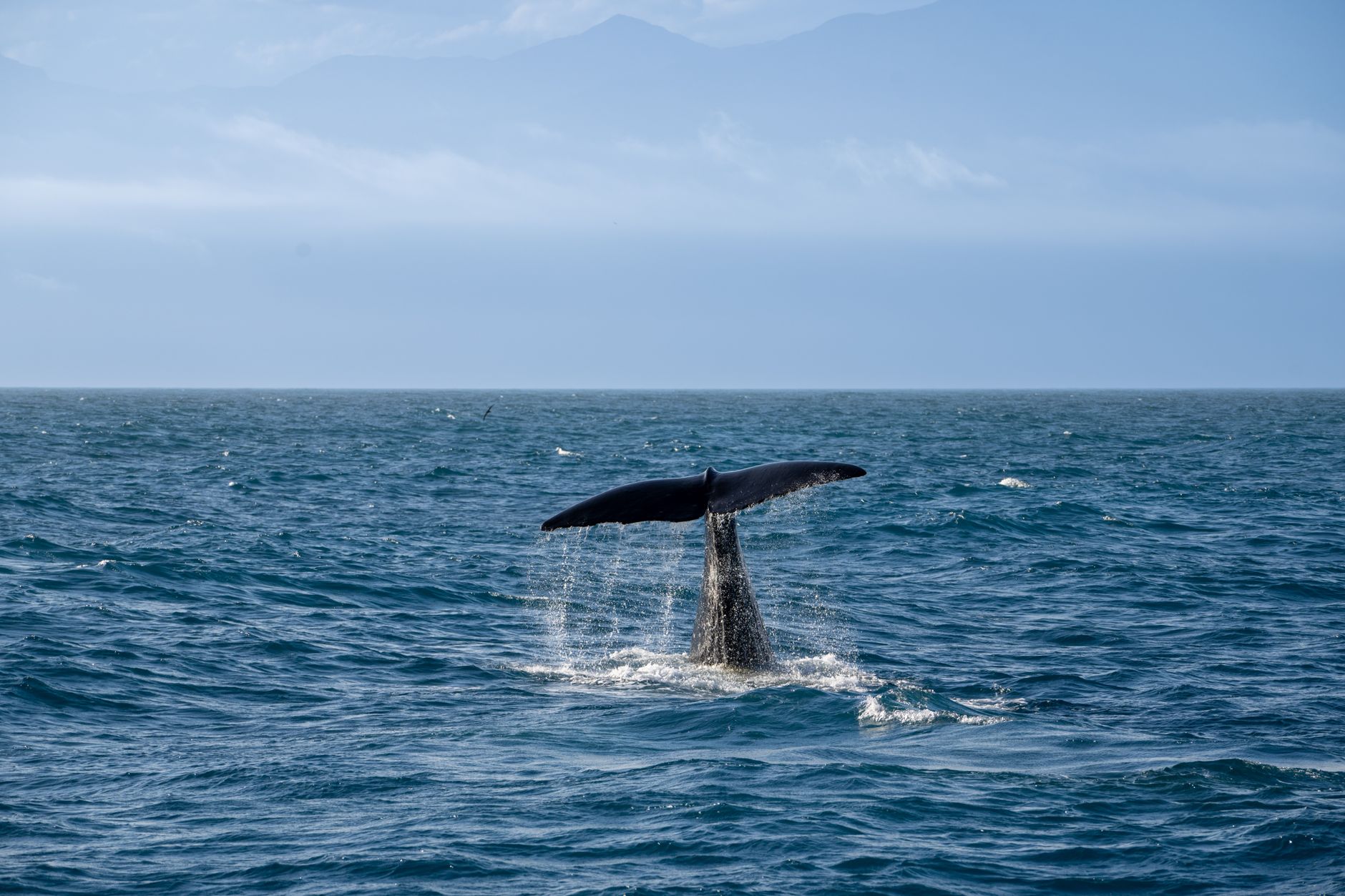
What Was the Largest Blue Whale Ever Killed? A Colossal Case Study
The largest blue whale ever reliably measured and killed was a female taken in 1926 in the Antarctic, measuring an astounding 33.58 meters (110 feet 2 inches). While other claims exist, this individual stands out as the best-documented and accepted example of extreme blue whale size.
Unveiling the Blue Whale: Giants of the Ocean
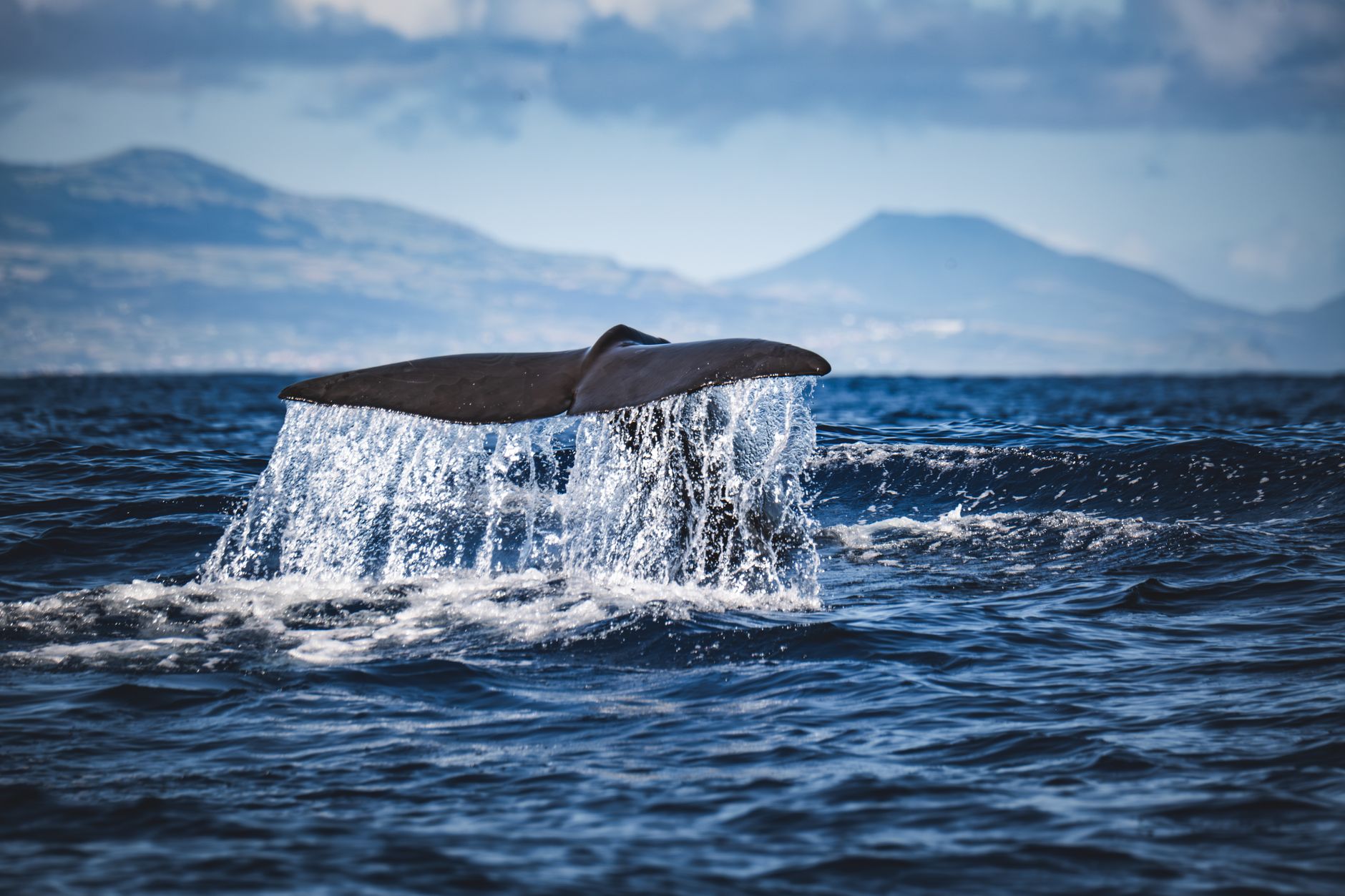
Blue whales (Balaenoptera musculus) are the largest animals on Earth, dwarfing even the biggest dinosaurs. These marine mammals are filter feeders, primarily consuming krill, and are found in oceans worldwide. Understanding their size is crucial for conservation efforts and appreciating their unique place in the ecosystem.
Is distilled water good for goldfish?
What colours are fish most attracted to?
Can you put your finger in a trout's mouth?
Does aquarium salt raise pH in aquarium?
The Era of Industrial Whaling and Giant Catches

The early 20th century witnessed a surge in industrial whaling, especially in the Antarctic. This period resulted in the documented killings of numerous blue whales, offering valuable, though ethically problematic, data on their size and anatomy. These records, though tragic, provide the basis for understanding the potential maximum size of these majestic creatures.
Measuring Giants: Challenges and Controversies
Accurately measuring a blue whale, especially one that has been killed and processed on a whaling ship, presents numerous challenges. Often, measurements were taken hastily and may have been inaccurate. Furthermore, claims of even larger whales exist, but lack sufficient corroborating evidence. Thus, the 33.58-meter whale remains the most reliably documented record.
The 1926 Antarctic Specimen: A Closer Look
The female blue whale killed in 1926 in the Antarctic stands out due to the relatively detailed records kept by the whaling company involved. Although the exact location within the Antarctic is not precisely pinpointed in available records, the evidence provided – including the length – remains the strongest supporting data for claiming her as the largest blue whale ever killed.
Conservation Implications: Why Size Matters
Understanding the size and health of blue whale populations is vital for conservation. Larger, healthier whales tend to be more reproductively successful. Data from historical whaling records, coupled with modern research techniques like satellite tagging and genetic analysis, helps scientists assess the current state of blue whale populations and implement effective protection strategies. Knowing what was the largest blue whale ever killed gives us a baseline for comparison.
Why Claims Vary: Questioning the Data
The data used to establish the length of blue whales killed by commercial whalers is sometimes questioned. One challenge is that these measurements weren’t always standardized, and can be viewed with suspicion. Therefore, although some claims may place the length of certain blue whales higher than the 1926 specimen, such data are often considered unreliable and unconfirmed.
Comparing Blue Whale Subspecies: Does Size Differ?
Blue whales are divided into several subspecies, including the Antarctic blue whale (Balaenoptera musculus intermedia), pygmy blue whale (Balaenoptera musculus brevicauda), and North Atlantic blue whale (Balaenoptera musculus musculus). The Antarctic subspecies is generally considered the largest, which is consistent with the 1926 record. Size variations do exist between populations.
The Impact of Whaling on Whale Size
Commercial whaling directly impacted the size distribution of blue whale populations. By selectively targeting the largest individuals, whalers likely removed the animals with the greatest reproductive potential and oldest age, leading to a shift towards smaller average sizes. Therefore, what was the largest blue whale ever killed reflects the historical context of whaling.
Modern Research Techniques: Unveiling New Insights
Modern research methods, such as photo-identification, acoustic monitoring, and genetic analysis, are providing new insights into blue whale populations and their behavior. These non-lethal techniques offer valuable data without harming the animals, contributing to a more sustainable approach to whale research and conservation. They are far more useful than knowing what was the largest blue whale ever killed.
The Future of Blue Whales: Conservation and Hope
Despite the devastating impact of whaling in the past, blue whale populations are slowly recovering in some areas. Ongoing conservation efforts, including protected areas, reduced ship speeds in critical habitats, and international agreements, offer hope for the future of these magnificent creatures.
Factors Affecting Blue Whale Size
Blue whale size is likely influenced by a combination of genetic factors, environmental conditions, and food availability. Access to abundant krill resources, especially during crucial feeding periods, is essential for growth and overall health. The availability of nutrients impacts the whale’s growth from birth.
The Role of Genetics in Blue Whale Growth
Genetics also play a role in determining the potential maximum size of blue whales. While environmental factors can influence growth, the underlying genetic blueprint sets the limits for how large an individual can become. More research is needed to fully understand the genetic basis of blue whale size variation.
Frequently Asked Questions about the Largest Blue Whale
What is the average size of a blue whale?
The average size of an adult blue whale is around 24-30 meters (79-98 feet). However, this can vary between subspecies and populations, with Antarctic blue whales typically being larger than those found in other regions.
Are there any reliable photographs or videos of the 33.58-meter blue whale?
Unfortunately, no photographs or videos specifically documenting the 33.58-meter blue whale from 1926 are known to exist. The information primarily comes from whaling records and measurements taken at the time.
How long do blue whales typically live?
Blue whales are believed to have a lifespan of around 80-90 years. Determining the exact age of a whale is challenging, but researchers use techniques such as examining earplugs for growth layers to estimate their age.
What is krill, and why is it important to blue whales?
Krill are small, shrimp-like crustaceans that form the primary food source for blue whales. These whales consume tons of krill daily to fuel their massive bodies. Any decline in krill populations can significantly impact blue whale survival.
Where are blue whales typically found?
Blue whales have a global distribution, inhabiting oceans from polar regions to tropical waters. They migrate seasonally between breeding and feeding grounds, often covering vast distances.
How do blue whales communicate with each other?
Blue whales communicate using low-frequency sounds that can travel hundreds of kilometers underwater. These complex vocalizations are used for various purposes, including attracting mates and coordinating feeding activities.
What are the main threats to blue whale populations today?
While whaling is no longer a major threat, blue whales still face numerous challenges, including ship strikes, entanglement in fishing gear, habitat degradation, and climate change impacts on krill populations.
How can individuals help protect blue whales?
Individuals can support blue whale conservation by reducing their carbon footprint, avoiding products that contribute to habitat destruction, and supporting organizations dedicated to whale research and protection.
What are some interesting facts about blue whales?
Blue whales have the loudest vocalizations of any animal on Earth. Their hearts are so large that a human could crawl through their arteries. They are also incredibly efficient swimmers, capable of reaching speeds of over 30 miles per hour.
How many blue whales are estimated to be alive today?
It is estimated that there are around 10,000 to 25,000 blue whales alive today. While this represents a significant recovery from the brink of extinction, the population is still considered endangered.
Are there ongoing efforts to monitor blue whale populations?
Yes, various organizations and research institutions are actively monitoring blue whale populations using techniques such as satellite tagging, acoustic monitoring, and photo-identification. These efforts provide valuable data on their distribution, behavior, and health.
What is the difference between a blue whale and other large whale species like fin whales or humpback whales?
Blue whales are the largest of all whales and have a distinct blue-gray coloration. Fin whales are also large, but slimmer and have a V-shaped head. Humpback whales are known for their elaborate songs and acrobatic displays, which blue whales do not exhibit. Also, unlike the fin and humpback, what was the largest blue whale ever killed was considerably longer than either whale species could ever reach.