

What Breed of Dogs Get Jealous? Jealousy in Canines Explained
Some dog breeds are more prone to exhibiting jealous behaviors than others, though it’s more a matter of individual personality and training than breed specifics; what breed of dogs get jealous? It’s more accurate to say that dogs with strong guarding instincts, high energy levels, or those poorly socialized are likelier to display jealousy.
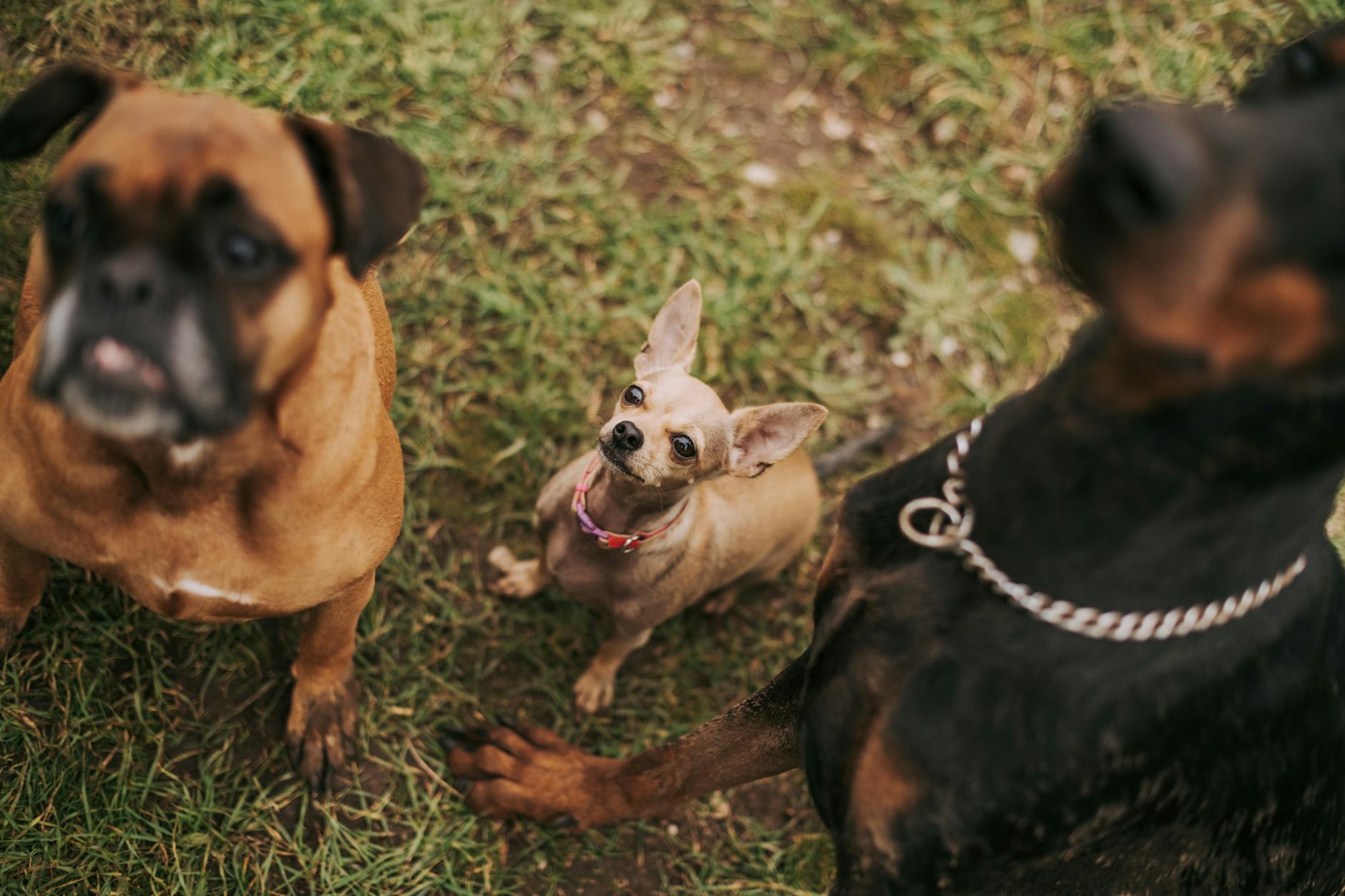
Understanding Canine Jealousy: More Than Just Green Eyes
Jealousy, as we understand it in humans, is a complex emotion. In dogs, what we perceive as jealousy is more likely a combination of resource guarding, possessiveness, and insecurity. These behaviors often manifest when a dog feels their access to attention, food, toys, or even their human companion is threatened. While any dog can exhibit these behaviors, certain factors make some more susceptible than others.

What is the GREY African clawed frog?
Is distilled water good for goldfish?
What colours are fish most attracted to?
Can you put your finger in a trout's mouth?
Factors Influencing Jealous Behavior

Several factors contribute to a dog’s likelihood of displaying what we interpret as jealous behavior:
- Breed Predisposition: While no breed is inherently jealous, some breeds are predisposed to traits that contribute to jealous-like behaviors.
- Individual Personality: Just like humans, dogs have distinct personalities. Some are naturally more possessive or anxious than others.
- Training and Socialization: Lack of proper training and socialization can exacerbate underlying insecurities, leading to heightened possessiveness.
- Past Experiences: A dog’s history, especially early experiences with resource scarcity or inconsistent attention, can significantly impact their behavior.
- Owner Behavior: Unintentional reinforcement of possessive behaviors, such as constantly coddling a dog when another person or animal is present, can inadvertently encourage jealousy.
Breeds Commonly Associated with Possessive Traits
While it’s important to reiterate that breed is not the sole determinant, some breeds are known for traits that can contribute to displays that we might interpret as jealousy:
- Terriers: Terriers, known for their tenacity and guarding instincts, may exhibit possessiveness over toys or their owners.
- Herding Breeds: Breeds like Border Collies and Australian Shepherds can become possessive of their “flock” (family members) due to their inherent herding instincts.
- Toy Breeds: Smaller breeds, such as Chihuahuas and Pomeranians, can sometimes develop possessiveness due to being overly coddled and lacking proper socialization.
Correcting and Managing Jealous Behavior
Addressing what looks like jealousy requires understanding the underlying cause and implementing consistent training strategies.
- Identify the Trigger: Determine what situations or stimuli elicit the behavior. Is it the presence of another dog, a new baby, or a specific person?
- Desensitization and Counter-Conditioning: Gradually expose your dog to the trigger while associating it with positive experiences (treats, praise).
- Positive Reinforcement Training: Reward calm and appropriate behavior in the presence of the trigger.
- Establish Clear Boundaries: Teach your dog basic obedience commands (sit, stay, leave it) and enforce them consistently.
- Consult a Professional: If the behavior is severe or you are struggling to manage it, seek guidance from a certified dog trainer or veterinary behaviorist.
The key is to create a secure and predictable environment where your dog feels confident and doesn’t perceive a threat to their resources or relationship with you. Addressing underlying anxiety or insecurity is crucial.
Common Mistakes to Avoid
- Punishment: Punishing your dog for jealous behavior will only increase their anxiety and likely worsen the problem.
- Ignoring the Behavior: Ignoring the behavior allows it to escalate and become more ingrained.
- Favoring the Trigger: Overly favoring the new person or animal in an attempt to appease your dog can inadvertently reinforce the jealous behavior.
- Inconsistency: Inconsistent rules and training can confuse your dog and hinder progress.
Frequently Asked Questions (FAQs)
What exactly does jealousy look like in dogs?
Jealousy in dogs manifests as a range of behaviors, including growling, snapping, barking, pushing or nudging, trying to get between you and another person or animal, and even displays of aggression. These behaviors are often triggered by a perceived threat to the dog’s resources or attention.
Is canine jealousy the same as human jealousy?
While the behaviors might appear similar, canine jealousy is likely rooted in more basic emotions like possessiveness, insecurity, and resource guarding, rather than the complex social and emotional understanding of human jealousy.
How can I tell if my dog is truly jealous or just acting out for attention?
Observe the context and the dog’s body language. Jealous behavior is often directed at a specific person or animal and is accompanied by signs of agitation or possessiveness. Attention-seeking behavior, on the other hand, is usually more general and aimed at eliciting a response from you.
Can neutering/spaying help with jealous behavior?
In some cases, neutering or spaying can reduce hormonally driven aggression or possessiveness, which might contribute to jealous behavior, especially in male dogs competing for attention. However, it’s not a guaranteed solution and should be considered in conjunction with training and behavior modification.
What is resource guarding and how does it relate to jealousy?
Resource guarding is when a dog becomes possessive of objects like food, toys, or their sleeping area. It’s a natural instinct, but it can manifest as jealous behavior when the dog feels threatened by someone approaching their valued resources.
Are some dog breeds more prone to jealousy than others?
While it’s more about individual personality, breeds with strong guarding instincts or high energy levels may be more prone to behaviors interpreted as jealousy. Examples include terriers, herding breeds, and some toy breeds.
My dog is jealous of my new baby. What can I do?
Prepare your dog for the baby’s arrival by gradually exposing them to baby-related sounds and smells. Always supervise interactions and ensure your dog still receives plenty of attention. Never punish your dog for being curious or approaching the baby, and consider seeking professional guidance.
How can I safely introduce a new pet to a jealous dog?
Introduce them slowly and gradually, allowing them to get used to each other’s scent before a face-to-face meeting. Supervise initial interactions and separate them when you’re not around. Provide equal attention to both pets and avoid favoring one over the other.
Is it ever too late to correct jealous behavior in a dog?
While it’s easier to address jealous behavior early on, it’s never truly too late. With patience, consistency, and professional guidance, you can often modify even deeply ingrained behaviors.
What are some signs that my dog’s jealous behavior is getting out of control?
Signs that the behavior is escalating include increased aggression, biting, excessive barking or growling, and generalized anxiety or fear. In these cases, seeking professional help from a veterinary behaviorist is crucial.
Can ignoring jealous behavior make it go away?
Ignoring can sometimes work if the behavior is solely attention-seeking. However, if it’s rooted in deeper insecurity or possessiveness, ignoring it can allow it to escalate. A proactive approach is generally more effective.
What kind of professional can help with jealous dog behavior?
A certified dog trainer or veterinary behaviorist can assess your dog’s specific situation and develop a tailored training plan to address the underlying causes of the jealous behavior. A veterinary behaviorist has specialized training in animal psychology and can also prescribe medication if needed.