

What Was the Giant Alligator Called? Legends and Lore
The most famous giant alligator never had an official name beyond being referred to as a “giant alligator” or “monster alligator.” However, local folklore and news stories often attribute names based on location or sensational details, resulting in various unofficial nicknames.
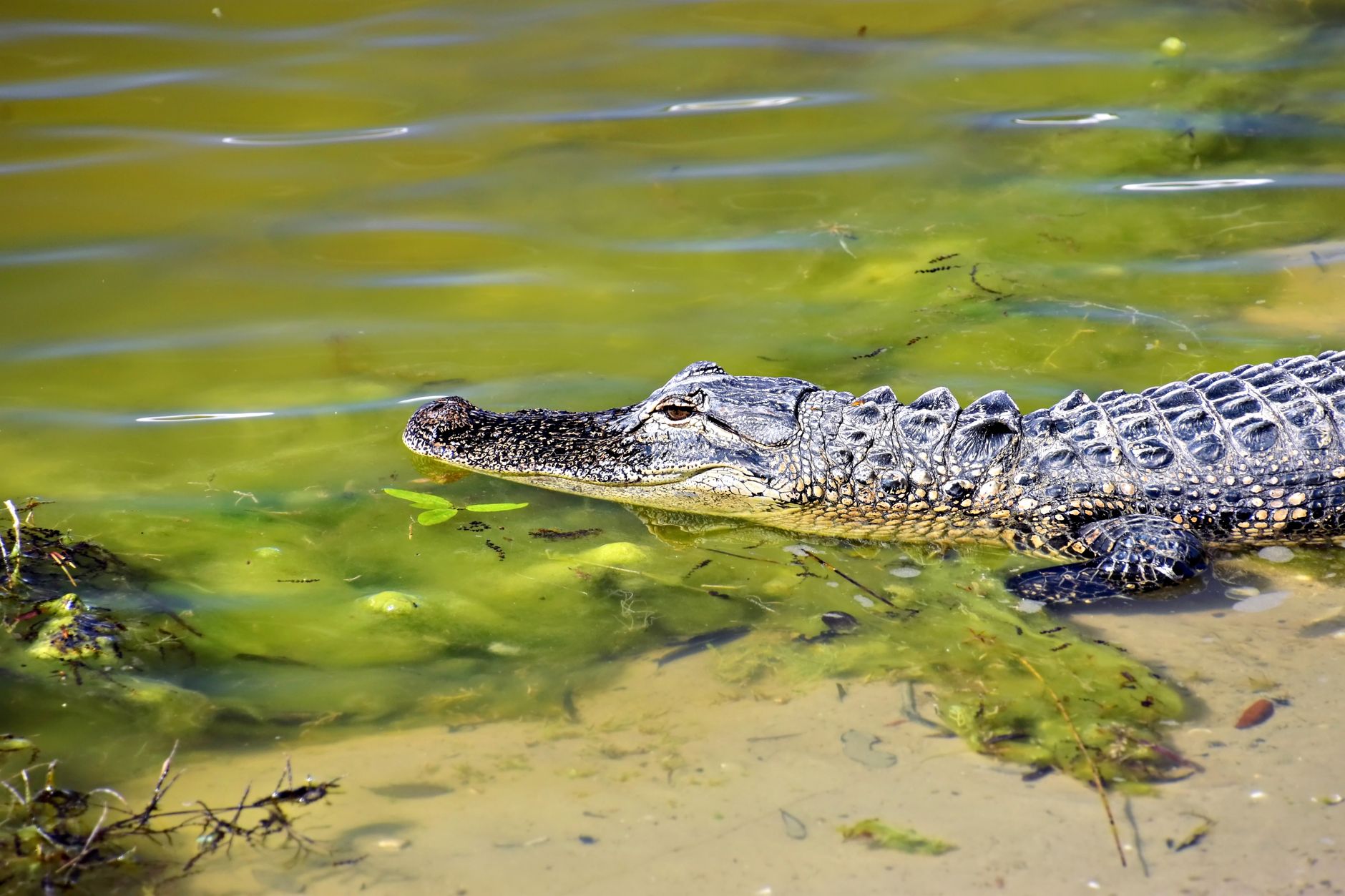
The Allure of Giant Alligators: Separating Fact from Fiction
Giant alligators have captured our imaginations for decades, fueled by sensational news reports and captivating (if often exaggerated) stories. But what was the giant alligator called, the one that inspired so much fear and wonder? The truth is, most ‘giant alligators’ don’t have official names. Instead, they are often nicknamed by locals and media outlets based on their perceived size, location, or the circumstances of their discovery. This fascination stems from our innate interest in the extremes of nature, and the occasional blurring of lines between documented reality and urban legends.

Is distilled water good for goldfish?
What colours are fish most attracted to?
Can you put your finger in a trout's mouth?
Is methylene blue anti bacterial?
The Reality of Alligator Size

While tales of alligators reaching enormous lengths abound, it’s important to understand the biological limits of these reptiles. American alligators (Alligator mississippiensis) can grow to impressive sizes, but their growth rate slows significantly as they age.
- Average Size: Male alligators typically reach lengths of 11 to 15 feet, while females are generally smaller, ranging from 8 to 10 feet.
- Record-Breaking Size: The largest verified alligator on record measured over 19 feet in length.
- Growth Factors: Factors such as diet, habitat, and genetics play a role in determining an alligator’s maximum size.
How Legends are Born: Exaggeration and Misidentification
Many alleged sightings of ‘giant’ alligators are based on misidentification or simple exaggeration. A large alligator in the distance can easily appear much larger than it actually is. Furthermore, the emotional impact of encountering a large predator can significantly influence perceptions of size.
Consider these common contributing factors:
- Optical Illusions: Water distortion and limited visibility can make alligators appear larger than they are.
- Unreliable Measurements: Estimating the size of an alligator without precise measuring tools is prone to error.
- Storytelling Tendencies: Human nature often leans towards embellishment, especially when recounting exciting or frightening experiences.
Notable Alligators and Their Unofficial Names
While no definitive name exists for the giant alligator, several individual alligators have gained notoriety and been bestowed with unofficial titles. These alligators usually garner attention due to their size, unusual behavior, or the circumstances surrounding their capture or death. Let’s examine a few examples:
| Alligator Nickname | Location | Key Features/Circumstances |
|---|---|---|
| “Humpback” | Florida | Large size, distinctive hump on its back |
| “Lumberjack” | South Carolina | Captured after killing a lumberjack’s dog |
| “The Gator of Lake X” | Fictional Lake | Large size and aggressive behaviour (Film) |
Understanding the Fear Factor
The fear associated with giant alligators is deeply rooted in our primal instincts. As apex predators, alligators are capable of inflicting serious harm, and their presence in shared environments can understandably generate anxiety.
- Predator-Prey Dynamic: Humans, while not a primary food source for alligators, are still viewed as potential threats, especially in situations where alligators have lost their fear of humans due to feeding.
- Protecting Habitats: It is important to respect the habitats where alligators reside.
Coexistence: Respecting Alligators and Their Environment
Rather than succumbing to fear and sensationalism, it is crucial to promote coexistence between humans and alligators. This involves educating the public about alligator behavior, practicing responsible interaction, and ensuring that these vital creatures are respected and protected. We should be asking What was the giant alligator called? less often, and instead focusing on conservation efforts.
- Never Feed Alligators: Feeding alligators encourages them to associate humans with food, leading to dangerous encounters.
- Maintain a Safe Distance: Avoid approaching alligators, especially in areas where they are known to congregate.
- Report Problem Alligators: Contact local wildlife authorities if you encounter an alligator that exhibits aggressive behavior or poses a threat to public safety.
Dispelling Common Myths
Many misconceptions surround alligators, particularly regarding their behavior and potential danger to humans. Let’s debunk a few common myths:
- Myth: Alligators are constantly on the hunt for human prey.
- Fact: Alligators primarily feed on fish, turtles, birds, and other animals. Human encounters are rare and typically occur when alligators are provoked or feel threatened.
- Myth: Alligators are aggressive and unpredictable.
- Fact: Alligators are generally shy and prefer to avoid human contact. They may become aggressive if they feel threatened or if they have been fed by humans.
- Myth: Alligators are mindless killing machines.
- Fact: Alligators are intelligent creatures with complex social behaviors. They play a vital role in maintaining the ecological balance of their habitats.
Frequently Asked Questions About Giant Alligators
Are there really alligators as big as cars?
While alligators can grow to be quite large, the size of a car is a significant exaggeration. The largest verified alligator measured just over 19 feet. Reports of alligators the size of cars are usually the result of misidentification, exaggeration, or urban legends.
What is the biggest alligator ever recorded?
The largest officially recorded alligator was over 19 feet long and was found in Louisiana. However, stories of larger alligators persist, although these claims lack verifiable documentation.
Where are the most giant alligators found?
Giant alligators are most commonly found in the southeastern United States, particularly in states like Florida, Louisiana, and Georgia. These regions offer the warm climates and abundant wetlands that alligators need to thrive.
How old does an alligator have to be to become a giant?
Alligators can live for 50 years or more, with some individuals potentially reaching 70 to 80 years in the wild. Reaching truly exceptional sizes requires many years, if not decades, of sustained growth and access to ample resources.
Do alligators continue to grow throughout their lives?
While alligators experience their most rapid growth during their younger years, they do continue to grow throughout their lives, although at a much slower rate as they reach maturity.
What do giant alligators eat?
Giant alligators have a varied diet that can include fish, turtles, snakes, birds, and even larger mammals like deer or wild hogs. The larger the alligator, the larger the prey it can consume.
Are giant alligators dangerous to humans?
While alligator attacks on humans are rare, giant alligators are certainly capable of inflicting serious harm. It is crucial to maintain a safe distance and avoid provoking these powerful predators.
What should I do if I encounter a giant alligator?
If you encounter a giant alligator, remain calm and slowly back away. Avoid making sudden movements or loud noises that could startle the alligator. Report the sighting to local wildlife authorities.
What is the difference between an alligator and a crocodile?
Alligators and crocodiles are both large reptiles, but they have several key differences. Alligators have a broader, U-shaped snout, while crocodiles have a narrower, V-shaped snout. Additionally, when an alligator closes its mouth, its lower teeth are not visible, whereas a crocodile’s lower teeth are visible.
Are alligators protected by law?
In many areas, alligators are protected by law to ensure their populations remain healthy and sustainable. These regulations often include restrictions on hunting and habitat destruction.
Is it safe to swim in areas where alligators live?
Swimming in areas where alligators live carries a potential risk. It’s best to swim only in designated swimming areas that are regularly monitored for alligator activity. Avoid swimming at dawn or dusk, when alligators are most active.
Why are people so fascinated by giant alligators?
The fascination with giant alligators likely stems from a combination of fear, respect, and a sense of wonder. These magnificent creatures represent the power and untamed beauty of nature, reminding us of the wild world that still exists alongside our own. While we may wonder, “What was the giant alligator called?“, it is important to remember to respect these amazing animals.