

Are Coyotes Indigenous to Georgia? Unveiling the Truth About the Peach State’s Wild Canids
While coyotes are now a common sight in Georgia, the answer to Are coyotes indigenous to Georgia? is definitively no. They are relatively recent arrivals, expanding their range eastward in the 20th and 21st centuries.

The Coyote’s Western Origins and Eastern Expansion
Coyotes ( Canis latrans) are native to North America, primarily to the western and central regions of the continent. Historically, their range was largely confined to areas west of the Mississippi River. However, significant changes in land use, predator control efforts targeting wolves, and other environmental factors allowed coyotes to expand their territory dramatically. This expansion, particularly eastward, is a testament to their adaptability and resilience.
What colours are fish most attracted to?
Can you put your finger in a trout's mouth?
Is methylene blue anti bacterial?
Does aquarium salt raise pH in aquarium?
Factors Contributing to Coyote Range Expansion
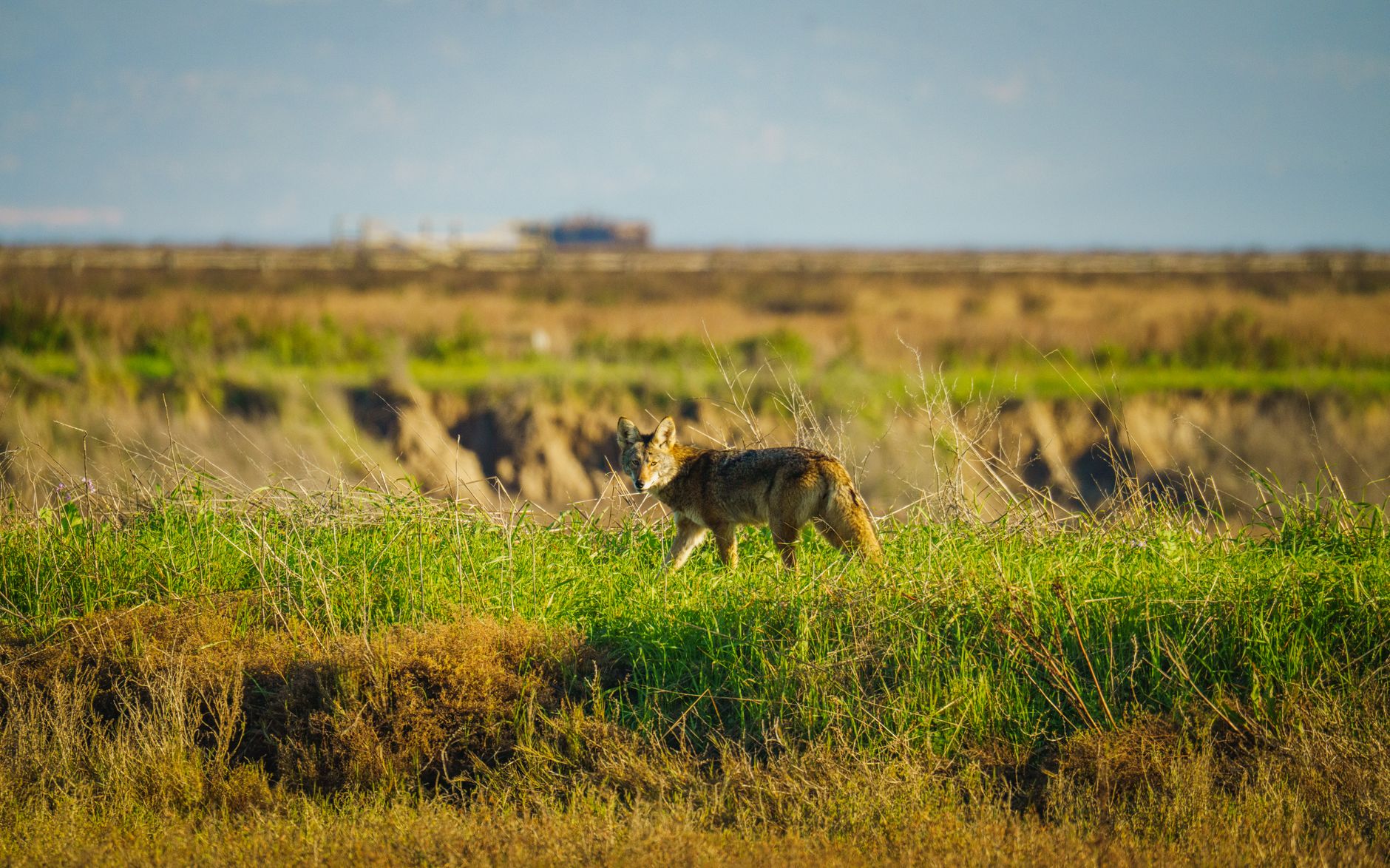
Several key factors fueled the coyote’s remarkable expansion across North America, including their eventual presence in Georgia:
- Wolf Depletion: The decimation of wolf populations, historically apex predators that competed with coyotes, removed a significant check on coyote numbers and allowed them to thrive in new areas.
- Habitat Fragmentation: As forests were cleared for agriculture and development, the landscape became fragmented, creating edge habitats that coyotes prefer. These areas provide a mix of cover and open hunting grounds.
- Adaptability and Diet: Coyotes are incredibly adaptable animals. They can thrive in a wide range of habitats, from forests and grasslands to suburban and even urban environments. Their opportunistic diet, which includes everything from small mammals and birds to fruits and insects, allows them to survive in diverse ecological niches.
- Human Activity: Unintentional or intentional feeding of coyotes, along with the presence of readily available food sources in human-modified landscapes (e.g., garbage, pet food), contributed to their success in colonizing new territories.
Coyotes in Georgia: A Relatively Recent Arrival
While archaeological evidence confirms the presence of Canis species in Georgia for millennia, these remains are primarily attributed to wolves and other canids, not coyotes. Coyotes only began appearing in Georgia in significant numbers in the latter half of the 20th century. Their arrival is a direct result of the broader range expansion described above.
The Impact of Coyotes on Georgia’s Ecosystem
The introduction of coyotes to Georgia’s ecosystem has had several notable impacts:
- Predation on Native Wildlife: Coyotes prey on a variety of native species, including deer fawns, wild turkeys, rabbits, and rodents. This predation can impact the populations of these prey species, particularly in areas where coyotes are abundant.
- Competition with Other Predators: Coyotes compete with other predators, such as foxes and bobcats, for food resources. This competition can affect the distribution and abundance of these native predators.
- Potential Impact on Livestock: In some areas, coyotes may prey on livestock, such as chickens, sheep, and goats, leading to conflicts with farmers.
- Hybridization with Wolves: In some parts of North America, coyotes have hybridized with wolves, resulting in coywolf hybrids. This phenomenon is less common in Georgia but remains a possibility.
Identifying Coyotes in Georgia
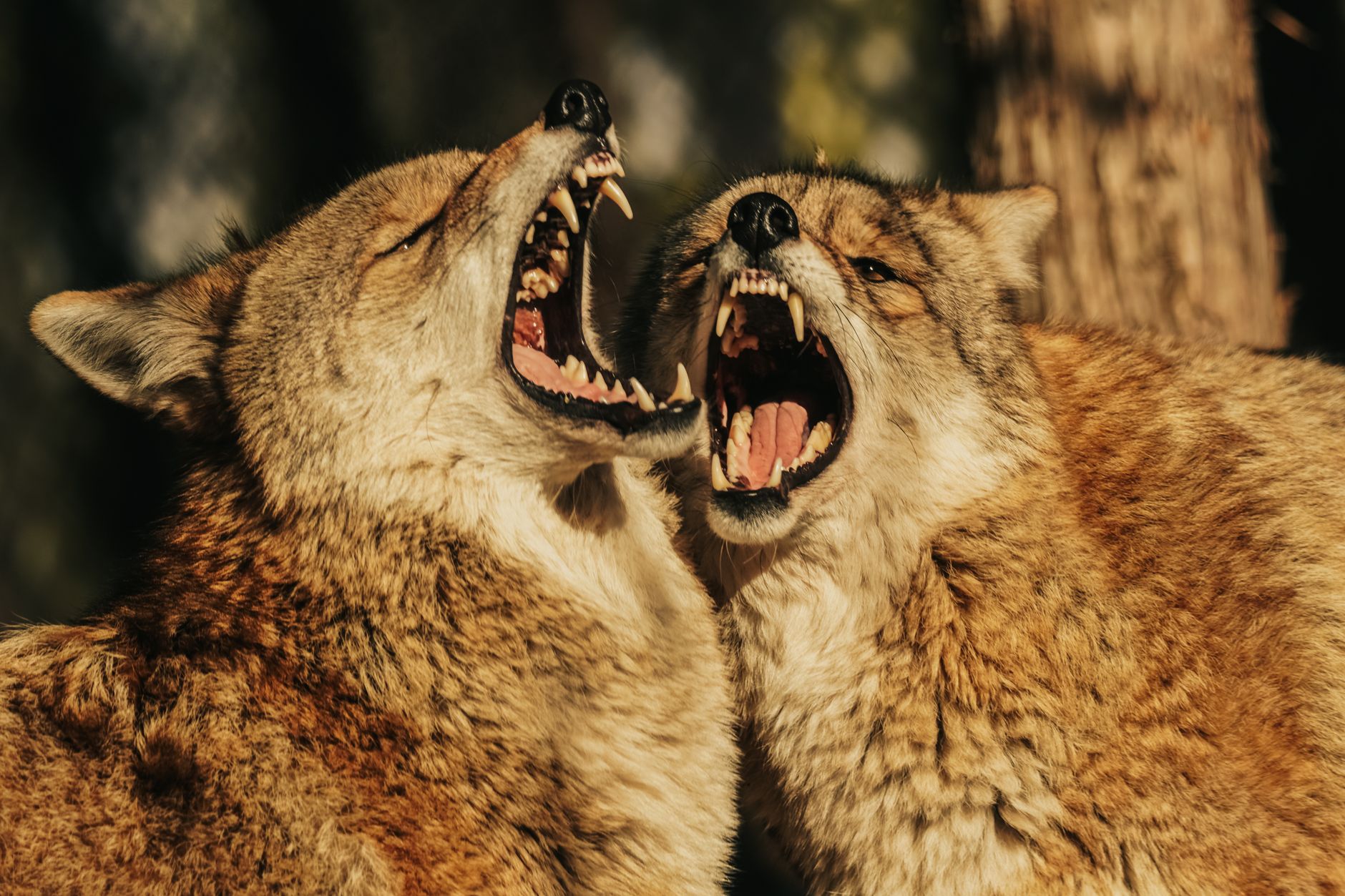
Coyotes are medium-sized canids, typically weighing between 20 and 50 pounds. They have a slender build, a bushy tail that is held down when running, and pointed ears. Their coat color can vary, but is typically a mix of gray, brown, and red. Coyotes can be distinguished from wolves by their smaller size and more slender build.
Frequently Asked Questions (FAQs)
How did coyotes get to Georgia?
Coyotes expanded their range naturally from their native western habitats, moving eastward across the continent. This migration was facilitated by habitat changes, declining wolf populations, and their own adaptability. While some translocation (moving animals from one area to another) may have happened in some areas, the primary method has been natural migration.
Are coyotes protected in Georgia?
Coyotes are classified as unprotected animals in Georgia. This means that there are no closed seasons or bag limits for hunting or trapping them on private land with the landowner’s permission. Local ordinances may have additional restrictions, so it’s important to check with local authorities.
What should I do if I encounter a coyote in my yard?
If you encounter a coyote, it’s important to remain calm. Make yourself look large and make loud noises, such as shouting or clapping your hands. You can also throw objects at the coyote. Never run away, as this may trigger their predatory instincts. Report any aggressive or unusually bold behavior to your local animal control or wildlife authorities.
Do coyotes pose a threat to humans?
Coyote attacks on humans are rare, but they can occur, especially if the coyote is habituated to humans or feels threatened. Never feed coyotes, as this can cause them to lose their fear of humans. Keep pets indoors or on a leash, especially during dawn and dusk, when coyotes are most active.
What do coyotes eat in Georgia?
Coyotes are opportunistic omnivores, meaning they eat a wide variety of foods. Their diet in Georgia includes small mammals (such as rabbits and rodents), birds, insects, fruits, berries, and carrion (dead animals). They may also prey on livestock or pets if given the opportunity.
How can I keep coyotes away from my property?
There are several things you can do to deter coyotes from your property. These include:
- Eliminating food sources: Secure garbage cans, clean up spilled pet food, and pick up fallen fruit from trees.
- Making your property less attractive: Trim shrubs and bushes to reduce hiding places, install motion-activated lights, and fence in your yard.
- Hazing: If you see a coyote on your property, haze it by making loud noises, spraying it with a hose, or throwing objects at it.
Are coyotes beneficial to the ecosystem?
While their arrival has caused some ecological shifts, coyotes also play a role in regulating populations of other animals, such as rodents and rabbits. As apex predators, they help maintain ecosystem balance, even though they weren’t historically part of the Georgian landscape.
Do coyotes travel in packs in Georgia?
Coyotes can be solitary or live in family groups (packs), depending on the availability of resources and the time of year. During the breeding season (typically in winter), coyotes form pairs and establish territories. The size and structure of a coyote pack can vary.
Where are coyotes most commonly found in Georgia?
Coyotes can be found in virtually every county in Georgia. They are adaptable and can thrive in a variety of habitats, including forests, grasslands, and suburban areas.
What time of day are coyotes most active?
Coyotes are crepuscular, meaning they are most active during dawn and dusk. However, they can be active at any time of day, especially in areas where they are not heavily disturbed by humans.
How long do coyotes live?
The lifespan of a coyote in the wild is typically 6 to 8 years, although they can live longer in captivity. Factors such as disease, starvation, and hunting pressure can affect their lifespan.
Are there any programs to manage coyote populations in Georgia?
The Georgia Department of Natural Resources (DNR) does not have a specific program to actively manage coyote populations. Because they are considered unprotected, landowners and hunters are responsible for managing coyotes on their property. The DNR offers information and resources on coyote biology and management.