
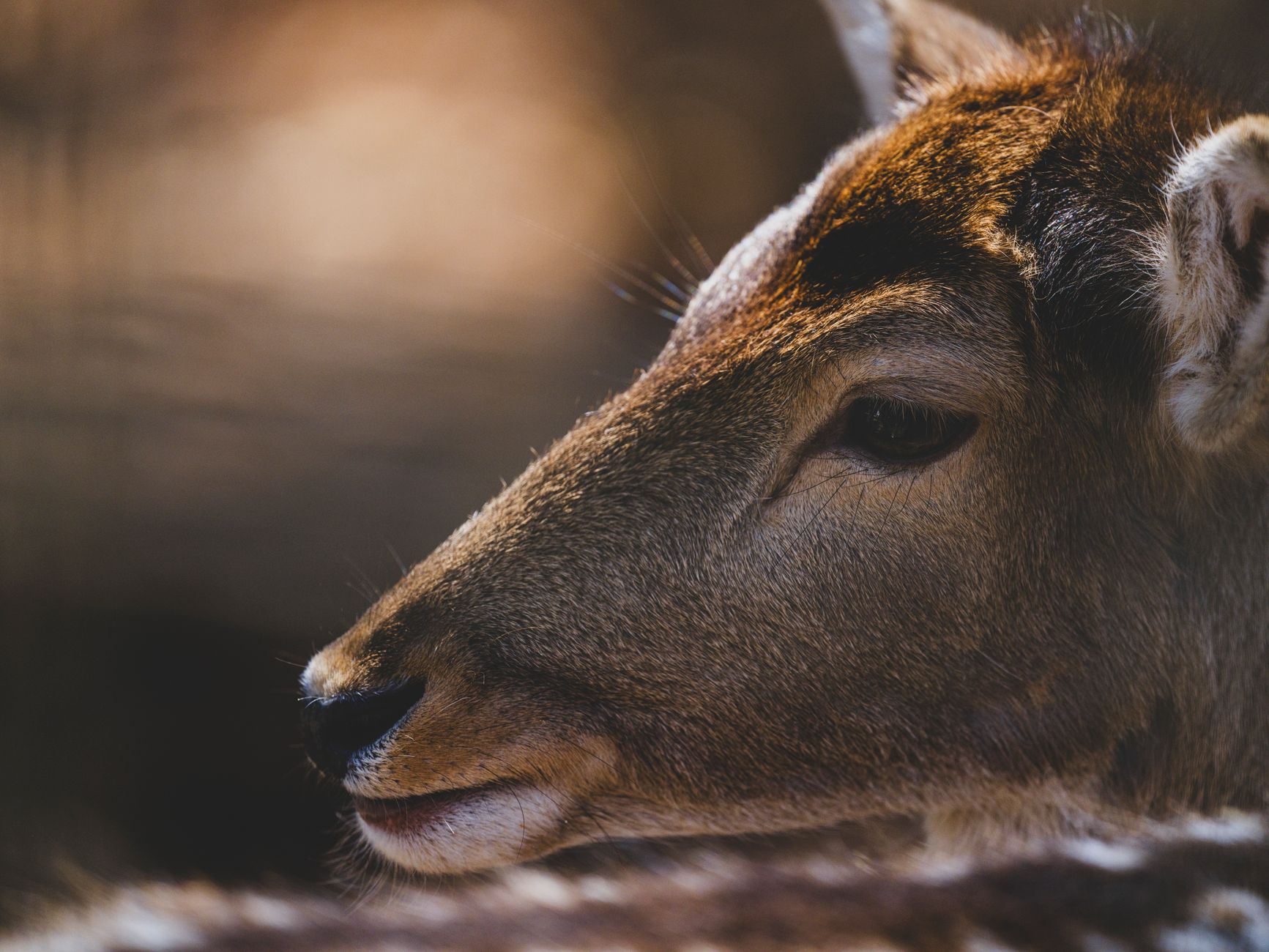
What to Do If You Shoot a Deer with CWD: A Comprehensive Guide
If you shoot a deer suspected of having Chronic Wasting Disease (CWD), do not consume the meat. Immediately contact your local wildlife agency for instructions on proper handling, testing, and disposal to prevent further spread of the disease.

Chronic Wasting Disease (CWD) is a serious concern for deer populations and hunters alike. This debilitating and fatal neurological disease, affecting cervids like deer, elk, and moose, is caused by misfolded proteins called prions. Knowing what to do if you shoot a deer with CWD is crucial for responsible hunting and disease management. This article provides a comprehensive guide to navigating this complex issue.
Understanding Chronic Wasting Disease
CWD is a transmissible spongiform encephalopathy (TSE), similar to mad cow disease in cattle or scrapie in sheep. It attacks the brain and nervous system, causing animals to become emaciated, display abnormal behavior, and eventually die. The disease spreads through direct animal-to-animal contact or indirectly through contaminated environments (e.g., soil, saliva, feces).

What colours are fish most attracted to?
Can you put your finger in a trout's mouth?
Is methylene blue anti bacterial?
Does aquarium salt raise pH in aquarium?
Identifying Potential CWD Symptoms

While the only definitive way to confirm CWD is through laboratory testing, several visible symptoms may raise suspicion:
- Drastic weight loss (emaciation)
- Drooping head or ears
- Excessive salivation
- Lack of coordination
- Listlessness or apathy
- Increased thirst and urination
It’s important to note that many deer with CWD may not show obvious symptoms, especially in the early stages of infection. This is why testing is so vital.
Steps to Take Immediately After Harvesting a Deer
Regardless of whether you suspect CWD, it’s crucial to handle harvested deer with care to minimize potential risks. What to do if you shoot a deer with CWD? Here’s a step-by-step guide:
- Wear gloves: Always wear disposable gloves when handling a deer carcass.
- Minimize contact with brain and spinal tissues: Avoid sawing through the skull or spinal column.
- Clean and disinfect tools: Thoroughly clean and disinfect all knives and equipment used during processing with a solution of 50% bleach and 50% water.
- Dispose of carcass properly: Contact your local wildlife agency for guidance on appropriate carcass disposal methods. They may recommend double-bagging the carcass and disposing of it in a designated landfill or incinerator.
Testing Your Deer for CWD
Testing is the only way to definitively determine if a deer has CWD. Many states offer free or low-cost testing programs.
- Contact your state wildlife agency: They can provide information on testing locations and procedures.
- Follow testing instructions carefully: This typically involves submitting a sample of lymph nodes or brainstem tissue.
- Wait for test results: It can take several weeks to receive test results.
Safe Handling Practices
Minimizing exposure to CWD prions is crucial, even if you don’t suspect the deer is infected.
- Avoid consuming deer that appear sick or emaciated.
- Take extra precautions when field dressing.
- Cook venison to a safe internal temperature (165°F).
- Don’t use household knives and utensils to butcher wild game. Dedicate separate tools for this purpose.
Carcass Disposal Options
Proper carcass disposal is essential to prevent the spread of CWD.
| Disposal Method | Description | Advantages | Disadvantages |
|---|---|---|---|
| Designated Landfill | Double-bagging the carcass and disposing of it in a designated landfill. | Prevents environmental contamination. | May require transportation and landfill acceptance. |
| Incineration | Burning the carcass at high temperatures in an incinerator. | Effectively destroys prions. | Limited availability, may be costly. |
| Burial (Deep Burial) | Burying the carcass at least 6 feet deep in a location away from water sources. | Can be done on private property (check local regulations). | Requires significant effort, potential for groundwater contamination if done incorrectly. |
| Composting | Composting under carefully controlled conditions that maintain high temperatures for extended periods. | Can be environmentally friendly, produces useful compost. | Requires special equipment and expertise, may not be suitable for all areas. |
State and Local Regulations
CWD regulations vary widely by state and even county. It’s your responsibility to understand and comply with the regulations in your hunting area. This includes:
- Mandatory testing requirements in certain zones.
- Restrictions on transporting deer carcasses across state lines.
- Baiting and feeding bans to reduce deer congregation and disease transmission.
- Carcass disposal guidelines.
Frequently Asked Questions (FAQs)
How long can CWD prions persist in the environment?
CWD prions are extremely persistent and can remain infectious in the environment, particularly in soil, for years, potentially decades. This is why proper carcass disposal and minimizing environmental contamination are so important.
Can humans contract CWD from eating venison?
Currently, there is no definitive scientific evidence that CWD can infect humans. However, public health agencies like the CDC and WHO recommend against consuming meat from animals known to be infected with CWD as a precautionary measure.
What are the symptoms of CWD in deer?
Symptoms of CWD in deer include drastic weight loss (emaciation), drooping head or ears, excessive salivation, lack of coordination, listlessness or apathy, and increased thirst and urination. Remember that many infected deer may not show obvious symptoms.
If my deer tests positive for CWD, am I liable for anything?
Generally, hunters are not held liable for shooting a deer with CWD. However, you are responsible for following regulations regarding carcass disposal and reporting requirements.
What should I do if I find a dead deer that I suspect has CWD?
Do not touch the carcass. Contact your local wildlife agency and report the location. They will investigate and collect samples for testing.
How can I prevent the spread of CWD in my area?
You can help prevent the spread of CWD by:
- Following all hunting regulations.
- Submitting harvested deer for testing.
- Properly disposing of deer carcasses.
- Avoiding baiting and feeding deer.
- Reporting sick or dead deer to wildlife authorities.
What should I do with my hunting equipment after processing a deer that tested positive for CWD?
Thoroughly clean and disinfect all knives, saws, and other equipment with a 50% bleach solution (50% bleach, 50% water). Allow the solution to remain in contact with the equipment for at least 5 minutes before rinsing.
Does cooking venison kill CWD prions?
Unfortunately, cooking does not destroy CWD prions. They are resistant to heat and other conventional sterilization methods.
Are there any vaccines or treatments for CWD in deer?
Currently, there are no vaccines or treatments available for CWD in deer. Research is ongoing to develop potential interventions.
Where can I find more information about CWD in my state?
Contact your state’s wildlife agency or department of natural resources. They are the primary source of information on CWD regulations and testing programs in your area.
What is the long-term impact of CWD on deer populations?
CWD can have significant long-term impacts on deer populations, potentially leading to population declines and altered age and sex structures.
What if I’ve already consumed venison from a deer that later tested positive for CWD?
Consult with your physician. While there is currently no evidence of CWD transmission to humans, it’s important to discuss your concerns with a healthcare professional.