
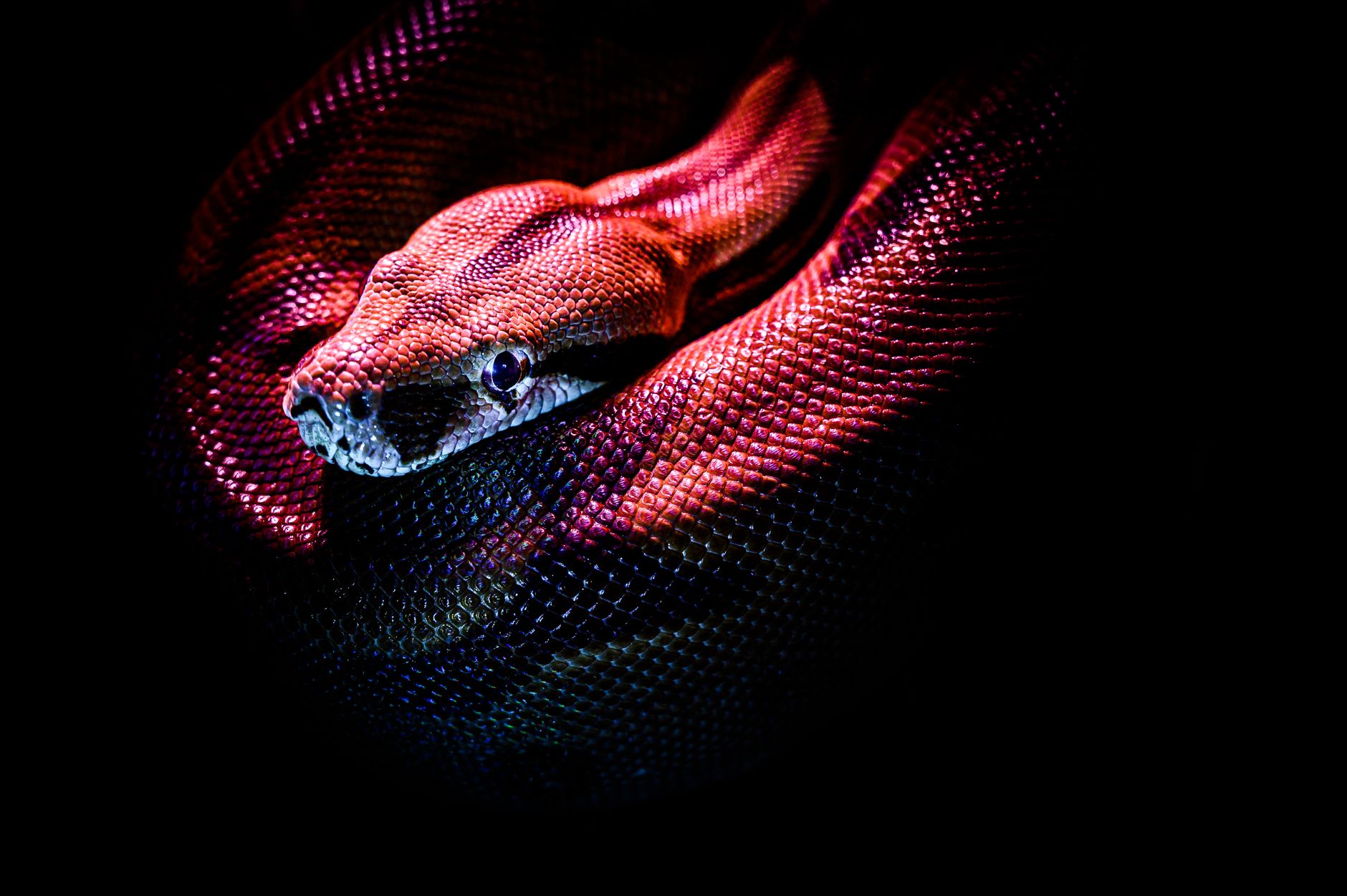
What Does a Red Belly Black Snake Eat? Understanding the Diet of Pseudechis porphyriacus
The red-bellied black snake, Pseudechis porphyriacus, primarily preys on a variety of amphibians, reptiles, and small mammals, making them an important part of the Australian ecosystem as pest control.

Introduction to the Red-Bellied Black Snake’s Diet
Understanding what does a red belly black snake eat? is essential for appreciating its role in the Australian environment and for responsible snake awareness and conservation. This semi-aquatic snake, a common sight in eastern Australia, possesses a fascinating diet that reflects its habitat and hunting strategies. We’ll delve into the specifics of its prey, hunting habits, and the broader ecological significance of its food choices.

What is belly bursting in fish?
Why do people milk snake venom?
Is snake shed skin poisonous?
What saltwater fish eat earthworms?
Primary Prey Items

The red-bellied black snake is an opportunistic predator, adapting its diet to the availability of prey in its environment. Its diet is surprisingly broad, encompassing:
- Frogs: A staple food, especially for younger snakes.
- Reptiles: Lizards (particularly skinks) and other snakes (including venomous species) make up a significant portion of their diet.
- Small Mammals: Mice and rats are consumed when available, offering a higher energy meal.
- Birds: Occasionally, they will take small birds or eggs.
- Fish: Given their semi-aquatic nature, fish are sometimes on the menu.
- Eels: another food option related to their semi-aquatic nature
The size of the prey is dependent on the size of the snake. Juvenile snakes will feed on much smaller prey than the adults.
Hunting Strategies and Habitat Influence
The snake’s hunting behaviour is closely tied to its habitat. Living near waterways, they are adept at ambushing frogs and fish. When on land, they actively hunt for lizards, snakes, and small mammals. Their venom helps subdue larger prey. The snakes are typically active during the day, hunting for their food. Their hunting strategy can be described as primarily ambush predation.
The Red-Bellied Black Snake as a Predator of Other Snakes
A notable aspect of the red-bellied black snake’s diet is its tendency to prey on other snakes, including venomous species like copperheads and small brown snakes. This behavior helps regulate the populations of other snake species and demonstrates the snake’s important role in the ecosystem. This also gives them a natural resistance to the venom of other snakes.
Seasonal Variations in Diet
The availability of prey changes with the seasons, influencing the red-bellied black snake’s diet. During wetter months, frogs are abundant, becoming a primary food source. In drier periods, they may shift their focus to reptiles and mammals.
Conservation Implications and Diet
Understanding what does a red belly black snake eat? is important for conservation efforts. As their habitats are altered by urbanization and agriculture, the availability of their prey can be affected. Preserving wetlands and natural areas is crucial for maintaining healthy populations of these snakes.
Table: Diet of Red-Bellied Black Snake
| Prey Type | Availability | Importance |
|---|---|---|
| Frogs | High | High |
| Lizards | Medium | Medium |
| Snakes | Medium | Medium |
| Small Mammals | Low | Low |
| Fish | Low | Low |
FAQs About the Red-Bellied Black Snake’s Diet
What is the primary food source for a juvenile red-bellied black snake?
Juvenile red-bellied black snakes primarily feed on small amphibians, such as froglets, and small reptiles, such as baby skinks. Their diet is dictated by their smaller size and ability to capture smaller prey.
Do red-bellied black snakes eat rodents?
Yes, red-bellied black snakes will consume rodents, such as mice and rats, particularly when they are larger adults. However, rodents are generally not their primary food source, unlike some other snake species. It is still beneficial for humans to have red-belly black snakes around to reduce pest populations.
Are red-bellied black snakes cannibalistic?
While not common, red-bellied black snakes may occasionally consume other snakes, including smaller individuals of their own species. This behaviour is more related to the availability of other food sources and opportunity.
What role does the red-bellied black snake play in controlling frog populations?
Red-bellied black snakes are significant predators of frogs, helping to regulate their populations in wetland environments. This predation prevents imbalances in the ecosystem.
How does habitat loss affect the diet of red-bellied black snakes?
Habitat loss can lead to a reduction in the availability of their natural prey, forcing them to adapt to new food sources or face starvation. Destruction of habitat, especially wetlands, is particularly damaging.
Do red-bellied black snakes eat poisonous snakes?
Yes, they will prey on poisonous snakes such as copperheads and small brown snakes. They possess a partial immunity to the venom of some other Australian snakes, making them effective predators of these species.
How often do red-bellied black snakes need to eat?
The frequency with which red-bellied black snakes eat depends on factors such as their size, age, and the availability of food. They may eat once every few days to once every few weeks.
Are red-bellied black snakes ambush predators or active hunters?
Red-bellied black snakes are primarily ambush predators, waiting for prey to come within striking distance. However, they will also actively hunt for prey, especially in open areas.
What is the impact of invasive species on the red-bellied black snake’s diet?
Invasive species, such as cane toads, can negatively impact the red-bellied black snake’s diet. Cane toads are poisonous to many native predators, leading to decline in their populations. Although red-belly black snakes are somewhat resistant, the cane toad is still poisonous, and smaller snakes that are unable to digest the cane toad might be harmed.
Does the red-bellied black snake drink water?
Yes, like all animals, red-bellied black snakes need water. They will drink from puddles, streams, and other water sources to stay hydrated, particularly during drier periods.
How can I support red-bellied black snake conservation by protecting their food sources?
You can support red-bellied black snake conservation by preserving and restoring wetland habitats, reducing the use of pesticides and herbicides that can harm their prey, and educating others about the importance of these snakes in the ecosystem. Reduce habitat removal in their home range.
Are there any animals that prey on the red-bellied black snake, and how does this affect their diet?
Larger predators, such as birds of prey and large reptiles, can prey on red-bellied black snakes, especially juveniles. This predation pressure can influence their hunting behaviour and force them to be more cautious when foraging, affecting how successful they are in securing prey.