
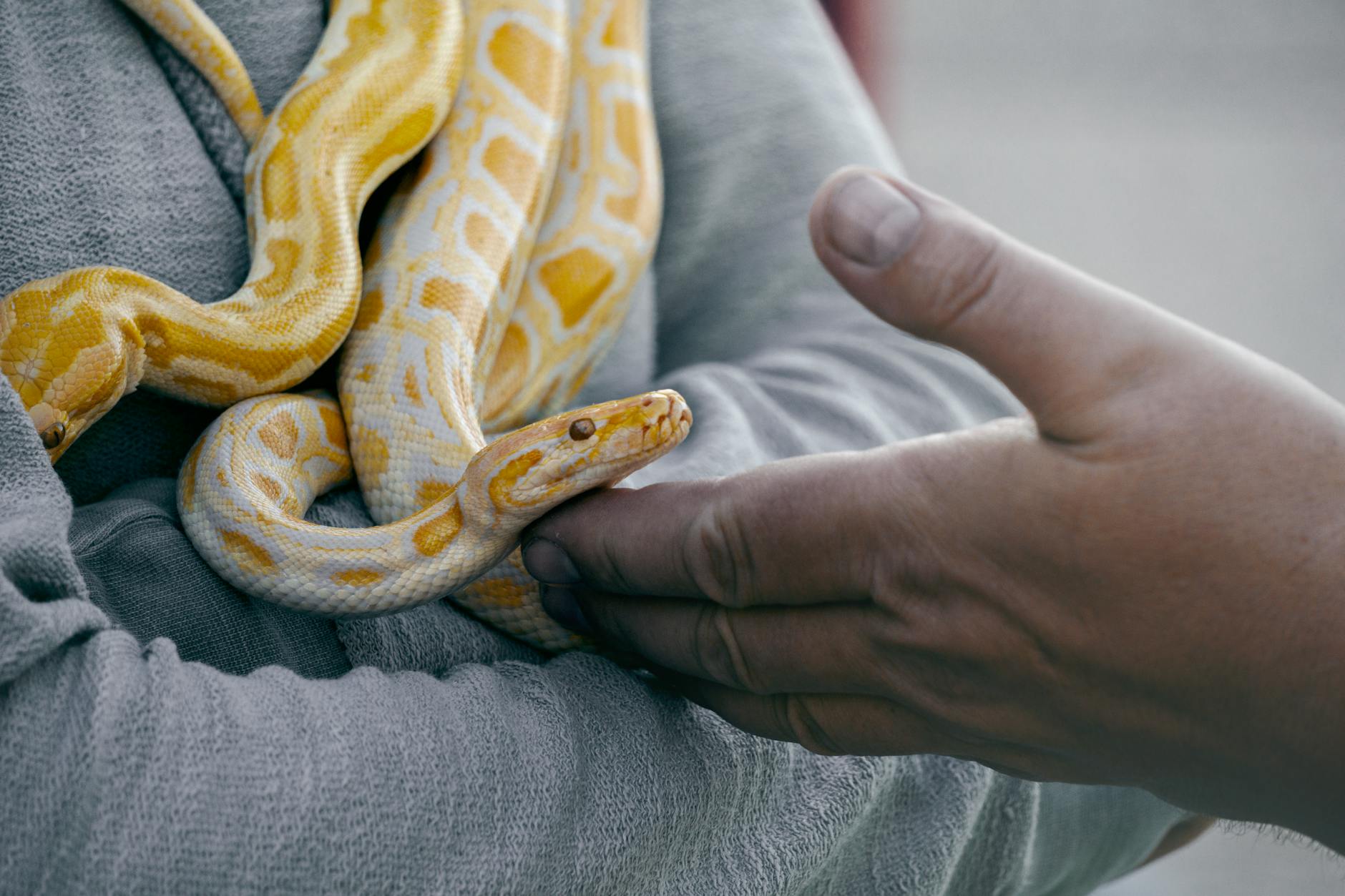
Can I Touch a Snake? Exploring Reptilian Interactions
The answer to Can I touch a snake? is complex and depends on several factors, including the type of snake, your experience, and ethical considerations. Touching a snake is possible, but approaching it with knowledge and respect is crucial.

Understanding Snake Behavior: A Necessary First Step
Before considering physical interaction, it’s essential to understand snake behavior. Snakes are often misunderstood creatures, and mistaking their actions can lead to a negative experience for both you and the snake. Remember that snakes are primarily solitary animals.
- They don’t crave human companionship.
- Their responses are driven by instinct, not affection.
- Defensive behaviors often stem from fear or perceived threat.
Identifying Snake Species: Poisonous vs. Non-Poisonous

The most important factor is identifying whether a snake is venomous (poisonous) or non-venomous. Touching a venomous snake without proper training and precautions can be life-threatening.
- Venomous Snakes: Avoid touching at all costs. Seek professional help immediately if bitten. Common examples include rattlesnakes, copperheads, and coral snakes in North America. Worldwide, cobras, vipers, and kraits pose significant risks.
- Non-Venomous Snakes: These snakes pose a lower risk, but caution is still necessary. Common examples include garter snakes, rat snakes, and corn snakes. Even non-venomous snakes can bite in self-defense, and their bites can be painful and prone to infection.
The “Can I Touch a Snake?” Decision-Making Process
Here’s a step-by-step process to consider before attempting to touch a snake:
- Identification: Positively identify the snake species. If unsure, do NOT touch it.
- Observation: Observe the snake’s behavior. Is it calm, agitated, or defensive? Avoid approaching if it seems stressed.
- Context: Consider the environment. Is the snake in its natural habitat, or is it an escaped pet?
- Experience: Do you have experience handling snakes? If not, it’s best to leave it to the experts.
- Respect: Always approach with respect and caution. Avoid sudden movements or loud noises.
- Permission: If the snake is clearly someone’s pet, always ask for permission first and follow their instructions.
Safe Handling Techniques (If Applicable)
If you’ve identified the snake as non-venomous, it appears calm, and you’re comfortable proceeding, use these safe handling techniques:
- Approach Slowly: Avoid sudden movements that could startle the snake.
- Gentle Touch: Use a gentle, confident touch. Avoid grabbing or squeezing the snake.
- Support the Body: Support the snake’s body to make it feel secure.
- Limit Handling Time: Keep handling time short to minimize stress on the snake.
- Wash Your Hands: Always wash your hands thoroughly before and after handling a snake.
Ethical Considerations: Respecting Wildlife
It’s crucial to consider the ethical implications of touching a snake. While the question “Can I touch a snake?” might be answered with a qualified “yes” in some cases, it’s important to ask should you touch a snake.
- Stress: Handling can be stressful for snakes, even if they don’t show obvious signs of distress.
- Disease Transmission: You can potentially transmit diseases to the snake, or vice versa.
- Habitat Disturbance: Handling can disturb the snake’s natural habitat and behavior.
- Conservation: Many snake species are threatened or endangered. Handling them can have negative conservation implications.
In general, it’s best to observe snakes from a distance and avoid unnecessary handling.
Common Mistakes to Avoid
- Assuming all snakes are dangerous: While caution is necessary, not all snakes are venomous.
- Startling the snake: Sudden movements can trigger a defensive response.
- Grabbing the snake: This can injure the snake and provoke a bite.
- Handling after using scented products: Snakes have a keen sense of smell, and strong scents can be overwhelming.
- Ignoring warning signs: If the snake shows signs of distress, stop handling it immediately.
Health and Safety Precautions
- First Aid Kit: Have a first aid kit readily available.
- Emergency Contact: Know the number for local emergency services and the nearest poison control center.
- Medical History: If bitten, inform medical professionals of any underlying health conditions or allergies.
- Hygiene: Thoroughly wash any wound inflicted by a snake.
- Professional Training: Consider taking a snake handling course for advanced knowledge.
Understanding Snake Bites
Even non-venomous snakes can bite. While these bites are usually not life-threatening, they can still be painful and carry a risk of infection. Proper first aid is essential:
- Wash the Wound: Thoroughly wash the bite area with soap and water.
- Control Bleeding: Apply pressure to stop any bleeding.
- Bandage the Wound: Cover the wound with a clean bandage.
- Seek Medical Attention: Seek medical attention to rule out infection or other complications.
The Legality of Handling Snakes
The legality of handling snakes varies depending on location and species. Some areas have laws protecting certain snake species, and handling them without a permit is illegal. Before handling a snake, research local laws and regulations. The basic question “Can I touch a snake?” can also be a legal matter.

Frequently Asked Questions (FAQs)
What are the signs that a snake is venomous?
Venomous snakes often have specific physical characteristics, although these can vary depending on the species. Common indicators include triangular-shaped heads, elliptical pupils (like cats’ eyes), and heat-sensing pits between their eyes and nostrils. However, these are not foolproof indicators, and positive identification requires expert knowledge.
Is it okay to pick up a baby snake?
Even if a snake is non-venomous, it’s not advisable to pick up a baby snake. Baby snakes are often more nervous and prone to biting than adults. Additionally, they might be more vulnerable to injury from improper handling.
What should I do if I find a snake in my house?
Stay calm and observe the snake from a safe distance. Try to identify the species from a safe distance. If you are unsure, treat it as venomous and call animal control or a professional wildlife removal service. Do not attempt to handle the snake yourself.
Can snakes feel affection?
Snakes are not known to experience affection in the same way as mammals. Their brains are not wired for complex emotions like attachment. Their behavior is driven primarily by instinct and survival.
How can I tell if a snake is stressed?
Signs of stress in snakes include: rapid breathing, jerky movements, hissing, striking, and cloacal discharge. If a snake exhibits any of these behaviors, leave it alone.
Are all snakes slimy?
No, snakes are not slimy. Their scales are dry and smooth. They have a protective coating of oil that helps to keep their skin moisturized and prevent parasites.
What do I do if a snake bites me?
If bitten by a known non-venomous snake, wash the wound thoroughly with soap and water, apply a bandage, and monitor for signs of infection. If bitten by a suspected venomous snake, seek immediate medical attention. Do not attempt to suck out the venom or apply a tourniquet.
Is it safe to handle a snake if I’m pregnant?
It’s generally not recommended to handle snakes during pregnancy. The risk of infection from a bite or contamination is higher, and some snake medications (if required) may be harmful to the fetus.
Can snakes carry diseases?
Snakes can carry certain diseases, such as salmonella. Always wash your hands thoroughly after handling a snake or its enclosure.
What is the best way to learn more about snakes?
There are many resources available to learn more about snakes, including: books, websites, museums, and herpetological societies. Consider joining a local herpetological society to connect with experienced snake handlers and learn about snake conservation.
Is it legal to keep a snake as a pet?
The legality of keeping a snake as a pet varies depending on location and species. Some areas have laws restricting the types of snakes that can be kept as pets, and some require permits. Research local laws and regulations before acquiring a snake as a pet.
“Can I touch a snake?” if it’s someone’s pet and they say it’s okay?
Even with permission, proceed with caution and follow the owner’s instructions carefully. Ask about the snake’s temperament and any specific handling techniques. If you feel uncomfortable at any point, stop handling the snake. Remember, prioritising both your safety and the snake’s well-being is key.