

What is Fungal Dermatitis in Horses? Understanding, Treating, and Preventing Common Skin Infections
Fungal dermatitis in horses is a skin infection caused by various fungi, resulting in irritation, inflammation, hair loss, and often intense itching. It’s crucial to understand the causes, symptoms, and treatment options for effectively managing this condition.
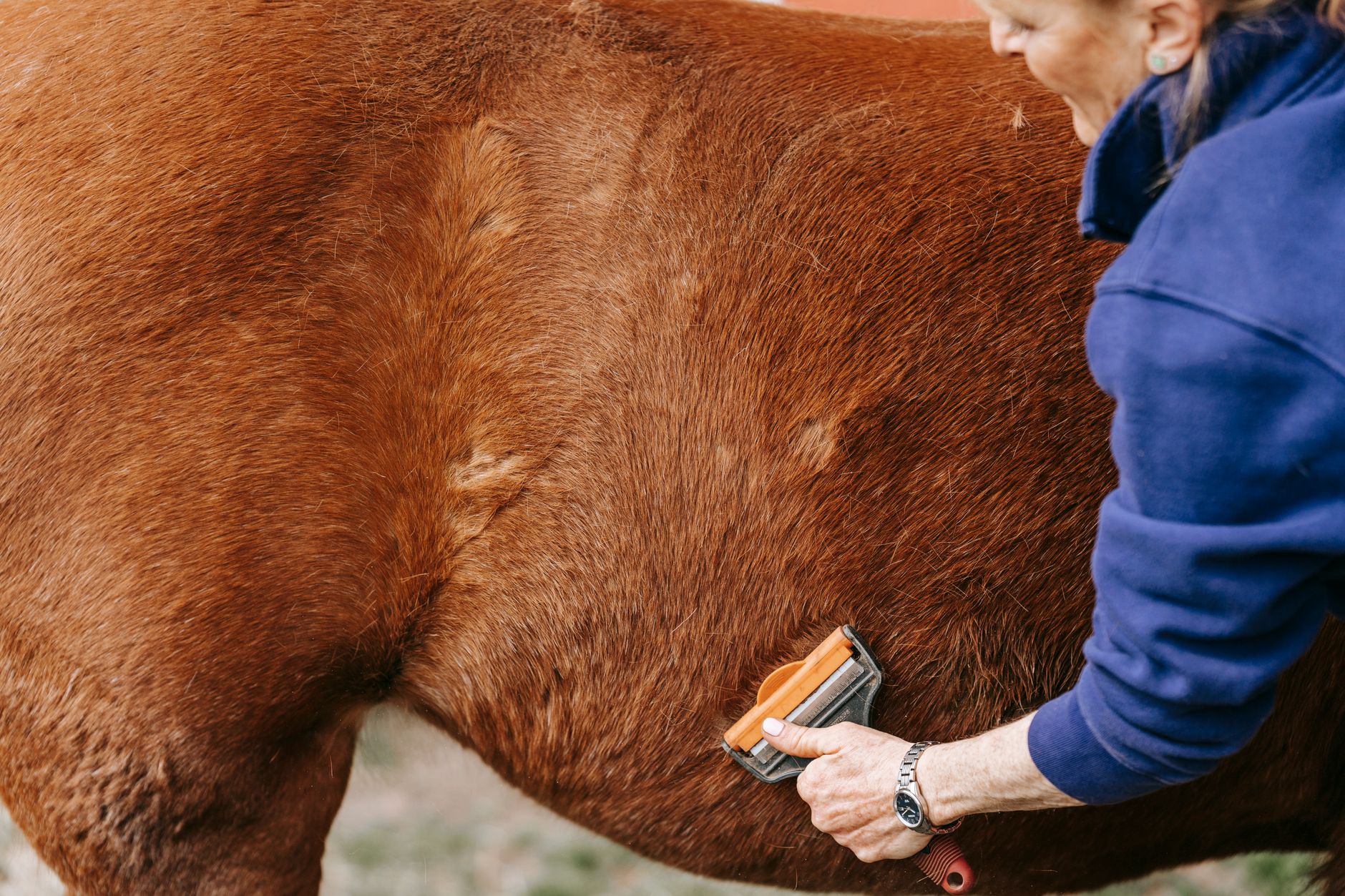
Introduction to Fungal Dermatitis
Fungal dermatitis, also known as ringworm (although it’s caused by fungi, not worms), is a relatively common dermatological issue affecting horses of all ages, breeds, and disciplines. While generally not life-threatening, it can be unsightly, uncomfortable for the horse, and, importantly, highly contagious, spreading rapidly between horses and even to humans. Proper identification and swift action are vital to control outbreaks and prevent complications. What is fungal dermatitis in horses? It’s a fungal infection affecting the skin and hair follicles, often manifesting as circular lesions.

What colours are fish most attracted to?
Can you put your finger in a trout's mouth?
Is methylene blue anti bacterial?
Does aquarium salt raise pH in aquarium?
Causes and Risk Factors

Several factors contribute to the development of fungal dermatitis in horses:
- Fungal Organisms: The most common culprit fungi are Trichophyton equinum, Microsporum gypseum, and Microsporum canis.
- Compromised Immune System: Young horses, older horses, and those with underlying health conditions or immunosuppression are more susceptible.
- Environmental Conditions: Warm, humid environments favor fungal growth. Poor sanitation and overcrowding increase the risk of transmission.
- Direct Contact: Sharing tack, grooming equipment, blankets, or even fence lines with infected horses can spread the infection.
- Skin Trauma: Small cuts, abrasions, or insect bites can provide an entry point for fungi.
Symptoms and Diagnosis
Recognizing the symptoms of fungal dermatitis early is key to effective treatment. Common signs include:
- Circular lesions: These are often crusty, scaly, and hairless, hence the name “ringworm.” The lesions may be raised and inflamed.
- Hair loss: Hair may fall out in patches, particularly around the face, neck, girth area, and saddle region.
- Itching: Affected areas are often itchy, leading to rubbing and further irritation.
- Scales and crusts: The lesions may develop a thick, scaly crust.
- Pustules: Small, pus-filled bumps may be present around the lesions.
Diagnosis typically involves:
- Visual examination: A veterinarian can often diagnose fungal dermatitis based on the appearance of the lesions.
- Fungal culture: A sample of hair and skin scrapings is cultured in a laboratory to identify the specific fungus involved. This is the most definitive diagnostic test.
- Microscopic examination: Direct examination of hair shafts under a microscope can sometimes reveal fungal spores.
Treatment Options
Treatment of fungal dermatitis in horses aims to eliminate the fungal infection and prevent its spread. Effective treatment strategies include:
- Topical antifungal medications: These are the mainstay of treatment. Common options include lime sulfur dips, enilconazole washes, ketoconazole shampoos, and miconazole creams.
- Systemic antifungal medications: In severe or widespread cases, oral antifungal medications, such as griseofulvin or itraconazole, may be necessary.
- Clipping the affected area: Clipping the hair around the lesions improves ventilation and allows for better penetration of topical medications.
- Disinfection of equipment: Thoroughly disinfect all tack, grooming equipment, blankets, and other items that have come into contact with the infected horse.
- Isolation of affected horses: Isolate infected horses to prevent the spread of the fungus to other animals.
Prevention Strategies
Preventing fungal dermatitis is far easier than treating it. Implement these preventative measures:
- Good hygiene: Maintain a clean and sanitary environment. Regularly clean and disinfect stalls, trailers, and grooming areas.
- Individual tack and equipment: Avoid sharing tack, grooming equipment, and blankets between horses.
- Regular grooming: Regular grooming helps to detect early signs of skin problems.
- Proper nutrition: A balanced diet supports a healthy immune system.
- Quarantine new arrivals: Quarantine new horses for 2-3 weeks to monitor for any signs of infection.
- Monitor for early signs: Regularly inspect horses for any signs of skin lesions or hair loss.
Common Mistakes in Managing Fungal Dermatitis
Several common mistakes can hinder the effective management of fungal dermatitis:
- Delaying treatment: Early intervention is crucial to prevent the infection from spreading.
- Inadequate disinfection: Failing to thoroughly disinfect equipment and the environment can lead to recurrence.
- Stopping treatment prematurely: Continue treatment for the prescribed duration, even if the lesions appear to be healing, to ensure complete eradication of the fungus.
- Using ineffective treatments: Over-the-counter remedies may not be strong enough to eliminate the infection. Consult with a veterinarian for appropriate treatment options.
- Ignoring underlying health conditions: Addressing any underlying health conditions that may compromise the immune system is essential.
Table: Comparing Common Antifungal Treatments
| Treatment | Active Ingredient(s) | Administration | Advantages | Disadvantages |
|---|---|---|---|---|
| Lime Sulfur Dip | Lime Sulfur | Topical | Broad spectrum, effective, economical | Strong odor, can stain, may cause skin irritation |
| Enilconazole Wash | Enilconazole | Topical | Effective, less irritating than lime sulfur | More expensive, requires careful application |
| Ketoconazole Shampoo | Ketoconazole | Topical | Convenient to use, milder than other options | May be less effective for severe infections |
| Griseofulvin (Oral) | Griseofulvin | Oral | Effective for widespread infections | Potential side effects, longer treatment duration |
FAQs: Fungal Dermatitis in Horses
What are the early signs of fungal dermatitis in horses?
The earliest signs often include small, raised bumps or areas of hair loss, typically in circular patterns. These areas may be itchy and scaly. Detecting these early signs is crucial for preventing the spread of the infection.
Can humans catch ringworm from horses?
Yes, ringworm is zoonotic, meaning it can be transmitted between animals and humans. It is essential to wear gloves when handling infected horses or their equipment and to wash your hands thoroughly afterward.
How long does it take to treat fungal dermatitis in horses?
The duration of treatment varies depending on the severity of the infection and the chosen treatment method. It can range from several weeks to several months. Consistent application of antifungal medications and diligent disinfection are essential for successful treatment.
Is fungal dermatitis more common in certain breeds?
No, fungal dermatitis can affect all horse breeds. However, horses with compromised immune systems, regardless of breed, are more susceptible.
Can I ride my horse if it has fungal dermatitis?
It is generally not recommended to ride a horse with active fungal dermatitis, as the friction from tack can irritate the lesions and potentially spread the infection. It’s best to allow the horse to rest until the infection is under control.
How often should I disinfect my tack and equipment?
Tack and equipment that comes into contact with horses should be disinfected regularly, ideally after each use, especially if there is a risk of fungal infection. Use a disinfectant specifically designed for veterinary use.
What are the long-term effects of fungal dermatitis?
In most cases, fungal dermatitis resolves completely with proper treatment. However, in severe or chronic cases, there may be scarring or permanent hair loss.
Can fungal dermatitis be prevented with vaccinations?
There are no vaccines currently available to prevent fungal dermatitis in horses. Prevention relies on good hygiene, proper management, and early detection.
What is the role of nutrition in preventing fungal dermatitis?
A balanced diet is crucial for supporting a healthy immune system, which can help to prevent fungal infections. Ensure your horse receives adequate vitamins and minerals.
How can I tell the difference between fungal dermatitis and other skin conditions?
While the circular lesions of fungal dermatitis are characteristic, other skin conditions, such as rain rot or insect bite hypersensitivity, can present similarly. It is best to consult with a veterinarian for a definitive diagnosis.
What should I do if my horse has a recurring fungal dermatitis infection?
Recurring fungal dermatitis may indicate an underlying health problem or persistent environmental contamination. Consult with a veterinarian to investigate potential causes and adjust the treatment plan accordingly. Thorough disinfection of the environment is also vital.
Are there any natural remedies for treating fungal dermatitis in horses?
While some natural remedies, such as tea tree oil, possess antifungal properties, they may not be as effective as prescription medications. It’s best to consult with a veterinarian before using natural remedies, as some can be irritating to the skin.