

What to do if you see a coyote at night?
If you encounter a coyote at night, the key is to make yourself appear large and intimidating and discourage the coyote from approaching by yelling, waving your arms, and making loud noises. This proactive approach will help ensure both your safety and the coyote’s well-being.

Understanding Coyote Behavior at Night
Coyotes are primarily crepuscular, meaning they are most active during dawn and dusk, but they are also frequently seen at night. They are adaptable animals and their behavior can vary depending on their location, food availability, and the presence of humans. Understanding their typical nocturnal behavior is crucial in knowing what to do if you see a coyote at night?
- Hunting: Coyotes are efficient hunters, using the cover of darkness to their advantage. They prey on small animals like rodents, rabbits, and birds.
- Territoriality: Coyotes are territorial and may patrol their territory at night to deter other coyotes or animals.
- Social Behavior: While often solitary hunters, coyotes can also form packs, especially during the breeding season or when raising pups.

What colours are fish most attracted to?
Can you put your finger in a trout's mouth?
Is methylene blue anti bacterial?
Does aquarium salt raise pH in aquarium?
Ensuring Your Safety and Respecting Wildlife
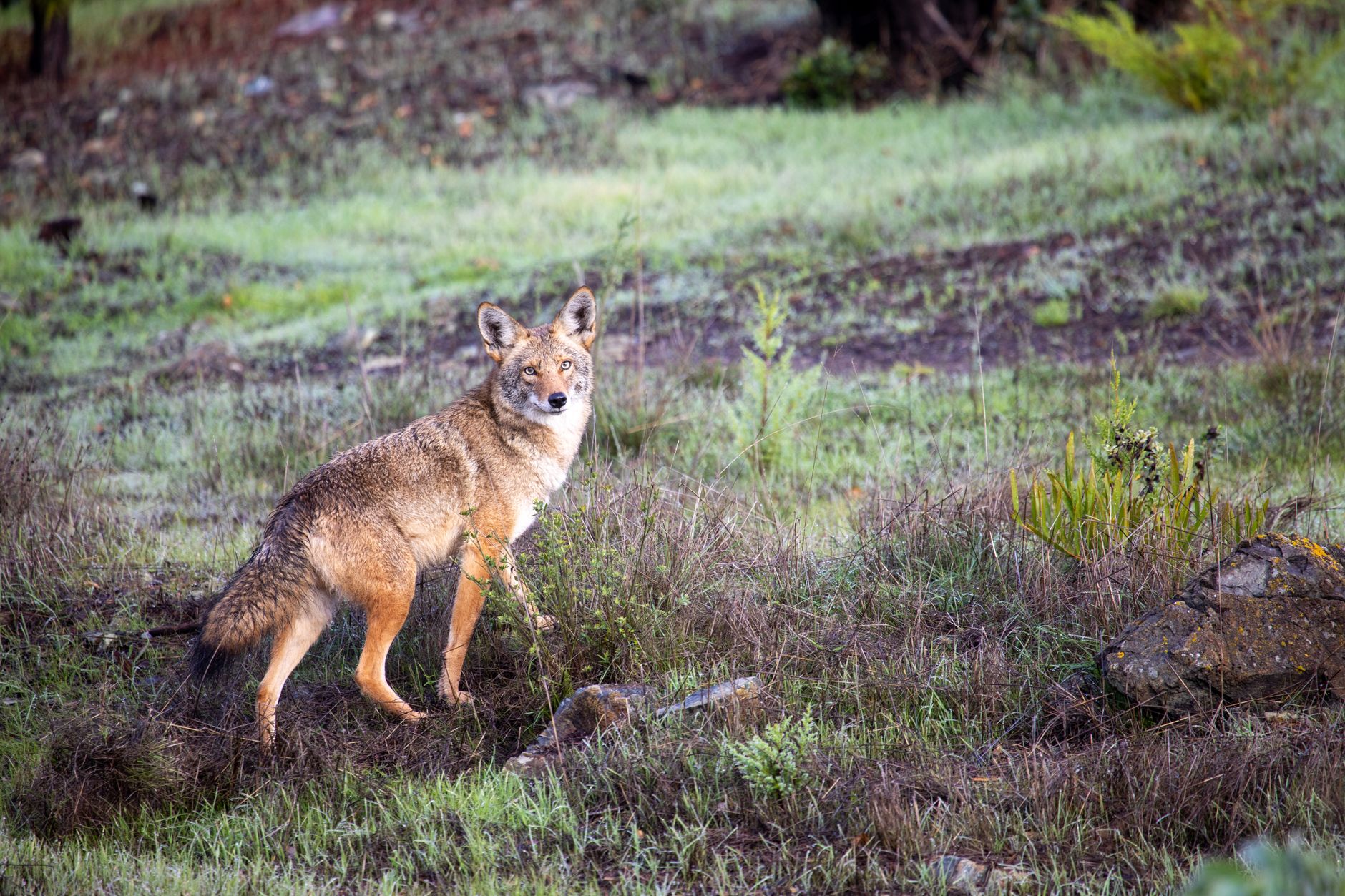
The primary goal when encountering a coyote is to ensure your safety while also respecting the animal and its natural environment. Remember, coyotes are a vital part of the ecosystem.
- Stay Calm: Panic can escalate a situation. Try to remain calm and assess the coyote’s behavior.
- Create Distance: If possible, slowly back away while maintaining eye contact. Do not turn your back and run, as this can trigger the coyote’s chase instinct.
- Be Assertive: The goal is to deter the coyote from approaching.
Effective Deterrents and Strategies
Knowing what to do if you see a coyote at night? goes beyond simply reacting; it involves understanding and implementing effective deterrent strategies.
- Make Noise: Yell loudly, clap your hands, blow a whistle, or use an air horn. Loud noises can startle the coyote and discourage it from approaching.
- Appear Larger: Wave your arms over your head, stand tall, and open your jacket to make yourself look bigger.
- Use Available Objects: Throw objects like rocks, sticks, or even your keys in the direction of the coyote (but not at the coyote, to avoid injuring it).
- Carry Deterrents: Consider carrying an air horn, pepper spray (specifically designed for animals), or a walking stick when walking in areas known to have coyote activity.
Common Mistakes to Avoid
Several common mistakes can worsen the situation when encountering a coyote. Avoiding these errors is crucial for your safety.
- Running Away: Running can trigger a chase response.
- Turning Your Back: Keep the coyote in sight and back away slowly.
- Feeding Coyotes: Never feed coyotes, as this habituates them to humans and makes them more likely to approach.
- Approaching the Coyote: Maintain a safe distance and avoid approaching the animal.
- Ignoring Signs: Pay attention to posted warnings or signs indicating coyote activity in the area.
Table: Comparing Coyote Encounter Strategies
| Strategy | Description | Effectiveness |
|---|---|---|
| Making Noise | Yelling, clapping, using an air horn. | High – often startles coyotes and discourages approach. |
| Appearing Larger | Waving arms, standing tall, opening jacket. | Moderate – reinforces the idea that you are not easy prey. |
| Throwing Objects | Throwing rocks or sticks in the coyote’s direction (but not at it). | Moderate – can startle the coyote and create distance. |
| Carrying Deterrents | Air horn, pepper spray (animal-specific), walking stick. | High – provides a readily available means of deterring an aggressive coyote. |
| Slowly Backing Away | Maintaining eye contact and retreating slowly. | Moderate – allows you to create distance without triggering a chase response. |
Bulleted List: Essential Items to Carry
- Air Horn
- Pepper Spray (Animal-Specific)
- Walking Stick
- Flashlight
Frequently Asked Questions
What is the first thing I should do if I see a coyote at night?
The immediate action should be to assess the situation and determine the coyote’s behavior. Is it simply passing by, or is it approaching you? This assessment will guide your response.
Is it dangerous to see a coyote at night?
While coyotes are generally not considered a significant threat to humans, especially adults, they are wild animals, and encounters can be dangerous, especially if the coyote is habituated to humans or feels threatened. Taking precautions is always advisable.
Should I run if I see a coyote?
Never run from a coyote, as this can trigger its chase instinct. Instead, stand your ground, make yourself look large, and make loud noises.
What if the coyote approaches me?
If a coyote approaches you, continue to be assertive. Yell, wave your arms, throw objects in its direction, and use any deterrents you may have. The goal is to make it uncomfortable and discourage it from getting closer.
How can I protect my pets from coyotes at night?
Keep pets indoors at night, especially small dogs and cats. If you must let them outside, always supervise them and keep them on a leash. Consider installing motion-activated lights in your yard.
Are coyotes more aggressive at certain times of the year?
Coyotes can be more territorial and protective during their breeding season (typically January to March) and when they have pups (spring and early summer). Be extra cautious during these times.
What does it mean if a coyote is howling?
Coyotes howl for various reasons, including communication, territorial marking, and social bonding. Hearing a howl doesn’t necessarily indicate aggression, but it does mean that coyotes are present in the area.
Should I report a coyote sighting to animal control?
Generally, reporting a coyote sighting is not necessary unless the coyote is behaving aggressively, appears sick or injured, or is exhibiting unusual behavior. Contact your local animal control or wildlife authorities in these cases.
What are some signs that a coyote is habituated to humans?
Signs of habituation include lack of fear of humans, approaching humans for food, frequenting areas with human activity, and losing their natural wariness.
How can I make my property less attractive to coyotes?
Remove potential food sources, such as pet food, fallen fruit, and open garbage cans. Trim overgrown vegetation to eliminate hiding places, and install fencing around your property.
Is pepper spray effective against coyotes?
Animal-specific pepper spray can be an effective deterrent against coyotes. Ensure the spray is designed for use on animals and that you know how to use it properly.
What should I do if a coyote attacks me or my pet?
If a coyote attacks you or your pet, fight back using any available means. Yell, kick, throw objects, and use any deterrents you have. After the attack, seek medical attention and report the incident to animal control immediately.