
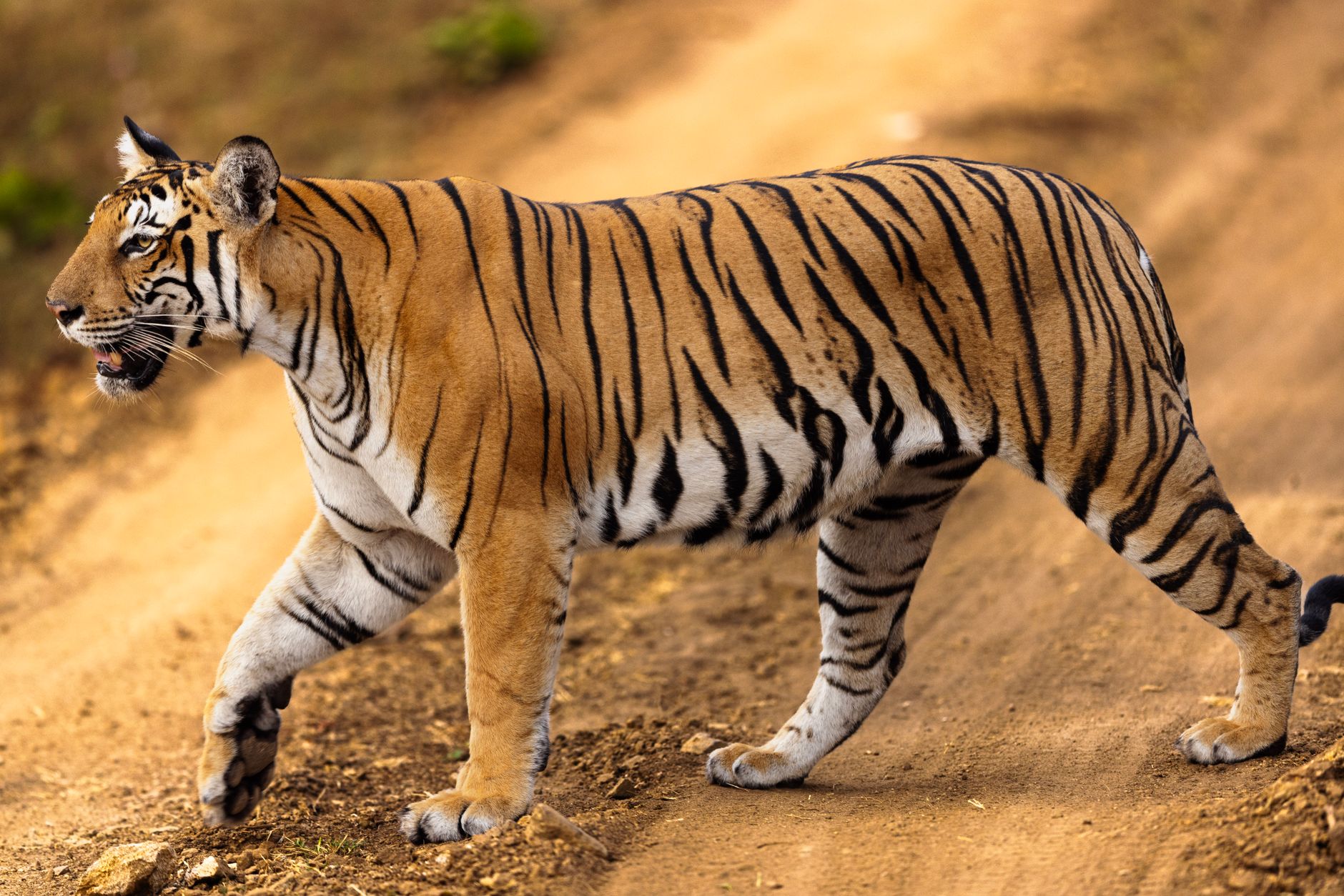
At What Age Does a Tiger Get Pregnant? Unveiling the Mysteries of Tiger Reproduction
A tigress typically reaches sexual maturity and becomes capable of pregnancy between the ages of 3 to 6 years old. This means that at what age does a tiger get pregnant can vary, but most often occurs within this timeframe.

Understanding Tiger Reproduction: A Comprehensive Guide
Tigers, magnificent apex predators, play a crucial role in maintaining the balance of their ecosystems. Understanding their reproductive biology is essential for conservation efforts, especially given their endangered status. This article delves into the specifics of tiger reproduction, focusing on the age at which tigresses can become pregnant, factors influencing their reproductive success, and other important aspects of their breeding habits.

What is the GREY African clawed frog?
Is distilled water good for goldfish?
What colours are fish most attracted to?
Can you put your finger in a trout's mouth?
The Reproductive Cycle of a Tigress
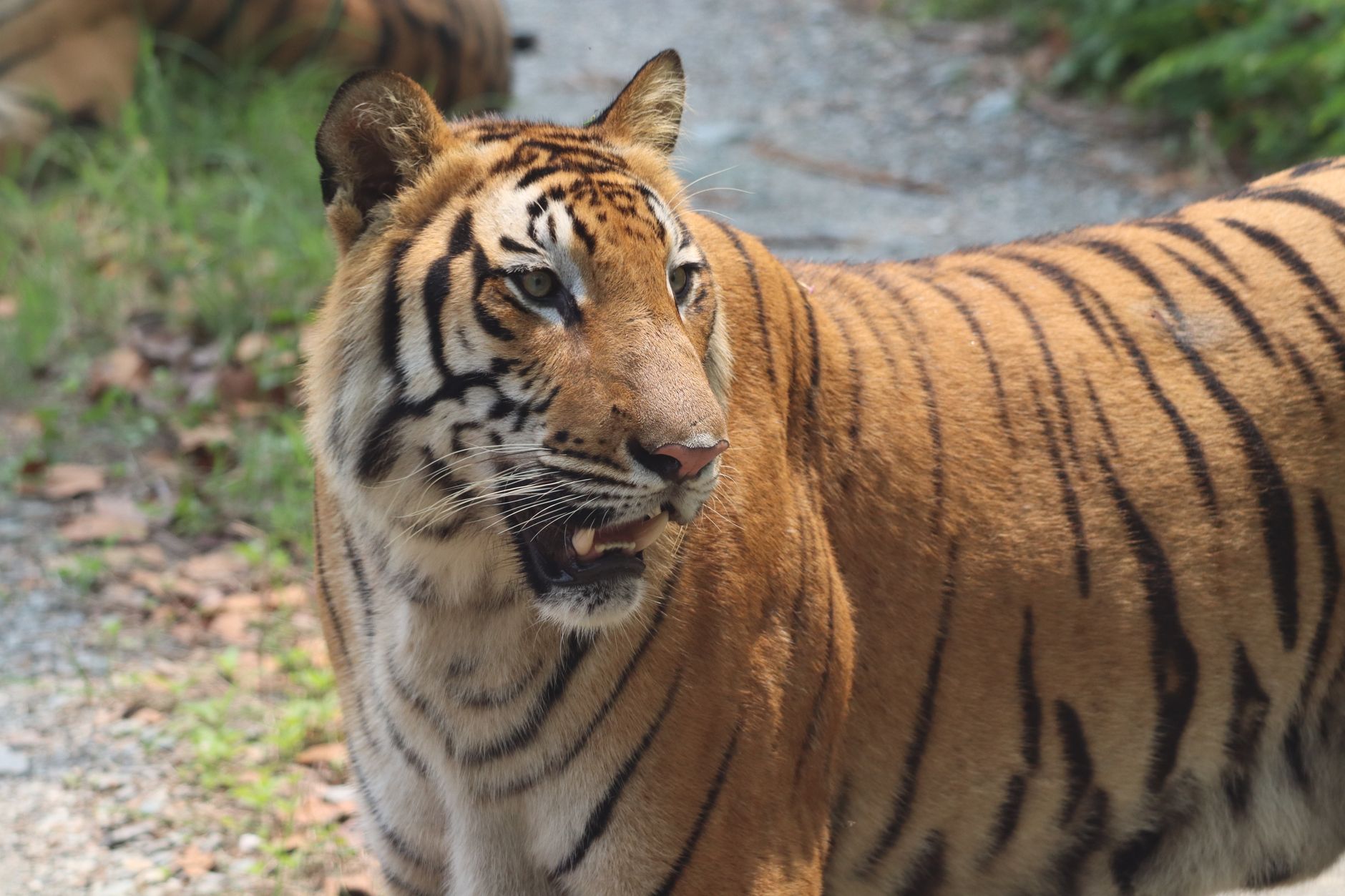
The tigress’s reproductive cycle is complex and influenced by various environmental and physiological factors. Unlike some other cat species, tigers are not seasonally polyestrous, meaning they can potentially enter estrus (heat) multiple times throughout the year, though breeding typically peaks during the dry season when prey is more concentrated.
- Estrus: A tigress typically experiences estrus for a period of 3-9 days.
- Signs of Estrus: During estrus, the tigress will exhibit noticeable changes in behavior. These include increased vocalizations (roaring and moaning), scent marking (spraying urine), and restlessness. She will also actively seek out male tigers.
- Mating: Mating is often a frequent and noisy affair, with the pair copulating multiple times over several days. This repeated mating increases the chances of fertilization.
- Gestation: If fertilization is successful, the gestation period for a tigress is approximately 103 days (around 3 months).
Factors Influencing Pregnancy Timing
Several factors influence at what age does a tiger get pregnant, and whether a tigress successfully conceives and carries a pregnancy to term.
- Age: As mentioned, the primary window for pregnancy is between 3 and 6 years old. While some tigresses may theoretically conceive slightly earlier or later, reproductive success declines with age.
- Health and Nutrition: A healthy and well-nourished tigress is far more likely to conceive and carry a pregnancy to term. Malnutrition or disease can significantly impair reproductive function.
- Social Dynamics: In areas with high tiger density, competition for resources and mates can impact breeding success. A tigress must be able to secure sufficient territory and resources to support herself and her future cubs.
- Environmental Conditions: Factors such as rainfall patterns, prey availability, and habitat quality can all influence breeding success.
Pregnancy and Cub Rearing
Once pregnant, a tigress undergoes significant physiological changes to support the developing cubs.
- Nest Preparation: In the weeks leading up to birth, the tigress will seek out a secluded den, often in dense vegetation or a cave. She will prepare the den by lining it with soft materials like grass and leaves.
- Litter Size: A typical litter size for a tigress is between 2 and 4 cubs, although litters of up to 7 cubs have been recorded.
- Cub Care: Tiger cubs are born blind and completely dependent on their mother. The tigress provides constant care, feeding them with her milk and protecting them from predators.
- Weaning and Independence: Cubs begin to be weaned at around 6 weeks of age and start to eat solid food brought by their mother. They remain with their mother for approximately 2 years, learning essential hunting and survival skills.
The Importance of Tiger Conservation
Understanding the reproductive biology of tigers is crucial for effective conservation strategies. Protecting their habitat, reducing poaching, and addressing human-wildlife conflict are essential for ensuring the survival of these magnificent creatures.
Comparing Tiger Reproduction to Other Big Cats
| Feature | Tiger | Lion | Leopard | Jaguar |
|---|---|---|---|---|
| Age at Maturity | 3-6 years | 2-3 years | 2-3 years | 2-4 years |
| Gestation Period | ~103 days | ~110 days | ~90-105 days | ~90-105 days |
| Litter Size | 2-4 cubs | 1-4 cubs | 1-3 cubs | 1-4 cubs |
| Breeding Season | Year-round, peak in dry season | Year-round | Year-round | Year-round |
The Role of Zoos in Tiger Reproduction
Zoos play a vital role in tiger conservation through managed breeding programs. These programs aim to maintain genetic diversity within captive tiger populations and provide a safety net against extinction in the wild. Successful breeding in zoos requires careful management of tiger pairs, providing appropriate habitats, and ensuring optimal nutrition and veterinary care.
Frequently Asked Questions (FAQs) about Tiger Pregnancy
At what age is a tiger considered sexually mature?
A tigress typically reaches sexual maturity between 3 and 6 years of age. This is when she is capable of becoming pregnant. The male, or tiger, will reach sexual maturity between 4 to 5 years of age.
How often do tigers reproduce in the wild?
Tigresses typically reproduce every 2-3 years in the wild. This interval depends on various factors, including the survival rate of their cubs and the availability of resources.
How long is a tiger pregnant for?
The gestation period for a tigress is approximately 103 days, or around three months.
How many cubs does a tiger typically have in a litter?
A typical litter size for a tigress is between 2 and 4 cubs. However, litters of up to 7 cubs have been recorded, although this is rare.
What are the signs that a tiger is pregnant?
Signs of pregnancy in a tigress include weight gain, increased appetite, lethargy, and noticeable changes in her abdomen as the pregnancy progresses. Zoo staff and experienced wildlife observers can often detect these signs.
What is the mortality rate for tiger cubs?
The mortality rate for tiger cubs can be relatively high, particularly in the first few months of life. Factors contributing to cub mortality include disease, starvation, predation, and infanticide (killing of cubs by other tigers). It’s estimated that around 50% of cubs do not survive to adulthood.
How long do tiger cubs stay with their mother?
Tiger cubs typically stay with their mother for approximately 2 years. During this time, they learn essential hunting and survival skills.
What is the role of the male tiger in raising the cubs?
Unlike lions, male tigers do not typically participate in raising the cubs. The tigress is solely responsible for providing care, protection, and training.
Can tigers be bred in captivity?
Yes, tigers can be successfully bred in captivity. Zoos and wildlife sanctuaries often have managed breeding programs to maintain genetic diversity and contribute to conservation efforts. However, breeding captive tigers can present challenges, including ensuring compatibility between pairs and providing appropriate environments.
What are the biggest threats to tiger reproduction?
The biggest threats to tiger reproduction include habitat loss, poaching (both of the tigers themselves and their prey), human-wildlife conflict, and climate change. These factors can reduce tiger populations and limit their ability to successfully breed and raise cubs.
How does habitat loss affect tiger pregnancy?
Habitat loss reduces the availability of suitable denning sites, decreases prey populations, and increases competition for resources. These factors can make it more difficult for tigresses to conceive, carry pregnancies to term, and successfully raise cubs.
What are some conservation efforts focused on tiger reproduction?
Conservation efforts focused on tiger reproduction include protecting and restoring tiger habitat, reducing poaching, mitigating human-wildlife conflict, and supporting managed breeding programs in zoos. These efforts aim to increase tiger populations and ensure their long-term survival. Understanding at what age does a tiger get pregnant is crucial for these conservation efforts.