

What to Do If You See a Bear: A Comprehensive Guide
Encountering a bear can be a frightening experience, but knowing the correct actions to take can significantly increase your safety. Knowing what to do if you see a bear is crucial; staying calm, assessing the situation, and reacting appropriately are the keys to avoiding a negative encounter.

Understanding Bear Behavior and Risk
Bears, while magnificent creatures, are also potentially dangerous. Understanding their behavior is the first step in preventing conflicts. Most bears are naturally wary of humans and will avoid contact if given the chance. However, they can become aggressive if they feel threatened, are protecting their young, or are attracted by food. This article outlines what to do if you see a bear to help you stay safe in bear country.
What colours are fish most attracted to?
Can you put your finger in a trout's mouth?
Is methylene blue anti bacterial?
Does aquarium salt raise pH in aquarium?
Preparing for Bear Encounters
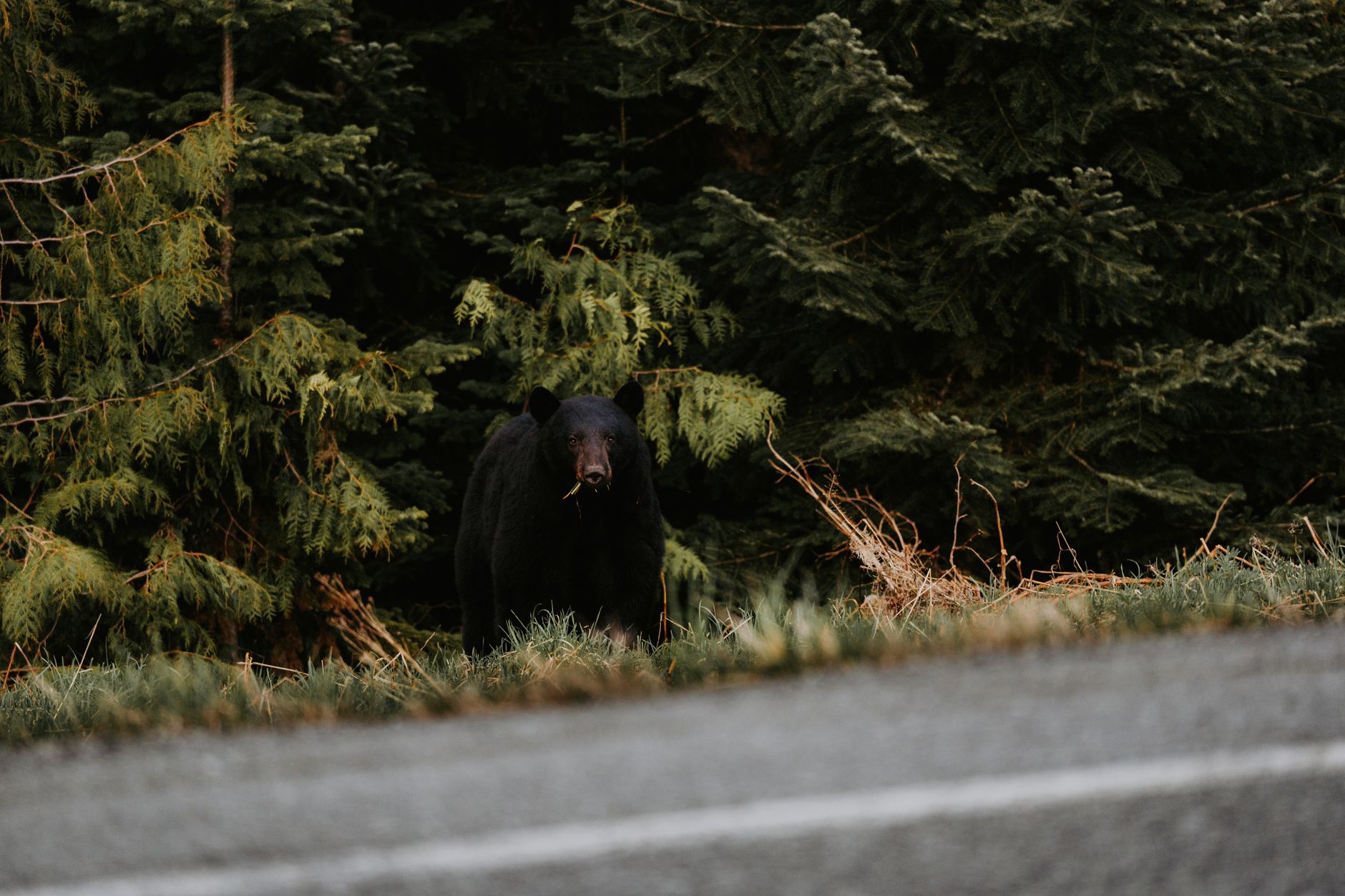
Prevention is the best defense against bear encounters. Before venturing into bear country, take the following precautions:
- Research the area: Understand the type of bears prevalent in the region (e.g., black bears, grizzly bears) and their typical behavior.
- Travel in groups: Bears are less likely to approach a group of people.
- Make noise: Talk loudly, sing, or attach bells to your backpack to alert bears to your presence.
- Carry bear spray: This is a highly effective deterrent and should be readily accessible. Know how to use it before you need it.
- Store food properly: Use bear-resistant canisters or hang food at least 10 feet off the ground and 4 feet from the trunk of a tree. Never leave food unattended.
What to Do During a Bear Encounter
The appropriate response to seeing a bear depends on the bear’s behavior and your proximity to it. Here’s a breakdown:
-
Stay Calm: Panicking can escalate the situation. Take deep breaths and try to assess the bear’s behavior.
-
Identify the Bear: Determine if it’s a black bear or a grizzly bear, as the recommended responses differ.
-
Assess the Situation: Is the bear aware of you? Is it displaying aggressive behavior? Is it near cubs or a food source?
-
React Accordingly:
- If the bear is unaware of you: Slowly and quietly back away, keeping an eye on the bear.
- If the bear is aware of you but not aggressive: Speak calmly and firmly to the bear, letting it know you are human. Slowly wave your arms above your head to appear larger. Slowly back away.
- If the bear is displaying defensive behavior (e.g., huffing, jaw-popping, swatting the ground): You are likely too close. Slowly back away while talking calmly. Be prepared to use your bear spray.
- If the bear is displaying predatory behavior (e.g., stalking, approaching silently): This is rare, but potentially the most dangerous. Make yourself look as large as possible, shout aggressively, and be prepared to fight back.
Black Bear vs. Grizzly Bear: Different Strategies
| Feature | Black Bear | Grizzly Bear |
|---|---|---|
| Size | Smaller than grizzly bears; typically 200-600 lbs. | Larger than black bears; typically 300-800 lbs or more. |
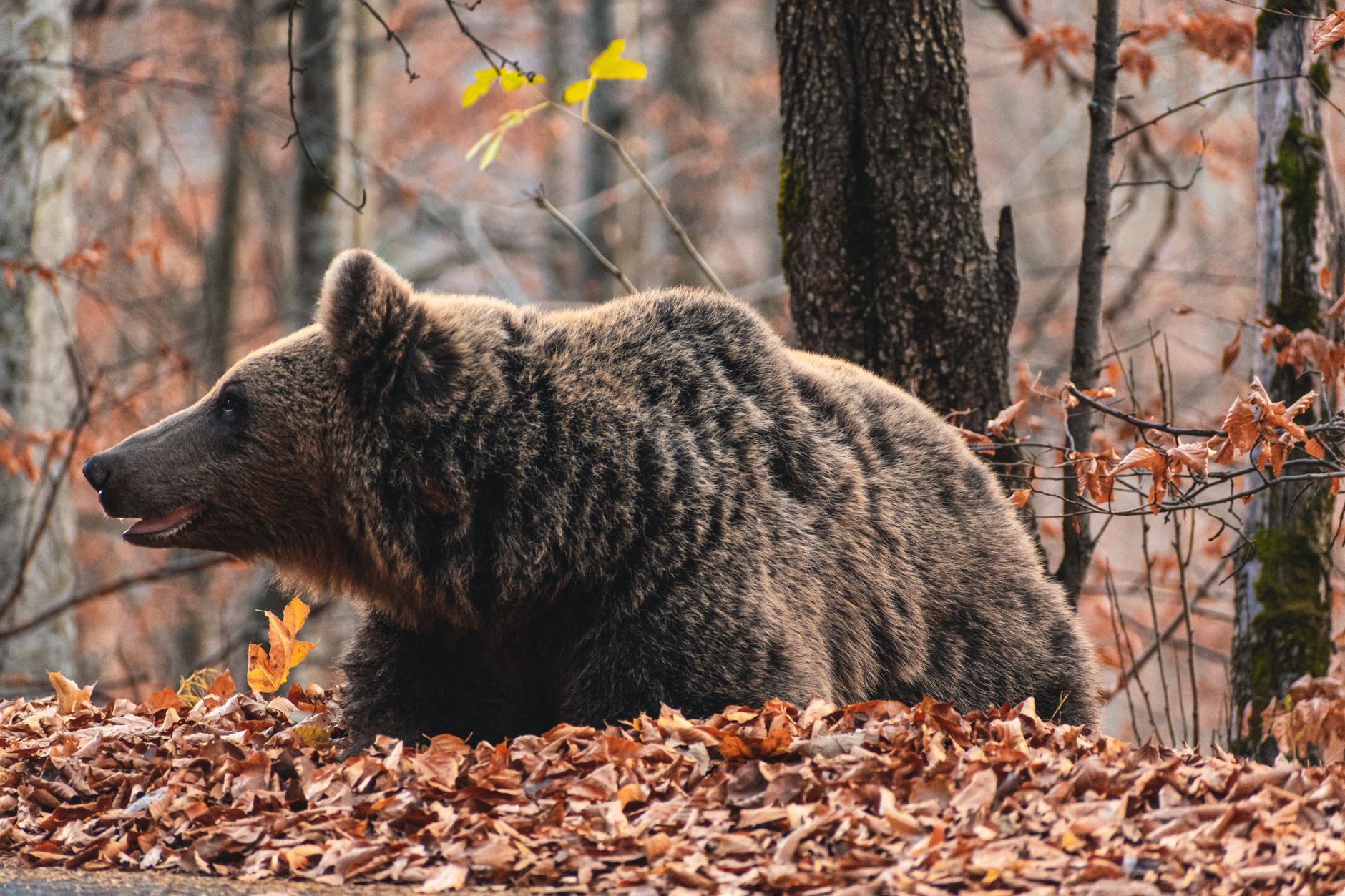
| Shoulder Hump | Lacks a prominent shoulder hump. | Has a distinct shoulder hump made of muscle. |
| Claws | Shorter, curved claws for climbing. | Longer, straighter claws for digging. |
| Facial Profile | Straighter facial profile. | Concave facial profile (dish-shaped). |
| Strategy if attacked (defensive) | Fight back (especially if you have bear spray). Focus on the face and eyes. | Play dead. Lie flat on your stomach, cover your neck with your hands, and spread your legs. Stay still until the bear leaves. |
| Strategy if attacked (predatory) | Fight back with everything you have! | Fight back with everything you have! |
Common Mistakes to Avoid
- Running: Running can trigger a bear’s chase instinct.
- Making sudden movements: Avoid jerky or unpredictable actions.
- Approaching the bear: Never try to get closer for a better look or a photograph.
- Feeding the bear: This habituates bears to humans and can lead to dangerous encounters.
- Assuming all bears are the same: Bear behavior varies based on species, location, and individual temperament.
Frequently Asked Questions (FAQs)
What is the best way to store food in bear country?
The best way to store food is by using a bear-resistant canister. If canisters are not available, hang your food in a bag suspended at least 10 feet off the ground and 4 feet from the trunk of a tree. Make sure to keep all scented items, including toothpaste and sunscreen, stored with your food.
Is it better to play dead or fight back against a bear?
The correct response depends on the type of bear and the situation. Play dead if attacked by a grizzly bear during a defensive encounter (e.g., it’s protecting cubs). Fight back against a black bear in a defensive encounter. Always fight back if you believe the bear is attacking you in a predatory manner.
How effective is bear spray?
Bear spray is highly effective in deterring bears when used correctly. Studies have shown it to be more effective than firearms in stopping aggressive bears. Always know how to use your bear spray and keep it readily accessible.
What should I do if I encounter a bear with cubs?
Bears with cubs are extremely protective and may be more likely to attack if they perceive a threat. Slowly and quietly back away, giving the bear and her cubs plenty of space. Avoid making direct eye contact.
How far away should I be from a bear?
It is best to maintain as much distance as possible. Generally, try to stay at least 100 yards (300 feet) away. If the bear approaches, slowly back away while speaking calmly.
Does making noise really help prevent bear encounters?
Yes, making noise significantly reduces the chance of surprising a bear. Bears typically avoid humans if they are aware of their presence. Talking loudly, singing, or attaching bells to your backpack are all effective ways to make noise.
What do I do if a bear enters my campsite?
If a bear enters your campsite, remain calm and try to determine why it is there. If it is after food, retreat to a safe location and allow the bear to take the food. Never attempt to retrieve the food while the bear is present. Report the incident to park authorities.
Can I outrun a bear?
No, you cannot outrun a bear. Bears are much faster than humans and can run at speeds of up to 35 miles per hour. Running may also trigger the bear’s chase instinct.
Is it safe to hike alone in bear country?
Hiking alone in bear country increases your risk of a negative encounter. It is always safer to hike in groups, as bears are less likely to approach a group of people.
How do I know if a bear is being predatory?
Predatory behavior is rare but extremely dangerous. Signs of predatory behavior include stalking, approaching silently, and maintaining direct eye contact. If you suspect a bear is being predatory, make yourself look as large as possible, shout aggressively, and be prepared to fight back with everything you have.
What should I do after using bear spray?
After using bear spray, slowly back away from the bear, keeping an eye on it. The bear spray should give you time to escape to a safe location. Be aware that the spray can affect you as well, causing temporary burning sensations in your eyes, nose, and throat. Clean your eyes with water if necessary. Report the incident to park authorities.
What if the bear does not react to my bear spray?
While bear spray is generally effective, there are instances where a bear may not react as expected. This could be due to wind conditions, the bear being too close, or the bear being particularly determined. If the bear spray is ineffective, continue to fight back with anything available, focusing on the bear’s face and eyes.
Knowing what to do if you see a bear is essential for staying safe in bear country. By understanding bear behavior, taking preventative measures, and reacting appropriately during an encounter, you can minimize your risk and enjoy the wilderness responsibly.