

Should You Put Anything On Your Dog’s Paws? A Paw-some Guide
Whether or not you should put anything on your dog’s paws depends on several factors, but the definitive answer is: it depends. It’s not always necessary, but specific circumstances might call for it to protect and care for your furry friend’s sensitive paws.
Understanding Your Dog’s Paws
Your dog’s paws are marvels of engineering, built for traction, shock absorption, and even temperature regulation. They’re composed of:
- Digital Pads: These are the main pads on each toe.
- Metacarpal/Metatarsal Pads: The large pad in the center of the paw.
- Carpal Pad: Located on the front legs, providing extra grip and shock absorption.
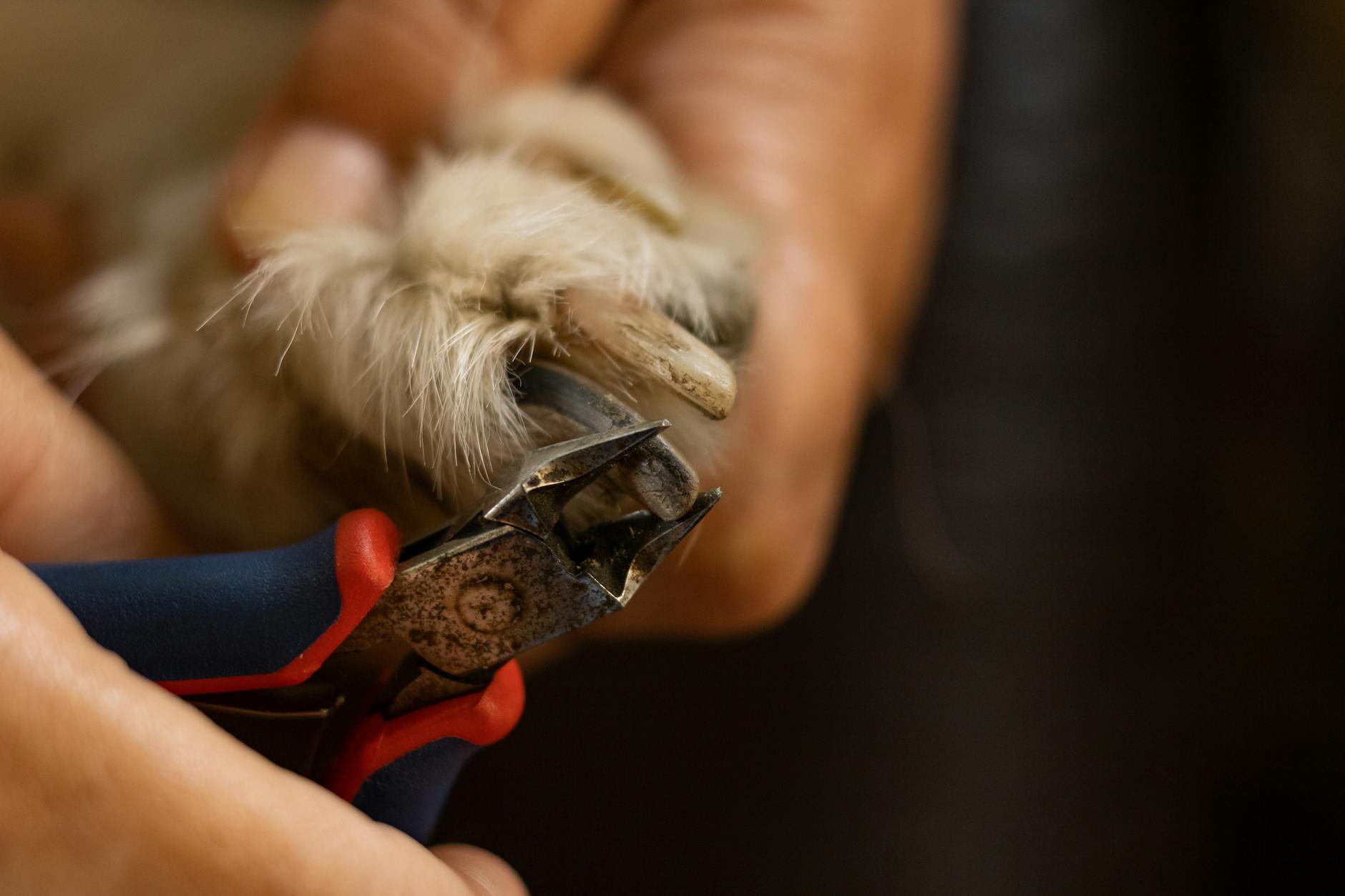
- Claws: For traction, digging, and defense.
These components work together, providing cushioning and allowing your dog to navigate various terrains. However, they’re not invincible and can be susceptible to damage.

Is distilled water good for goldfish?
What colours are fish most attracted to?
Is methylene blue anti bacterial?
Does aquarium salt raise pH in aquarium?
When Paw Protection is Recommended

Several situations warrant putting something on your dog’s paws to provide protection or treatment:
- Extreme Weather: Hot pavement in the summer or icy sidewalks in the winter can cause burns or frostbite.
- Rough Terrain: Hiking over sharp rocks or through thorny brush can lead to cuts and abrasions.
- Allergies: Some dogs have allergies that cause them to lick their paws excessively, leading to irritation and infections.
- Injuries: Applying medication and bandages to paw injuries may require a protective layer.
- Post-Surgery: To prevent your dog from licking surgical sites on their paws.
Options for Paw Protection and Treatment
There’s a range of products and remedies available to protect and care for your dog’s paws:
- Dog Boots: Provide a physical barrier against extreme temperatures, rough surfaces, and irritants.
- Paw Wax: Creates a protective layer on the pads, moisturizing and preventing cracking.
- Paw Balm: Soothes and heals cracked or irritated paws.
- Booties: Lighter than boots, often used indoors to prevent slipping or protect furniture.
- Medicated Creams: Treat infections or allergies, often requiring a protective covering to prevent licking.
- Bandages: Provide support and protect wounds, often needing a boot or sock to stay in place.
Choosing the Right Product
Selecting the best paw protection or treatment depends on your dog’s needs and the specific situation. Consider the following factors:
- Purpose: What are you trying to protect your dog’s paws from?
- Fit: Ensure a snug but comfortable fit to prevent chafing.
- Material: Choose breathable and durable materials.
- Ease of Use: Look for products that are easy to put on and take off.
- Dog’s Tolerance: Some dogs may resist wearing boots or booties initially.
Here’s a comparison table of common products:
| Product | Best For | Pros | Cons |
|---|---|---|---|
| Dog Boots | Extreme weather, rough terrain | Excellent protection, durable | Can be uncomfortable, may take time for dogs to adjust, can be costly |
| Paw Wax | Preventing cracking, mild protection | Easy to apply, moisturizing, affordable | Wears off quickly, not suitable for severe conditions |
| Paw Balm | Healing cracked paws, soothing irritation | Moisturizing, promotes healing | Can be messy, dog may lick it off |
| Booties | Indoor use, preventing slipping, light protection | Comfortable, lightweight, inexpensive | Not durable, not suitable for outdoor use |
| Medicated Creams | Treating infections/allergies | Targets specific paw issues, medicated | Requires a protective covering to prevent licking |
Potential Problems and Precautions
While paw protection and treatment can be beneficial, it’s important to be aware of potential problems:
- Overheating: Boots can trap heat and moisture, leading to overheating, especially in warm weather.
- Chafing: Ill-fitting boots or booties can cause chafing and irritation.
- Allergic Reactions: Some dogs may be allergic to certain materials used in paw products.
- Infection: Trapped moisture and debris can create a breeding ground for bacteria and fungi.
- Loss of Sensation: Constant use of boots can desensitize the paws.
Always monitor your dog for signs of discomfort or irritation and discontinue use if necessary. Ensure proper hygiene by cleaning and drying your dog’s paws and boots regularly.
When To Consult a Veterinarian
Should you put anything on dogs paws? If you are unsure, or if you notice any of the following symptoms, consult with your veterinarian:
- Severe cracking or bleeding
- Signs of infection (redness, swelling, pus)
- Excessive licking or chewing of the paws
- Limping or difficulty walking
Your veterinarian can diagnose the underlying cause and recommend appropriate treatment.
Training Your Dog to Wear Paw Protection
Introducing paw protection gradually can help your dog adjust more easily:
- Start Slow: Let your dog sniff and examine the boots or booties.
- Positive Reinforcement: Reward your dog with treats and praise for interacting with the product.
- Short Sessions: Gradually increase the amount of time your dog wears the boots or booties.
- Positive Associations: Associate wearing the boots with fun activities like walks or playtime.
- Patience: It may take time for your dog to get used to wearing paw protection.
Frequently Asked Questions (FAQs)
What are the symptoms of paw pad injuries?
Paw pad injuries can manifest in various ways, including limping, licking or chewing at the paws, visible cuts or abrasions, bleeding, swelling, and redness. Early detection and treatment are crucial to prevent complications.
How often should I apply paw wax?
The frequency of paw wax application depends on the product and the level of activity. Generally, applying paw wax before each outdoor excursion is recommended, especially in extreme weather conditions.
Can I use human lotion on my dog’s paws?
While human lotion might seem like a good idea, it’s generally not recommended. Many human lotions contain ingredients that can be harmful to dogs if ingested, and their pH balance may be different, potentially causing irritation. Stick to paw-specific balms and waxes.
What are the best dog boots for snow and ice?
The best dog boots for snow and ice offer waterproof protection, good traction, and a secure fit. Look for boots with rubber soles, adjustable straps, and insulated linings to keep your dog’s paws warm and dry.
How do I clean dog boots?
Cleaning dog boots is essential to prevent the buildup of bacteria and odors. Rinse them with warm water and mild soap, and allow them to air dry completely before storing them.
Are dog paw pads naturally waterproof?
While dog paw pads offer some resistance to water, they are not completely waterproof. Prolonged exposure to wet conditions can lead to softening and damage, increasing the risk of infection.
Is it normal for my dog to lick paw balm off?
It’s common for dogs to lick paw balm off, as they may find it tasty or simply dislike the feeling. Apply a small amount and distract your dog for a few minutes to allow the balm to absorb. Consider using an e-collar if the licking is excessive.
Can paw protection prevent hot pavement burns?
Yes, paw protection like boots or wax can significantly reduce the risk of hot pavement burns. Always test the pavement temperature with your hand before walking your dog, and avoid walking during the hottest parts of the day.
What ingredients should I avoid in paw balms?
Avoid paw balms containing artificial fragrances, dyes, alcohol, parabens, and essential oils that may be toxic or irritating to dogs.
How can I tell if my dog’s paws are infected?
Signs of a paw infection include redness, swelling, pus, discharge, foul odor, and excessive licking or chewing. Consult a veterinarian if you suspect an infection.
Should you put anything on dogs paws indoors?
In most cases, putting anything on your dog’s paws indoors is unnecessary unless your dog has a specific condition, such as allergies, sensitivity to floor cleaners, or needs help with traction on slippery floors.
What is paw pad hyperkeratosis?
Paw pad hyperkeratosis is a condition characterized by thickening and cracking of the paw pads. It can be caused by genetics, certain diseases, or environmental factors. Treatment typically involves trimming the excess keratin and applying moisturizing paw balms.