

What To Do If Your Butterfly Chrysalis Falls?
If a butterfly chrysalis falls, don’t panic! The crucial step is to quickly and carefully re-secure the chrysalis in a safe location where it can continue its metamorphosis, significantly increasing the chances of a successful butterfly emergence.

Introduction: The Delicate Stage of Transformation
The metamorphosis of a butterfly is one of nature’s most captivating processes. The chrysalis stage, that seemingly inert pupa hanging silently, is actually a period of intense transformation. This delicate phase is crucial for the development of the butterfly. Unfortunately, nature doesn’t always cooperate, and sometimes, the chrysalis can fall, leaving the butterfly enthusiast wondering: What to do if butterfly chrysalis falls? This article aims to provide a comprehensive guide to navigating this delicate situation, offering practical solutions and expert advice.

What colours are fish most attracted to?
Can you put your finger in a trout's mouth?
Is methylene blue anti bacterial?
Does aquarium salt raise pH in aquarium?
Understanding the Chrysalis and its Attachment
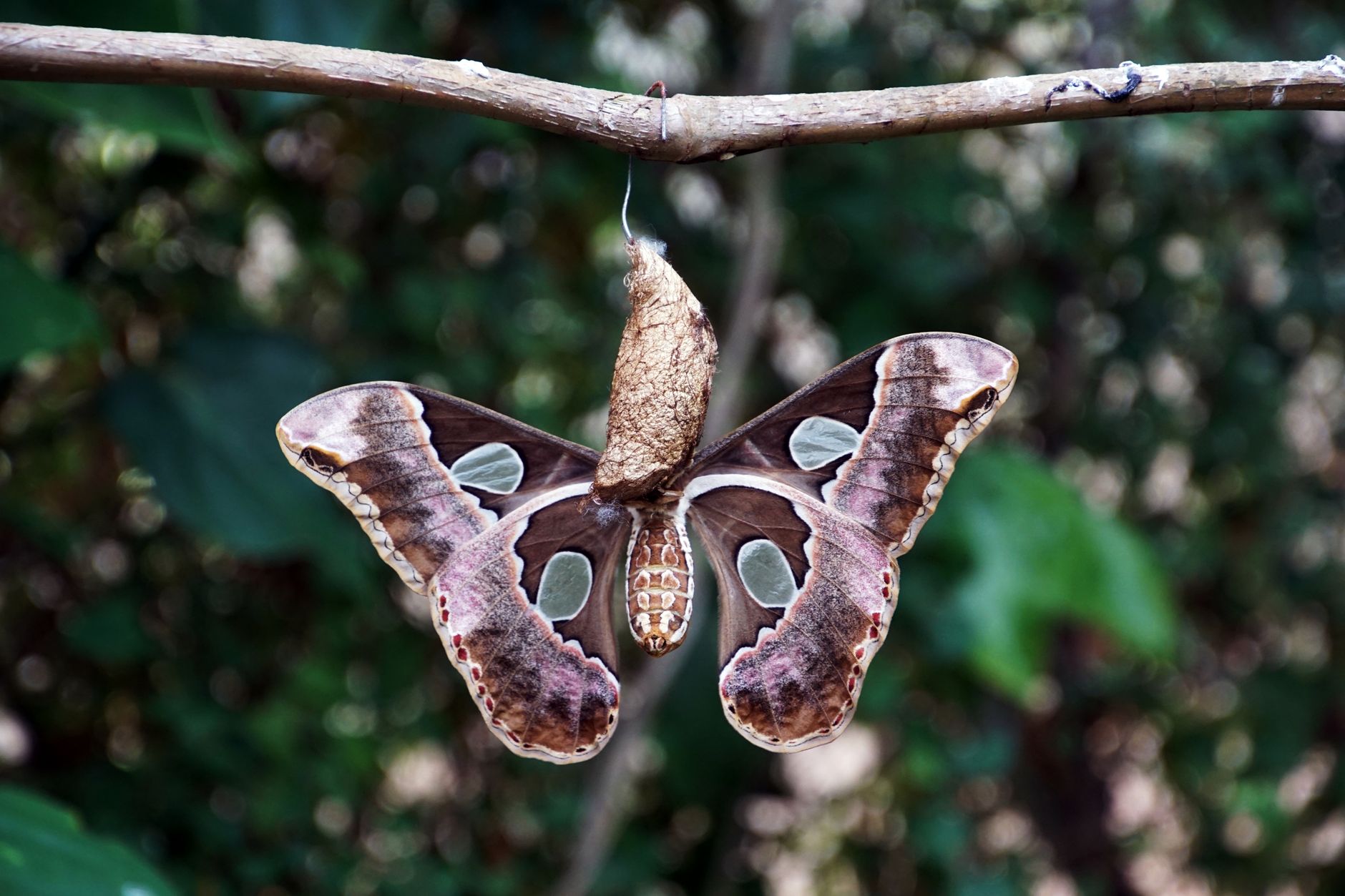
Before addressing the issue of a fallen chrysalis, it’s important to understand how it’s typically attached and why it might detach. Most butterfly larvae create a silk button to which they attach themselves via a cremaster – a small, hook-covered appendage.
Several factors can lead to chrysalis detachment:
- Insufficient Silk: The larva might not have produced enough silk for a secure attachment.
- Weak Silk: The silk itself may be weak due to environmental conditions or the larva’s health.
- Strong Winds or Physical Disturbance: External forces can dislodge the chrysalis.
- Premature Detachment: Rarely, the chrysalis might detach prematurely due to disease or other internal issues.
Immediate Actions When a Chrysalis Falls
The first moments after discovering a fallen chrysalis are critical. Here’s a step-by-step approach to ensure the best possible outcome:
- Assess the Chrysalis: Gently examine the chrysalis for any signs of damage. Look for cracks, leaks, or unusual discoloration.
- Prepare a Safe Location: Find or create a secure, well-ventilated spot for the chrysalis. This could be within its original enclosure or a new container.
- Re-Secure the Chrysalis: This is the most crucial step, which we will detail further below.
- Monitor Closely: Observe the chrysalis daily for any changes.
Re-Securing the Fallen Chrysalis
The goal is to mimic the natural hanging position as closely as possible. Here are several methods for re-attaching the chrysalis, ranked by ease and suitability:
- The Thread Method:
- Carefully glue a small length of thread (sewing thread is ideal) to the top of the chrysalis (where it was formerly attached to the silk button). Use a tiny amount of non-toxic glue (e.g., craft glue or hot glue – cool temp only).
- Once dry, hang the thread from the roof of the enclosure using tape or another adhesive.
- The Pin Method:
- Insert a pin horizontally through a piece of thin cardboard or foam.
- Carefully glue the chrysalis to the cardboard or foam near the pin.
- Place the cardboard/foam across the top of a suitable container so the chrysalis hangs downward.
- The “Butterfly Hospital” Method: (For damaged chrysalises)
- Place the chrysalis on a bed of slightly damp paper towels in a small, enclosed container.
- This method is less ideal, but can prevent the butterfly from becoming trapped if it emerges prematurely or is unable to hang.
Important Considerations:
- Ensure the chrysalis hangs vertically to facilitate proper butterfly emergence.
- Maintain adequate humidity within the enclosure by misting lightly with water.
- Avoid touching the chrysalis unnecessarily.
Creating the Ideal Emergence Environment
Once the chrysalis is re-secured, providing a suitable environment for emergence is vital. Key elements include:
- Humidity: Maintain a humidity level of around 50-70%. This helps prevent the emerging butterfly’s wings from drying too quickly and becoming deformed.
- Ventilation: Good airflow is important to prevent mold growth.
- Climbing Surface: Provide a rough surface (e.g., twigs, netting) for the newly emerged butterfly to climb and hang from while its wings expand and harden.
| Feature | Ideal Condition | Reason |
|---|---|---|
| Humidity | 50-70% | Prevents wing deformation |
| Ventilation | Moderate | Prevents mold growth |
| Climbing Aid | Twigs, netting | Allows butterfly to expand and dry its wings properly |
| Temperature | Room temperature (68-78°F) | Optimal development conditions |
Common Mistakes to Avoid
Even with the best intentions, certain actions can harm a fallen chrysalis. Avoid these common mistakes:
- Using excessive glue: A tiny amount of glue is all that’s needed. Too much can suffocate the pupa.
- Positioning the chrysalis incorrectly: Ensure it hangs vertically to allow for proper emergence.
- Neglecting humidity: Low humidity can lead to deformed wings.
- Handling the chrysalis roughly: Be gentle and avoid squeezing or dropping it.
- Assuming the chrysalis is dead: Chrysalises can appear lifeless, but they are often still developing.
Conclusion: Increasing the Chances of Success
Discovering a fallen chrysalis can be alarming, but by acting quickly and carefully, you can significantly increase the chances of a successful butterfly emergence. Understanding the chrysalis’s needs, employing appropriate re-attachment techniques, and providing a suitable environment are key. With patience and attention to detail, you can witness the remarkable transformation of a butterfly, even after it has faced adversity. Knowing what to do if butterfly chrysalis falls? is empowering and allows you to actively participate in this wonderous natural process.
Frequently Asked Questions
How can I tell if a fallen chrysalis is still alive?
Observing for subtle signs is key. A healthy chrysalis often has a slight translucent quality where you can sometimes see hints of the developing butterfly inside. Gently touching the chrysalis might elicit a slight wiggle. However, avoid excessive handling, as this can cause stress.
What kind of glue is safe to use on a chrysalis?
The safest options are non-toxic craft glue or low-temperature hot glue. Ensure the glue is completely cool before applying it to the chrysalis. Use a very small amount to avoid suffocating the pupa.
What if the chrysalis is cracked or leaking?
A damaged chrysalis has a lower chance of survival, but it’s still worth trying to help. Place it in a sterile container on slightly damp paper towels. This helps maintain humidity and prevent infection. Consider adding a tiny amount of honey-water near the chrysalis in case the butterfly emerges prematurely and needs nourishment.
How long does it take for a butterfly to emerge from a chrysalis?
The duration varies depending on the species. Some butterflies emerge in as little as 5 days, while others take two weeks or more. The chrysalis will often become more translucent as the butterfly prepares to emerge.
What do I do if the butterfly emerges deformed?
Unfortunately, a deformed butterfly often has a reduced chance of survival in the wild. Deformities are commonly caused by low humidity or viral infections. If you are comfortable providing ongoing care, you can offer it honey-water and keep it in a protected environment.
Can I move the enclosure after re-securing the chrysalis?
It’s best to avoid moving the enclosure unnecessarily. Vibrations and changes in temperature can stress the developing butterfly. However, if you must move it, do so slowly and carefully.
What if the chrysalis changes color?
Color changes in the chrysalis are normal and often indicate that the butterfly is getting ready to emerge. Green chrysalises often turn darker or more transparent just before hatching.
Is it okay to mist the chrysalis directly?
Avoid misting the chrysalis directly. Instead, mist the surrounding area to increase humidity. Direct misting can lead to fungal growth.
What if the chrysalis is hanging upside down?
A chrysalis needs to hang vertically for a successful emergence. Gently reposition it so it hangs in the correct orientation.
How can I prevent the chrysalis from falling again?
Ensure the larva has access to plenty of silk-producing surfaces during the pupation process. Provide a stable environment free from strong winds or disturbances.
What do I do with the empty chrysalis after the butterfly emerges?
The empty chrysalis can be kept as a souvenir or discarded. It serves no further purpose once the butterfly has emerged.
Should I release the butterfly immediately after it emerges?
No. Allow the butterfly several hours to fully expand and dry its wings before releasing it. Provide it with honey-water as a source of energy. A healthy butterfly will be able to fly strongly when released.