

Do Platypus Have a Placenta? Unveiling the Secrets of Monotreme Reproduction
The answer is nuanced: While platypuses do exhibit a rudimentary yolk-sac placenta, it’s not the same as the complex, highly developed placenta found in eutherian (placental) mammals. Their reproductive strategy is a fascinating blend of reptilian and mammalian traits.

A Glimpse into the World of Monotremes
The platypus, Ornithorhynchus anatinus, is a truly unique creature. Native to Australia, this semi-aquatic mammal belongs to a group known as monotremes, which are distinguished by their egg-laying nature. This characteristic alone sets them apart from most other mammals. Understanding their reproduction requires a dive into their evolutionary history and the unique features that make them so special. The question of “Do platypus have a placenta?” is central to understanding this unique position.
Do all amphibians have eyelids?
Why do cuttlefish have W-shaped eyes?
Do all snakes have poison in them?
What is the GREY African clawed frog?
The Monotreme Reproductive Strategy: A Hybrid Approach

Monotremes, including the platypus and echidna, represent a crucial link in the evolutionary tree, showcasing a transition between reptiles and placental mammals. Their reproductive system retains some ancestral features, such as laying eggs, while also possessing mammalian characteristics like mammary glands (though without nipples).
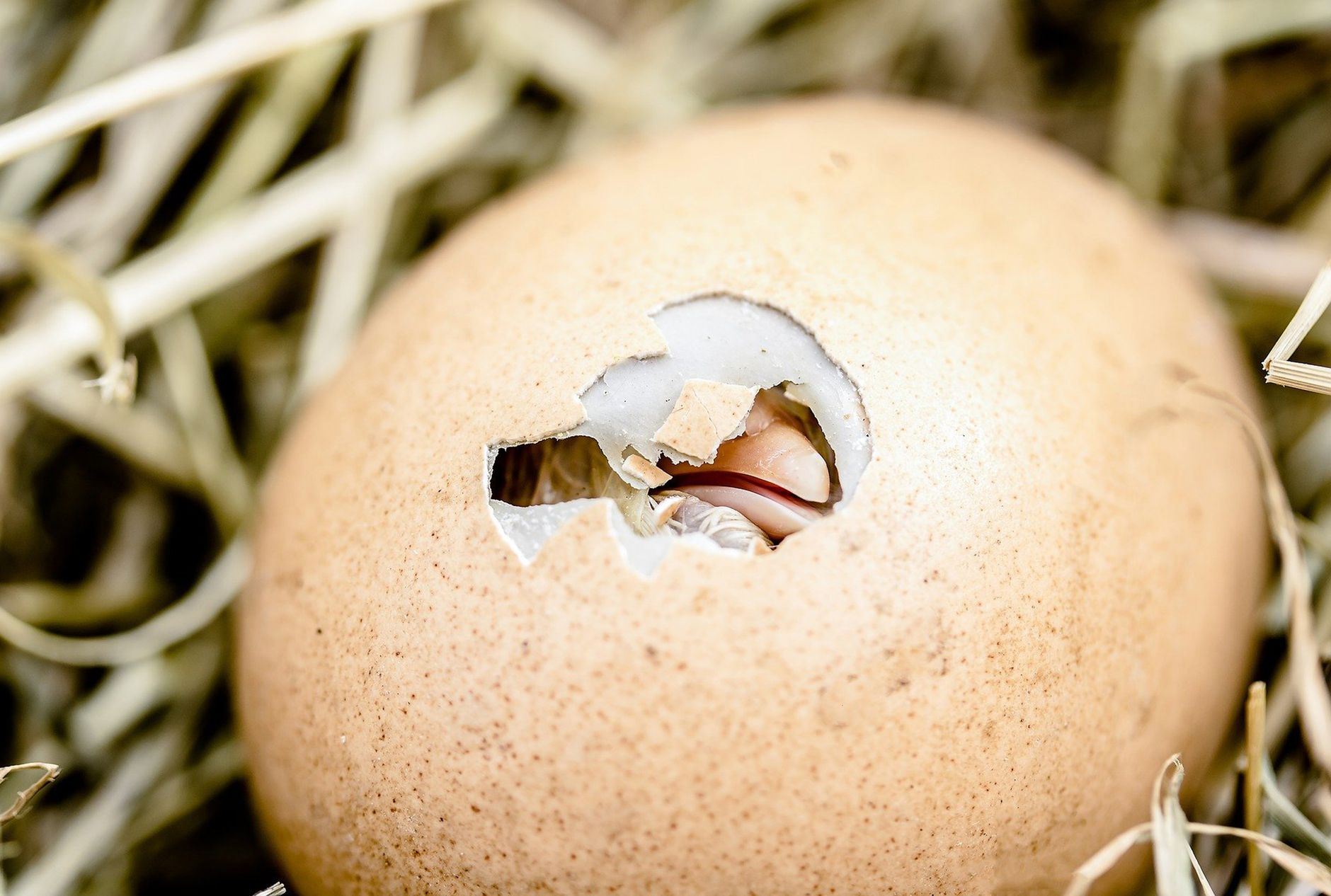
- Egg Laying: The female platypus lays 1-3 leathery eggs in a burrow.
- Incubation: The eggs are incubated for approximately 10 days.
- Hatching: The hatchlings are incredibly small and dependent on their mother for nourishment.
- Milk Production: The mother secretes milk onto her fur, which the young lap up.
The Rudimentary Placenta: A Yolk Sac’s Role
Do platypus have a placenta? The answer is more complex than a simple yes or no. They do possess a structure that functions as a rudimentary placenta, derived from the yolk sac. However, it is crucial to understand its limitations and how it differs from the advanced placentas of eutherian mammals.
- Yolk Sac Origin: The structure arises from the yolk sac, providing initial nourishment to the developing embryo.
- Limited Functionality: Unlike the complex placenta of eutherian mammals, the platypus yolk-sac placenta provides only limited nutrient and gas exchange. It lacks the deep invasion into the uterine wall that characterizes true placentation.
- Short-Lived: Its functionality is relatively short-lived, as the embryo quickly transitions to relying on the nutrients stored in the egg yolk.
Comparing Platypus and Eutherian Placentas
To fully appreciate the distinction, it’s helpful to compare the platypus placenta with that of eutherian mammals.
| Feature | Platypus Placenta (Yolk Sac) | Eutherian Placenta |
|---|---|---|
| Origin | Yolk sac | Chorion and allantois |
| Functionality | Limited nutrient and gas exchange | Extensive nutrient, gas, and waste exchange; hormone production |
| Invasiveness | Minimal | Invasive into uterine wall |
| Duration | Short-lived | Long-lasting throughout gestation |
| Complexity | Simple | Complex, highly vascularized |
Why This “Incomplete” Placenta? Evolutionary Perspectives
The presence of a rudimentary yolk-sac placenta in platypuses, coupled with their egg-laying behavior, provides vital clues about the evolution of mammalian reproduction. It suggests an intermediate stage in the transition from egg-laying reptiles to placental mammals. This adaptation likely provided some advantages in nutrient provision and waste removal, even if limited, compared to solely relying on egg yolk.
Misconceptions About Platypus Reproduction
One common misconception is that platypuses have no placental connection at all. While their placenta is unlike those of more familiar mammals, it plays a role in early development. Another misconception is that their reproductive strategy is somehow “inferior.” In reality, it’s a highly successful adaptation that has allowed them to thrive for millions of years.
The Future of Platypus Research
Research into platypus reproduction is ongoing, with scientists using advanced techniques to study the function of the yolk-sac placenta and understand the genetic and molecular mechanisms underlying their unique reproductive strategy. Further research will help paint a more complete picture of their reproductive processes and address the core question: “Do platypus have a placenta?“
Frequently Asked Questions (FAQs)
Do platypus have a true placenta like humans?
No, platypuses do not have a true placenta in the same sense as eutherian mammals like humans. Their placenta is derived from the yolk sac and is less complex and shorter-lived.
What is the primary source of nourishment for a platypus embryo?
The primary source of nourishment is the egg yolk itself. The rudimentary yolk-sac placenta provides some initial support, but the egg yolk contains the bulk of the nutrients required for development.
How long does a platypus egg incubate?
Platypus eggs incubate for approximately 10 days. During this time, the female platypus curls around the eggs in her burrow to keep them warm.
What happens after a platypus egg hatches?
After hatching, the young platypus, called a puggle, is entirely dependent on its mother’s milk. The mother lacks nipples; instead, she secretes milk onto her fur for the puggle to lap up.
Are there any other animals that have a similar placenta to a platypus?
Echidnas, the other extant monotreme, also possess a similar yolk-sac placenta, reflecting their shared evolutionary history and reproductive strategy.
How big is a platypus egg?
Platypus eggs are relatively small, measuring about 1 centimeter in diameter. They are leathery and resemble reptile eggs more than mammalian eggs.
What is the difference between a placenta and a yolk sac?
The placenta is a structure that develops from embryonic tissues (typically the chorion and allantois) and facilitates nutrient, gas, and waste exchange between the mother and fetus. The yolk sac is a membrane that surrounds the yolk and provides initial nutrients to the developing embryo. In platypuses, the yolk sac also forms a rudimentary placenta.
Is the platypus placenta capable of transferring antibodies to the developing embryo?
The extent of antibody transfer via the platypus yolk-sac placenta is not fully understood. Given its limited functionality, it’s likely that antibody transfer is minimal compared to eutherian placentas.
How does the platypus manage waste removal from the embryo?
The yolk-sac placenta plays a role in waste removal, though the exact mechanisms are still being studied. As the embryo develops, it also accumulates waste products within the egg itself.
Why didn’t platypuses evolve a more complex placenta?
The evolutionary trajectory of platypus reproduction likely reflects a trade-off between the benefits of egg-laying (e.g., reduced maternal energy expenditure) and placental development. Their reproductive strategy has proven successful for millions of years, indicating that a more complex placenta was not necessary for their survival.
Does the platypus placenta produce hormones?
The hormone production by the platypus yolk-sac placenta is limited compared to eutherian placentas. Its main function is nutrient and gas exchange, rather than endocrine signaling.
Is the question “Do platypus have a placenta?” still a topic of active research?
Yes, the reproductive biology of monotremes, including the details of their yolk-sac placenta, remains an active area of research. Scientists are using modern techniques to investigate the genetic and molecular basis of their unique reproductive strategy and to better understand the evolutionary history of mammalian reproduction, particularly how this relates to the question “Do platypus have a placenta?“