

What Home Remedy Can I Give My Cat for Fever?
A cat fever can be worrying, but while a vet visit is always recommended, you can offer temporary relief by gently cooling your cat with lukewarm water and ensuring they stay hydrated until professional help is available. Never give your cat human medication.

Understanding Feline Fever: An Introduction
A fever in cats, medically termed pyrexia, indicates that the cat’s body temperature is abnormally high. The normal body temperature for a cat typically ranges between 100.5°F and 102.5°F (38.1°C and 39.2°C). Anything above 102.5°F is generally considered a fever and warrants concern. Identifying a fever early and knowing what home remedy can I give my cat for fever? is crucial for providing comfort and potentially mitigating complications until professional veterinary care can be sought. This article provides guidance on recognizing fever symptoms and providing supportive care at home, while emphasizing the importance of prompt veterinary attention.
Identifying a Fever in Your Cat
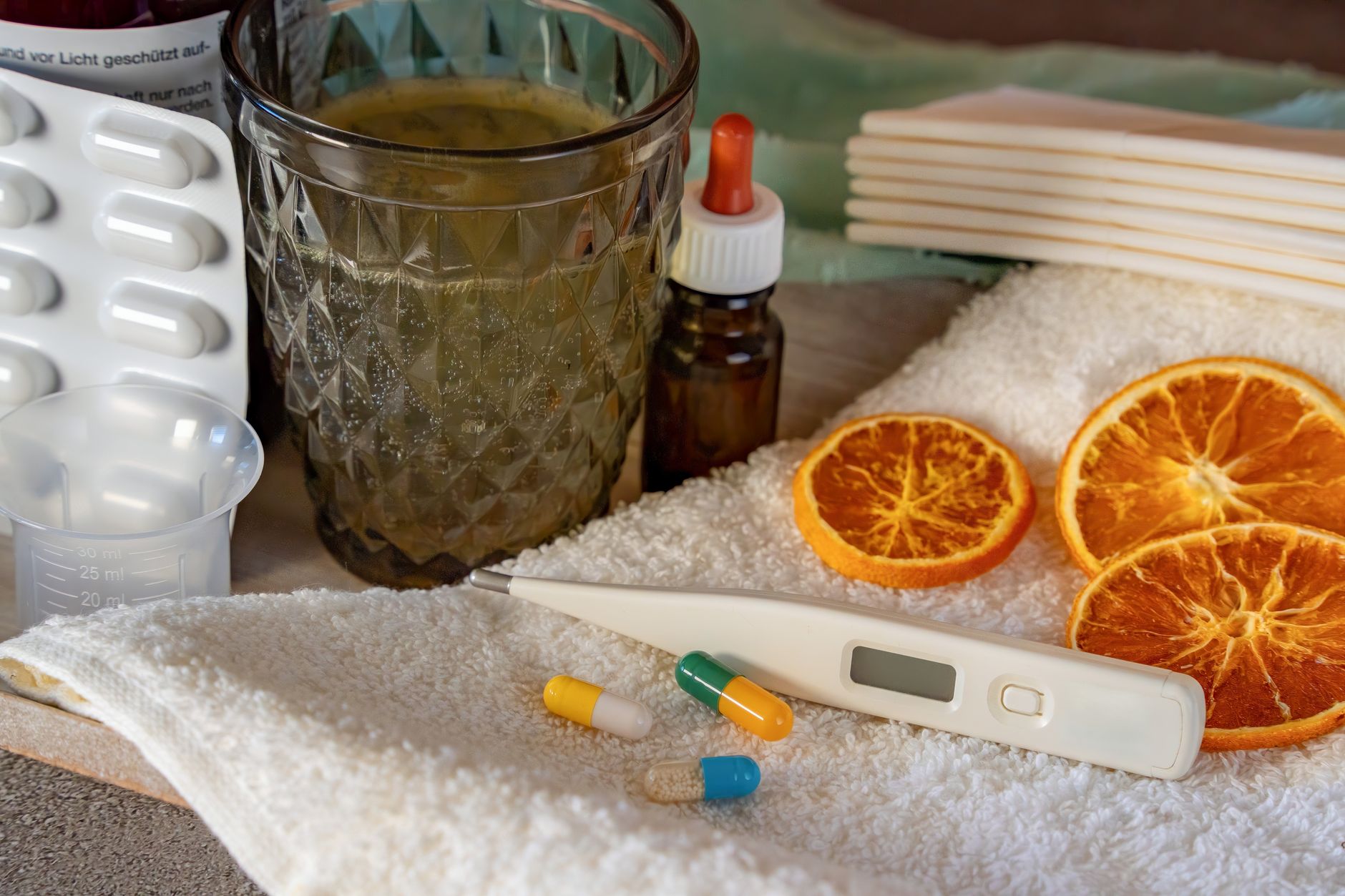
Before attempting any home remedy, it’s crucial to accurately assess if your cat has a fever. Observing your cat’s behavior and looking for specific signs can help you determine if a fever is present.
Common symptoms of fever in cats include:
- Lethargy or weakness
- Loss of appetite
- Shivering or rapid breathing
- Dehydration (indicated by dry gums and loss of skin elasticity)
- Hiding or seeking out cooler places
- Decreased grooming
Taking your cat’s temperature is the most accurate way to confirm a fever. This is typically done rectally using a digital thermometer. Always use a thermometer specifically for pets and lubricate it well. If you are uncomfortable or unable to take your cat’s temperature rectally, consult your veterinarian for guidance.
Temporary Home Care for a Feline Fever
What home remedy can I give my cat for fever? While not a substitute for veterinary care, these steps can provide temporary comfort:
- Hydration: Encourage your cat to drink water. Offer fresh water frequently, and consider using a pet water fountain to entice them.
- Cooling Measures: Gently dampen your cat’s fur with lukewarm water (never cold). Focus on the paws, ears, and groin area. Avoid soaking the fur completely.
- Comfortable Environment: Provide a cool, quiet, and comfortable resting place. Ensure good ventilation.
- Monitor: Closely observe your cat for any changes in behavior or worsening of symptoms.
Things to Avoid
When dealing with a feline fever, it’s just as important to know what not to do as it is to know what home remedy can I give my cat for fever?.

- Human Medications: Never give your cat human medications like acetaminophen (Tylenol) or ibuprofen (Advil). These are highly toxic to cats and can be fatal.
- Cold Water or Ice: Avoid using very cold water or ice packs, as these can cause shock and are counterproductive.
- Forcing Food or Water: If your cat is unwilling to eat or drink, do not force them. This could lead to aspiration.
- Delaying Veterinary Care: Home remedies are meant to provide temporary relief. A vet visit is essential to diagnose the underlying cause of the fever and provide appropriate treatment.
The Importance of Veterinary Care
A fever is often a symptom of an underlying condition, which could be:
- Infection (bacterial, viral, or fungal)
- Inflammation
- Abscess
- Certain medications
- Autoimmune disease
- Cancer
Your veterinarian will perform a thorough examination and run diagnostic tests (such as blood work, urine analysis, and X-rays) to determine the cause of the fever. Based on the diagnosis, they will recommend an appropriate treatment plan, which may include antibiotics, anti-inflammatory medications, or other therapies. Early diagnosis and treatment are crucial for preventing complications and ensuring your cat’s recovery. Remember that home remedies are supplementary measures and should never replace professional veterinary care.
Summary Table: Home Remedy Dos and Don’ts
| Action | What To Do | What NOT To Do |
|---|---|---|
| Hydration | Offer fresh, clean water frequently. | Force your cat to drink if they are unwilling. |
| Cooling | Use lukewarm water to gently dampen fur. | Use cold water or ice packs. |
| Medication | None (without veterinary guidance) | Give human medications like Tylenol or Advil. |
| Overall Care | Provide a comfortable and quiet environment. | Delay seeking professional veterinary attention. |
Frequently Asked Questions (FAQs)
What is considered a fever in cats?
A fever in cats is generally considered to be a body temperature above 102.5°F (39.2°C). It’s important to note that even a slight increase in temperature can be significant and should be monitored closely.
Can I give my cat aspirin for a fever?
No, you should never give your cat aspirin or any other human pain medication. Aspirin is toxic to cats and can cause serious side effects, including gastrointestinal ulcers and liver damage. Always consult your veterinarian before administering any medication to your cat.
How do I take my cat’s temperature?
The most accurate way to take your cat’s temperature is rectally. Use a digital thermometer specifically for pets, lubricate it well with petroleum jelly, and gently insert it about an inch into your cat’s rectum. If you are uncomfortable with this procedure, consult your veterinarian.
My cat is panting and seems hot. Is this a fever?
Panting in cats is unusual and could indicate a fever or another underlying medical condition. It’s essential to take your cat’s temperature to confirm whether a fever is present and to consult your veterinarian promptly.
What are some common causes of fever in cats?
Common causes of fever in cats include infections (bacterial, viral, or fungal), inflammation, abscesses, certain medications, autoimmune diseases, and cancer. Determining the underlying cause requires veterinary diagnostics.
How can I encourage my cat to drink more water?
To encourage your cat to drink more water, try offering fresh water frequently, using a pet water fountain, adding a small amount of tuna juice to the water, or providing wet food. Proper hydration is crucial for supporting your cat’s recovery.
Is it safe to bathe my cat to lower their fever?
It is generally not recommended to bathe your cat to lower their fever, as this can cause them to become chilled and uncomfortable. Instead, gently dampen their fur with lukewarm water, focusing on the paws, ears, and groin area. Avoid soaking the fur completely.
What signs indicate that my cat needs immediate veterinary care?
Signs that your cat needs immediate veterinary care include a high fever (above 104°F), difficulty breathing, severe lethargy or weakness, vomiting, diarrhea, seizures, or any other concerning symptoms. Time is of the essence in these situations.
Can stress cause a fever in cats?
While stress can indirectly affect a cat’s immune system, it is not a direct cause of fever. A fever is usually a sign of an underlying medical condition. However, stress can exacerbate existing health issues, making it even more important to seek veterinary care.
How long should a fever last in a cat before I become concerned?
If your cat has a fever that lasts for more than 24 hours, it’s essential to consult your veterinarian. A persistent fever indicates that there is an underlying condition that needs to be addressed.
What is the treatment for a fever in cats?
The treatment for a fever in cats depends on the underlying cause. Your veterinarian may prescribe antibiotics for bacterial infections, antiviral medications for viral infections, anti-inflammatory medications to reduce inflammation, or other therapies based on the diagnosis. It’s crucial to follow your veterinarian’s instructions carefully.
What home remedy can I give my cat for fever, if I’m far from a vet?
If veterinary care is temporarily inaccessible, focus on keeping your cat comfortable and hydrated. Offer small amounts of water frequently. Gently dampen their fur with lukewarm water, avoiding cold water or ice. Monitor their condition closely and seek professional veterinary attention as soon as possible. Remember, what home remedy can I give my cat for fever is only a temporary solution, not a replacement for professional veterinary care.