

What Temperature Do You Incubate Western Hognose? Ensuring Hatching Success
Western Hognose eggs require a stable incubation temperature for successful hatching. The ideal temperature range is between 82-86°F (28-30°C) for optimal development and hatch rates.
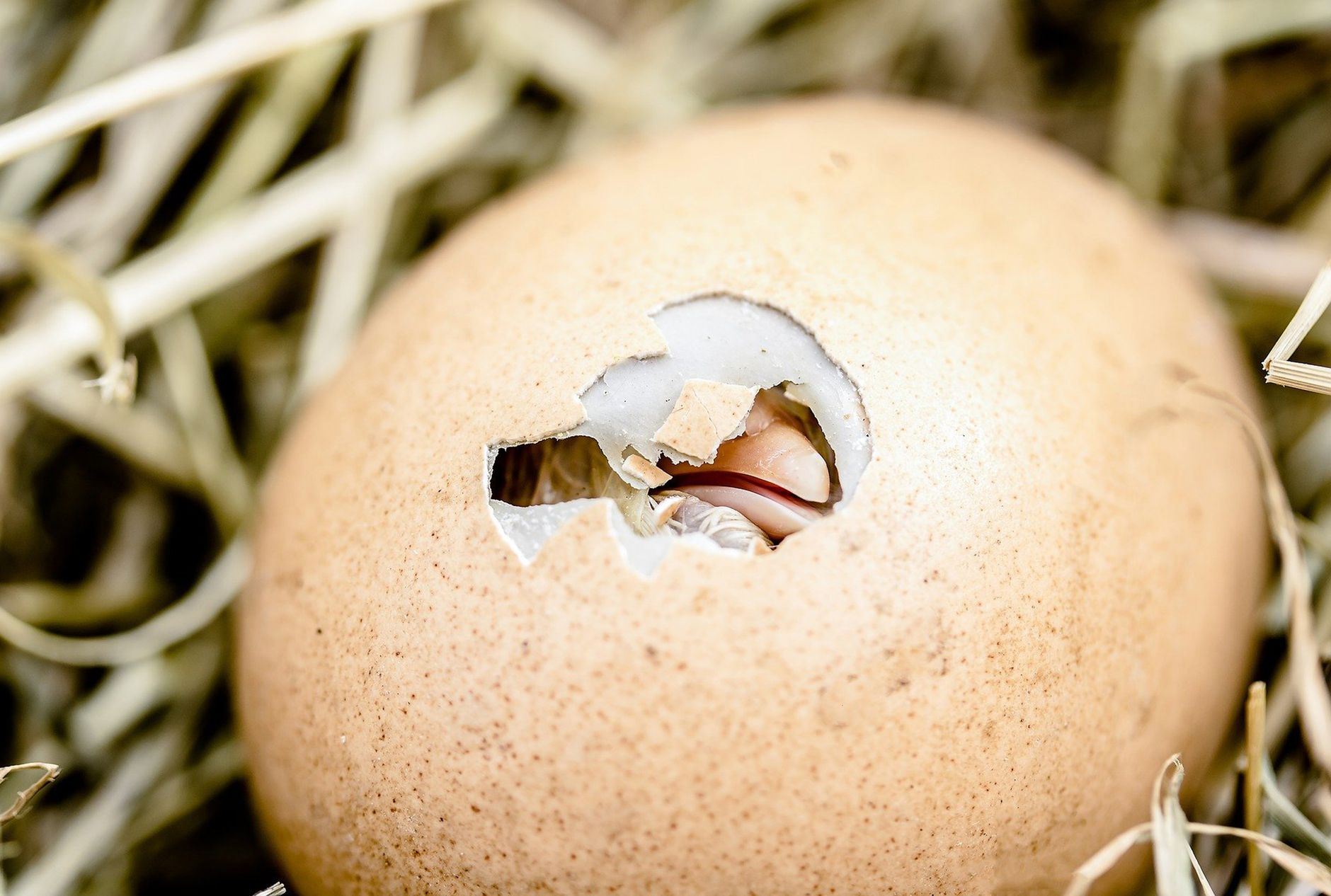
Understanding the Importance of Incubation Temperature for Western Hognose Snakes
Incubation temperature is a critical factor in the successful hatching of Western Hognose snakes. Unlike mammals that internally regulate the temperature of their developing offspring, reptiles rely on external heat sources to facilitate embryonic development. What temperature do you incubate Western Hognose? Getting this right is paramount for viability.

Is distilled water good for goldfish?
What colours are fish most attracted to?
Can you put your finger in a trout's mouth?
Is methylene blue anti bacterial?
The Impact of Temperature on Hatchling Sex

Temperature-dependent sex determination (TSD) is a phenomenon found in some reptile species where the incubation temperature influences the sex ratio of the hatchlings. Although not definitively proven in Western Hognose snakes, many breeders believe that higher incubation temperatures can lead to a higher proportion of females, while lower temperatures may produce more males. However, relying solely on temperature to control sex is unreliable and can lead to developmental problems. Focus on optimal temperature ranges for healthy hatchlings, regardless of sex.
Ideal Incubation Temperature Range: 82-86°F (28-30°C)
The optimal temperature range for incubating Western Hognose eggs falls between 82-86°F (28-30°C). Within this range, embryos develop at a healthy pace and have the best chance of hatching successfully.
- Lower End (82°F/28°C): Development is slower, and incubation times are longer. While some breeders prefer this for perceived hardier hatchlings, it also slightly increases the risk of developmental problems if the temperature fluctuates too much.
- Higher End (86°F/30°C): Development is faster, resulting in shorter incubation times. However, this also increases the risk of deformities or other issues if the temperature is consistently too high.
- The Sweet Spot (84°F/29°C): Many experienced breeders find that 84°F (29°C) provides a good balance between development speed and hatchling health.
Achieving and Maintaining the Correct Temperature
Maintaining a stable and consistent temperature is crucial. Here’s how to achieve it:
- Incubator Choice: Reptile incubators are specifically designed for this purpose and offer precise temperature control. Options range from basic models to advanced ones with digital displays and humidity controls.
- Temperature Monitoring: Use a reliable digital thermometer with a probe placed near the eggs to continuously monitor the temperature. Calibrate the thermometer regularly to ensure accuracy.
- Backup Plan: In case of power outages or incubator malfunction, have a backup plan in place, such as a secondary incubator or a way to temporarily maintain the temperature using insulated containers and heat packs.
- Avoid Direct Heat: Never place eggs directly on a heat source. Use proper spacing and water barriers.
Incubation Substrates and Humidity
The substrate you use for incubation plays a vital role in maintaining proper humidity levels, which are just as important as temperature.
- Common Substrates: Vermiculite, perlite, and dampened paper towels are popular choices.
- Humidity Levels: Aim for a humidity level of around 70-80%. You can monitor humidity using a hygrometer.
- Water Ratio: Mix vermiculite or perlite with water by weight (approximately 1:1 ratio) to achieve the desired humidity. Squeeze out any excess water before placing the substrate in the incubation container.
- Container: Use a sealed container with small ventilation holes to maintain humidity while allowing for some air exchange.
Common Mistakes to Avoid
Several common mistakes can negatively impact incubation success:
- Temperature Fluctuations: Avoid drastic temperature changes. Even small fluctuations can stress the developing embryos.
- Improper Humidity: Too much or too little humidity can lead to problems like mold growth or dehydration.
- Egg Turning (Generally Not Recommended): Unlike bird eggs, reptile eggs should generally not be turned after the first few days of incubation. This can disrupt the developing embryo.
- Contamination: Maintaining a clean environment is essential to prevent bacterial or fungal growth.
Troubleshooting Incubation Problems
Even with careful planning, problems can sometimes arise during incubation. Here are some common issues and potential solutions:
- Egg Collapse: This can indicate dehydration. Increase humidity levels in the incubator.
- Egg Mold: This usually indicates excessive humidity or poor ventilation. Reduce humidity and increase ventilation.
- No Hatching: If the eggs are overdue and show no signs of pipping (breaking out of the shell), gently candle the eggs to check for signs of life. If the embryos appear healthy, you can carefully assist hatching by making a small slit in the egg.
What temperature do you incubate Western Hognose? Adhering to the recommended temperature and providing a stable environment are crucial for successful hatching.
Frequently Asked Questions (FAQs)
How long does it take for Western Hognose eggs to hatch?
The incubation period for Western Hognose eggs typically ranges from 50 to 60 days when incubated at the optimal temperature range of 82-86°F (28-30°C). Lower temperatures will result in longer incubation times.
What happens if the incubation temperature is too low?
If the incubation temperature is consistently too low, the embryos will develop more slowly, and the incubation period will be significantly longer. This can also increase the risk of developmental problems and lower hatch rates.
What happens if the incubation temperature is too high?
Consistently high incubation temperatures can lead to rapid development, which may result in hatchlings with deformities or other health issues. It’s crucial to avoid temperatures consistently above 86°F (30°C).
How do I know if the humidity is correct?
Monitor humidity levels using a hygrometer. The ideal humidity range is 70-80%. You can also observe the eggs themselves. If they appear shriveled or collapsed, the humidity is likely too low. If they are excessively moist or moldy, the humidity is too high.
Can I use an egg incubator designed for birds?
While bird incubators can be modified for reptile eggs, they are not ideal. Bird incubators often require egg turning and may not offer the precise temperature and humidity control needed for successful reptile incubation. Using a reptile-specific incubator is highly recommended.
Do I need to candle the eggs?
Candling is a useful technique for checking the viability of the eggs. After about two weeks of incubation, you can use a bright light (like a flashlight) to shine through the egg. If the egg is fertile, you should be able to see veins and a developing embryo.
What should I do if an egg starts to mold?
If you notice mold growing on an egg, carefully remove it from the incubator to prevent the spread of mold to other eggs. Gently clean the affected area with a mild antifungal solution (such as diluted betadine) if the mold is minimal. Increase ventilation and reduce humidity slightly.
Can I move the eggs after they are laid?
Yes, you can move the eggs after they are laid, but it’s important to do so carefully and within the first few days. Avoid rotating the eggs excessively, as this can disrupt the developing embryo. After a few days, the embryo will attach to the side of the egg, and turning it can cause damage.
My incubator temperature fluctuates slightly. Is this a problem?
Minor temperature fluctuations (within 1-2°F) are generally not a major concern, as long as the overall temperature remains within the acceptable range. However, large or frequent fluctuations can be stressful to the developing embryos. Aim for stable temperature.
What do I do if a hatchling has difficulty hatching?
If a hatchling is struggling to hatch after pipping the egg, you can carefully assist by making a small slit in the eggshell. Be extremely cautious not to damage the hatchling. If the hatchling is still attached to the yolk sac, leave it attached and allow it to absorb the yolk before removing it from the egg.
How long can Western Hognose eggs survive outside the incubator?
Western Hognose eggs are very sensitive to temperature fluctuations and dessication. They should be moved to a proper incubator as soon as possible and shouldn’t be left outside for more than a few hours.
What happens if the power goes out for a long time during incubation?
If a power outage occurs, try to minimize temperature fluctuations as much as possible. Insulate the incubator with blankets or towels to help retain heat. You can also use heat packs or hand warmers to provide a temporary heat source. The length of time an egg can survive this issue depends on the environmental temperatures.