

How Long Do Betta Fish Live in the Pet Store?
Betta fish in pet stores typically live for a few weeks to a few months, depending on factors like care quality, age upon arrival, and overall health before being sold. Proper care greatly influences how long betta fish live in the pet store.
The Journey to the Pet Store: A Stressful Start
Understanding how long betta fish live in the pet store requires appreciating their journey before arrival. Betta fish are often bred in large-scale operations, sometimes overseas. They’re then shipped in small, individual containers, minimizing space and water usage. This process, while efficient for transport, is incredibly stressful for the fish. Factors contributing to this stress include:
- Confined Spaces: Small containers restrict movement and can lead to muscle atrophy.
- Water Quality: Water quality can deteriorate during transport, exposing bettas to ammonia and other toxins.
- Temperature Fluctuations: Temperature variations during shipping can weaken their immune systems.
- Darkness and Lack of Stimulation: Prolonged darkness and lack of environmental stimulation negatively impact their well-being.
This stressful introduction significantly affects their health and lifespan, ultimately impacting how long betta fish live in the pet store and even their subsequent survival in a new owner’s home.

What fish is Flo?
How intelligent are fish?
Are fish heads good for the garden?
Can fish hear water?
Pet Store Care: A Mixed Bag
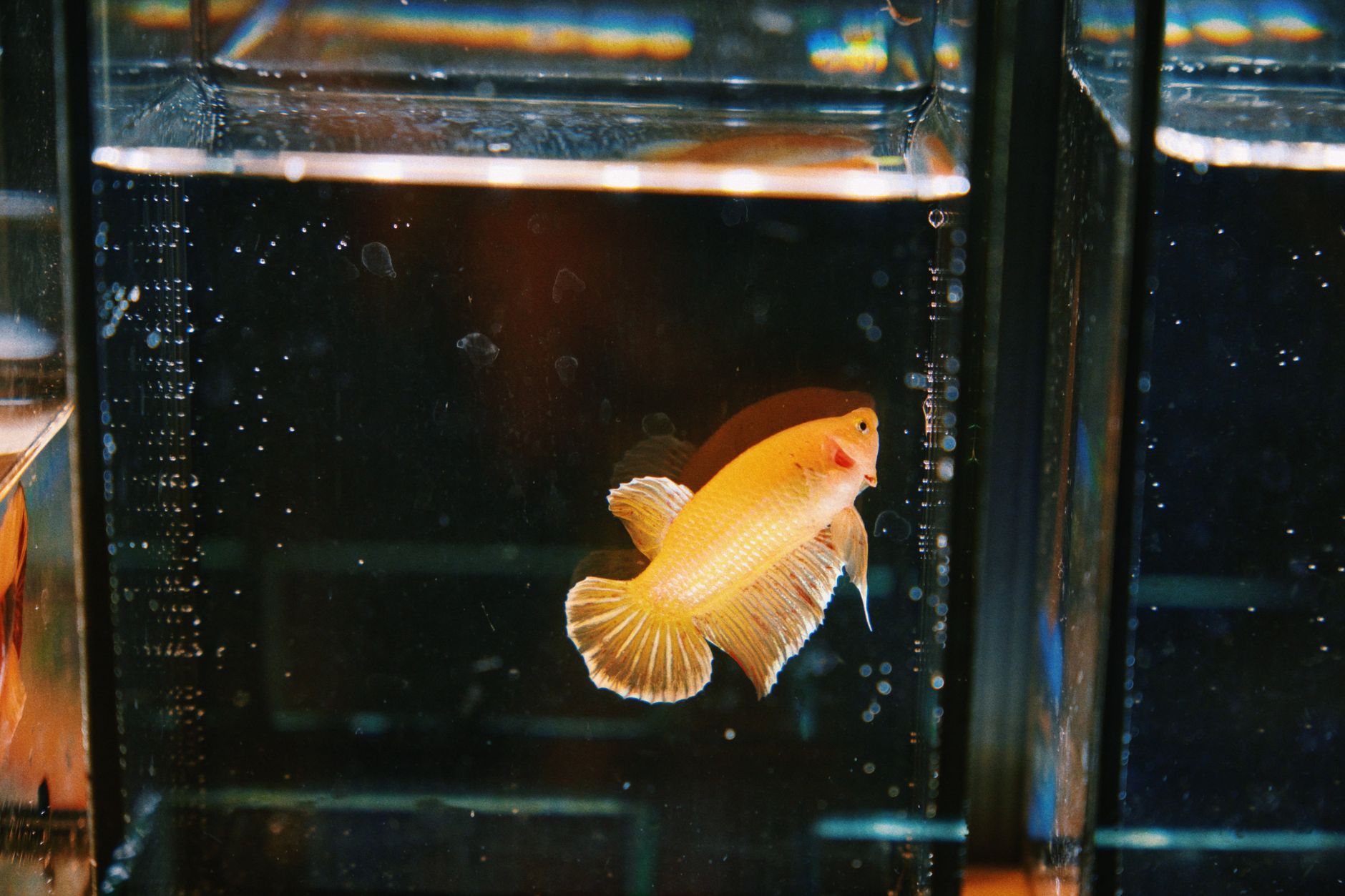
The quality of care provided in pet stores varies widely. Some stores prioritize proper betta care, while others focus on maximizing profits with minimal investment. Key aspects of pet store care that influence betta lifespan include:
- Water Quality: Bettas are often kept in small cups with infrequent water changes. Poor water quality leads to ammonia buildup, weakening their immune system and making them susceptible to disease.
- Temperature: Bettas are tropical fish and require warm water (78-82°F). Maintaining a consistent, appropriate temperature is crucial. Stores that don’t prioritize heating often house bettas in cold conditions, stressing them and increasing their risk of illness.
- Feeding: Overfeeding or underfeeding can both negatively impact betta health. Proper feeding involves providing small, high-quality meals appropriate for their size and age.
- Disease Management: Bettas are prone to certain diseases, such as fin rot and ich. Early detection and treatment are essential, but many stores lack the resources or expertise to effectively manage these issues.
- Cup Size and Environment: Even providing a slightly larger cup, or a stimulating environment (even just a different color backdrop) can extend a bettas life expectancy in the pet store.
Age Matters: Arrival Age vs. Expected Lifespan
How long betta fish live in the pet store is also tied to their age upon arrival. Many bettas are already several months old when they reach the store. Given that the average betta lifespan is 3-5 years, a significant portion of their life may already be over. Identifying a betta’s age can be difficult, but larger, more mature bettas are generally older. Therefore, a betta in a pet store could range from a young adult to an older individual nearing the end of its natural life, making it difficult to generalize their remaining lifespan.
The Impact of Stress: A Silent Killer
Stress is a major factor affecting how long betta fish live in the pet store. The combination of stressful shipping, poor water quality, and inadequate care weakens their immune systems, making them more vulnerable to disease and premature death. Chronic stress can also shorten their overall lifespan. The longer a betta remains in a pet store environment, the more likely it is to succumb to the cumulative effects of stress.
Extending Betta Lifespan in the Pet Store: What Can Be Done?
While the pet store environment presents challenges, there are steps that can be taken to improve betta well-being and extend their lifespan:
- Improved Water Quality: Regular water changes and the use of water conditioners to remove chlorine and chloramine are essential.
- Temperature Control: Utilizing heaters to maintain a stable and appropriate water temperature is crucial.
- Nutritious Feeding: Providing high-quality betta pellets and occasional treats in appropriate portions is vital.
- Larger Cups or Small Tanks: Moving bettas to larger containers with filtration systems can significantly improve their quality of life.
- Regular Observation and Treatment: Vigilant observation for signs of illness and prompt treatment can prevent diseases from becoming fatal.
Understanding the Factors: A Table of Considerations
| Factor | Impact on Betta Lifespan | Mitigation Strategies |
|---|---|---|
| Shipping Stress | Reduced Immune System | Reduce shipping time, improve packaging, maintain stable temp. |
| Water Quality | Toxicity, Disease | Frequent water changes, use of water conditioners. |
| Temperature | Stress, Weakened Immunity | Maintain stable temperature with heaters. |
| Feeding Practices | Malnutrition, Obesity | Provide balanced diet, avoid overfeeding. |
| Disease | Premature Death | Early detection and treatment. |
Frequently Asked Questions (FAQs)
How long is too long for a betta fish to be in a pet store cup?
Ideally, a betta should not remain in a pet store cup for more than a few weeks. The longer they stay in those small, often unheated and unfiltered cups, the greater the risk of health problems due to stress and poor water quality. Extended periods in these conditions drastically reduce their chances of a long and healthy life.
What are the signs of a healthy betta fish in a pet store?
A healthy betta will be active and alert, with bright colors and intact fins. They should readily eat when offered food and exhibit no signs of illness, such as clamped fins, lethargy, or visible parasites. Observing their behavior and physical appearance is key to assessing their health.
What are the signs of an unhealthy betta fish in a pet store?
Signs of an unhealthy betta include lethargy, clamped fins, pale colors, cloudy eyes, bloating, and difficulty breathing. They may also refuse to eat or exhibit unusual swimming patterns. Fin rot, characterized by ragged or decaying fins, is a common sign of poor water quality.
Can I ask the pet store employee about the betta’s history?
Yes, it’s always a good idea to ask pet store employees about a specific betta’s history, including how long it’s been in the store and any known health issues. While their knowledge may be limited, they can often provide valuable information.
Is it ethical to buy a sick betta fish to rescue it?
This is a personal decision. While buying a sick betta allows you to provide better care, it also supports the pet store’s practice of keeping bettas in poor conditions. Some argue that rescuing a sick betta encourages the store to continue these practices. Consider the ethical implications carefully.
What should I do if I see a betta fish being mistreated in a pet store?
You can politely express your concerns to the store management, providing specific examples of mistreatment. You can also report the store to animal welfare organizations or consumer protection agencies if the mistreatment is severe or persistent. Direct communication is often the most effective approach.
How can I prepare my tank before bringing a betta home from the pet store?
Before bringing a betta home, ensure your tank is fully cycled, heated to 78-82°F, and equipped with a filter. Have appropriate decorations and hiding places, but avoid sharp or abrasive objects that could damage their fins. A well-prepared environment is crucial for a smooth transition and long-term health.
What’s the best way to acclimate a betta fish to a new tank?
Float the bag containing the betta in the tank for 15-30 minutes to equalize the temperature. Then, slowly add small amounts of tank water to the bag over another 30-60 minutes before gently releasing the betta into its new home. This gradual acclimation minimizes stress.
What kind of food should I feed my new betta fish?
Feed your betta high-quality betta pellets or flakes specifically formulated for bettas. Supplement their diet with occasional treats like bloodworms or brine shrimp. Avoid overfeeding; a few small pellets once or twice a day is usually sufficient. Proper nutrition is key to their long-term health and vibrant colors.
How often should I change the water in my betta’s tank?
The frequency of water changes depends on the size of the tank and the filtration system. Generally, a 25-50% water change should be performed weekly in a well-filtered tank. Smaller tanks may require more frequent changes. Always use dechlorinated water.
What are some common betta fish diseases and how can I prevent them?
Common betta diseases include fin rot, ich, and fungal infections. Preventing these diseases involves maintaining good water quality, providing a balanced diet, and avoiding overcrowding. Quarantine new fish before introducing them to your main tank.
How long do betta fish usually live as pets when cared for properly?
With proper care, betta fish can live for 3-5 years, or even longer. Providing a spacious, heated, and filtered tank, a nutritious diet, and regular maintenance will significantly improve their lifespan. Creating a stress-free environment is essential for their well-being and longevity. Understanding how long betta fish live in the pet store and providing a better home improves their chance of survival.