
What Symbolizes Disrespect? A Deep Dive into Cultural and Social Norms
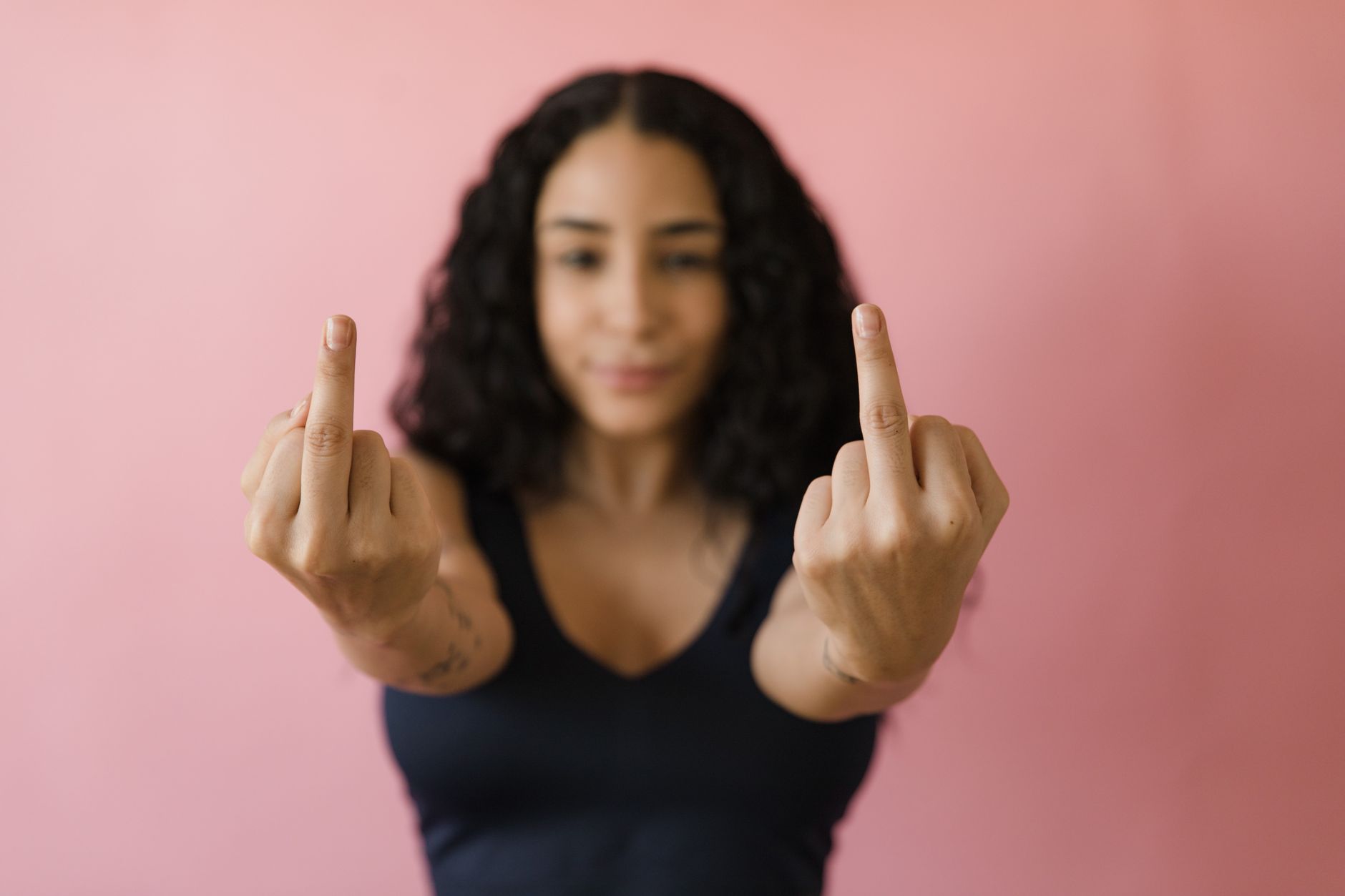
What symbolizes disrespect? Disrespect is symbolized by actions, words, or even omissions that devalue, dismiss, or degrade another person or group, and can vary drastically depending on cultural context and individual perception.

Understanding Disrespect: A Multifaceted Concept
Disrespect is a pervasive human experience, manifesting in countless forms across various social and cultural landscapes. It’s a nuanced concept, often interpreted subjectively, making its identification and navigation a complex endeavor. At its core, disrespect involves a perceived violation of expected social norms and interpersonal boundaries. It’s not merely disagreement; it’s the act of devaluing another’s worth, opinions, or identity. Understanding what symbolizes disrespect requires acknowledging its dependence on context, relationship dynamics, and individual sensitivities.
What colours are fish most attracted to?
Can you put your finger in a trout's mouth?
Is methylene blue anti bacterial?
Does aquarium salt raise pH in aquarium?
The Cultural Lens: Disrespect Across Societies

The symbols of disrespect vary significantly across cultures. What might be considered a harmless gesture in one society could be deeply offensive in another.
- Eye contact: In many Western cultures, maintaining eye contact is seen as a sign of honesty and attentiveness. However, in some Asian and African cultures, prolonged or direct eye contact, especially with elders or superiors, can be viewed as disrespectful and challenging.
- Physical touch: The appropriateness of physical touch varies dramatically. Public displays of affection common in some cultures are considered highly inappropriate in others. Similarly, touching someone’s head, considered sacred in certain cultures, is often seen as disrespectful.
- Gift-giving: Even the act of giving gifts can be fraught with potential for disrespect. In some cultures, specific colors or types of gifts are considered unlucky or offensive. For example, giving clocks as gifts in some Asian cultures is seen as a bad omen.
- Body language: Slouching, crossing one’s arms, or chewing gum in public can be perceived as disrespectful behaviors in certain contexts.
Understanding these cultural nuances is crucial in avoiding unintentional acts of disrespect and fostering positive cross-cultural interactions.
Power Dynamics and Disrespect
Disrespect is often intertwined with power dynamics. Those in positions of authority (e.g., supervisors, teachers, elders) can wield power to disrespect subordinates, students, or younger individuals through belittling comments, unfair treatment, or blatant disregard for their opinions. Conversely, challenging authority figures can also be perceived as disrespectful, particularly in hierarchical societies. These power imbalances can create a climate of fear and silence, inhibiting open communication and fostering resentment.
Verbal and Non-Verbal Cues of Disrespect
Disrespect manifests in both verbal and non-verbal communication:
- Verbal: Insults, belittling comments, sarcasm, condescending tone, interrupting someone while they are speaking, name-calling, and public criticism are all forms of verbal disrespect.
- Non-Verbal: Eye-rolling, ignoring someone, sighing loudly, dismissive gestures, invasion of personal space, and lack of attentiveness are examples of non-verbal disrespect.
Recognizing these cues, both in oneself and in others, is essential for fostering respectful communication and preventing misunderstandings.
The Impact of Disrespect
The consequences of disrespect can be far-reaching, affecting individuals, relationships, and entire communities.
- Erosion of trust: Disrespect undermines trust, creating distance and resentment between individuals.
- Damage to self-esteem: Constant exposure to disrespectful behavior can negatively impact self-esteem and confidence.
- Conflict and aggression: Disrespect can escalate conflicts and lead to aggressive behavior.
- Reduced productivity: In the workplace, disrespect can lower morale, decrease productivity, and increase turnover rates.
- Social unrest: Systemic disrespect towards marginalized groups can lead to social unrest and injustice.
Addressing and mitigating disrespect is crucial for building healthy relationships, fostering positive environments, and promoting social harmony. Understanding what symbolizes disrespect is the first step.
Overcoming Disrespect: Fostering Respectful Communication
Cultivating respect requires conscious effort and a commitment to understanding and valuing others.
- Active listening: Pay attention to what others are saying, both verbally and non-verbally.
- Empathy: Try to understand the perspectives and feelings of others.
- Clear communication: Express yourself clearly and respectfully.
- Conflict resolution skills: Learn how to resolve conflicts constructively and respectfully.
- Self-awareness: Be aware of your own biases and how your behavior might be perceived by others.
- Cultural sensitivity: Educate yourself about different cultures and customs.
By actively practicing these skills, we can create more respectful and inclusive environments for ourselves and others.
Frequently Asked Questions About Disrespect
What are some subtle signs of disrespect in a professional setting?
Subtle signs of disrespect in a professional environment can include consistently interrupting someone during meetings, taking credit for others’ ideas, excluding someone from important conversations or emails, and giving dismissive or condescending feedback. These actions, though seemingly minor, can create a toxic and unproductive work environment.
How does disrespect differ from constructive criticism?
The key difference lies in the intent and delivery. Constructive criticism aims to help someone improve, focusing on specific behaviors or outcomes and offering suggestions for improvement. Disrespect, on the other hand, is often motivated by a desire to belittle or demean, using harsh language, personal attacks, or generalizations. Constructive criticism builds up, while disrespect tears down.
Is it possible to unintentionally be disrespectful?
Yes, absolutely. Unintentional disrespect often stems from a lack of awareness of cultural norms, differing communication styles, or unconscious biases. It underscores the importance of self-reflection, seeking feedback, and being open to learning from mistakes.
What should you do if you feel disrespected by someone?
The best course of action depends on the situation. If you feel safe and comfortable, try to address the issue directly and respectfully with the person who disrespected you, explaining how their words or actions made you feel. If the disrespect is persistent or escalates, consider seeking support from a trusted friend, colleague, or supervisor.
How can you teach children about respect?
Teaching children about respect involves modeling respectful behavior, explicitly teaching them about empathy, kindness, and consideration for others, and providing opportunities for them to practice these skills. It also involves setting clear boundaries and consequences for disrespectful behavior.
Why is it important to address disrespectful behavior?
Addressing disrespectful behavior is crucial for maintaining healthy relationships, fostering positive environments, and preventing escalation of conflict. Allowing disrespect to go unchecked can create a climate of fear, resentment, and injustice.
How does social media contribute to disrespectful behavior?
Social media can amplify disrespectful behavior due to its anonymity, lack of accountability, and potential for viral spread. Online platforms can provide a space for cyberbullying, harassment, and the rapid dissemination of misinformation, contributing to a culture of disrespect.
Can silence be a form of disrespect?
Yes, intentional silence can be a form of disrespect, particularly when someone is expected to offer support, acknowledgment, or assistance. Ignoring someone can be a powerful way to devalue their worth and contributions.
How does cultural context influence the perception of disrespect?
As mentioned earlier, cultural context significantly shapes the perception of disrespect. What is considered respectful in one culture might be offensive in another. Understanding these cultural differences is essential for avoiding unintentional disrespect and fostering positive cross-cultural interactions. This is a key element of what symbolizes disrespect.
What is the difference between being assertive and being disrespectful?
Assertiveness involves confidently and respectfully expressing your needs and opinions, while respecting the rights and opinions of others. Disrespect, on the other hand, involves disregarding or devaluing others’ feelings, opinions, or boundaries. The key difference is in the intent and the impact on others.
How can organizations foster a culture of respect in the workplace?
Organizations can foster a culture of respect by establishing clear policies against harassment and discrimination, providing training on respectful communication and conflict resolution, promoting diversity and inclusion, and holding employees accountable for their behavior. Leadership plays a critical role in modeling respectful behavior and setting the tone for the entire organization.
Why is understanding what symbolizes disrespect important for building strong relationships?
Because strong relationships are built on trust, empathy, and mutual respect. Comprehending what symbolizes disrespect allows individuals to navigate interactions with greater sensitivity and care, ensuring their actions foster connection rather than alienation. It empowers us to create an environment where everyone feels valued and heard. Ultimately, minimizing acts that symbolize disrespect solidifies bonds and promotes understanding.