

What Can Amoxicillin Treat? Understanding Its Uses and Limitations
Amoxicillin is a versatile penicillin-based antibiotic primarily used to treat a range of bacterial infections, but its effectiveness is limited to infections caused by susceptible bacteria. This article explores what can amoxicillin treat and provides a comprehensive overview of its uses, benefits, and potential limitations.

What is Amoxicillin and How Does it Work?
Amoxicillin is a broad-spectrum antibiotic that belongs to the penicillin family. It works by interfering with the bacteria’s ability to build its cell wall. Specifically, it inhibits the transpeptidases (also known as penicillin-binding proteins, or PBPs) that bacteria use to cross-link peptidoglycans, the main structural component of their cell walls. This weakening of the cell wall leads to bacterial cell death, effectively eliminating the infection.

What colours are fish most attracted to?
Can you put your finger in a trout's mouth?
Is methylene blue anti bacterial?
Does aquarium salt raise pH in aquarium?
Common Infections Treated with Amoxicillin
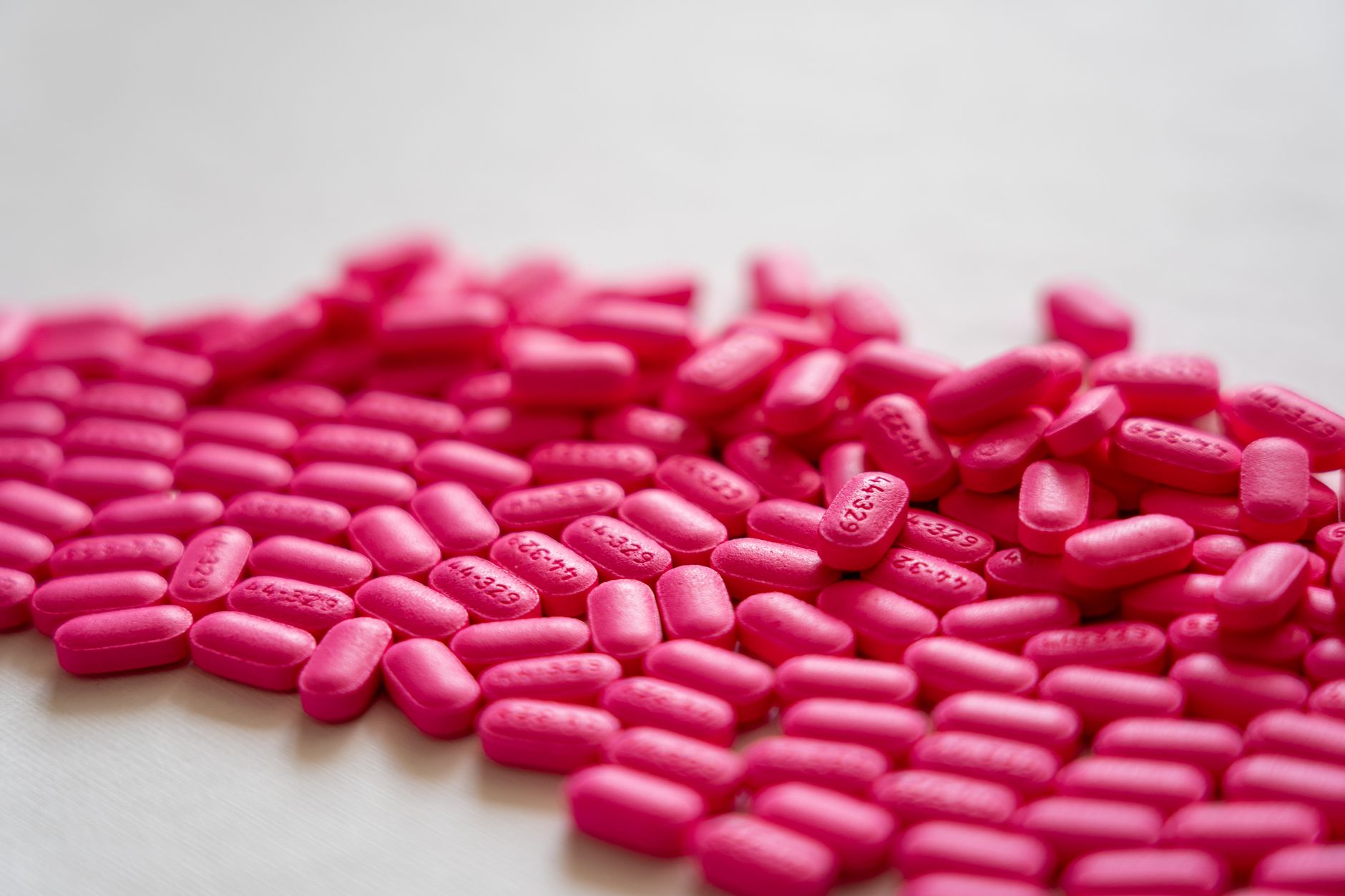
What can amoxicillin treat? Amoxicillin is effective against a variety of bacterial infections. Here’s a breakdown of some common conditions it’s prescribed for:
- Respiratory Tract Infections:
- Bronchitis (bacterial)
- Pneumonia (certain types, bacterial)
- Sinus infections (bacterial)
- Ear infections (otitis media)
- Strep throat (streptococcal pharyngitis)
- Skin Infections:
- Cellulitis (mild to moderate)
- Impetigo
- Urinary Tract Infections (UTIs):
- Cystitis (bladder infection) – Amoxicillin is not always the first-line choice for UTIs due to resistance concerns.
- Dental Infections:
- Abscesses
- Other oral infections
- H. pylori Infections:
- As part of a combination therapy to eradicate Helicobacter pylori, a bacterium that can cause stomach ulcers.
- Lyme Disease:
- Early stages of Lyme disease, particularly when other antibiotics are contraindicated.
Benefits of Using Amoxicillin
Amoxicillin offers several advantages as an antibiotic:
- Broad-spectrum activity: Effective against a wide range of bacteria.
- Oral administration: Convenient to take in pill or liquid form.
- Relatively safe: Fewer side effects compared to some other antibiotics.
- Well-studied: Extensive research and clinical experience support its use.
- Cost-effective: Generally affordable.
Limitations and Considerations
While amoxicillin is a valuable antibiotic, it’s important to acknowledge its limitations:
- Ineffective against viral infections: Amoxicillin will not treat colds, the flu, or most sore throats.
- Antibiotic resistance: Overuse can contribute to the development of antibiotic-resistant bacteria.
- Allergic reactions: Some individuals are allergic to penicillin antibiotics, including amoxicillin.
- Side effects: Common side effects include nausea, diarrhea, and rash.
- Drug interactions: Amoxicillin can interact with certain medications.
- Not a cure-all: Not every bacterial infection responds to amoxicillin, and alternative antibiotics may be necessary.
How to Take Amoxicillin Properly
To ensure amoxicillin is effective and to minimize the risk of side effects, follow these guidelines:
- Take as prescribed: Adhere strictly to your doctor’s instructions regarding dosage and duration of treatment.
- Complete the full course: Even if you feel better, finish the entire course of antibiotics to ensure the infection is completely eradicated and to reduce the risk of antibiotic resistance.
- Take with or without food: Amoxicillin can be taken with or without food, but taking it with food may help reduce stomach upset.
- Maintain hydration: Drink plenty of fluids during treatment.
- Report side effects: If you experience any unusual or severe side effects, contact your doctor immediately.
Prevention of Antibiotic Resistance
One of the most pressing issues in modern medicine is the rise of antibiotic resistance. Responsible antibiotic use is crucial to combat this problem. Here are steps you can take:
- Only take antibiotics when prescribed: Don’t demand antibiotics for viral infections.
- Complete the full course: Don’t stop taking antibiotics prematurely.
- Don’t share antibiotics: Never share your antibiotics with others.
- Practice good hygiene: Wash your hands frequently to prevent the spread of infections.
- Get vaccinated: Vaccinations can prevent many bacterial infections.
Table: Common Uses and Limitations of Amoxicillin
| Condition | Amoxicillin Effective? | Notes |
|---|---|---|
| Bacterial Pneumonia | Yes | Certain types of bacterial pneumonia respond well. Resistance is a concern in some strains. |
| Viral Pneumonia | No | Amoxicillin is ineffective against viral infections. |
| Common Cold | No | Colds are caused by viruses. |
| Strep Throat | Yes | Effective treatment for Streptococcus pyogenes (strep throat). |
| Influenza (Flu) | No | The flu is caused by influenza viruses. |
| Ear Infections (Otitis Media) | Yes | Often a first-line treatment, but resistance can occur. |
| Sinus Infections | Yes | For bacterial sinus infections; often prescribed after other treatments fail. |
| Urinary Tract Infection | Yes | Effective for some UTIs, but resistance is increasing, making it less often a first-line choice. |
| Skin Infections | Yes | Effective for many skin infections, like cellulitis or impetigo. |
| H. pylori Infection | Yes | Used in combination with other medications to eradicate H. pylori. |
Frequently Asked Questions (FAQs)
What is the difference between amoxicillin and penicillin?
Amoxicillin is a derivative of penicillin, belonging to the penicillin family of antibiotics. Amoxicillin has a broader spectrum of activity and is better absorbed by the body when taken orally compared to some older forms of penicillin. This enhanced absorption makes it a more convenient option for many patients.
Can amoxicillin treat COVID-19?
No, amoxicillin cannot treat COVID-19. COVID-19 is caused by a virus, and antibiotics like amoxicillin are only effective against bacterial infections. Antibiotics are completely ineffective against viral infections.
What are the common side effects of amoxicillin?
The most common side effects of amoxicillin include nausea, vomiting, diarrhea, and abdominal pain. Some people may also develop a rash or experience an allergic reaction. If you experience severe side effects or an allergic reaction, seek medical attention immediately.
Is it safe to take amoxicillin during pregnancy?
Amoxicillin is generally considered safe to take during pregnancy. However, it is always best to consult with your doctor before taking any medication during pregnancy to weigh the potential benefits and risks.
How long does it take for amoxicillin to start working?
You should typically start feeling better within 1-2 days of starting amoxicillin. However, it’s crucial to complete the entire course of antibiotics as prescribed by your doctor, even if you feel better sooner.
Can I drink alcohol while taking amoxicillin?
While there is no direct interaction between amoxicillin and alcohol, drinking alcohol while taking antibiotics can weaken your immune system and hinder your body’s ability to fight the infection. It’s generally recommended to avoid alcohol while you’re sick and taking antibiotics.
What should I do if I miss a dose of amoxicillin?
If you miss a dose of amoxicillin, take it as soon as you remember. However, if it’s almost time for your next dose, skip the missed dose and continue with your regular dosing schedule. Do not double the dose to catch up.
Can amoxicillin cause a yeast infection?
Yes, amoxicillin, like other antibiotics, can sometimes cause a yeast infection. This is because antibiotics can kill the beneficial bacteria in your body, allowing yeast to overgrow.
How do I know if I’m allergic to amoxicillin?
Symptoms of an allergic reaction to amoxicillin can include rash, hives, itching, swelling (especially of the face, tongue, or throat), difficulty breathing, and wheezing. If you experience any of these symptoms, seek immediate medical attention.
Can I use expired amoxicillin?
No, you should never use expired medications, including amoxicillin. Expired medications may be less effective or even harmful. Always dispose of expired medications properly.
What should I do if amoxicillin is not working?
If you’re not feeling better after a few days of taking amoxicillin, or if your symptoms worsen, contact your doctor. It may be necessary to switch to a different antibiotic or investigate the possibility of antibiotic resistance.
Can amoxicillin be used to prevent infections?
Amoxicillin is primarily used to treat bacterial infections, not to prevent them. In some specific situations, such as before certain dental procedures in individuals at high risk of endocarditis, amoxicillin might be used as a prophylactic measure, but this is not a common practice.