

What Sounds Spook Deer? Understanding Noise Sensitivity in Wildlife
Deer are highly attuned to their environment, and understanding what sounds spook deer is crucial for hunters, wildlife photographers, and anyone seeking to observe them in their natural habitat. This article delves into the types of noises that trigger alarm in deer, providing valuable insights into their behavior.
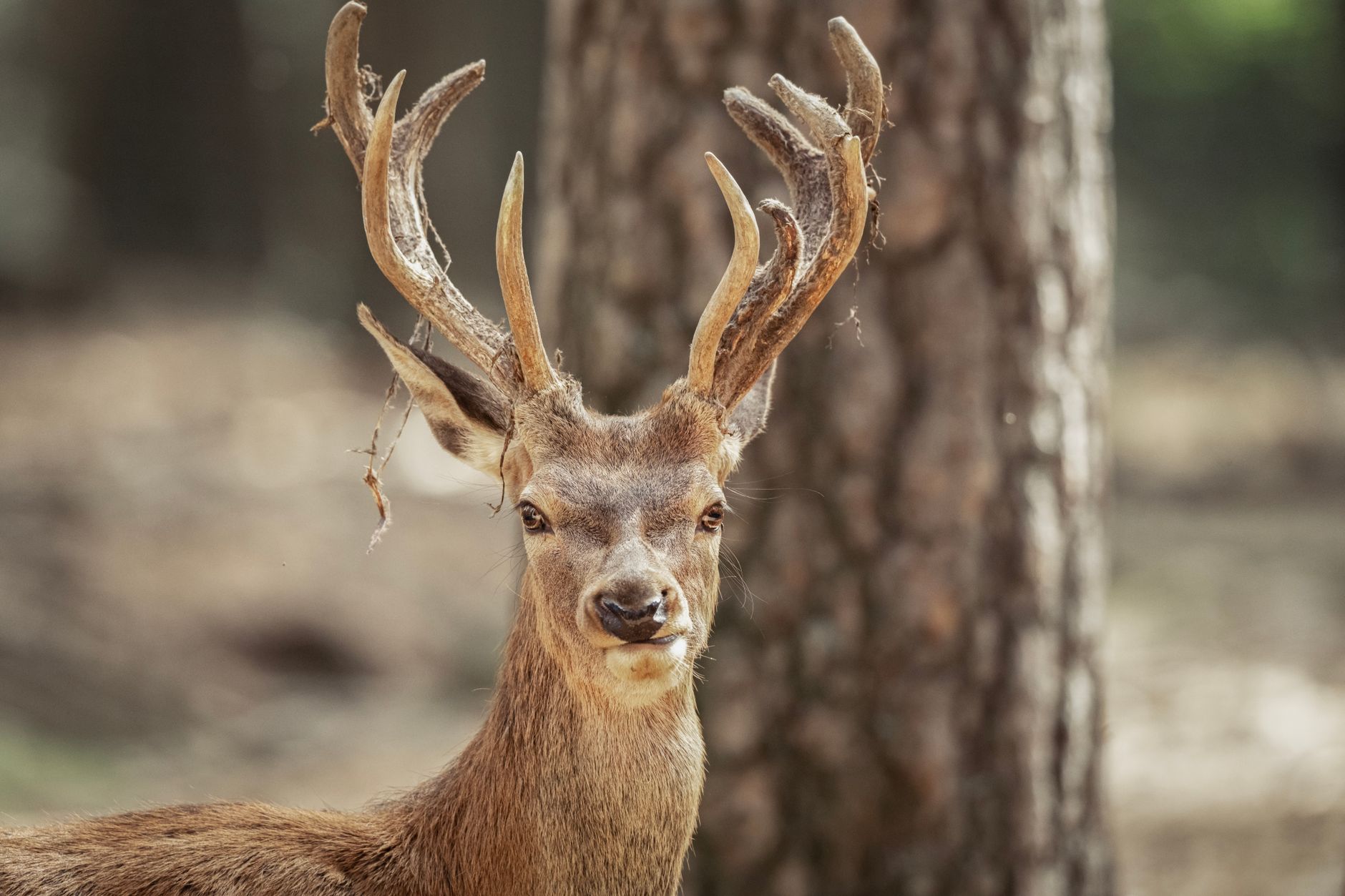
Deer possess exceptional hearing, making them extremely sensitive to a wide range of sounds. Sudden, loud noises, particularly those perceived as unnatural or unfamiliar, are the most likely to spook them. However, the context and consistency of sounds also play a significant role.
Understanding Deer Hearing and Awareness
Deer rely heavily on their hearing for survival. Their large ears are designed to capture even the faintest sounds, allowing them to detect approaching predators or potential threats.
- Their ears can rotate independently, providing a 360-degree soundscape.
- They are particularly sensitive to high-frequency sounds.
- They can distinguish subtle differences in sound patterns, which allows them to differentiate between harmless environmental sounds and potential dangers.

What colours are fish most attracted to?
Can you put your finger in a trout's mouth?
Is methylene blue anti bacterial?
Does aquarium salt raise pH in aquarium?
The Key Spooking Sounds: A Comprehensive List

What sounds spook deer? While individual deer may react differently, some sound categories consistently trigger alarm responses.
- Sudden Loud Noises: Gunshots, vehicle backfires, slamming doors, and shouting immediately alert deer. The intensity and abruptness of these sounds are key factors.
- Unfamiliar Mechanical Sounds: Chainsaws, ATVs, lawnmowers, and other power tools generate unnatural noises that deer associate with human presence and potential danger.
- Human Voices: Although deer may become accustomed to distant, muffled voices, clear, loud talking, especially yelling or laughter, can easily spook them.
- Metallic Clangs and Clatters: The sound of metal objects banging together, such as dropping a tool or closing a car door, is highly unnatural in the forest and will often trigger an escape response.
- High-Pitched Whistles and Screeches: Deer are particularly sensitive to high-frequency sounds. Whistles, screeching brakes, and even certain bird calls can trigger alarm.
- Sounds Mimicking Predators: While not always intuitive, sounds that resemble those of their predators (wolves, coyotes, mountain lions) can definitely put deer on edge and cause them to flee.
Context Matters: Familiarity and Habituation
The context in which a sound occurs can significantly influence a deer’s reaction. Deer in areas with frequent human activity may become habituated to certain sounds, such as traffic noise, and be less likely to spook. However, any deviation from the norm can still trigger an alarm.
Minimizing Noise to Avoid Spooking Deer
For hunters, wildlife photographers, or anyone trying to observe deer, minimizing noise is crucial.
- Move slowly and deliberately: Avoid sudden movements that can generate noise.
- Wear soft clothing: Choose clothing made from quiet materials that won’t rustle or create friction.
- Avoid metallic objects: Leave behind anything that could clang or clatter.
- Control your voice: Speak in hushed tones or avoid talking altogether.
- Be mindful of your surroundings: Pay attention to the sounds you are making and how they might be perceived by deer.
Using Sound to Your Advantage (Ethically)
While spooking deer is generally undesirable, some hunters use sound to their advantage ethically and within legal limits. This might involve rattling antlers to simulate a buck fight or using deer calls to attract attention. However, it’s essential to understand local hunting regulations and avoid using sounds in a way that causes undue stress to the animals.
Frequently Asked Questions (FAQs)
Can deer hear better than humans?
Yes, deer generally have superior hearing compared to humans. They can detect a wider range of frequencies and are particularly sensitive to high-pitched sounds that humans may not even notice. This enhanced hearing is crucial for their survival in the wild.
Do deer get used to human noises over time?
Yes, deer can become habituated to certain human noises, particularly in areas with frequent human activity. However, this habituation is not absolute. Sudden, loud, or unfamiliar sounds will still likely trigger an alarm response, even in deer that are accustomed to some human noise.
What is the most common sound that spooks deer?
A sudden, loud gunshot is arguably the most common sound that spooks deer, as it signals immediate danger. However, any abrupt, unnatural noise can trigger an alarm response, especially if it is unfamiliar to the deer.
Can the smell of humans affect whether a deer spooks?
Yes, scent plays a crucial role. Deer have an excellent sense of smell, and human scent is a strong indicator of potential danger. Combining human scent with even minimal noise makes deer significantly more likely to spook.
Do deer react differently to different types of music?
While it’s unlikely deer can distinguish between musical genres, loud, rhythmic music with heavy bass is more likely to spook them than softer, less intrusive sounds. The unnatural and repetitive nature of music can be perceived as a threat.
How far away can deer hear a potential threat?
The distance at which a deer can hear a threat depends on several factors, including the intensity of the sound, the terrain, and the weather conditions. In general, deer can hear potentially threatening sounds from several hundred yards away, and sometimes even further in open areas.
Does the time of day affect deer’s sensitivity to sound?
Yes, deer are often more alert and sensitive to sound during dawn and dusk, which are their most active periods. During the middle of the day, they may be less reactive, but they are still constantly monitoring their environment.
Are young deer more easily spooked than older deer?
Yes, younger deer tend to be more easily spooked than older, more experienced deer. Older deer have learned to differentiate between harmless and threatening sounds, while younger deer are still developing their survival skills.
How can I approach deer without spooking them?
To approach deer without spooking them, move slowly and deliberately, avoid making sudden noises, and try to stay downwind to minimize your scent. Wearing camouflage and blending into the environment can also help.
What role does the environment play in how deer react to sound?
The environment significantly influences how deer react to sound. In areas with dense vegetation, sounds may be muffled, requiring deer to be even more vigilant. In open areas, sounds travel farther, making deer more sensitive to distant threats.
Do deer communicate with each other using sound?
Yes, deer use a variety of sounds to communicate with each other, including grunts, bleats, and snorts. These sounds can convey a range of messages, from warnings about potential danger to expressions of comfort and reassurance.
If a deer spooks, how long does it take for them to calm down and return?
The time it takes for a deer to calm down and return after being spooked varies depending on the severity of the disturbance and the deer’s individual temperament. In some cases, they may return within minutes, while in others, it may take hours or even days. Generally, if they don’t associate the sound with a direct threat, they may return quicker.