

Are Alpacas Good for Security? The Unexpected Guardians
Are alpacas good for security? While not a replacement for traditional security systems, alpacas can offer a unique, deterrent effect against certain types of threats, and provide an early warning system, especially in rural or agricultural settings.

Introduction: Beyond Wool and Cuteness
Alpacas, those charming South American camelids, are increasingly popular as livestock in various parts of the world. While primarily valued for their luxurious fleece, docile nature, and grazing habits, a less discussed aspect of alpacas is their potential contribution to farm and property security. The question “Are alpacas good for security?” might seem whimsical at first, but a closer look reveals a more nuanced and surprisingly practical answer.

What colours are fish most attracted to?
Can you put your finger in a trout's mouth?
Is methylene blue anti bacterial?
Does aquarium salt raise pH in aquarium?
The Alpaca as a Guardian: Natural Instincts and Behaviors
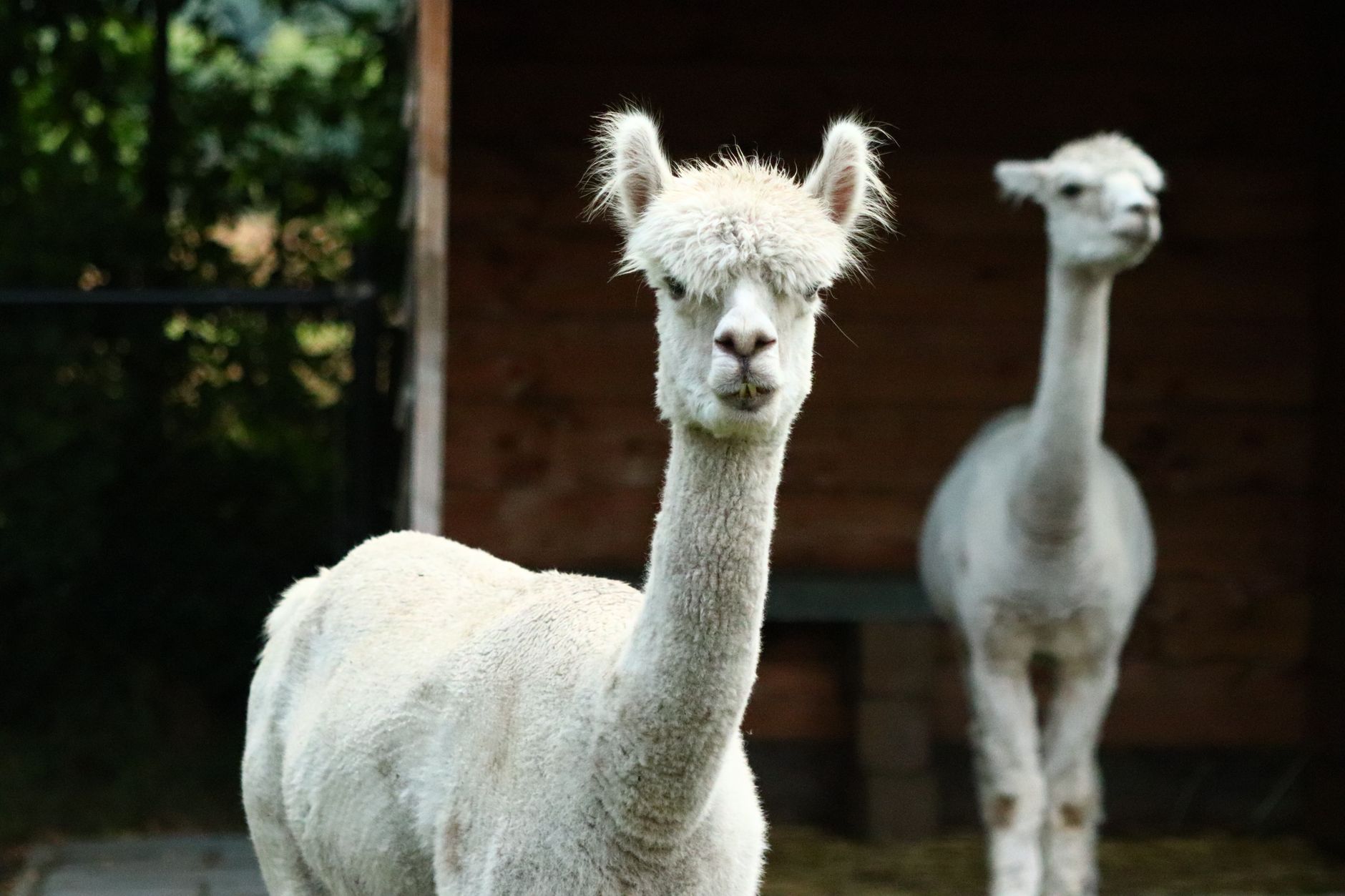
Alpacas are naturally vigilant and possess keen senses. Their herd mentality also contributes to their security capabilities. Here’s how:
- Alertness: Alpacas are highly aware of their surroundings. They possess excellent eyesight and hearing, allowing them to detect potential threats long before humans might notice.
- Alarm Calling: When alpacas sense danger, they emit a distinctive, high-pitched alarm call, alerting the entire herd and, potentially, humans nearby. This serves as an early warning system.
- Territorial Defense: While not aggressive like guard dogs, alpacas will often stand their ground and attempt to deter smaller predators like foxes or coyotes. They may even chase or kick at intruders.
- Livestock Guardianship: Historically, alpacas have been used to protect other livestock, particularly sheep and poultry. Their protective instincts extend to other vulnerable animals.
Advantages of Using Alpacas for Security
Compared to traditional security measures, alpacas offer several unique advantages:
- Low Maintenance: Alpacas require relatively low maintenance compared to guard dogs. They graze on pasture, need occasional shearing, and are generally healthy animals.
- Natural Deterrent: Their presence alone can deter opportunistic predators or trespassers. They are not inherently aggressive, which can be a positive attribute.
- Dual Purpose: Alpacas provide a valuable fiber crop in addition to their security benefits. This dual purpose makes them a more sustainable investment.
- Eco-Friendly: They have a low impact on the environment. Their soft hooves cause less soil compaction than other livestock, and their grazing habits are relatively gentle.
Potential Drawbacks and Limitations
While alpacas can contribute to security, it’s important to acknowledge their limitations:
- Limited Physical Protection: Alpacas are not capable of physically defending against larger, more aggressive predators or determined intruders.
- Training Required: While their instincts are helpful, some training may be needed to reinforce their guardian behaviors.
- Herd Dependency: Their effectiveness relies on herd dynamics. A single alpaca may not be as vigilant or protective as a group.
- Vulnerability to Disease: Alpacas are susceptible to certain diseases that could impact their ability to perform their security duties.
The Ideal Setting for Alpaca Security
The question “Are alpacas good for security?” is best answered by considering the environment. They are best suited for:
- Rural properties with livestock: Farms, ranches, and homesteads with vulnerable animals are prime candidates for alpaca guardianship.
- Open pastures and grazing land: Their natural grazing habits make them ideal for protecting large areas of land.
- Areas with moderate predator pressure: They are most effective against smaller predators like foxes, coyotes, and stray dogs.
Integrating Alpacas into a Security Strategy
Alpacas should be viewed as a complementary security measure, not a replacement for traditional systems like fences, alarms, and security cameras. A comprehensive security strategy might involve:
- Installing perimeter fencing: This provides a physical barrier and helps contain the alpacas.
- Using motion-activated lighting: This deters nocturnal predators and intruders.
- Installing security cameras: This provides visual surveillance and documentation.
- Training the alpacas: Reinforce their alarm calling and protective behaviors.
- Pairing with guard animals: Consider pairing alpacas with guard dogs for enhanced protection.
Common Mistakes When Using Alpacas for Security
- Underestimating the need for fencing: Adequate fencing is crucial to prevent alpacas from escaping and to protect them from predators.
- Neglecting herd dynamics: Ensure the herd is stable and that the alpacas are compatible.
- Over-relying on alpacas for protection: Remember that alpacas are not a foolproof security solution.
- Failing to provide adequate care: Alpacas require proper nutrition, veterinary care, and shelter.
Frequently Asked Questions (FAQs)
Are alpacas really effective against all predators?
No, alpacas are not a guaranteed solution against all predators. They are most effective against smaller predators like foxes, coyotes, and stray dogs. Larger, more aggressive predators may still pose a threat. Their main benefit is as an early warning system.
How many alpacas are needed for effective security?
A minimum of two alpacas is recommended for effective security. Alpacas are herd animals and are more vigilant and protective when in a group. Three or more alpacas is ideal for larger areas or higher predator pressure.
Do alpacas require special training to be effective guardians?
While alpacas have natural guardian instincts, some training can enhance their effectiveness. This might involve reinforcing their alarm calling and teaching them to stand their ground against potential threats. Consistency is key in training.
Are alpacas noisy animals that might disturb neighbors?
Alpacas are generally quiet animals. Their alarm calls are distinctive but not excessively loud or frequent. However, individual animals and specific circumstances can vary.
What is the lifespan of an alpaca?
Alpacas typically live for 15-20 years, meaning they can provide long-term security with proper care. Consider this a long-term investment.
What are the space requirements for alpacas?
Alpacas require approximately one acre of pasture per two to five animals, depending on the quality of the pasture. They also need access to shelter from the elements.
How do alpacas interact with other livestock?
Alpacas are generally compatible with other livestock, particularly sheep, goats, and poultry. They can even protect these animals from predators. Ensure adequate space to prevent overcrowding and competition for resources.
What are the common health concerns for alpacas?
Common health concerns for alpacas include parasites, dental problems, and heat stress. Regular veterinary checkups and preventative care are essential.
How much does it cost to keep alpacas?
The cost of keeping alpacas varies depending on factors such as location, pasture quality, and veterinary care. Initial costs include purchasing the animals and setting up fencing and shelter. Ongoing costs include feed, veterinary care, and shearing.
Can alpacas be kept as pets in suburban areas?
While alpacas are gentle animals, they are not typically suited for suburban environments due to their need for grazing space and herd companionship. Local zoning regulations may also prohibit keeping livestock in residential areas.
Are alpacas susceptible to theft?
Yes, alpacas can be susceptible to theft, particularly for their valuable fleece. Proper security measures, such as fencing and surveillance, can help deter theft.
Are alpacas a good investment?
The question “Are alpacas good for security?” is just one aspect of their value. Alpacas can be a good investment if you are looking for a low-maintenance livestock option that provides fiber, security, and companionship. Their value depends on market conditions and individual management practices.