

What Size Weight is Best for Crappie? Finding the Perfect Sink
The ideal weight for crappie fishing is generally 1/32 to 1/8 ounce, but it’s crucial to adjust based on water depth, current, wind, and the presentation you’re using to maximize your chances of a successful catch.

Crappie fishing, an activity enjoyed by anglers of all skill levels, often boils down to the finer details. Among these, selecting the right weight is paramount. Too heavy, and you risk spooking the fish or hindering the natural presentation of your bait. Too light, and you may struggle to reach the desired depth or maintain contact with your lure, especially in windy conditions or currents. This article will dive deep into the factors that influence the ideal weight for crappie fishing, equipping you with the knowledge to make informed decisions on the water. Understanding the nuances of weight selection will ultimately lead to more successful crappie fishing expeditions.
Factors Influencing Weight Selection
Determining the correct weight for crappie fishing isn’t a one-size-fits-all scenario. Several key factors play a crucial role in making the right decision:
- Depth of Water: Deeper water obviously requires more weight to get your bait down quickly and efficiently.
- Current Strength: Stronger currents necessitate heavier weights to maintain proper bait presentation and prevent your line from drifting excessively.
- Wind Conditions: Wind can significantly impact your line, particularly when using lighter weights. Adjust your weight accordingly to compensate for wind resistance.
- Type of Bait/Lure: The size and buoyancy of your bait or lure will influence the amount of weight needed. For example, a larger minnow might require slightly more weight than a small jig.
- Line Type: Line diameter affects resistance in the water. Thinner lines allow you to use lighter weights, while thicker lines might require more weight to achieve the same depth and control.
- Presentation Style: Different fishing techniques, such as vertical jigging or casting, demand different weight considerations.

What colours are fish most attracted to?
Can you put your finger in a trout's mouth?
Is methylene blue anti bacterial?
Does aquarium salt raise pH in aquarium?
Weight Selection by Technique
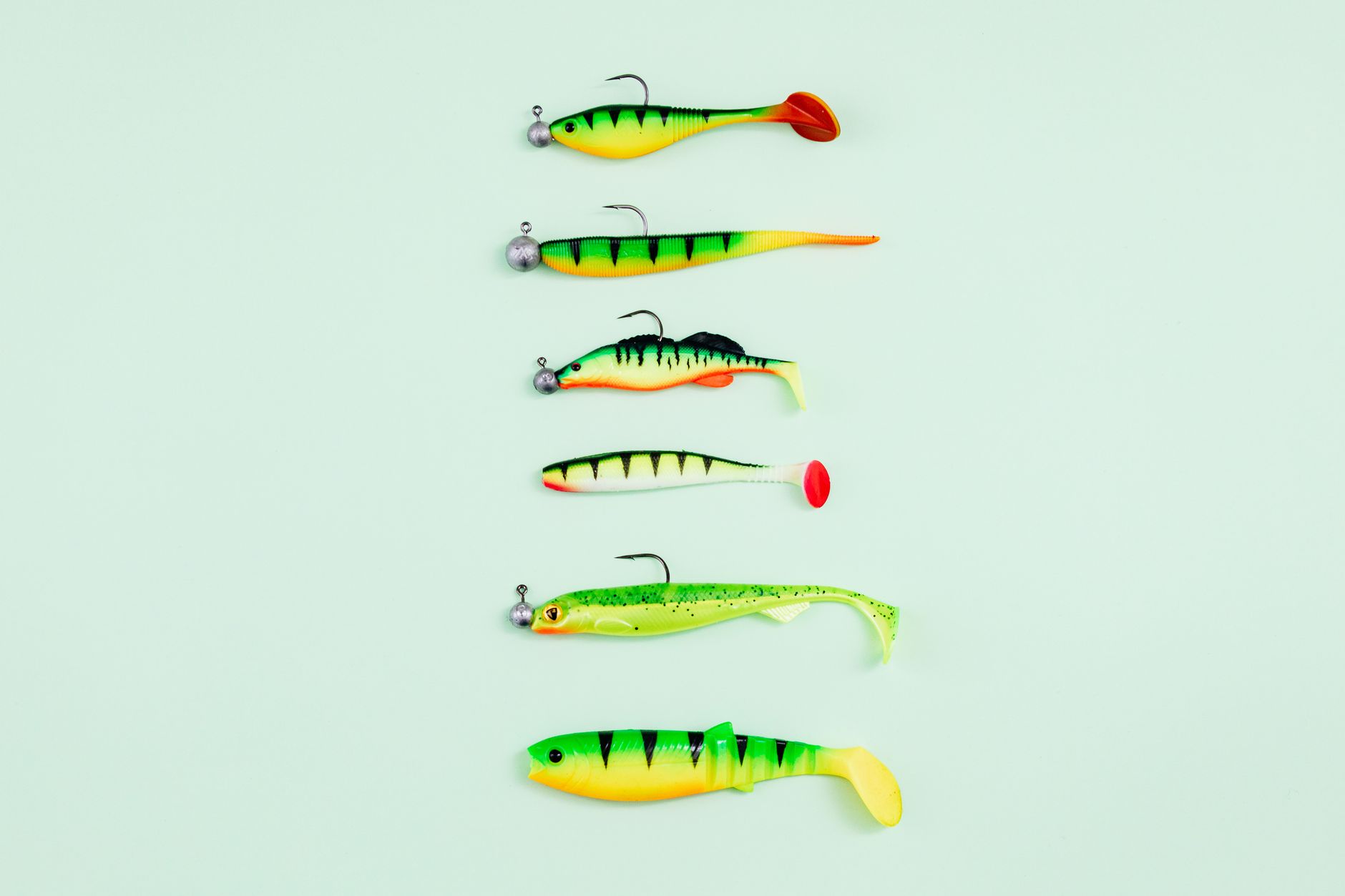
The fishing technique you employ has a significant impact on what size weight is best for crappie?. Here’s a breakdown:
- Vertical Jigging: This technique, often used around submerged structures, generally requires lighter weights, typically 1/32 to 1/16 ounce. The goal is to present the bait vertically with minimal movement, allowing crappie to easily strike.
- Casting: When casting to crappie, especially in open water, you might need to increase the weight to achieve longer casts and cover more area. Weights ranging from 1/16 to 1/8 ounce are common.
- Trolling: Trolling allows you to cover a lot of water and find where the crappie are holding. Using a weight that keeps your bait at the desired depth while maintaining a controlled speed is crucial. Depending on speed and depth, weights from 1/8 to 1/4 ounce may be necessary.
- Float Fishing: Using a float or bobber is a great way to present your bait at a specific depth. The weight you choose should be sufficient to keep the line taught between the float and the bait, but light enough not to sink the float. This often involves using small split shot weights.
Different Types of Weights and Their Uses
Choosing the right type of weight is just as important as choosing the right size. Here are some common options:
- Round Split Shot: These are versatile and easy to attach to your line. They are ideal for adjusting weight incrementally, especially when float fishing.
- Bullet Weights: These streamline weights are designed for casting through cover and reducing snags.
- Egg Weights: These weights slide freely on the line, allowing the fish to take the bait without feeling the weight. Commonly used in Carolina rigs.
- Jig Heads: Integrate the weight directly into the lure, providing a streamlined presentation and natural action. Jig heads are a very popular option for crappie fishing.
Common Mistakes to Avoid
Even experienced anglers sometimes make mistakes when selecting weights. Here are a few common pitfalls to avoid:
- Using weights that are too heavy: This can spook fish and hinder the natural presentation of your bait.
- Failing to adjust weight based on changing conditions: Water depth, current, and wind can change rapidly, requiring adjustments to your weight.
- Neglecting line diameter: Thicker lines require heavier weights to achieve the same depth as thinner lines.
- Ignoring the lure’s action: Overweighting a lure can kill its action and reduce its effectiveness.
Finding the Right Balance
Ultimately, determining what size weight is best for crappie? requires experimentation. Start with a lighter weight and gradually increase it until you achieve the desired depth and bait presentation. Pay attention to how the fish are reacting and adjust accordingly. Confidence in your presentation and technique is key!
Choosing the Right Rod and Reel
Selecting the right rod and reel can greatly improve your sensitivity and ability to detect subtle bites. A lightweight rod with a sensitive tip is ideal for crappie fishing. It allows you to feel even the lightest nibbles and react quickly. A spinning reel with a smooth drag system is also essential for landing crappie, which are known for their delicate mouths.
| Feature | Description |
|---|---|
| Rod Length | 5’6″ to 7′ |
| Rod Power | Ultra-light to Light |
| Rod Action | Fast to Moderate-Fast |
| Reel Size | 1000 to 2500 |
| Line Type | Monofilament, Fluorocarbon, or Braid (with a Fluorocarbon leader) |
| Line Test | 4 to 8 lb test |
Understanding Crappie Behavior
Knowing the habits and preferences of crappie is a crucial aspect of successful fishing. Crappie are often found near structure, such as submerged trees, docks, and brush piles. They tend to congregate in schools, so finding one crappie often means finding more. Understanding the seasonal movements of crappie can also help you target them more effectively.
Frequently Asked Questions
What is the best all-around weight size for crappie fishing?
A 1/16-ounce weight is often considered a good all-around choice for crappie fishing in many situations. It offers a balance of casting distance, sensitivity, and the ability to reach a reasonable depth. However, remember to adjust based on the specific conditions.
Can I use too much weight when crappie fishing?
Yes, overweighting is a common mistake. Using too much weight can spook crappie, hinder the natural presentation of your bait, and make it difficult to detect subtle bites.
Does water clarity affect the weight I should use?
In clear water, crappie can be more wary, so using lighter weights and more subtle presentations is often beneficial. In murky water, heavier weights and more aggressive presentations may be necessary to get their attention.
Should I use a swivel when crappie fishing?
A small swivel can be helpful if you’re using lures that tend to twist the line, such as spinners or spoons. However, it’s generally not necessary when using jigs or minnows. Use the smallest swivel possible to avoid spooking the fish.
What line should I use with lighter weights?
Lighter lines allow you to use lighter weights more effectively. A 4- to 6-pound test line is a good choice for crappie fishing with lighter weights. Fluorocarbon line is also great, as it’s nearly invisible underwater and helps prevent line twist.
How does current affect my weight selection?
Stronger currents require heavier weights to maintain proper bait presentation and prevent your line from drifting excessively. Experiment to find the right weight that allows you to keep your bait in the strike zone.
What is the best weight for crappie fishing from the bank?
When fishing from the bank, you often need to cast further, so using a weight in the range of 1/16 to 1/8 ounce is generally a good starting point.
Is a jig head weight different than a regular weight?
Yes, a jig head combines the weight and hook into one unit, offering a streamlined presentation. When using a jig head, you don’t need to add additional weight to your line.
How do I know if I’m using the right weight?
You’ll know you’re using the right weight when you can feel your bait hitting the bottom or reaching the desired depth without too much difficulty. You should also be able to detect bites easily.
What’s the deal with tungsten weights?
Tungsten weights are denser than lead weights, allowing you to use smaller weights to achieve the same depth. This can be advantageous in clear water or when fishing for wary crappie.
How does jig size affect my weight selection?
Larger jigs will sink faster, potentially requiring less additional weight. Smaller jigs will need some weight added.
Should I ever use no weight at all when crappie fishing?
Yes, in very shallow water or when fishing with a float, you may not need any additional weight. In some situations, a weightless presentation can be highly effective.