

How Long Do Goldfish Carry Eggs For? Understanding the Spawning Process
Goldfish do not carry eggs internally like mammals or birds. Instead, female goldfish release their eggs into the water, where they are fertilized externally by the male. The entire spawning process, from start to finish, usually lasts just a few hours, though preparation and immediate aftermath can span a few days.
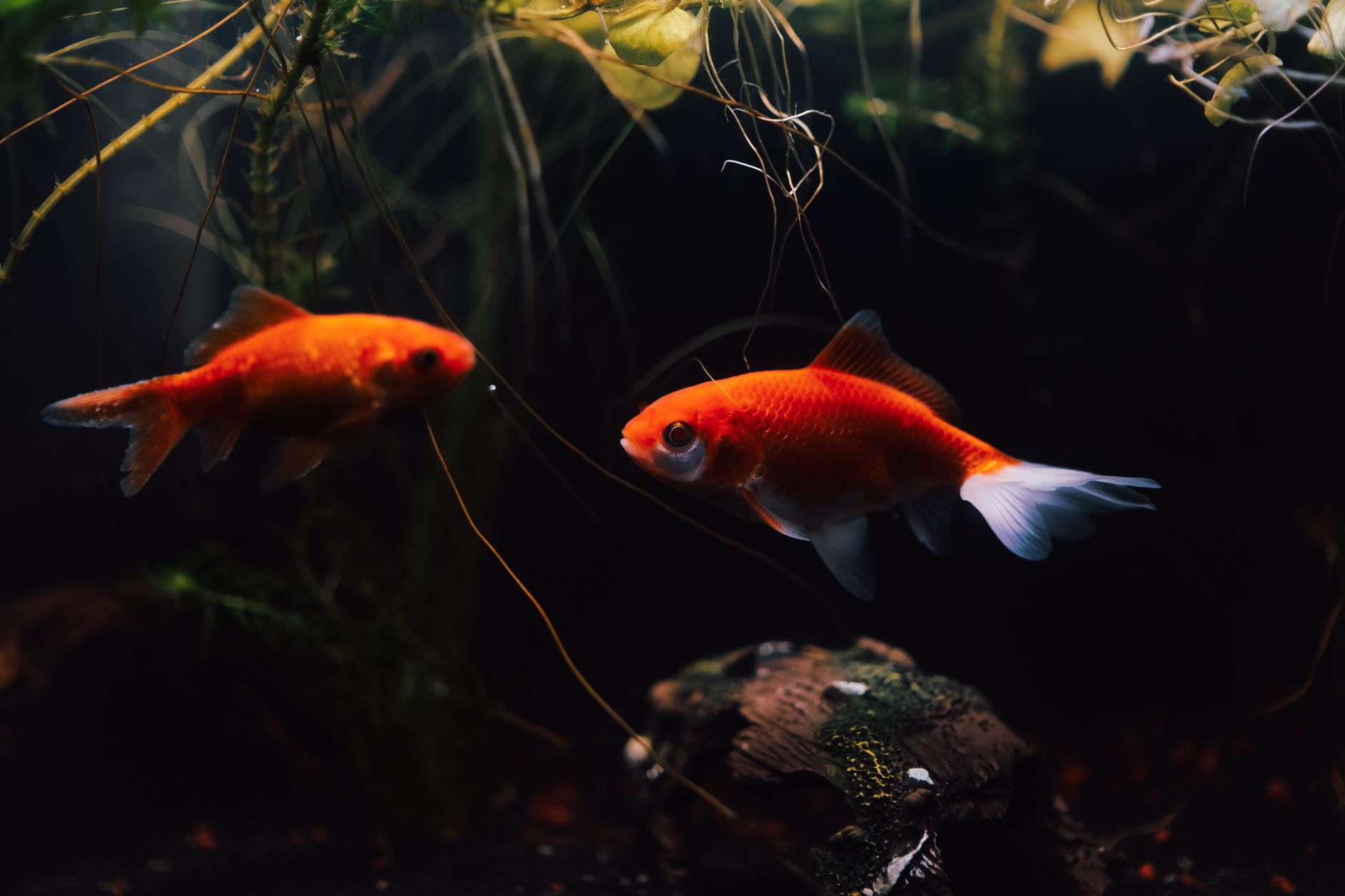
Understanding the Goldfish Spawning Process: An Introduction
Goldfish breeding, a fascinating spectacle of nature, is more than just putting a male and female together and hoping for the best. It’s a carefully orchestrated event driven by environmental cues and natural instincts. Understanding the nuances of this process is crucial for any goldfish enthusiast hoping to witness or participate in it successfully. How long do goldfish carry eggs for? The answer is that they don’t internally carry them at all.
What is the GREY African clawed frog?
What colours are fish most attracted to?
Can you put your finger in a trout's mouth?
Is methylene blue anti bacterial?
Preparing for Spawning: Setting the Stage

Successful goldfish spawning hinges on mimicking their natural environment. Before they even think about spawning, certain conditions must be met:
- Temperature: A gradual increase in water temperature to around 68-74°F (20-23°C) is a primary trigger. Mimic a natural spring thaw.
- Water Quality: Clean, well-oxygenated water is crucial. Regular water changes (20-30%) are essential.
- Diet: A high-protein diet leading up to spawning encourages egg development.
- Spawning Mop/Plants: Provide artificial spawning mops or dense aquatic plants (like Java moss) for the eggs to adhere to.
The Act of Spawning: A Detailed Look
The spawning process itself is a flurry of activity:
- Chasing: The male will vigorously chase the female, nudging her abdomen.
- Egg Release: The female will release her eggs, scattered among the plants or spawning mop.
- Fertilization: The male will immediately fertilize the eggs as they are released.
- Duration: The entire spawning process can last from a few hours to a whole day, depending on the fish.
The female does not carry the eggs; she releases them into the water.
After the Spawning: Protecting the Eggs
Once spawning is complete, the real work begins:
- Egg Protection: Goldfish will readily eat their own eggs and fry. Remove the spawning mop/plants with the eggs to a separate tank.
- Fungus Prevention: Treat the egg tank with methylene blue to prevent fungal growth.
- Hatching: Eggs typically hatch in 2-7 days, depending on water temperature.
Important Note: Adult goldfish are not pregnant. They don’t carry eggs like mammals. They deposit eggs in the environment.
Common Mistakes: Avoiding Pitfalls
Goldfish breeding, while rewarding, can be challenging. Here are some common mistakes to avoid:
- Overcrowding: Too many fish in too small a tank inhibits spawning.
- Poor Water Quality: Dirty water kills eggs and fry.
- Lack of Spawning Medium: Without suitable surfaces, eggs won’t survive.
- Not Separating Eggs: Failing to protect eggs from adults leads to cannibalism.
- Sudden Temperature Changes: Rapid temperature fluctuations stress the fish.
Troubleshooting Spawning Issues: Getting Back on Track
If your goldfish aren’t spawning, consider these troubleshooting steps:
- Verify Fish Sexes: Ensure you have both males and females. Males develop breeding tubercles (small white bumps) on their operculum (gill cover) and fins during spawning season.
- Check Water Parameters: Test the water for ammonia, nitrite, and nitrate.
- Adjust Temperature: Slowly increase the water temperature.
- Improve Diet: Offer a high-protein diet.
- Provide More Cover: Add more spawning mops or plants.
Understanding the Differences Between Livebearers and Egg-Layers
Goldfish are egg-layers (oviparous). This means the female releases unfertilized eggs into the water, where they are then fertilized by the male. This is in stark contrast to livebearers (viviparous) like guppies or mollies, where the female carries fertilized eggs inside her body until they hatch and give birth to live young. This reinforces the central answer of, “How long do goldfish carry eggs for?” which is: They don’t.
The Benefits of Breeding Goldfish: A Rewarding Hobby
Breeding goldfish can be a rewarding and educational hobby. It allows you to:
- Observe fascinating behavior: Witness the entire spawning process firsthand.
- Learn about fish genetics: Understand the inheritance of traits.
- Cultivate rare varieties: Breed for specific colors or fin types.
- Conserve rare breeds: Contribute to the preservation of endangered goldfish varieties.
Determining Fish Sex: Key Physical Differences
Determining the sex of your goldfish is crucial for successful breeding. While not always easy, there are some key physical differences to look for, especially during spawning season:
| Feature | Male | Female |
|---|---|---|
| Breeding Tubercles | Present on operculum and fins | Absent |
| Body Shape | Sleeker, more streamlined | Plumper, rounder abdomen, especially when carrying eggs |
| Vent | Concave (indented) | Convex (protruding) |
| Chasing | Actively chases the female during spawning | Is chased by the male |
While these differences aren’t always definitive, they provide clues that can help you identify males and females.
Frequently Asked Questions
How long do goldfish spawn for each time they are ready?
Goldfish don’t spawn for a set “time”. The actual act of spawning usually lasts several hours, potentially extending up to a full day, depending on factors such as temperature, the health of the fish, and the size of the group. However, the spawning process may occur multiple times over several days if conditions remain favorable.
What temperature is optimal for goldfish spawning?
The ideal temperature for goldfish spawning is between 68-74°F (20-23°C). A gradual increase to this range mimics the natural spring thaw that triggers spawning.
How many eggs do goldfish typically lay?
A single female goldfish can lay hundreds, even thousands, of eggs in a single spawning session. The exact number depends on the size and age of the fish. However, not all of these eggs will be successfully fertilized, and many will be eaten by the adults if not separated.
What do goldfish eggs look like?
Goldfish eggs are small, translucent, and slightly sticky. They are usually around 1-2 mm in diameter and adhere to plants or other surfaces.
How long does it take for goldfish eggs to hatch?
Goldfish eggs typically hatch in 2-7 days, depending on the water temperature. Warmer temperatures accelerate the hatching process.
What do baby goldfish (fry) eat?
Newly hatched goldfish fry initially feed on their yolk sacs. Once the yolk sac is absorbed, they require tiny food sources such as infusoria, liquid fry food, or commercially available fry food.
How often do goldfish spawn?
Goldfish can spawn several times during the spawning season, which typically occurs in the spring and early summer. The exact frequency depends on environmental conditions and the health of the fish.
Can I breed goldfish in a community tank?
Breeding goldfish in a community tank is generally not recommended. The eggs and fry are highly vulnerable to predation by other fish, including the parents.
How can I tell if my goldfish is about to spawn?
Signs that your goldfish is about to spawn include increased activity, chasing behavior, the male developing breeding tubercles, and the female becoming noticeably plumper.
Do goldfish need a special diet before spawning?
A high-protein diet, such as one rich in live foods or high-quality flake food, is beneficial before spawning to support egg development and overall health.
How long does it take for goldfish fry to grow to adult size?
Goldfish fry can take several months to a year or more to reach adult size, depending on factors such as diet, water quality, and genetics.
Can goldfish crossbreed?
Yes, different varieties of goldfish can crossbreed, often resulting in offspring with unpredictable characteristics. Careful selection of breeding pairs is essential to maintain desired traits.