
What Should I Soak Catfish In? Unlock Flavor Secrets
The best options to soak catfish in before cooking include milk, buttermilk, saltwater brine, or lemon juice mixtures; these methods effectively reduce the fish’s “muddy” taste and enhance its flavor. Soaking helps to tenderize the fish and create a more appealing texture for a truly delicious meal.
Understanding the “Muddy” Flavor of Catfish
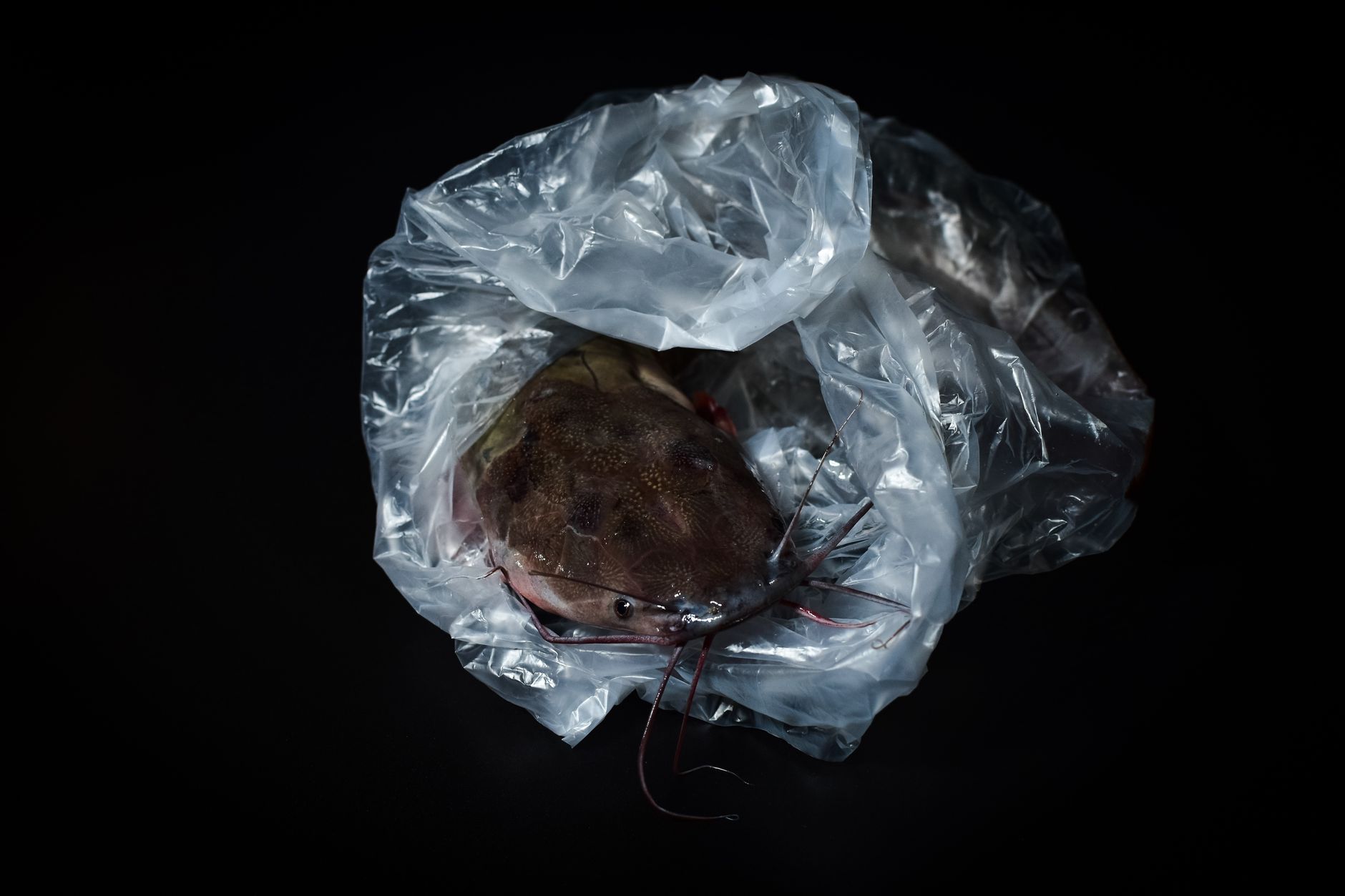
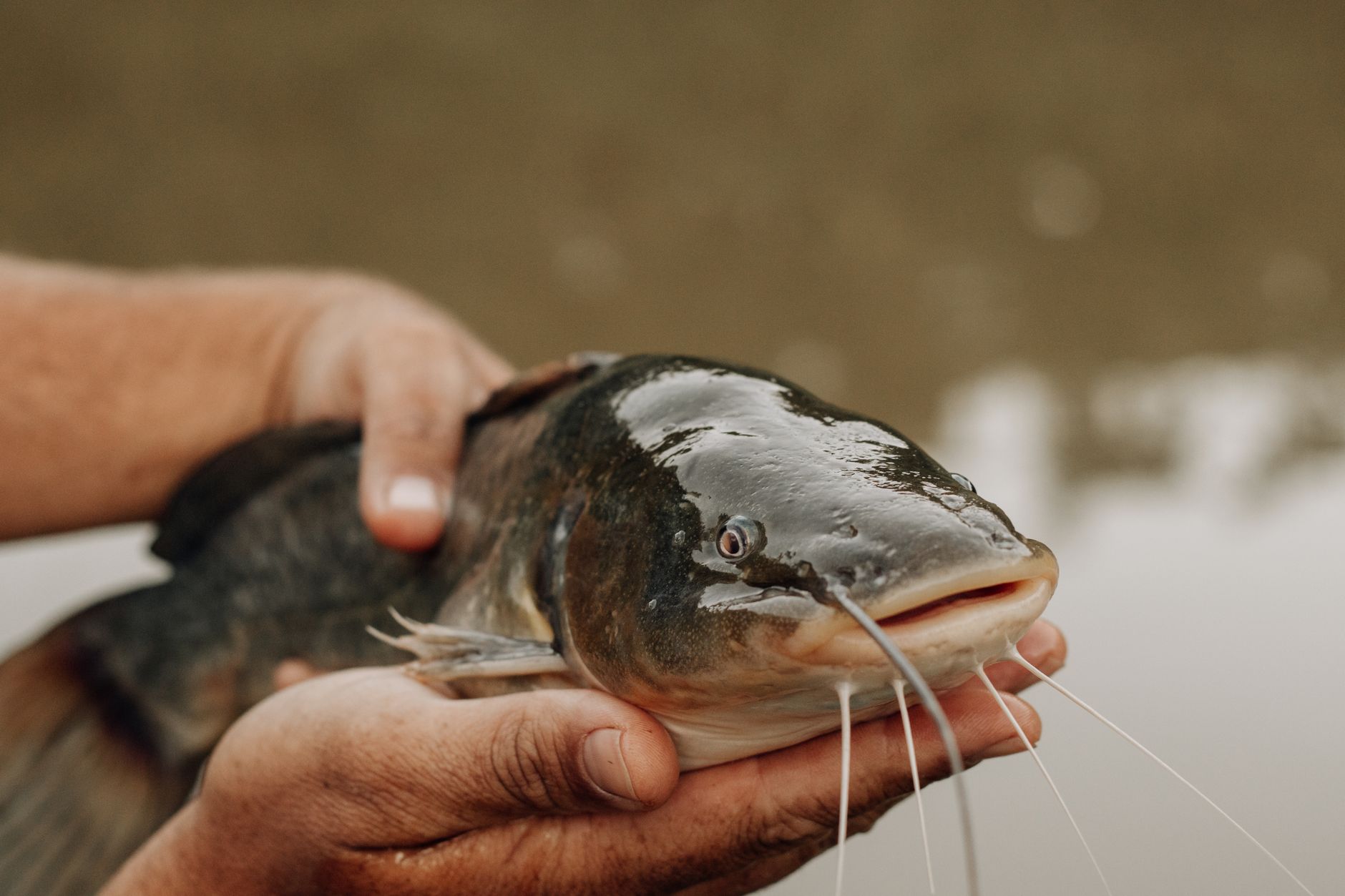
Catfish, especially wild-caught varieties, can sometimes possess a flavor that many describe as “muddy” or “earthy.” This flavor comes from a few factors, including their diet, the environment they inhabit (often bottom-dwelling), and certain organic compounds in their flesh. Thankfully, several simple soaking techniques can significantly reduce or eliminate this undesirable taste. Understanding why the “muddy” taste exists allows for a more informed approach to preparing your catfish.

What colours are fish most attracted to?
Can you put your finger in a trout's mouth?
Is methylene blue anti bacterial?
Does aquarium salt raise pH in aquarium?
Benefits of Soaking Catfish

Soaking offers numerous benefits beyond just masking the “muddy” flavor. Here’s why it’s a crucial step in preparing delicious catfish:
- Reduces “Muddy” Flavor: The primary reason, of course, is to neutralize the earthy taste, leading to a cleaner, more enjoyable flavor profile.
- Tenderizes the Flesh: The soaking process breaks down some of the proteins in the fish, resulting in a more tender and palatable texture.
- Enhances Moisture Retention: Soaking can help the fish retain moisture during cooking, preventing it from drying out.
- Prepares for Flavor Absorption: A good soak opens the fish up to absorbing additional flavors from marinades, rubs, and seasonings.
Popular Soaking Solutions and Their Effectiveness
Several soaking solutions are commonly used for catfish, each with its own advantages:
- Milk: A classic choice, milk helps to draw out impurities and neutralize the “muddy” flavor. The lactic acid in milk also acts as a gentle tenderizer.
- Buttermilk: Similar to milk, buttermilk provides even more tang and can further enhance tenderness.
- Saltwater Brine: A simple brine of salt and water helps to draw out impurities and season the fish throughout.
- Lemon Juice Mixture: Lemon juice (or other acidic ingredients like vinegar) can cut through the “muddy” flavor and brighten the overall taste.
- Pickle Juice: A less common option, pickle juice adds a salty and sour flavor dimension while also tenderizing the fish. Be careful not to soak for too long, as the acidity can affect the texture.
Here’s a quick comparison:
| Solution | Effectiveness (Muddy Flavor) | Tenderness Enhancement | Flavor Impact |
|---|---|---|---|
| Milk | Medium | Medium | Mild |
| Buttermilk | High | High | Tangy |
| Saltwater Brine | Medium | Low | Salty |
| Lemon Juice | High | Medium | Citrusy |
| Pickle Juice | High | High | Salty/Sour |
The Soaking Process: A Step-by-Step Guide
Here’s a simple process to get the best results from your soak:
- Prepare the Fish: Rinse the catfish fillets or steaks under cold water. Pat them dry with paper towels.
- Choose Your Solution: Select the soaking solution that best suits your taste preferences and available ingredients.
- Submerge the Fish: Place the catfish in a bowl or container and completely submerge it in the chosen solution. Ensure all pieces are covered.
- Refrigerate: Cover the bowl and refrigerate for the recommended soaking time (see below).
- Rinse and Dry: Remove the catfish from the soaking solution, rinse briefly under cold water, and pat dry with paper towels before cooking.
Soaking Time: Finding the Sweet Spot
The optimal soaking time varies depending on the solution used and the size/thickness of the catfish:
- Milk or Buttermilk: 30 minutes to 2 hours
- Saltwater Brine: 15 minutes to 1 hour
- Lemon Juice Mixture: 15 minutes to 30 minutes (avoid over-soaking, which can make the fish mushy)
- Pickle Juice: 15 minutes to 30 minutes (similar to lemon juice, monitor closely)
Common Mistakes to Avoid
- Over-Soaking: Soaking catfish for too long, especially in acidic solutions like lemon juice, can result in a mushy texture.
- Using Warm Water: Always use cold water for brines and soaking solutions to prevent bacterial growth.
- Forgetting to Rinse: Rinsing the catfish after soaking removes excess salt or acidity that can negatively impact the final flavor.
- Skipping the Patting Dry Step: Drying the catfish after soaking helps it to brown properly when cooked.
Alternative Flavor Enhancers After Soaking
After soaking, consider further enhancing the flavor with:
- Spice Rubs: A blend of spices like paprika, garlic powder, onion powder, and cayenne pepper.
- Marinades: A longer soak in a flavorful marinade after the initial soak can deepen the overall taste.
- Fresh Herbs: Incorporate fresh herbs like dill, parsley, or thyme during or after cooking.
Frequently Asked Questions
What is the best way to get rid of the “muddy” taste in catfish?
The most effective way to reduce the “muddy” taste is to soak the catfish in milk, buttermilk, or a saltwater brine for a recommended duration. This process helps draw out impurities and neutralize the undesirable flavor.
Can I use tap water to soak catfish?
While you can use tap water, it’s generally better to use filtered water or a specific soaking solution like milk or saltwater. Tap water may contain chemicals that could affect the taste.
How long should I soak catfish in milk?
A soaking time of 30 minutes to 2 hours in milk is typically recommended. This allows the milk to effectively draw out impurities without overly softening the fish.
Is it necessary to soak farm-raised catfish?
Even farm-raised catfish can benefit from soaking, although the “muddy” flavor is generally less pronounced compared to wild-caught varieties. Soaking can still improve the texture and overall flavor.
Can I freeze catfish after soaking it?
Yes, you can freeze catfish after soaking it. After rinsing and patting dry, wrap the fish tightly in plastic wrap and then in a freezer bag.
Does soaking catfish affect its nutritional value?
Soaking may slightly reduce certain water-soluble vitamins, but the overall impact on nutritional value is minimal. The benefits of improved flavor and texture generally outweigh any potential loss.
What is the best type of milk to use for soaking catfish?
Whole milk or buttermilk is generally preferred due to their higher fat content, which helps to bind to and remove unwanted flavors. Lower-fat milk options can also be used.
Can I use vinegar instead of lemon juice for soaking catfish?
Yes, you can use vinegar as an alternative to lemon juice. However, vinegar is generally stronger, so use it sparingly and reduce the soaking time to prevent the fish from becoming mushy. A mixture of water and vinegar is often a good approach.
How do I know if I’ve soaked the catfish for too long?
If the catfish feels excessively soft or mushy after soaking, it’s likely been soaked for too long. Reduce the soaking time in future preparations.
What are some spices that complement catfish well?
Common spices that pair well with catfish include paprika, garlic powder, onion powder, cayenne pepper, black pepper, and Cajun seasoning.
Is it better to soak catfish whole or in fillets?
Fillets generally soak more effectively as the solution can penetrate the flesh more easily. However, you can also soak a whole catfish, ensuring it’s fully submerged in the solution.
Can I use a combination of soaking solutions?
Yes, you can experiment with combining soaking solutions. For example, a brief soak in saltwater followed by a soak in milk can provide a balanced approach to flavor enhancement. This is a more advanced technique, so start with small adjustments.