
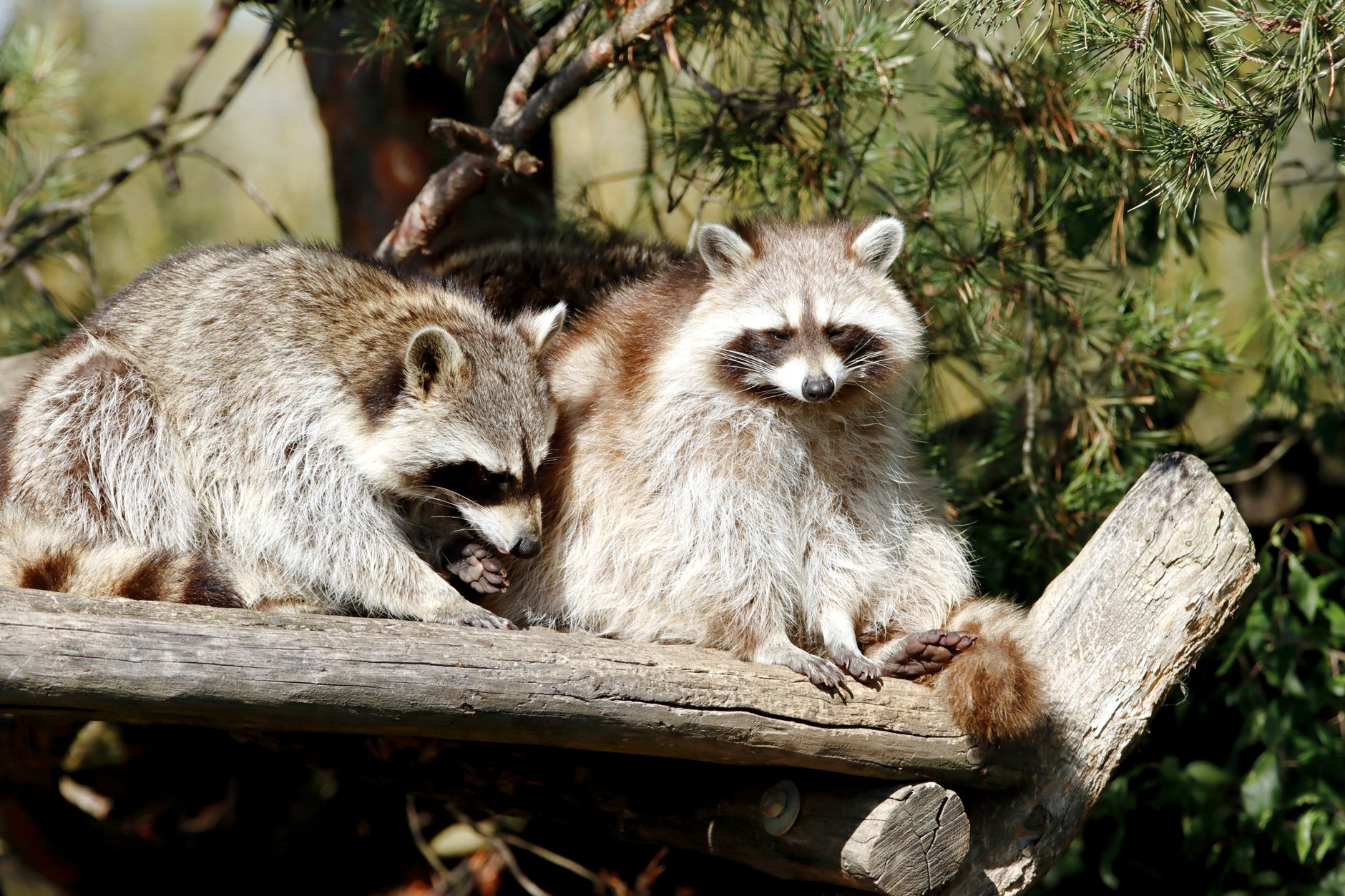
Do Raccoons Carry Rabies in Texas? Understanding the Risk
Do raccoons carry rabies in Texas? Yes, raccoons are a known rabies vector in Texas, meaning they are one of the species most frequently reported with the disease, although the prevalence varies regionally. Understanding the risks and taking preventive measures is crucial for public health.
Introduction to Raccoons and Rabies in Texas
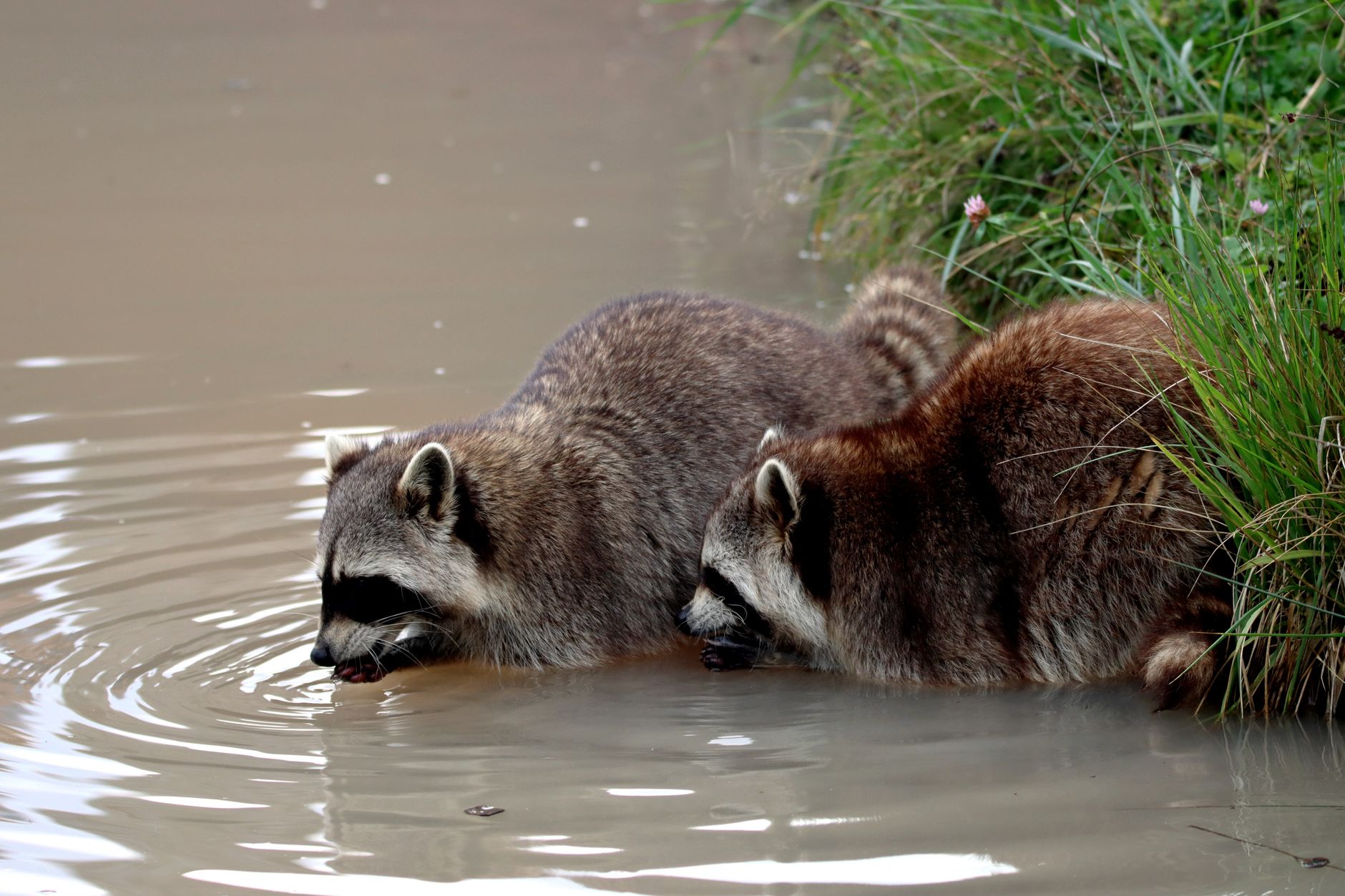
Raccoons are a common sight across Texas, from urban centers to rural landscapes. While these masked creatures can be fascinating to observe, they also pose a public health concern: the potential for rabies transmission. Rabies is a viral disease that affects the central nervous system and is almost always fatal once symptoms appear. It’s critical to understand the relationship between raccoons and rabies in Texas to ensure personal and community safety.

What colours are fish most attracted to?
Can you put your finger in a trout's mouth?
Is methylene blue anti bacterial?
Does aquarium salt raise pH in aquarium?
Rabies: A Deadly Viral Disease
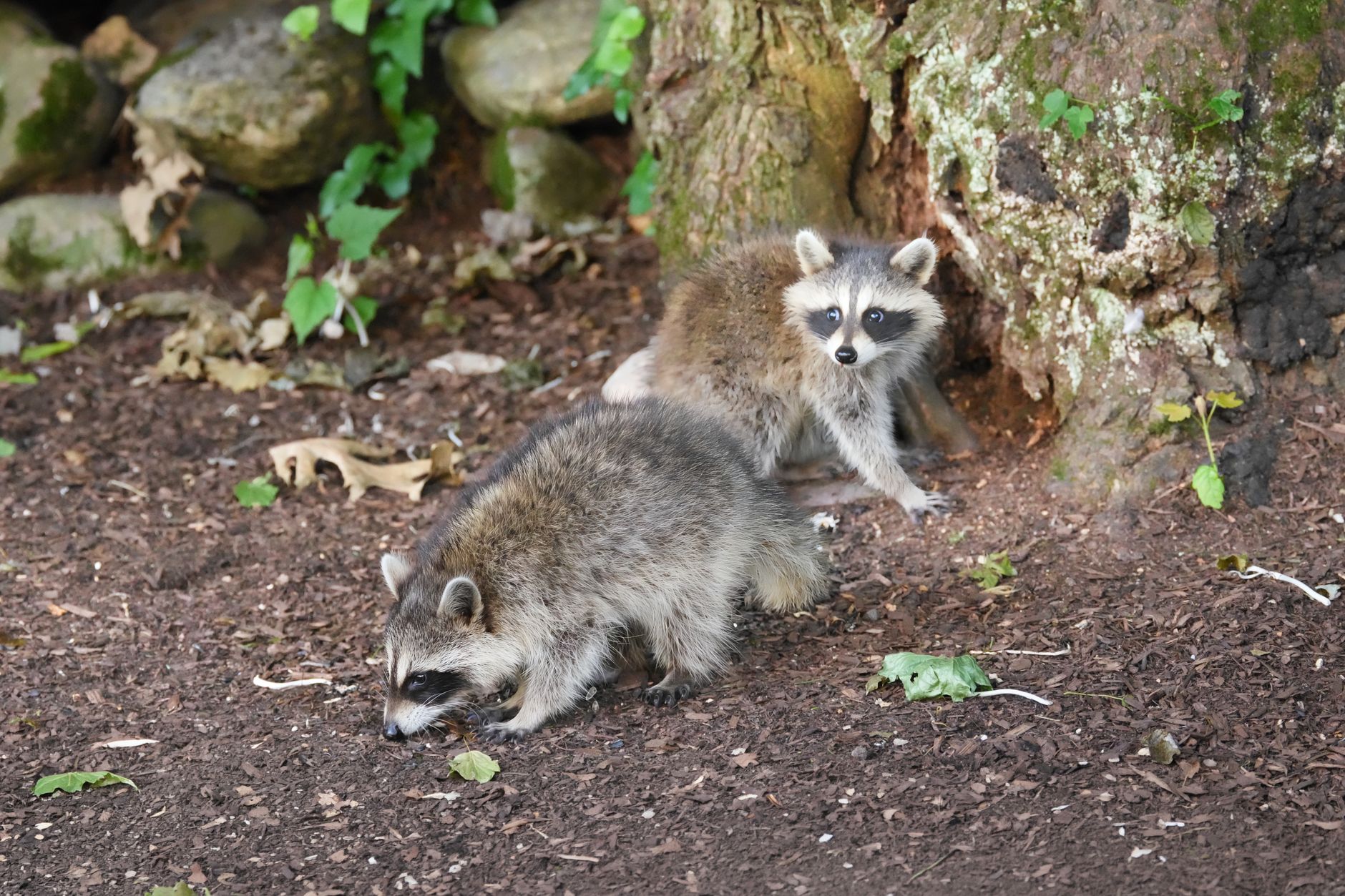
Rabies is caused by a virus transmitted through the saliva of infected mammals. The virus attacks the brain and spinal cord, leading to a range of neurological symptoms. These symptoms can include:
- Behavioral changes (aggression or unusual tameness)
- Difficulty swallowing
- Excessive salivation (foaming at the mouth)
- Paralysis
Because rabies is nearly always fatal once symptoms develop, prompt treatment after a potential exposure is essential.
Raccoons as Rabies Vectors
A rabies vector is an animal species that commonly carries and transmits the rabies virus. In Texas, raccoons are considered one of the primary terrestrial rabies vectors, along with skunks, bats, foxes, and coyotes. While any mammal can theoretically contract and transmit rabies, these species are statistically more likely to be involved in rabies outbreaks. Knowing that raccoons carry rabies in Texas is important for proactive risk mitigation.
Rabies Prevalence in Texas Raccoons
The prevalence of rabies in the raccoon population in Texas varies geographically. Some regions may experience higher rates of rabies infection than others. The Texas Department of State Health Services (DSHS) tracks rabies cases in animals and publishes data on the distribution of the disease. This data highlights areas where rabies is more prevalent, allowing targeted public health interventions.
Prevention and Protection
Preventing rabies exposure is crucial. The following measures can significantly reduce the risk:
- Vaccinate pets: Keep dogs, cats, and ferrets up-to-date on their rabies vaccinations.
- Avoid contact with wild animals: Do not approach, feed, or attempt to handle wild animals, especially raccoons, skunks, bats, foxes, and coyotes.
- Secure your property: Keep garbage cans tightly sealed and remove potential food sources that might attract raccoons.
- Educate children: Teach children about the dangers of rabies and the importance of avoiding contact with wild animals.
- Report suspicious animals: If you observe an animal behaving strangely (e.g., unusually aggressive, disoriented, or paralyzed), contact your local animal control or health department immediately.
Post-Exposure Prophylaxis (PEP)
If you are bitten or scratched by a potentially rabid animal, immediate medical attention is essential. Post-exposure prophylaxis (PEP) is a series of vaccinations and immunoglobulin injections that can prevent rabies from developing. PEP is highly effective when administered promptly after exposure. The treatment involves:
- Wound cleaning: Thoroughly wash the wound with soap and water.
- Rabies immunoglobulin (RIG): Injected into and around the wound to provide immediate protection.
- Rabies vaccine: A series of four injections administered over a 14-day period to stimulate the body’s immune response.
Timely PEP is crucial to prevent the onset of rabies and is highly effective when administered correctly.
The Role of Public Health Agencies
Public health agencies play a vital role in monitoring and controlling rabies in Texas. They conduct surveillance to track rabies cases, provide guidance on prevention and control measures, and investigate potential exposures. These agencies also work to educate the public about rabies risks and the importance of vaccination. The Texas Department of State Health Services (DSHS) is the primary state agency responsible for rabies control in Texas.
Common Myths About Rabies
Numerous misconceptions surround rabies. One common myth is that only aggressive animals can be rabid. However, rabid animals can also exhibit unusual tameness or disorientation. Another myth is that rabies is easily transmitted through the air or through contact with inanimate objects. Rabies is primarily transmitted through the saliva of infected animals, usually through a bite or scratch. Understanding the facts about rabies is critical for dispelling these myths and promoting accurate information.
The Importance of Reporting
Reporting potential rabies exposures is crucial for preventing the spread of the disease. If you are bitten or scratched by an animal suspected of having rabies, contact your local animal control or health department immediately. Reporting allows public health officials to investigate the incident, assess the risk of rabies exposure, and provide appropriate guidance. Remember, early intervention is key to preventing the development of this deadly disease.
Rabies in Texas and Your Pets
Your pets are also vulnerable to rabies, so vaccinating them is paramount. Contact with infected raccoons means your pet may be exposed, particularly if they are roaming outdoors.
Comparison of Rabies Vectors in Texas
| Animal | Rabies Vector | Geographic Distribution | Risk Level |
|---|---|---|---|
| Raccoon | Primary | Statewide | High |
| Skunk | Primary | Statewide | High |
| Bat | Primary | Statewide | High |
| Fox | Secondary | Varied | Moderate |
| Coyote | Secondary | Statewide | Moderate |
Frequently Asked Questions About Raccoons and Rabies in Texas
Are all raccoons in Texas rabid?
No, not all raccoons in Texas are rabid. While raccoons are a known rabies vector, the prevalence of rabies in the raccoon population varies geographically. It’s important to remember that only a small percentage of raccoons are actually infected with the rabies virus at any given time. However, because raccoons are a significant rabies reservoir, it’s crucial to avoid contact with them.
How can I tell if a raccoon has rabies?
It can be challenging to determine if a raccoon has rabies based on its appearance or behavior alone. Rabid animals may exhibit a range of symptoms, including aggression, disorientation, paralysis, and excessive salivation. Unusually tame behavior in a raccoon can also be a sign of rabies. If you observe a raccoon behaving strangely, avoid contact and contact animal control.
What should I do if a raccoon bites me?
If a raccoon bites you, immediately wash the wound thoroughly with soap and water. Then, seek medical attention as soon as possible. Your doctor will assess the risk of rabies exposure and determine if post-exposure prophylaxis (PEP) is necessary. Report the bite to your local animal control or health department.
Can rabies be cured once symptoms appear?
Unfortunately, rabies is almost always fatal once symptoms develop. This highlights the importance of prompt post-exposure prophylaxis (PEP) after a potential exposure. PEP is highly effective when administered before the onset of symptoms.
How long does it take for rabies symptoms to appear after exposure?
The incubation period for rabies, the time between exposure and the onset of symptoms, can vary from weeks to months. The incubation period depends on factors such as the location of the bite, the severity of the wound, and the amount of virus that entered the body.
Does the rabies vaccine for pets also protect humans?
No, the rabies vaccine for pets does not directly protect humans. However, vaccinating your pets helps to reduce the risk of rabies transmission in your community. If your pet is bitten by a rabid animal, it is less likely to become infected and transmit the virus to you.
Is it safe to approach a raccoon that appears friendly?
No, it is never safe to approach a raccoon, even if it appears friendly. Raccoons are wild animals, and their behavior can be unpredictable. An unusually friendly raccoon may be sick or disoriented, which can indicate rabies.
Are there any specific areas in Texas where rabies is more common in raccoons?
The prevalence of rabies in raccoons can vary geographically within Texas. Public health agencies track rabies cases and can provide information on areas where rabies is more common. Contact your local health department for specific information on rabies risks in your area.
Can rabies be transmitted through the air?
No, rabies is not typically transmitted through the air. The primary mode of transmission is through the saliva of infected animals, usually through a bite or scratch. Airborne transmission is rare and typically only occurs in specific situations, such as in bat caves with high concentrations of the virus.
How can I keep raccoons away from my property?
To keep raccoons away from your property, eliminate potential food sources. Secure garbage cans with tight-fitting lids, remove pet food and water bowls, and clean up any fallen fruit or birdseed. You can also use motion-activated lights or sprinklers to deter raccoons.
What if my pet is bitten by a raccoon?
If your pet is bitten by a raccoon, seek veterinary care immediately. Your veterinarian will assess the risk of rabies exposure and administer a booster rabies vaccine if your pet is already vaccinated. If your pet is not vaccinated, your veterinarian will likely recommend a quarantine period or euthanasia, depending on the circumstances and local regulations.
If I see a dead raccoon, should I report it?
If you find a dead raccoon on your property, avoid touching it. Contact your local animal control or health department to report the finding. They can determine if the raccoon needs to be tested for rabies and provide guidance on proper disposal. It is important to note that the rabies virus may still be active in a dead animal.