

What Liquid Eats Through Concrete?
Acidic liquids are the primary culprits behind concrete degradation, with sulfuric acid being particularly aggressive. What liquid eats through concrete? The answer is predominantly acidic substances, breaking down the calcium hydroxide in concrete through a process known as acid attack.

Understanding Concrete and Its Vulnerabilities
Concrete, a ubiquitous material in modern construction, is a composite substance primarily composed of cement, water, and aggregates. The cement, when hydrated, forms calcium silicate hydrate (C-S-H) and calcium hydroxide (Ca(OH)₂), the latter of which makes it vulnerable to acidic attack. While strong and durable under normal conditions, concrete is susceptible to degradation when exposed to certain liquids. The main weakness is its alkaline nature, making it an easy target for acids.

What colours are fish most attracted to?
Can you put your finger in a trout's mouth?
Is methylene blue anti bacterial?
Does aquarium salt raise pH in aquarium?
The Acid Attack Mechanism
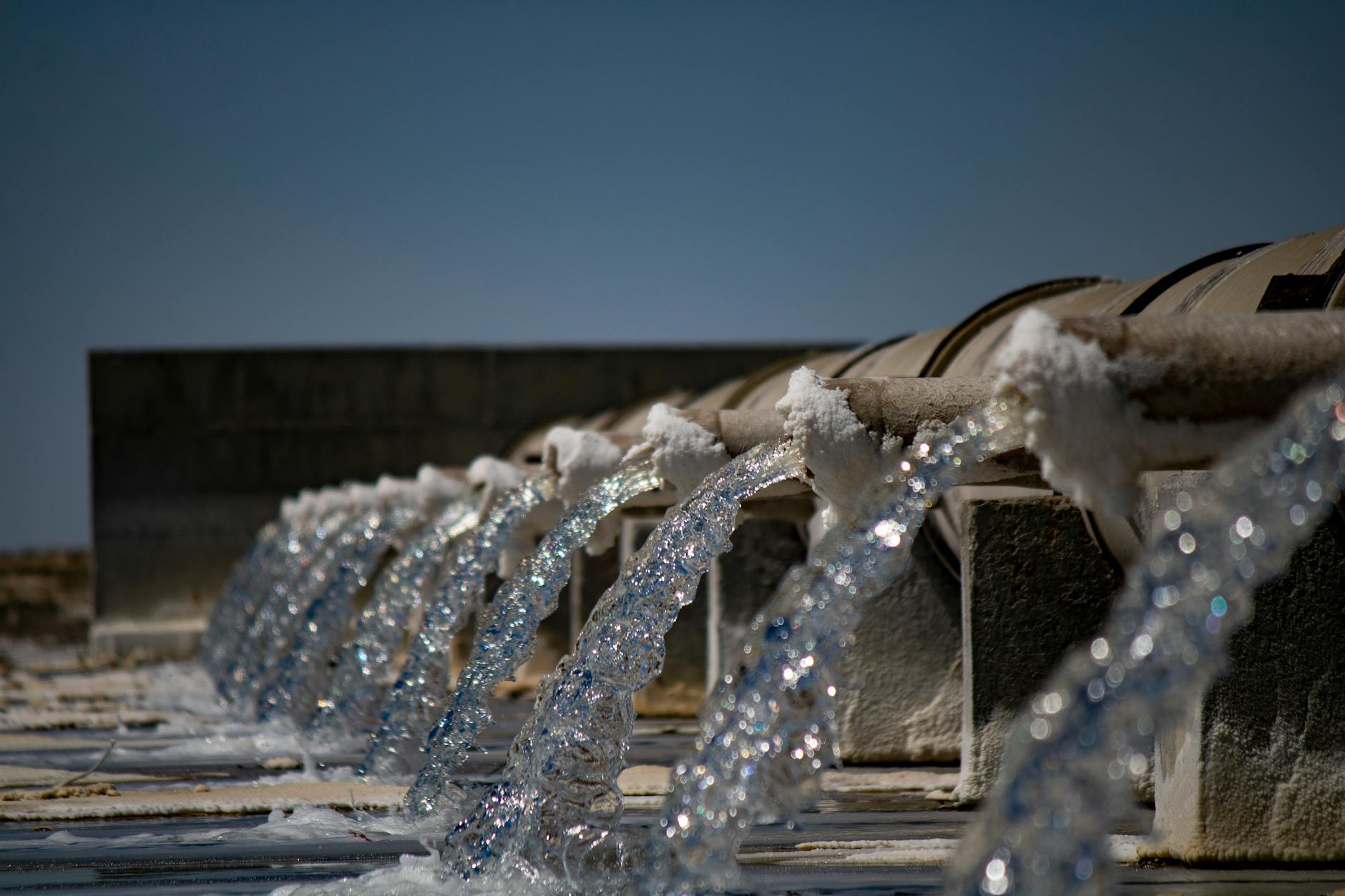
The process by which certain liquids “eat through” concrete is generally known as acid attack. This involves the chemical reaction between the acid and the calcium hydroxide present in the hardened cement paste. The calcium hydroxide neutralizes the acid, forming water-soluble calcium salts. These salts are then leached out, leaving behind a weakened and porous structure.
This process can be summarized as follows:
- Acid Penetration: The acidic liquid penetrates the surface of the concrete.
- Neutralization: The acid reacts with calcium hydroxide (Ca(OH)₂) to form calcium salts and water.
- Salt Leaching: The water-soluble calcium salts are dissolved and carried away by the liquid, eroding the concrete.
- Structural Weakening: The removal of calcium hydroxide weakens the concrete matrix, leading to cracking, crumbling, and eventual structural failure.
Key Culprits: Acidic Liquids
Several types of acidic liquids are known to aggressively corrode concrete. Here are some of the most common:
- Sulfuric Acid (H₂SO₄): One of the most potent and widespread causes of concrete degradation. Often found in industrial wastewater, sewage systems (due to microbial activity), and acid rain.
- Hydrochloric Acid (HCl): Commonly used in industrial cleaning and etching processes. Highly corrosive and can rapidly damage concrete.
- Nitric Acid (HNO₃): Used in fertilizer production and various industrial applications. Reacts aggressively with concrete.
- Acetic Acid (CH₃COOH): Found in vinegar and some industrial processes. While weaker than other acids, prolonged exposure can still damage concrete.
- Lactic Acid (C₃H₆O₃): Generated in food processing plants and dairy farms. Contributes to concrete erosion in these environments.
- Citric Acid (C₆H₈O₇): Found in citrus fruits and some cleaning products. Can slowly degrade concrete over time.
Factors Influencing the Rate of Corrosion
The rate at which a liquid “eats through” concrete depends on several factors:
- Acid Concentration: Higher acid concentrations lead to faster corrosion rates.
- pH Level: Lower pH values indicate stronger acidity and greater corrosive potential.
- Exposure Duration: Longer exposure times result in more extensive damage.
- Temperature: Higher temperatures generally accelerate chemical reactions, including acid attack.
- Concrete Composition: The type and quality of cement used in the concrete mix can affect its resistance to acid attack. Some cements are designed to be more resistant.
- Concrete Porosity: More porous concrete allows for easier penetration of acidic liquids, increasing the rate of corrosion.
- Liquid Flow Rate: The rate at which the acidic liquid flows over the concrete surface can influence the removal of reaction products and accelerate corrosion.
Preventing and Mitigating Acid Attack
Protecting concrete from acid attack requires a multi-pronged approach:
- Protective Coatings: Applying acid-resistant coatings, such as epoxy resins, polyurethane, or specialized silicate-based sealers, can create a barrier between the concrete and the acidic environment.
- Acid-Resistant Concrete Mixes: Using specialized cements, such as sulfate-resistant cement or pozzolanic cement, can enhance the concrete’s resistance to acid attack.
- Neutralization: If acidic liquids are present, neutralizing them with alkaline substances can reduce their corrosive potential.
- Proper Drainage: Ensuring adequate drainage can prevent the accumulation of acidic liquids on concrete surfaces.
- Regular Inspection and Maintenance: Regularly inspecting concrete structures for signs of acid attack and performing timely repairs can prevent further damage.
Comparing Different Acidic Liquids and Their Effect on Concrete
| Acid | Strength (Typical Concentration) | Corrosion Rate (Relative) | Common Sources |
|---|---|---|---|
| Sulfuric Acid | High (Up to 98%) | Very High | Industrial wastewater, sewage, acid rain |
| Hydrochloric Acid | High (Up to 37%) | Very High | Industrial cleaning, etching |
| Nitric Acid | High (Up to 70%) | High | Fertilizer production, industrial processes |
| Acetic Acid | Low (Typically 5% in vinegar) | Low | Vinegar, some industrial processes |
| Lactic Acid | Moderate (Varies) | Moderate | Food processing, dairy farms |
| Citric Acid | Low (Varies) | Low | Citrus fruits, some cleaning products |
Frequently Asked Questions (FAQs)
What is the chemical reaction that causes acid to eat through concrete?
The primary chemical reaction is the neutralization of the calcium hydroxide (Ca(OH)₂) in concrete by the acid, forming calcium salts and water. This reaction weakens the concrete matrix as the calcium salts are leached out, leaving behind a porous and structurally compromised material.
Is all concrete equally vulnerable to acid attack?
No. The vulnerability of concrete to acid attack depends on factors such as the type of cement used, the density of the concrete mix, and the presence of protective coatings or additives. Some specialized concrete mixes are formulated to be more acid-resistant.
Can pH be used to predict the corrosiveness of a liquid on concrete?
Yes, pH is a good indicator of a liquid’s corrosiveness. Liquids with lower pH values (below 7) are acidic and more likely to corrode concrete. However, other factors, such as the type of acid and its concentration, also play a significant role.
What types of industries are most likely to experience concrete corrosion due to acidic liquids?
Industries such as mining, chemical processing, food processing, wastewater treatment, and agriculture are particularly prone to concrete corrosion due to the presence of various acidic substances.
How quickly can an acidic liquid eat through concrete?
The rate at which an acidic liquid corrodes concrete varies significantly depending on the acid’s strength, concentration, exposure duration, and the type of concrete. Highly concentrated acids can cause noticeable damage within days, while weaker acids may take months or years.
Are there any signs that indicate concrete is being affected by an acidic liquid?
Yes, common signs of acid attack on concrete include discoloration, surface softening, cracking, crumbling, and the appearance of efflorescence (white, powdery deposits) on the surface.
What type of protective coating is best to prevent acid from eating through concrete?
The best type of protective coating for concrete depends on the specific acid and the severity of the exposure. Epoxy resins, polyurethane coatings, and specialized silicate-based sealers are commonly used and offer varying levels of acid resistance.
Can acid rain damage concrete structures?
Yes, acid rain, which contains sulfuric and nitric acids, can contribute to the gradual degradation of concrete structures, especially in areas with high levels of air pollution. The effect is slow but cumulative over many years.
Is there a way to neutralize acid on concrete before it causes damage?
Yes, neutralizing acidic liquids on concrete can help prevent or minimize damage. This can be done by applying alkaline substances, such as lime or soda ash, to the affected area. However, it’s crucial to use appropriate safety precautions when handling these chemicals.
Does the temperature of the acidic liquid affect the rate of corrosion?
Yes, higher temperatures generally accelerate the rate of acid attack on concrete. This is because chemical reactions, including the dissolution of concrete components by acids, occur more rapidly at higher temperatures.
Can organic acids, like those found in food, damage concrete?
Yes, organic acids, such as lactic acid and acetic acid, can damage concrete, although they are typically less aggressive than strong mineral acids like sulfuric or hydrochloric acid. Prolonged exposure to organic acids, especially in high concentrations, can still lead to significant corrosion.
What is the best way to repair concrete that has been damaged by acid attack?
The best approach to repairing acid-damaged concrete depends on the extent of the damage. Minor damage may be repaired with patching compounds specifically designed for concrete repair. More extensive damage may require removing and replacing the affected concrete, followed by applying a protective coating to prevent future corrosion. Always consult with a qualified concrete repair professional for significant damage.