

Do Owls Eat Cats and Dogs? Unveiling the Truth
Do owls eat cats and dogs? The answer is highly unlikely, especially when it comes to adult animals. While owls are predators, they primarily target small rodents and other smaller prey.

Understanding Owl Predatory Behavior
Owls are fascinating creatures of the night, renowned for their silent flight, keen eyesight, and impressive hunting skills. Their diet primarily consists of small mammals, birds, insects, and fish, depending on the species and their geographical location. Understanding their typical prey is key to addressing the question of whether they pose a threat to cats and dogs.
- Dietary Staples: Rodents (mice, voles, rats), rabbits, squirrels, and various bird species constitute the majority of an owl’s diet.
- Size Matters: Owls generally target prey that is smaller than themselves. This allows them to effectively hunt, kill, and consume their meals.

What is the GREY African clawed frog?
Is distilled water good for goldfish?
What colours are fish most attracted to?
Can you put your finger in a trout's mouth?
Physical Limitations of Owls
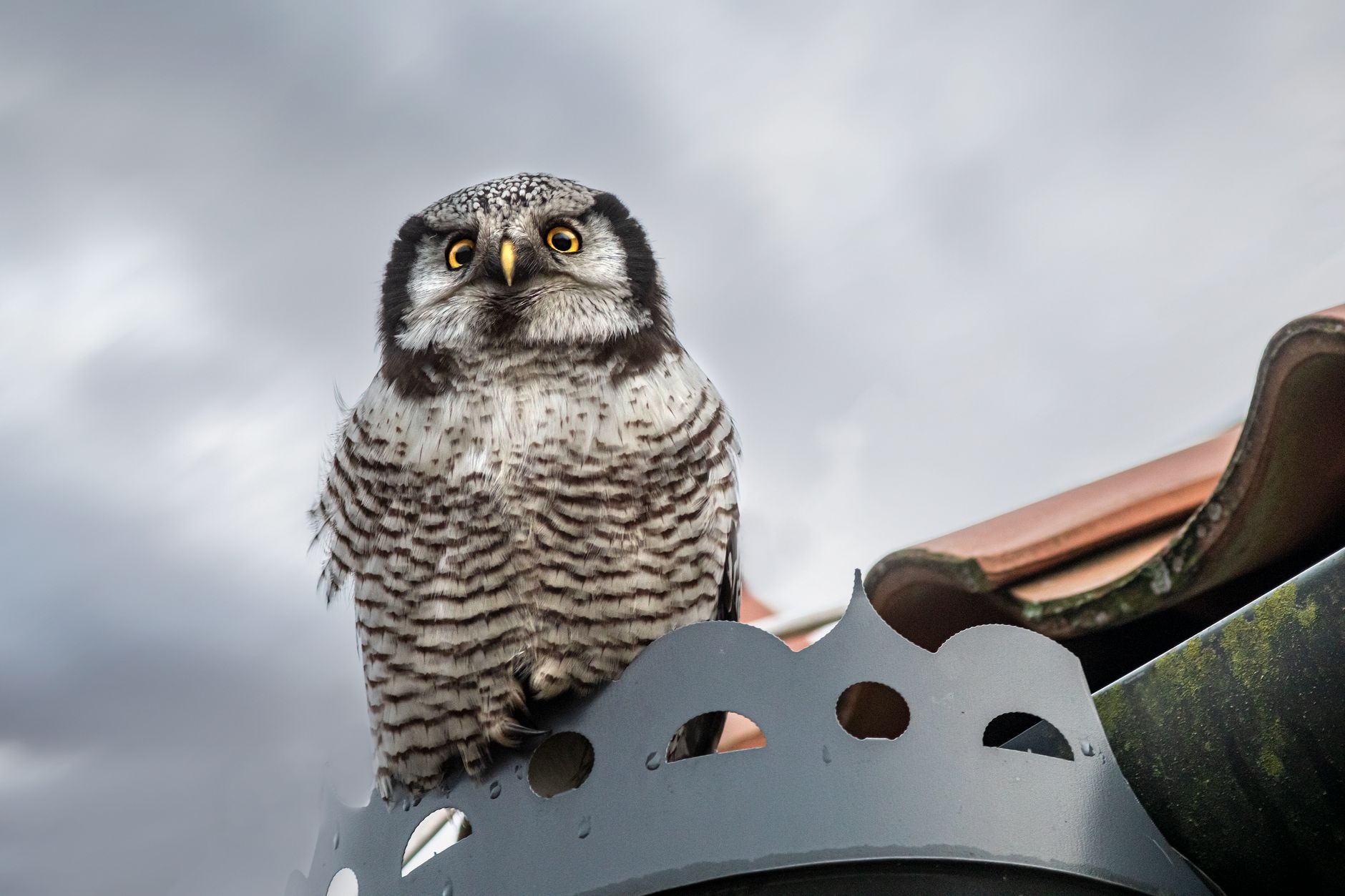
Owls are formidable predators, but they are not invincible. Their physical capabilities impose limitations on the size and type of prey they can successfully hunt.
- Grasp and Carry: Owls rely on their talons to grasp and carry prey. While strong, these talons are designed for smaller animals.
- Beak Strength: Their beaks are sharp and powerful, used for tearing flesh, but not necessarily for tackling larger, tougher animals.
- Weight Restrictions: Most owls are not capable of lifting and carrying animals significantly heavier than themselves.
Risks to Small Pets: Kittens and Toy Breeds
While adult cats and dogs are generally safe, do owls eat cats and dogs? The risk, although very small, is higher for kittens and very small dog breeds.
- Kittens: Small kittens left unattended outside are vulnerable, as they may be perceived as suitable prey by larger owl species.
- Toy Breeds: Extremely small dog breeds (e.g., Chihuahuas, toy poodles) left outside unsupervised could also be at a slight risk.
- Protective Measures: Keeping pets indoors, especially at night, and supervising them during outdoor excursions are crucial preventative measures.
Misconceptions and Fearmongering
The idea that owls are a significant threat to cats and dogs is largely based on misconceptions fueled by fearmongering.
- Urban Legends: Stories of owls attacking larger animals often lack credible evidence.
- Sensationalized Reporting: Media coverage can sometimes exaggerate isolated incidents, creating a false impression of widespread danger.
- Accurate Information is Key: Relying on factual information from wildlife experts and ornithologists helps dispel these myths.
Owl Species and Their Predatory Habits
The threat level varies greatly depending on the owl species in question. Some owls are simply too small to pose a threat to even kittens.
| Owl Species | Size | Primary Prey | Potential Risk to Pets |
|---|---|---|---|
| Great Horned Owl | Large | Rabbits, rodents, birds | Low (to kittens/small dogs) |
| Barred Owl | Medium | Rodents, amphibians | Very Low |
| Eastern Screech Owl | Small | Insects, small rodents | Negligible |
| Barn Owl | Medium | Rodents | Very Low |
| Snowy Owl | Large | Lemmings, birds | Low (to kittens/small dogs in Arctic regions) |
Preventing Owl-Pet Encounters
While the risk is low, taking precautions can help further minimize the chances of an unwanted encounter.
- Supervision: Always supervise small pets when they are outside, especially during dawn and dusk, when owls are most active.
- Secure Enclosures: Provide secure outdoor enclosures for pets, such as fenced-in yards or covered runs.
- Motion-Activated Lights: Install motion-activated lights to deter owls from approaching your property.
- Remove Attractants: Eliminate potential food sources for owls, such as rodents, by keeping your yard clean and managing bird feeders carefully.
The Importance of Respecting Wildlife
Ultimately, it’s crucial to remember that owls are a vital part of the ecosystem and deserve our respect and protection.
- Coexistence: Learning to coexist peacefully with wildlife is essential for maintaining a healthy environment.
- Conservation Efforts: Supporting conservation efforts that protect owl habitats helps ensure their long-term survival.
- Responsible Pet Ownership: Being a responsible pet owner by providing adequate care and supervision is the best way to protect your furry companions.
Frequently Asked Questions (FAQs)
Is it common for owls to attack pets?
No, it is not common. Owls generally prefer to hunt smaller prey such as rodents, rabbits, and birds. While the possibility exists, attacks on pets are rare incidents.
What size dog is safe from owls?
Generally, dogs larger than 20 pounds are unlikely to be targeted by owls. However, smaller toy breeds should still be supervised, especially during dawn and dusk.
Are great horned owls a threat to cats?
Great horned owls are among the largest and most powerful owls, but attacks on cats are still infrequent. Kittens and very small cats are at slightly higher risk, but a healthy, adult cat is usually too large and agile to be an easy target.
Can owls carry off a cat?
While some larger owl species can lift several pounds, carrying off a full-grown cat is highly improbable. The cat’s weight, combined with its ability to fight back, makes it a difficult and risky prey item.
What should I do if I see an owl in my yard?
Observe the owl from a distance and avoid disturbing it. Keep pets indoors, especially at night. If you are concerned, contact your local wildlife authorities for advice.
Will an owl attack if I get too close?
Owls are generally shy and will avoid human contact. If you approach an owl too closely, it may feel threatened and defend itself. It’s best to maintain a respectful distance.
Are there certain times of year when owls are more likely to attack?
Owls may be more active during nesting season (typically late winter to early spring) as they are hunting to feed their young. However, attacks on pets remain rare even during this time.
How can I protect my chickens from owls?
Secure your chicken coop with wire mesh to prevent owls from entering. Consider using motion-activated lights as a deterrent.
Are certain breeds of cats more at risk from owls?
No specific cat breed is inherently more at risk. Size and outdoor exposure are the primary factors that determine vulnerability.
Do owls only hunt at night?
Most owls are nocturnal, meaning they primarily hunt at night. However, some species, like the Northern Hawk Owl, are diurnal and hunt during the day.
What other animals besides rodents do owls eat?
Depending on the species and location, owls also eat fish, insects, amphibians, reptiles, and other birds. Their diet is highly adaptable to available food sources.
Is it illegal to kill an owl?
Yes, in most jurisdictions, it is illegal to kill or harm owls due to their protected status under wildlife conservation laws.