

What Kind of Soap Can You Use to Clean a Fish Tank?
The simple answer is: absolutely no soap. Using soap, even seemingly mild varieties, can be lethal to aquatic life due to the harmful chemicals they contain.

Introduction: The Perils of Soap in Aquariums
Maintaining a clean fish tank is crucial for the health and well-being of your aquatic pets. However, the methods we typically use for cleaning our homes – often involving various types of soap – are strictly off-limits when it comes to aquariums. The residues left behind by soap, even after rinsing, can be devastating. This article will delve into why soap is so dangerous for fish tanks and explore safe and effective alternatives for keeping your aquarium pristine. Understanding the delicate balance of an aquatic ecosystem is paramount to responsible fishkeeping.

How many fish can you put in a 200 gallon tank?
Can I put pink Himalayan salt in a fish tank?
What fish is Flo?
How intelligent are fish?
Why Soap is Deadly for Fish
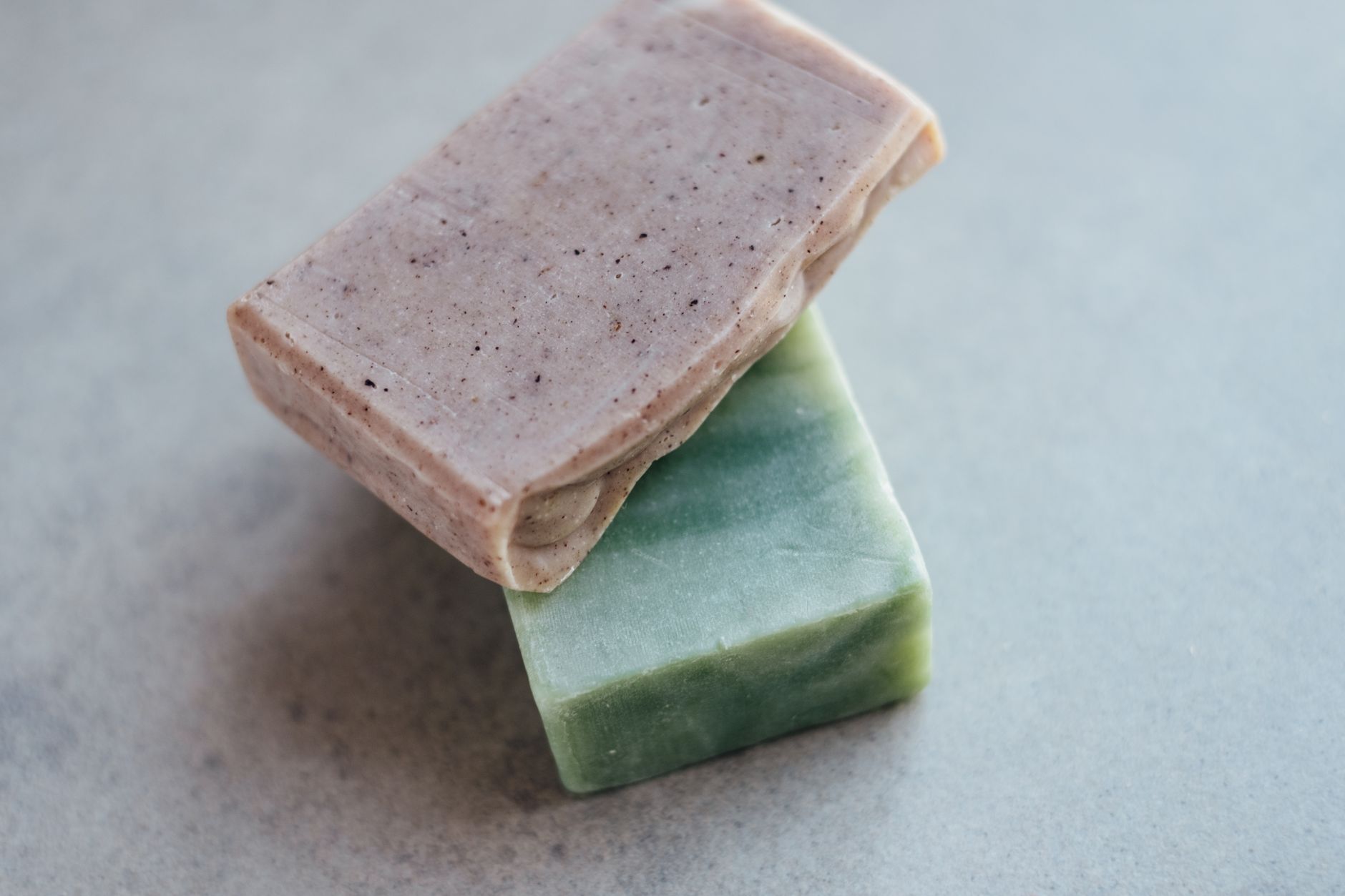
Soap, by its very nature, is designed to break down oils and fats. This ability is detrimental to the protective slime coat of fish, which acts as a barrier against bacteria, parasites, and disease. When soap comes into contact with this slime coat, it disrupts its integrity, leaving the fish vulnerable to infection and osmotic shock (the inability to regulate water and salt balance).
Furthermore, many soaps contain fragrances, dyes, and other additives that are highly toxic to aquatic life. Even trace amounts of these substances can contaminate the water and poison your fish. Ingredients like ammonia, phosphates, and antibacterial agents commonly found in household cleaners can disrupt the nitrogen cycle, leading to a buildup of harmful toxins like ammonia and nitrite in the tank water. This can cause severe stress, illness, and even death to your fish and other aquatic inhabitants.
Safe Alternatives to Soap for Cleaning Fish Tanks
So, what kind of soap can you use to clean a fish tank? The answer remains: none. Thankfully, there are several safe and effective alternatives for keeping your aquarium clean:
- Hot Water: Hot water is your best friend! It’s surprisingly effective at removing algae and debris.
- Vinegar (Diluted): White vinegar, diluted with water (a 1:1 ratio), can be used to scrub away stubborn algae. Rinse thoroughly afterward.
- Algae Scrapers: Dedicated algae scrapers, both magnetic and handheld, are specifically designed to remove algae from the glass or acrylic without scratching.
- Aquarium-Safe Sponges and Brushes: Use sponges and brushes that have never been exposed to soap or other cleaning chemicals. Designate them solely for aquarium use.
- Gravel Vacuum: A gravel vacuum helps remove debris and uneaten food from the substrate, preventing the buildup of harmful substances.
- Regular Water Changes: Performing regular partial water changes (typically 25-50% weekly) helps maintain water quality and remove accumulated waste.
Cleaning Procedure: Step-by-Step Guide
Cleaning a fish tank effectively without soap requires a careful approach. Here’s a step-by-step guide:
- Gather your supplies: Algae scraper, aquarium-safe sponge, bucket, gravel vacuum, dechlorinated water.
- Unplug all electrical equipment: This is crucial for safety.
- Remove any decorations: Carefully remove plants, rocks, and other decorations from the tank.
- Scrub the tank: Use the algae scraper to remove algae from the glass or acrylic. Use the aquarium-safe sponge to wipe down the interior surfaces.
- Clean the decorations: Rinse the decorations thoroughly with hot water. If necessary, scrub them with a diluted vinegar solution.
- Vacuum the gravel: Use the gravel vacuum to remove debris and uneaten food from the substrate.
- Perform a water change: Remove 25-50% of the tank water and replace it with fresh, dechlorinated water.
- Return the decorations: Carefully return the cleaned decorations to the tank.
- Plug in all electrical equipment: Double-check that everything is properly connected.
- Monitor your fish: Observe your fish closely for any signs of stress or illness after the cleaning.
Common Mistakes to Avoid
- Using Soap: This is the biggest mistake! Avoid all types of soap, detergents, and household cleaners.
- Over-Cleaning: Don’t try to sterilize the tank. A healthy aquarium needs beneficial bacteria.
- Using Tap Water Directly: Tap water contains chlorine and chloramine, which are harmful to fish. Always use a dechlorinator before adding tap water to the tank.
- Changing Too Much Water at Once: Large water changes can shock your fish. Stick to 25-50% water changes.
- Neglecting the Filter: Clean the filter regularly according to the manufacturer’s instructions. Don’t clean the filter media too thoroughly, as this can remove beneficial bacteria.
The Importance of Beneficial Bacteria
A healthy fish tank relies on a thriving colony of beneficial bacteria. These bacteria are essential for the nitrogen cycle, which converts harmful ammonia into less toxic nitrite and then into nitrate. Nitrates are removed during water changes. Soap disrupts this delicate balance, killing the beneficial bacteria and causing ammonia levels to spike. Therefore, avoiding soap is crucial for maintaining a healthy and stable aquarium environment. Remember that what kind of soap can you use to clean a fish tank always has the same answer: none!
Choosing the Right Cleaning Tools
Investing in the right cleaning tools is essential for maintaining a healthy aquarium without the use of soap. Here’s a list of recommended tools:
- Algae Scrapers: Choose a scraper appropriate for your tank material (glass or acrylic).
- Aquarium-Safe Sponges: Use sponges specifically designed for aquarium use, free of dyes and chemicals.
- Gravel Vacuum: Select a gravel vacuum that is appropriate for the size of your tank.
- Buckets: Use dedicated buckets for aquarium water changes to avoid contamination.
- Dechlorinator: Always have a dechlorinator on hand to treat tap water before adding it to the tank.
By using these tools and following the safe cleaning procedures outlined above, you can keep your fish tank clean and healthy without ever resorting to soap.
Frequently Asked Questions (FAQs)
Can I use dish soap if I rinse it really well?
No. Even if you rinse extensively, dish soap can leave residue that is toxic to fish. The surfactants and fragrances in dish soap are particularly harmful. The best approach is to avoid any soap at all when dealing with your aquarium.
Is it safe to use antibacterial soap on my fish tank decorations?
No. Antibacterial soaps contain chemicals designed to kill bacteria, including the beneficial bacteria that are crucial for a healthy aquarium ecosystem. Using antibacterial soap on decorations will disrupt the nitrogen cycle and can harm your fish.
What about mild, unscented soap?
Even mild, unscented soaps can contain ingredients that are harmful to fish. The risks outweigh any perceived benefits. Stick to safe alternatives like hot water and diluted vinegar.
How often should I clean my fish tank?
The frequency of cleaning depends on the size of your tank, the number of fish, and the type of filtration system. A general guideline is to perform a 25-50% water change weekly, along with gravel vacuuming.
Can I use bleach to clean my fish tank?
Bleach can be used to disinfect items outside of the tank, but it must be thoroughly rinsed and dechlorinated before being placed back in the aquarium. The risk of residual bleach harming your fish is significant, so it’s generally best to avoid it.
What if my fish tank has a terrible algae problem?
A severe algae problem could suggest imbalances in lighting or nutrient levels. Consider adjusting your lighting schedule, reducing feeding, and ensuring adequate filtration. Algae eaters like snails and certain fish species can also help.
How do I clean a new fish tank before adding fish?
Rinse the new tank thoroughly with hot water to remove any dust or debris from manufacturing. You can also use a dedicated aquarium-safe sponge to wipe down the interior.
What if I accidentally used soap in my fish tank?
Immediately perform a large water change (75-90%) and monitor your fish closely for signs of stress. Consider using a carbon filter to help remove any residual soap. Be prepared for a potential disruption of the nitrogen cycle and monitor ammonia and nitrite levels closely.
Are there any “fish-safe” soaps available?
The concept of “fish-safe” soap is misleading. What kind of soap can you use to clean a fish tank is a trick question because all soaps pose a risk. Instead, rely on the safe alternatives mentioned above.
Can I clean my fish tank with just water?
Yes! In many cases, hot water and elbow grease are all you need to clean your fish tank effectively. Regular water changes and gravel vacuuming will also help maintain water quality.
How do I clean my fish tank filter?
The filter media should be rinsed gently in used aquarium water to remove debris without killing the beneficial bacteria. Replace disposable filter cartridges regularly according to the manufacturer’s instructions.
What are the signs that my fish tank needs cleaning?
Signs include cloudy water, excessive algae growth, unpleasant odors, and elevated levels of ammonia, nitrite, or nitrate. Regularly testing your water parameters is the best way to determine when cleaning is necessary. Remember, the golden rule of aquarium maintenance: what kind of soap can you use to clean a fish tank? Absolutely none!