

What Kind of Fish Hide in Holes?
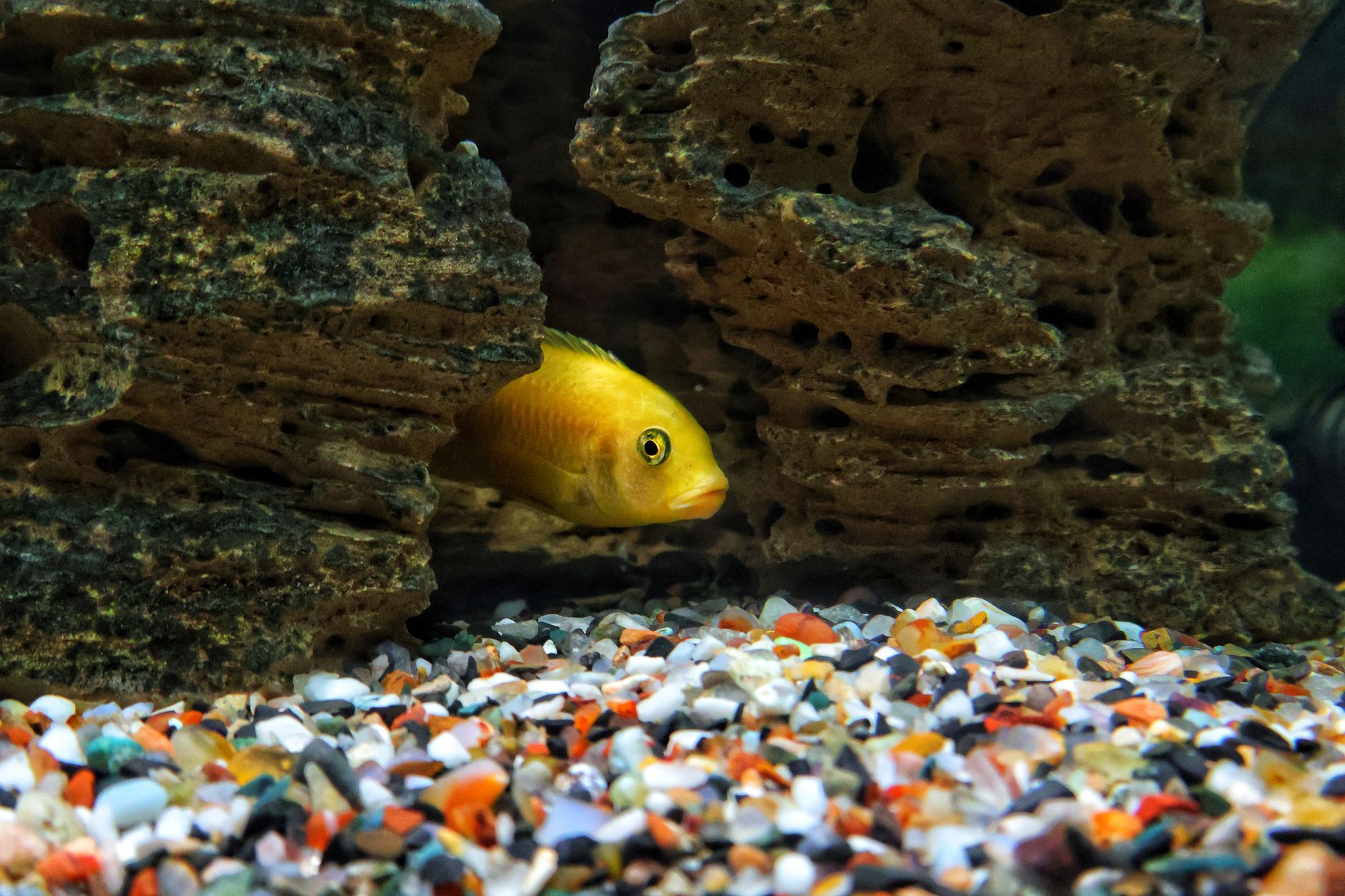
The marine world is full of surprises, and one of the most intriguing is the diverse array of fish that seek refuge in holes. Many species of gobies, blennies, eels, groupers, and triggerfish are particularly well-known for their hole-hiding behavior, offering protection from predators and a strategic vantage point for ambush.
Introduction: Unveiling the Secretive World of Hole-Dwelling Fish
The ocean’s floor, with its intricate network of caves, crevices, and burrows, offers a sanctuary for countless aquatic creatures. Among them are fish that have adapted to a life of seclusion, seeking safety and sustenance within the confines of these underwater hideaways. Understanding what kind of fish hide in holes reveals fascinating insights into their ecology, behavior, and the critical role they play in the marine ecosystem. This article dives deep into the world of these secretive species, exploring their motivations, adaptations, and the significance of their hidden habitats.

Are fish heads good for the garden?
Can fish hear water?
What is cotton rot in fish?
What colours are fish most attracted to?
Why Fish Seek Refuge in Holes
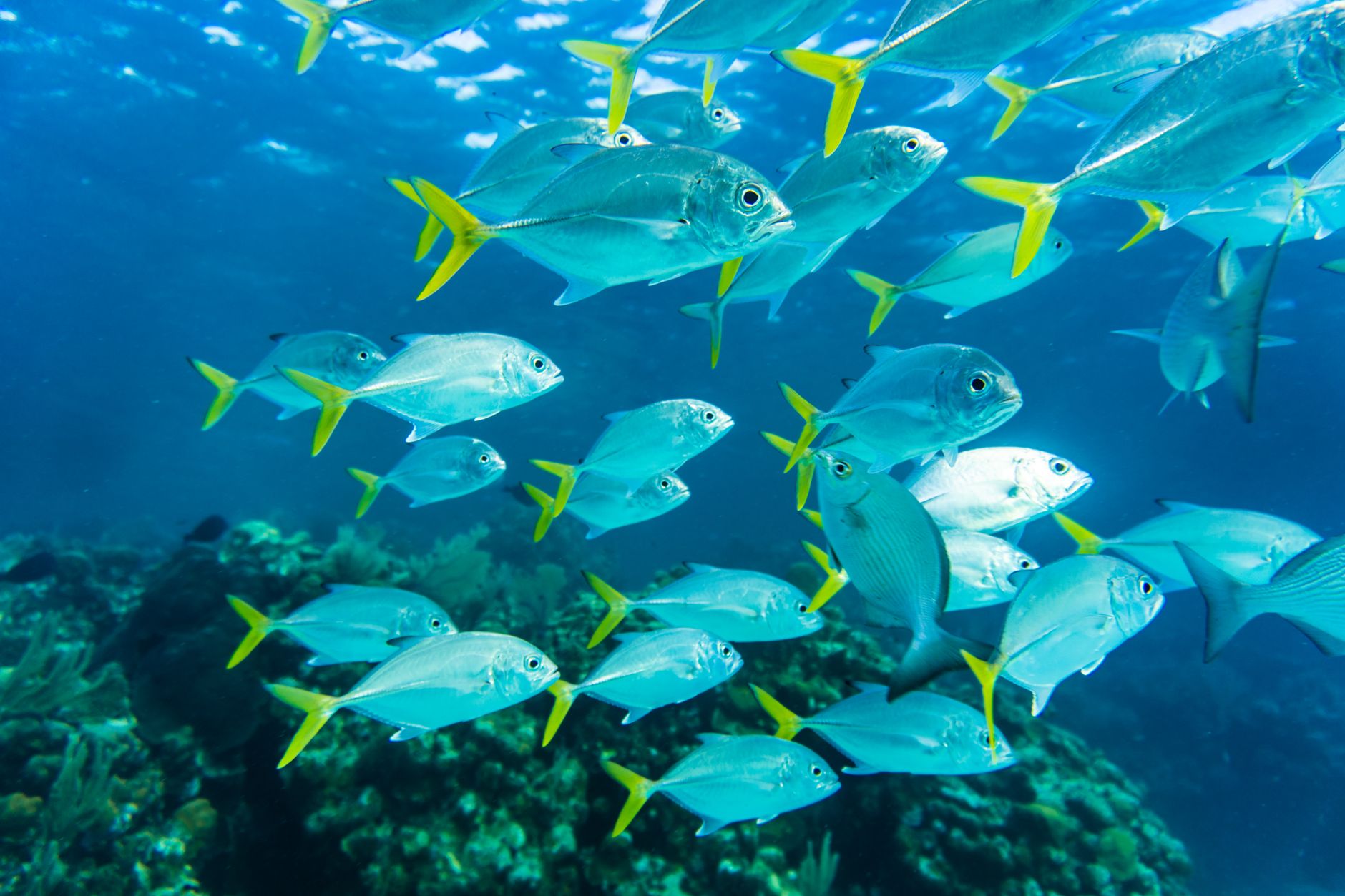
The reasons what kind of fish hide in holes are multifaceted and crucial for their survival:
- Protection from Predators: Holes provide a safe haven from larger predators, offering an escape route and a physical barrier against attack.
- Ambush Predation: Some fish utilize holes as strategic ambush points, lying in wait for unsuspecting prey to pass by.
- Nesting and Reproduction: Many fish species use holes as nesting sites, providing a secure location for laying eggs and raising their young.
- Shelter from Strong Currents: Holes offer relief from strong currents, allowing fish to conserve energy and maintain their position.
- Thermoregulation: In some environments, holes can offer more stable temperatures than the surrounding waters.
Key Species That Utilize Holes
Numerous species have adopted hole-dwelling behavior. Here’s a look at some prominent examples:
- Gobies: These small, colorful fish are often found darting in and out of small holes and burrows. Many species form symbiotic relationships with shrimp, sharing the burrow and providing protection in exchange for the shrimp’s excavation skills.
- Blennies: Known for their elongated bodies and comical expressions, blennies often inhabit abandoned burrows or crevices in rocks and coral reefs.
- Eels: Several eel species, such as moray eels and garden eels, are notorious for their preference for holes. Moray eels use holes as ambush predators, while garden eels poke their heads out from sandy burrows to filter-feed.
- Groupers: Larger fish like groupers will utilize holes for protection and as ambush hunting locations. Juvenile groupers, in particular, rely on holes to avoid predation.
- Triggerfish: These unique fish can wedge themselves into tight spaces, using their dorsal spine to lock themselves in place for protection.
- Hawkfish: This small but mighty species perches atop rocks or coral, waiting for food to swim by. They will quickly retreat into holes when threatened.
Adaptations for Hole-Dwelling
Fish that frequently hide in holes have developed unique adaptations that aid in this lifestyle:
- Elongated Body Shape: Allows them to navigate narrow spaces with ease.
- Strong Fins: Provide precise maneuverability and the ability to hold position in currents.
- Camouflage: Blending in with the surrounding environment helps them avoid detection by predators and prey.
- Specialized Mouths: Some species have mouths adapted for suction-feeding, allowing them to capture prey from within their burrows.
Table: Comparing Hole-Dwelling Fish
| Fish Group | Common Hole Type | Primary Reason for Hiding | Key Adaptation(s) |
|---|---|---|---|
| Gobies | Small burrows, crevices | Protection, Nesting | Small size, Strong fins |
| Blennies | Abandoned burrows, rocks | Protection, Ambush | Elongated body, Camouflage |
| Eels | Caves, Sandy burrows | Ambush, Protection | Elongated body, Powerful jaws |
| Groupers | Larger caves, crevices | Protection, Ambush | Large mouth, Camouflage |
| Triggerfish | Tight spaces, coral | Protection | Locking dorsal spine |
| Hawkfish | Coral branches, holes | Ambush, Protection | Perched posture, camouflage |
The Importance of Hole Habitats
The availability and quality of hole habitats are crucial for the survival and health of many fish populations. Destruction of coral reefs, sedimentation, and pollution can all negatively impact these habitats, leading to declines in fish populations. Protecting and restoring these critical habitats is essential for maintaining the biodiversity and ecological integrity of marine ecosystems.
Frequently Asked Questions (FAQs)
Why do some fish dig their own holes?
Some fish, particularly certain species of gobies, actively dig their own holes or burrows for shelter, nesting, and protection. This digging behavior is often part of a symbiotic relationship with other creatures like shrimp, where the fish provides protection, and the shrimp excavates and maintains the burrow.
What is a cleaning station, and how does it relate to holes?
Cleaning stations are areas on coral reefs, often near prominent rocks or holes, where cleaner fish remove parasites from larger fish. These stations provide a safe haven for the cleaners, and larger fish often queue up to be cleaned, seeking refuge near the station while awaiting their turn.
Are there freshwater fish that hide in holes?
Yes, while hole-dwelling behavior is more commonly associated with marine fish, some freshwater fish species also utilize holes for shelter and breeding. Examples include certain species of catfish and cichlids that excavate burrows or seek refuge in natural cavities.
How do fish defend their holes from intruders?
Fish defend their holes through a combination of aggression, territorial displays, and physical defense. They may use their teeth, spines, or body to ward off intruders and protect their territory.
Do different types of holes offer different levels of protection?
Yes, the size, shape, and location of a hole all influence the level of protection it offers. Smaller, more secluded holes may provide better protection from larger predators, while larger, more open holes may be more suitable for ambush predation.
Can the lack of suitable holes impact fish populations?
Absolutely. A shortage of suitable hiding places can drastically impact fish populations, leading to increased predation, reduced breeding success, and overall decline in numbers.
What role do humans play in the destruction of hole habitats?
Human activities such as destructive fishing practices (e.g., dynamite fishing), pollution, coastal development, and climate change (leading to coral bleaching) all contribute to the destruction of hole habitats.
How can we protect hole habitats for fish?
We can protect hole habitats by supporting sustainable fishing practices, reducing pollution, implementing effective coastal management strategies, and mitigating climate change. Additionally, creating artificial reefs with appropriate hole structures can provide alternative habitats for fish.
Do all fish instinctively know to hide in holes, or is it learned behavior?
While some fish may have an instinctive inclination to seek shelter in holes, much of their behavior is learned through observation and experience.
How does water quality affect fish that live in holes?
Poor water quality can significantly impact fish living in holes, as these confined spaces can trap pollutants and reduce oxygen levels.
Are there any symbiotic relationships between fish that hide in holes?
Yes, as mentioned earlier, the relationship between gobies and shrimp is a classic example. The shrimp excavates and maintains the burrow, while the goby guards the entrance and alerts the shrimp to danger.
How is research conducted on what kind of fish hide in holes?
Researchers use a variety of methods to study hole-dwelling fish, including underwater observation, video monitoring, mark-recapture studies, and acoustic tracking. They also examine stomach contents to determine the feeding habits of these secretive species. This research helps us to understand more about what kind of fish hide in holes and how to best protect them.