

Can Hedgehogs Have Dust Baths? Exploring the Prickly Truth
No, hedgehogs should not have dust baths. While seemingly intuitive for creatures struggling with mites or skin irritation, dust baths can actually worsen these conditions for hedgehogs and lead to respiratory problems.

Introduction: Challenging the Conventional Wisdom
The image of animals rolling in dust for hygiene is a common one, conjuring up images of chinchillas and birds preening in their dusty enclosures. But can hedgehogs have dust baths? This seemingly simple question has a surprisingly complex answer. While the concept might appear beneficial at first glance, the truth is that dust baths can be detrimental to a hedgehog’s health. Understanding why requires a closer look at their skin, respiratory system, and natural behaviors.

Do all amphibians have eyelids?
Why do cuttlefish have W-shaped eyes?
Do all snakes have poison in them?
What is the GREY African clawed frog?
Understanding Hedgehog Skin
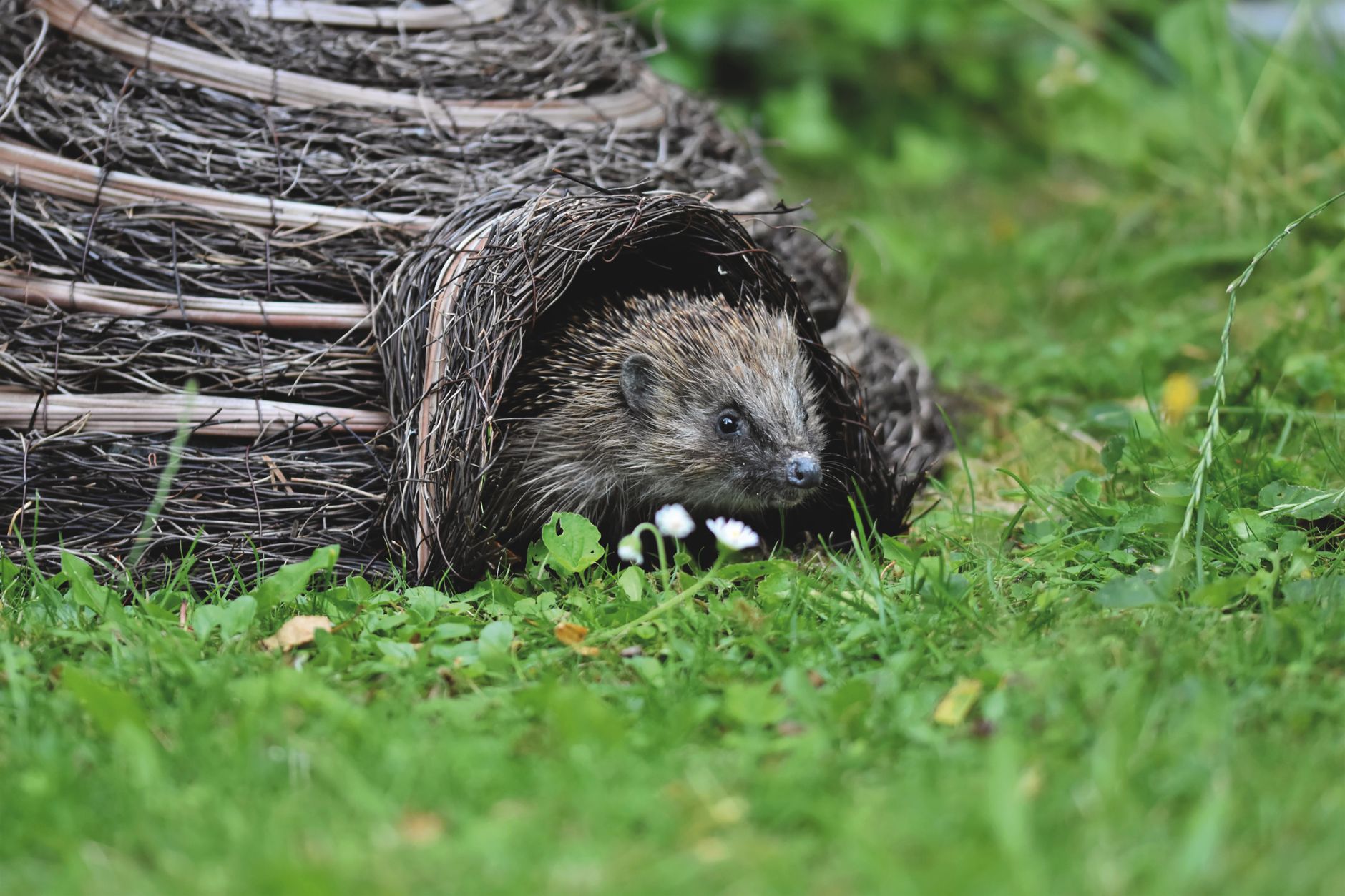
Hedgehogs have unique skin, unlike that of rodents or birds. It’s generally drier and more prone to irritation. The quills, while offering protection, also trap dust and debris close to the skin, making it difficult for them to naturally clean themselves.
- Hedgehog skin is prone to dryness.
- Quills trap dust and debris.
- Hedgehogs do not have the same preening behaviors as birds.
Why Dust Baths are Harmful
Introducing dust, even seemingly “safe” materials like chinchilla dust or baby powder, can exacerbate skin problems and create new health hazards.
- Irritation: Dust particles can irritate the hedgehog’s skin, leading to itching and inflammation.
- Respiratory Issues: Inhaling dust can cause respiratory problems, especially in hedgehogs with pre-existing conditions. The fine particles can easily irritate the delicate lining of their lungs.
- Eye Problems: Dust can also irritate their eyes.
- Drying of the skin: Dust can absorb the natural oils on their skin, leading to excessively dry skin.
Safe Alternatives to Dust Baths
So, if can hedgehogs have dust baths, and the answer is a definitive no, what are the safe and effective alternatives for maintaining their hygiene?
- Foot Baths: These are shallow baths specifically for cleaning their feet, which often get dirty in their enclosures.
- Spot Cleaning: Using a damp, soft cloth to gently wipe down any soiled areas.
- Regular Bathing: Regular, but infrequent, baths with a mild, un-scented shampoo specifically designed for small animals. Always ensure the hedgehog is thoroughly dried afterwards to prevent chills.
Bathing Your Hedgehog: A Step-by-Step Guide
If spot cleaning isn’t enough, a full bath might be necessary. Here’s a step-by-step guide:
- Prepare the Bath: Fill a shallow basin with lukewarm water.
- Introduce Your Hedgehog: Gently lower your hedgehog into the water.
- Apply Shampoo: Use a small amount of mild, un-scented shampoo specifically designed for small animals.
- Clean the Quills: Gently scrub the quills with a soft toothbrush.
- Rinse Thoroughly: Rinse the hedgehog thoroughly with clean, lukewarm water.
- Dry Completely: Wrap the hedgehog in a soft towel and gently pat it dry. You can also use a hairdryer on a low, cool setting, being very careful not to burn the hedgehog.
- Return to Cage: Ensure the hedgehog is completely dry before returning it to its enclosure.
Common Mistakes to Avoid
- Using Human Shampoo: Human shampoos are often too harsh for hedgehog skin.
- Over-Bathing: Bathing too frequently can strip the hedgehog’s skin of its natural oils.
- Using Hot Water: Hot water can burn the hedgehog’s skin.
- Not Drying Thoroughly: Not drying the hedgehog thoroughly can lead to chills and respiratory infections.
- Ignoring Signs of Distress: If your hedgehog shows signs of distress during the bath, stop immediately.
The Verdict: Dust Baths are a Definite No-No
Hopefully, this article has effectively answered the question: “Can hedgehogs have dust baths?” By understanding the unique characteristics of hedgehog skin and the potential dangers of dust baths, owners can make informed decisions to ensure the health and well-being of their prickly companions. The simple answer is a resounding no. Focus on safe and effective alternatives like foot baths and spot cleaning to keep your hedgehog happy and healthy.
Frequently Asked Questions (FAQs)
Why do people think hedgehogs can have dust baths?
The misconception likely stems from the fact that other small animals, like chinchillas, benefit from dust baths. However, hedgehogs have different skin and respiratory systems, making them unsuitable for this type of cleaning. The apparent similarity can be misleading.
What kind of shampoo is safe for hedgehogs?
Look for a mild, un-scented shampoo specifically formulated for small animals, such as kittens or ferrets. Avoid shampoos containing tea tree oil or other potentially irritating ingredients. Always check the ingredient list carefully.
How often should I bathe my hedgehog?
Hedgehogs generally only need bathing every few months, or when they are visibly dirty. Over-bathing can strip their skin of its natural oils, leading to dryness and irritation. Focus on spot cleaning between baths.
My hedgehog seems itchy. What should I do?
Itchiness can be a sign of mites, dry skin, or an allergic reaction. Consult with a veterinarian experienced with hedgehogs for a proper diagnosis and treatment plan. Do not attempt to self-treat with dust baths.
Can I use baby powder as a substitute for dust?
No, baby powder is not a safe alternative. It can be irritating to the hedgehog’s skin and respiratory system, just like other dusts. It also clumps when wet, creating further problems.
What are the signs of a respiratory infection in a hedgehog?
Signs of a respiratory infection include wheezing, sneezing, difficulty breathing, nasal discharge, and lethargy. If you notice any of these signs, seek veterinary care immediately.
What should I do if my hedgehog gets dust on its quills?
Gently wipe the quills with a damp cloth to remove the dust. You may need to use a soft toothbrush to get into hard-to-reach areas. Avoid getting water in their eyes or ears.
Are there any specific types of dust to absolutely avoid?
All types of dust should be avoided, including chinchilla dust, baby powder, and any other fine particulate matter. These can all cause irritation and respiratory problems.
What is a foot bath, and how do I give one to my hedgehog?
A foot bath is a shallow bath designed to clean the hedgehog’s feet. Fill a shallow dish with lukewarm water and let the hedgehog stand in it for a few minutes. You can gently scrub their feet with a soft toothbrush if needed.
How can I prevent my hedgehog from getting dirty in the first place?
- Provide a clean and sanitary enclosure.
- Regularly change the bedding.
- Spot clean any soiled areas.
- Offer a separate litter box for urination and defecation.
Is oatmeal bath safe for hedgehogs
Colloidal oatmeal, in a very diluted and controlled setting, may offer relief for irritated skin under the DIRECT supervision of a veterinarian. However, it’s crucial to confirm suitability with a hedgehog expert due to the potential for allergic reaction or other sensitivities. Do not introduce it without explicit veterinary guidance.
How to dry my hedgehog after a bath if it is scared of a blow dryer?
The most important thing is to make sure that your hedgehog gets thoroughly dried off and does not get a chill. Wrap them in a soft, warm towel and allow them to dry. After that, use a second warm towel to dry them. Keep them wrapped and hold them close to your body so they are warm and comforted. This process can take some time to ensure the quills and skin get dry.