

What Kind of Dewormer Does the Vet Use?
Veterinarians use a range of specific dewormers depending on the animal, the type of parasite, and other health factors; the most effective choice often involves strategic selection. They tailor their approach, so there isn’t just one answer to what kind of dewormer does the vet use.

Understanding Deworming and Its Importance
Deworming, also known as anthelmintic treatment, is crucial for maintaining the health and well-being of animals. Internal parasites, such as roundworms, hookworms, whipworms, and tapeworms, can cause a variety of health problems, including:
- Weight loss
- Poor coat condition
- Diarrhea and vomiting
- Anemia
- In severe cases, even death
Regular deworming helps to eliminate these parasites, preventing them from causing significant harm. Furthermore, it reduces the risk of transmitting parasites to other animals and, in some cases, to humans. This is especially important for pets that interact with children or other vulnerable individuals.
Is distilled water good for goldfish?
What colours are fish most attracted to?
Can you put your finger in a trout's mouth?
Is methylene blue anti bacterial?
The Veterinary Arsenal: A Range of Deworming Medications
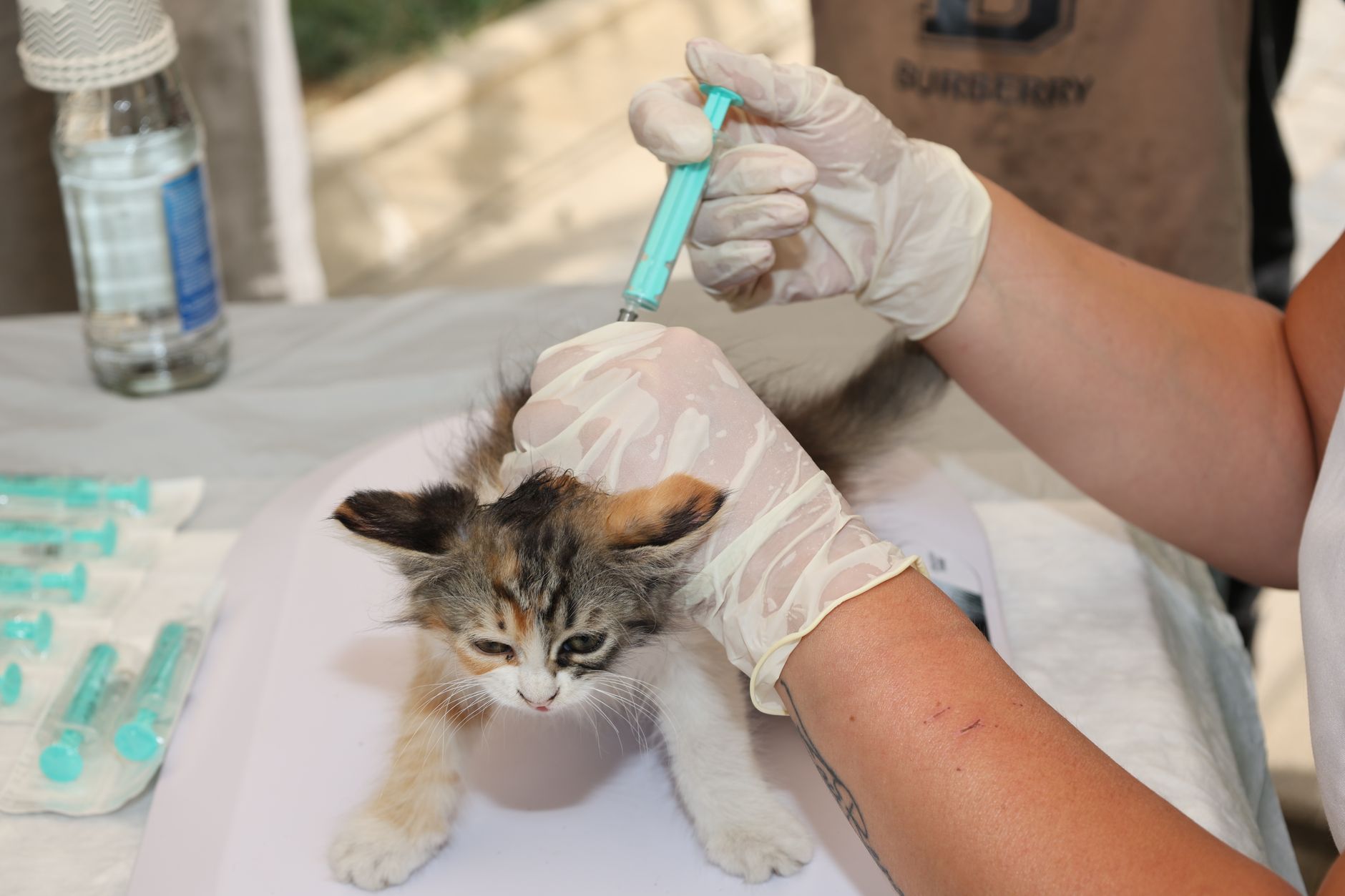
Veterinarians have access to a wide variety of deworming medications, each designed to target specific types of parasites. What kind of dewormer does the vet use? depends entirely on several key factors. Common classes of dewormers include:
- Benzimidazoles: (e.g., fenbendazole, albendazole) Effective against a broad spectrum of worms, including roundworms, hookworms, whipworms, and some tapeworms.
- Tetrahydropyrimidines: (e.g., pyrantel pamoate) Primarily used to treat roundworms and hookworms.
- Macrocyclic Lactones: (e.g., ivermectin, selamectin, milbemycin oxime) Effective against a wide range of parasites, including heartworms, roundworms, hookworms, ear mites, and some external parasites. Some medications are specially formulated for a specific parasite like heartworm prevention.
- Praziquantel/Epsiprantel: Highly effective against tapeworms.
The choice of dewormer is based on:
- Species of Animal: Different animals are susceptible to different parasites, and some dewormers are not safe for certain species.
- Type of Parasite: Some dewormers are more effective against certain parasites than others. Fecal exams, where a stool sample is examined microscopically, help identify specific parasite eggs.
- Age and Health Condition: Young or debilitated animals may require different dewormers or dosages.
- Lifestyle: Outdoor pets are generally at a higher risk of exposure.
Formulations and Administration
Dewormers come in various forms, including:
- Oral medications: Tablets, liquids, and pastes are common and easy to administer.
- Topical medications: Applied to the skin, often used for heartworm prevention and treatment of some intestinal parasites.
- Injectable medications: Administered by a veterinarian, ensuring accurate dosage and absorption.
The route of administration and the specific formulation are chosen based on the animal’s species, size, temperament, and the specific dewormer being used. Veterinarians will provide detailed instructions on how to administer the medication properly.
The Importance of Veterinary Diagnosis
What kind of dewormer does the vet use? is best answered after a proper diagnosis. While over-the-counter dewormers are available, it’s crucial to consult with a veterinarian before administering any medication. They can perform a fecal examination to identify the specific type of parasite present and recommend the most appropriate and effective dewormer. This targeted approach helps prevent unnecessary exposure to medications and reduces the risk of parasite resistance.
Potential Risks and Side Effects
Like all medications, dewormers can have potential side effects, although they are generally mild and temporary. Common side effects include:
- Vomiting
- Diarrhea
- Loss of appetite
In rare cases, more serious side effects can occur, particularly in animals that are heavily infested with parasites or have underlying health conditions. It’s essential to monitor your animal closely after administering a dewormer and contact your veterinarian if you notice any concerning signs.
Prevention is Key: A Proactive Approach
While deworming is essential, preventing parasite infections in the first place is even better. This can be achieved through:
- Regular fecal examinations: These tests help detect parasite infections early, allowing for prompt treatment.
- Proper hygiene: Cleaning up animal waste regularly helps prevent the spread of parasites.
- Preventative medications: Some medications, like heartworm preventatives, also protect against certain intestinal parasites.
- Avoidance of contaminated areas: Try to keep your pet away from areas where other animals have defecated.
Addressing the Overuse of Dewormers and Resistance
Overuse of dewormers can lead to parasite resistance, making it more difficult to treat infections in the future. To prevent this, it’s essential to:
- Use dewormers only when necessary, based on the results of fecal examinations.
- Follow your veterinarian’s instructions carefully regarding dosage and frequency.
- Consider using a targeted deworming protocol, which involves treating only animals that are infected with parasites.
- Avoid using the same dewormer repeatedly.
By using dewormers responsibly and implementing preventative measures, we can help ensure that these medications remain effective for years to come. Understanding what kind of dewormer does the vet use in the context of parasite resistance is key.
Frequently Asked Questions
What are the most common types of intestinal parasites in pets?
The most common intestinal parasites in dogs and cats include roundworms, hookworms, whipworms, and tapeworms. These parasites can cause a variety of health problems, and regular deworming is essential to prevent and treat infections.
How often should I deworm my pet?
The frequency of deworming depends on your pet’s lifestyle, age, and risk of exposure to parasites. Puppies and kittens typically require more frequent deworming than adult animals. Your veterinarian can recommend a deworming schedule that is appropriate for your pet.
Can humans get worms from pets?
Yes, some intestinal parasites, such as roundworms and hookworms, can be transmitted from pets to humans. This is particularly common in children who may not practice good hygiene. Regular deworming of pets and proper hygiene practices can help prevent human infections.
Are there any natural dewormers that are effective?
While some natural remedies, such as diatomaceous earth, are sometimes promoted as dewormers, their effectiveness is not well-established. It’s best to consult with your veterinarian about safe and effective deworming options.
What are the signs that my pet has worms?
Common signs of intestinal parasites in pets include vomiting, diarrhea, weight loss, poor coat condition, and visible worms in the stool. However, some animals may not show any signs of infection.
How is a fecal examination performed?
A fecal examination involves collecting a stool sample from your pet and sending it to a veterinary laboratory. The sample is then examined microscopically to look for parasite eggs.
Are heartworm preventatives also effective against intestinal parasites?
Some heartworm preventatives, such as those containing milbemycin oxime, also protect against certain intestinal parasites, such as roundworms, hookworms, and whipworms.
Can I buy dewormers over the counter?
Yes, some dewormers are available over the counter. However, it’s always best to consult with your veterinarian before administering any medication.
What should I do if I miss a dose of dewormer?
If you miss a dose of dewormer, administer it as soon as you remember. However, if it’s almost time for the next dose, skip the missed dose and continue with the regular schedule. Do not double the dose to catch up. Contact your veterinarian for guidance.
How long does it take for a dewormer to work?
Most dewormers work quickly, typically within 24 to 48 hours. However, it may take several days for your pet to show signs of improvement.
What happens if I give my pet too much dewormer?
Overdosing on dewormers can cause toxicity and lead to serious health problems. If you suspect that you have given your pet too much dewormer, contact your veterinarian immediately.
Is it safe to deworm a pregnant or lactating animal?
Some dewormers are safe to use in pregnant or lactating animals, while others are not. Consult with your veterinarian before administering any dewormer to a pregnant or lactating animal. What kind of dewormer does the vet use? in these cases is extremely important to the health of the mother and her offspring.