

What Class Does the Starfish Belong To?
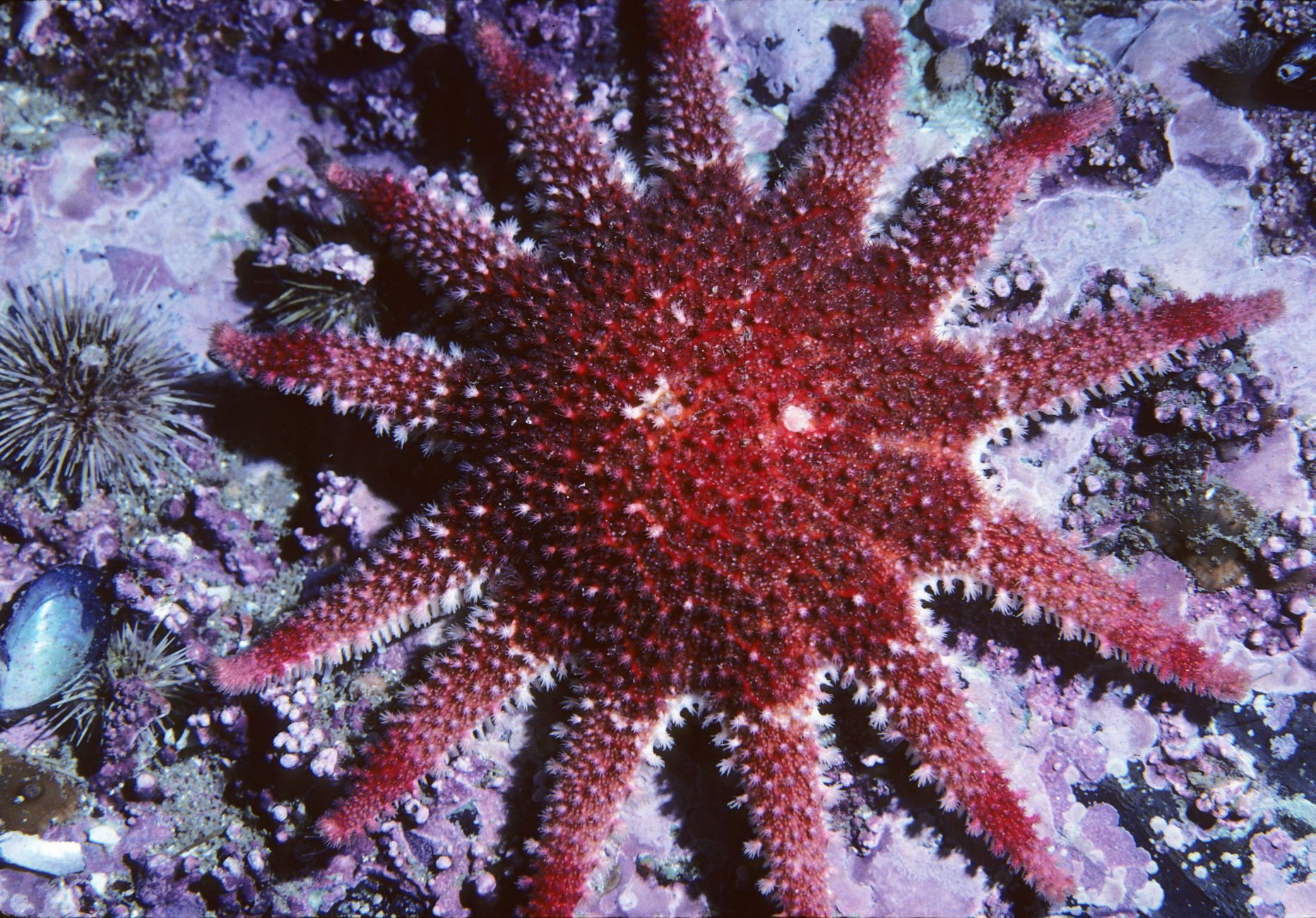
Starfish, also known as sea stars, belong to the class Asteroidea within the phylum Echinodermata; this fascinating group includes creatures that display radial symmetry and possess unique water vascular systems. Therefore, the answer to What class does the starfish belong to? is definitively Asteroidea.

Introduction to Asteroidea
Starfish, or more accurately sea stars, are captivating marine invertebrates found in oceans worldwide. Understanding their classification provides valuable insights into their evolutionary history, anatomy, and ecological roles. The question of What class does the starfish belong to? guides us into the depths of invertebrate zoology, revealing the intricacies of the animal kingdom.
What colours are fish most attracted to?
Can you put your finger in a trout's mouth?
Is methylene blue anti bacterial?
Does aquarium salt raise pH in aquarium?
The Phylum Echinodermata

Before delving into the class Asteroidea, it’s crucial to understand its placement within the larger phylum Echinodermata. Echinoderms are characterized by:
- Radial symmetry: Typically five-rayed (pentaradial) symmetry in adults, although larval stages exhibit bilateral symmetry.
- Water vascular system: A unique hydraulic system used for locomotion, food and waste transportation, and respiration.
- Endoskeleton: A calcareous endoskeleton made up of ossicles.
- Tube feet: Small, tube-like projections used for movement and feeding.
Other well-known echinoderms include sea urchins, sea cucumbers, brittle stars, and crinoids. All these animals share the characteristics listed above, though expresssed in diverse forms.
Characteristics of Class Asteroidea
The class Asteroidea, encompassing all starfish species, presents several defining features:
- Star-shaped body: Typically with five arms radiating from a central disc, although some species can have more.
- Ambulacral grooves: Grooves located on the oral surface (underside) of each arm, housing the tube feet.
- Madreporite: A sieve-like plate on the aboral surface (topside) used for water intake into the water vascular system.
- Ability to regenerate: Starfish possess remarkable regenerative capabilities, capable of regrowing lost arms and, in some cases, even regenerating an entire individual from a single arm (if a portion of the central disc is present).
Ecological Importance of Starfish
Starfish play crucial roles in marine ecosystems. Many are predators, helping to regulate populations of other invertebrates such as mussels, clams, and snails. The keystone predator concept is well exemplified by the ochre sea star (Pisaster ochraceus) in the intertidal zones of the Pacific Northwest. Removing this sea star from the ecosystem leads to a dramatic shift in species composition, with mussels dominating and reducing overall biodiversity. Other starfish are scavengers, contributing to nutrient cycling.
Taxonomy of Starfish: Delving Deeper
The Class Asteroidea is further divided into orders, reflecting the diversity within the group. Examples of orders include:
- Forcipulatida: Characterized by pedicellariae (small pincer-like structures) with stalks.
- Spinulosida: Possessing spines and lacking pedicellariae.
- Valvatida: With marginal plates forming a distinct border around the body.
These orders are further divided into families, genera, and species, allowing for precise classification of individual starfish. Understanding the taxonomic hierarchy helps in studying the evolutionary relationships between different starfish species.
Table of Starfish Classification
| Category | Description |
|---|---|
| Kingdom | Animalia |
| Phylum | Echinodermata |
| Class | Asteroidea (Starfish) |
| Orders | Examples include Forcipulatida, Spinulosida, Valvatida |
| Families | Varies depending on the order |
| Genera | Numerous genera exist within each family |
| Species | Over 1,900 known species |
Common Misconceptions About Starfish
A common misconception is that all starfish have five arms. While this is the most common number, some species can have significantly more, such as the sunflower star (Pycnopodia helianthoides), which can possess up to 40 arms. Another misconception is that starfish are fish. They are invertebrates, belonging to a completely different branch of the animal kingdom. Understanding these distinctions clears up any misconceptions about these interesting creatures.
Starfish Conservation
Starfish populations face various threats, including habitat destruction, pollution, and disease. The sea star wasting syndrome has caused significant mortality in many starfish populations along the Pacific coast of North America. Conservation efforts are crucial to protect these important marine animals and their ecosystems. Understanding What class does the starfish belong to? is the first step to appreciating their importance in nature and the conservation needs.
Frequently Asked Questions (FAQs)
What are the main characteristics of the class Asteroidea?
The main characteristics of Asteroidea include their star-shaped body, typically with five arms, their water vascular system used for locomotion, their ability to regenerate, and their possession of tube feet on the underside of each arm.
How do starfish move?
Starfish move using their tube feet, which are small, fluid-filled appendages located on the underside of each arm. The water vascular system controls the movement of the tube feet, allowing the starfish to grip surfaces and move slowly.
What do starfish eat?
Starfish are primarily carnivorous predators. Their diet consists of a wide range of invertebrates, including mussels, clams, snails, and even other starfish. Some species also consume small fish or organic matter.
How do starfish reproduce?
Starfish reproduce both sexually and asexually. Sexual reproduction involves the release of eggs and sperm into the water, where fertilization occurs. Asexual reproduction occurs through fragmentation, where a detached arm can regenerate into a new individual, provided it contains a portion of the central disc.
Where are starfish found?
Starfish are found in marine environments worldwide, from shallow intertidal zones to deep-sea habitats. They inhabit a wide range of substrates, including rocky shores, sandy seabeds, and coral reefs.
Are starfish fish?
No, starfish are not fish. They are invertebrates belonging to the phylum Echinodermata, while fish are vertebrates belonging to the phylum Chordata.
What is the water vascular system?
The water vascular system is a unique hydraulic system found in echinoderms, including starfish. It consists of a network of canals and reservoirs filled with fluid, which is used for locomotion, food and waste transportation, and respiration.
What is sea star wasting syndrome?
Sea star wasting syndrome is a disease that causes starfish to develop lesions, lose arms, and eventually disintegrate. It has caused significant mortality in many starfish populations worldwide, particularly along the Pacific coast of North America.
What is the madreporite?
The madreporite is a sieve-like plate located on the aboral surface (topside) of starfish. It serves as an entrance point for water into the water vascular system.
How many arms do starfish have?
Most starfish species have five arms, but some can have significantly more. For example, the sunflower star (Pycnopodia helianthoides) can have up to 40 arms.
Can starfish regenerate lost limbs?
Yes, starfish have remarkable regenerative capabilities. They can regrow lost arms, and in some cases, even regenerate an entire individual from a single arm (if a portion of the central disc is present).
Why is it important to know What class does the starfish belong to?
Understanding What class does the starfish belong to? is crucial for several reasons. It allows scientists to accurately classify and study these animals, understand their evolutionary relationships, and assess their ecological roles in marine ecosystems. This information is essential for developing effective conservation strategies to protect starfish populations.