
What is the Wind Speed of Hurricane Katrina?
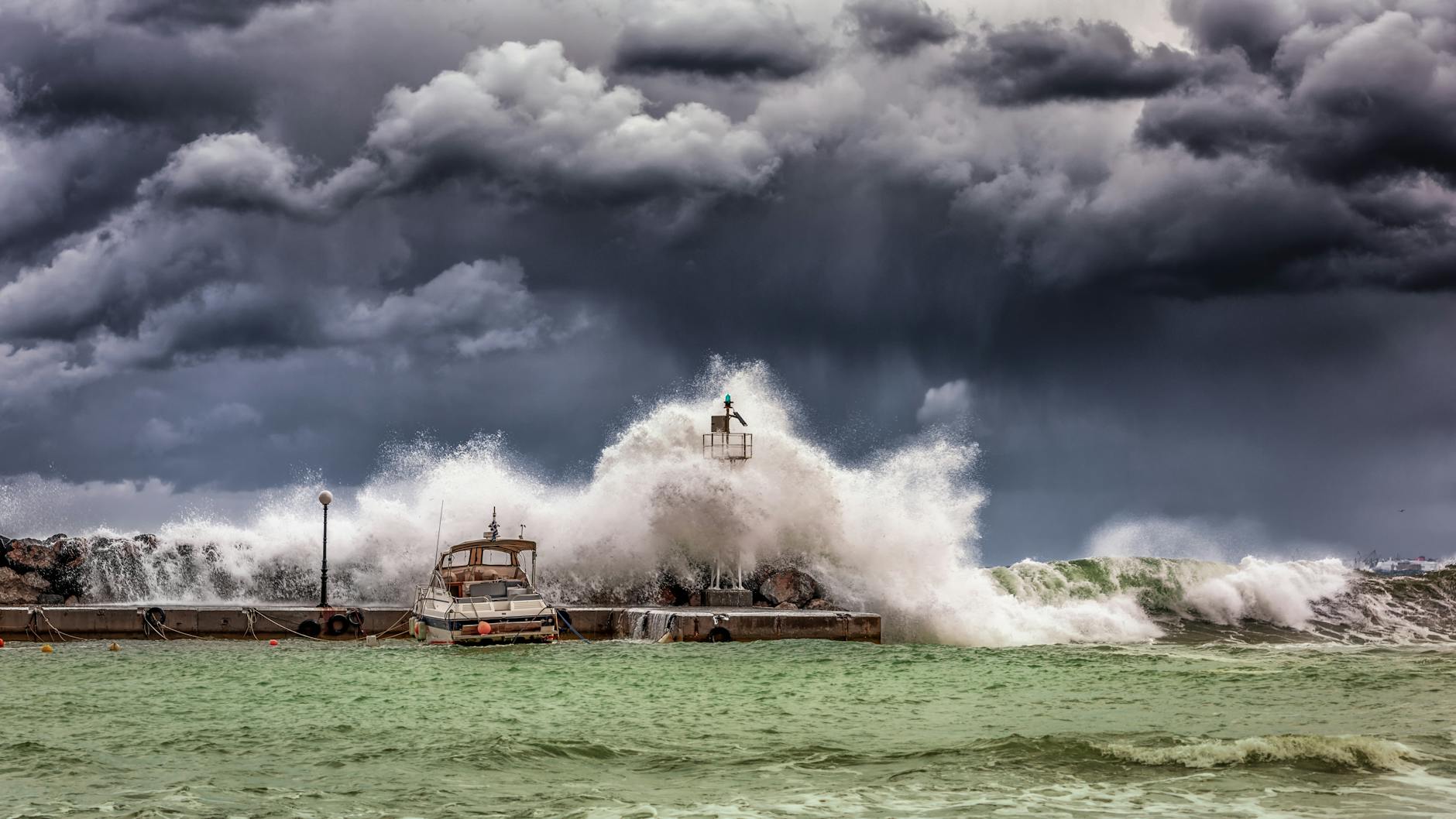
The sustained wind speed of Hurricane Katrina at its peak intensity over the Gulf of Mexico reached an estimated 175 miles per hour (280 kilometers per hour), making it a Category 5 hurricane. Upon making landfall on the Louisiana and Mississippi coasts, Katrina weakened, but still maintained destructive winds.

Katrina: A Force of Nature Revisited
Hurricane Katrina remains one of the most devastating natural disasters in United States history. Its sheer size and power, coupled with vulnerabilities in infrastructure and emergency preparedness, led to catastrophic consequences. While the storm surge often receives primary focus, the extreme wind speeds were a critical contributing factor to the widespread destruction. Understanding the wind speeds associated with Katrina is crucial for comprehending its impact and informing future disaster mitigation efforts.
Understanding Wind Speed Measurements
Before delving deeper into Katrina’s wind speeds, it’s essential to understand how these measurements are taken. Sustained wind speed refers to the average wind speed over a specified period, typically one minute. Wind gusts, on the other hand, represent short-duration peaks in wind speed. Both are important indicators of a hurricane’s destructive potential. These measurements are primarily gathered by:
- Buoys: Anchored in the ocean, providing continuous data.
- Aircraft: Specially equipped planes flown through the eye of the storm.
- Land-based weather stations: Located along coastlines.
- Doppler radar: Providing real-time wind speed estimates.
These data sources are then analyzed by meteorologists at institutions like the National Hurricane Center (NHC) to determine the overall intensity and track of the hurricane.
Frequently Asked Questions (FAQs) about Hurricane Katrina’s Wind Speed
What colours are fish most attracted to?
Can you put your finger in a trout's mouth?
Is methylene blue anti bacterial?
Does aquarium salt raise pH in aquarium?
FAQ 1: What Category Hurricane Was Katrina at Landfall?
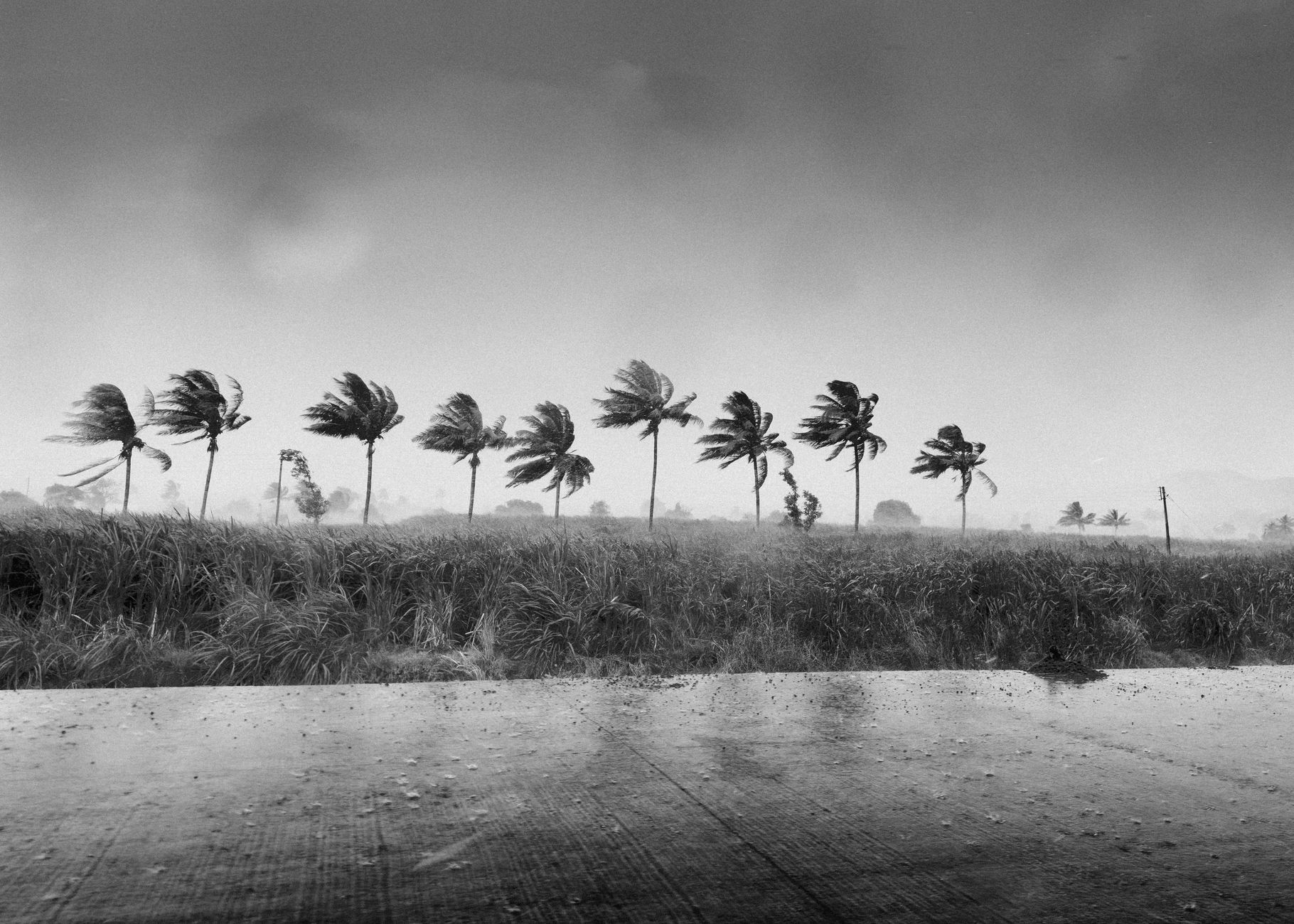
Katrina made landfall in Louisiana as a Category 3 hurricane, with sustained winds estimated at approximately 125 miles per hour (201 kilometers per hour). Although it had weakened from its Category 5 status, these winds were still capable of causing widespread destruction. It made a second landfall near the Louisiana/Mississippi border, also as a Category 3 hurricane.
FAQ 2: How Did Katrina’s Wind Speed Compare to Other Major Hurricanes?
Katrina’s sustained winds, both at peak intensity and landfall, were exceptionally high. While not the absolute highest on record, they placed Katrina among the strongest hurricanes to ever impact the U.S. Hurricanes like Camille (1969) and the Labor Day Hurricane of 1935 had even higher sustained winds, estimated at around 190 mph and 185 mph respectively at peak intensity.
FAQ 3: What Kind of Damage Did the High Wind Speeds Cause?
The high winds associated with Katrina caused significant damage, including:
- Widespread tree and power line damage: Leaving millions without power.
- Structural damage to buildings: Ranging from roof damage to complete collapse.
- Flying debris: Turning everyday objects into dangerous projectiles.
- Damage to vehicles: Contributing to transportation chaos.
The combined effect of wind and storm surge amplified the overall devastation.
FAQ 4: Did Wind Gusts Exceed Sustained Wind Speeds?
Yes, wind gusts significantly exceeded sustained wind speeds. While the sustained wind speed at landfall was around 125 mph, gusts likely reached 150 mph or higher in some areas. These gusts were particularly dangerous and contributed to the sudden and unpredictable nature of the damage.
FAQ 5: How Accurate Were the Wind Speed Measurements During Katrina?
Obtaining precise wind speed measurements during a hurricane is challenging. Instrumentation can be damaged or destroyed by the storm itself. Moreover, the extreme conditions can limit the deployment of aircraft reconnaissance. However, meteorologists use a combination of data sources and modeling techniques to estimate wind speeds as accurately as possible. It’s important to note that these are often estimates based on available data and post-storm analysis.
FAQ 6: How Did the Wind Speed Contribute to the Storm Surge?
While storm surge is primarily driven by the low atmospheric pressure of the hurricane, the strong winds play a crucial role in pushing water towards the shore. The stronger the winds, the greater the force pushing the water, resulting in a higher and more devastating storm surge. Katrina’s powerful winds exacerbated the impact of its already significant storm surge.
FAQ 7: Were There Variations in Wind Speed Across Different Areas Affected by Katrina?
Yes, wind speeds varied significantly across different geographical areas. The highest wind speeds were generally concentrated near the eye of the hurricane. As the storm moved inland, wind speeds gradually decreased. Additionally, local terrain features and building structures could influence wind patterns, leading to localized areas of higher or lower wind speeds.
FAQ 8: What Building Codes Were in Place to Protect Against High Winds?
Building codes in the affected areas varied significantly. Some areas had implemented stricter codes designed to withstand hurricane-force winds, while others had weaker or outdated codes. The varying levels of enforcement and compliance also played a role in the extent of structural damage. Post-Katrina, many regions strengthened their building codes to better protect against future hurricanes.
FAQ 9: How Has Hurricane Forecasting Improved Since Katrina?
Significant advancements have been made in hurricane forecasting since Katrina. These include:
- Improved weather models: Providing more accurate predictions of storm track and intensity.
- Enhanced satellite technology: Offering better real-time monitoring of storm development.
- Increased data collection: Utilizing more buoys, aircraft, and radar systems.
- Better communication strategies: Enhancing public awareness and preparedness.
While forecasting is not perfect, these improvements have significantly increased the lead time for warnings and allowed for better evacuation planning.
FAQ 10: What Can Individuals Do to Prepare for High Winds from Hurricanes?
Individuals can take several steps to prepare for high winds from hurricanes:
- Secure loose objects: Bring in outdoor furniture, decorations, and other items that could become projectiles.
- Reinforce windows and doors: Use plywood or storm shutters to protect windows, and ensure doors are properly secured.
- Trim trees and shrubs: Remove dead or weak branches that could fall during the storm.
- Develop an evacuation plan: Know your evacuation route and have a designated meeting place for your family.
- Stay informed: Monitor weather forecasts and heed warnings from local authorities.
- Have a disaster preparedness kit: Stock up on essential supplies, such as food, water, medication, and a first-aid kit.
FAQ 11: How Does Climate Change Affect Hurricane Wind Speeds?
The relationship between climate change and hurricane wind speeds is an area of ongoing research. While the number of hurricanes may not necessarily increase, there is evidence suggesting that climate change may lead to more intense hurricanes, with potentially higher wind speeds and greater rainfall. Warmer ocean temperatures provide more energy for hurricanes to develop, and rising sea levels increase the risk of storm surge.
FAQ 12: Are There Efforts to Control or Reduce Hurricane Wind Speeds?
Currently, there are no proven methods to significantly control or reduce hurricane wind speeds. Geoengineering proposals, such as cloud seeding, have been suggested, but their effectiveness and potential environmental impacts remain highly uncertain. The primary focus remains on improving forecasting, strengthening infrastructure, and enhancing emergency preparedness to mitigate the impacts of these powerful storms. The best defense remains robust building codes, early warning systems, and effective evacuation strategies.