
What is the Strongest Natural Antibiotic for BV?
While no single natural remedy can definitively replace conventional antibiotics for severe bacterial vaginosis (BV), boric acid is often considered the strongest natural antibiotic option for treating and preventing recurring BV infections due to its potent antifungal and mild antibacterial properties.

Understanding Bacterial Vaginosis (BV)
Bacterial vaginosis is a common vaginal infection caused by an imbalance of bacteria in the vagina. Typically, Lactobacillus bacteria are dominant, maintaining a healthy acidic environment. When other bacteria, such as Gardnerella vaginalis, overgrow, they disrupt this balance, leading to BV. Symptoms often include:
- An unusual vaginal discharge (often thin, gray, or white)
- A strong, fishy odor
- Itching or irritation
- Burning during urination
It’s important to consult a healthcare professional for a proper diagnosis, as BV can sometimes be mistaken for other infections, like yeast infections. Untreated BV can increase the risk of sexually transmitted infections (STIs) and complications during pregnancy.

What colours are fish most attracted to?
Can you put your finger in a trout's mouth?
Is methylene blue anti bacterial?
Does aquarium salt raise pH in aquarium?
Why Consider Natural Antibiotics?

While prescription antibiotics like metronidazole and clindamycin are effective for treating BV, they can have side effects such as nausea, diarrhea, and yeast infections. They also don’t always prevent recurrence. This is where natural antibiotics can play a supporting role. Natural options may offer a gentler approach for managing BV, especially for women who experience recurring infections or prefer to explore alternative treatments under medical guidance. However, it is crucial to understand that natural remedies may not be as potent as prescription antibiotics and might not be sufficient for all cases of BV.
The Role of Boric Acid in BV Treatment
Boric acid is a naturally occurring compound with antiseptic, antifungal, and antiviral properties. It works by restoring the normal vaginal pH, inhibiting the growth of harmful bacteria and fungi. It is often used as a vaginal suppository to treat BV and recurrent yeast infections. Clinical studies have demonstrated its effectiveness, particularly for BV caused by Gardnerella vaginalis.
How to Use Boric Acid Vaginal Suppositories
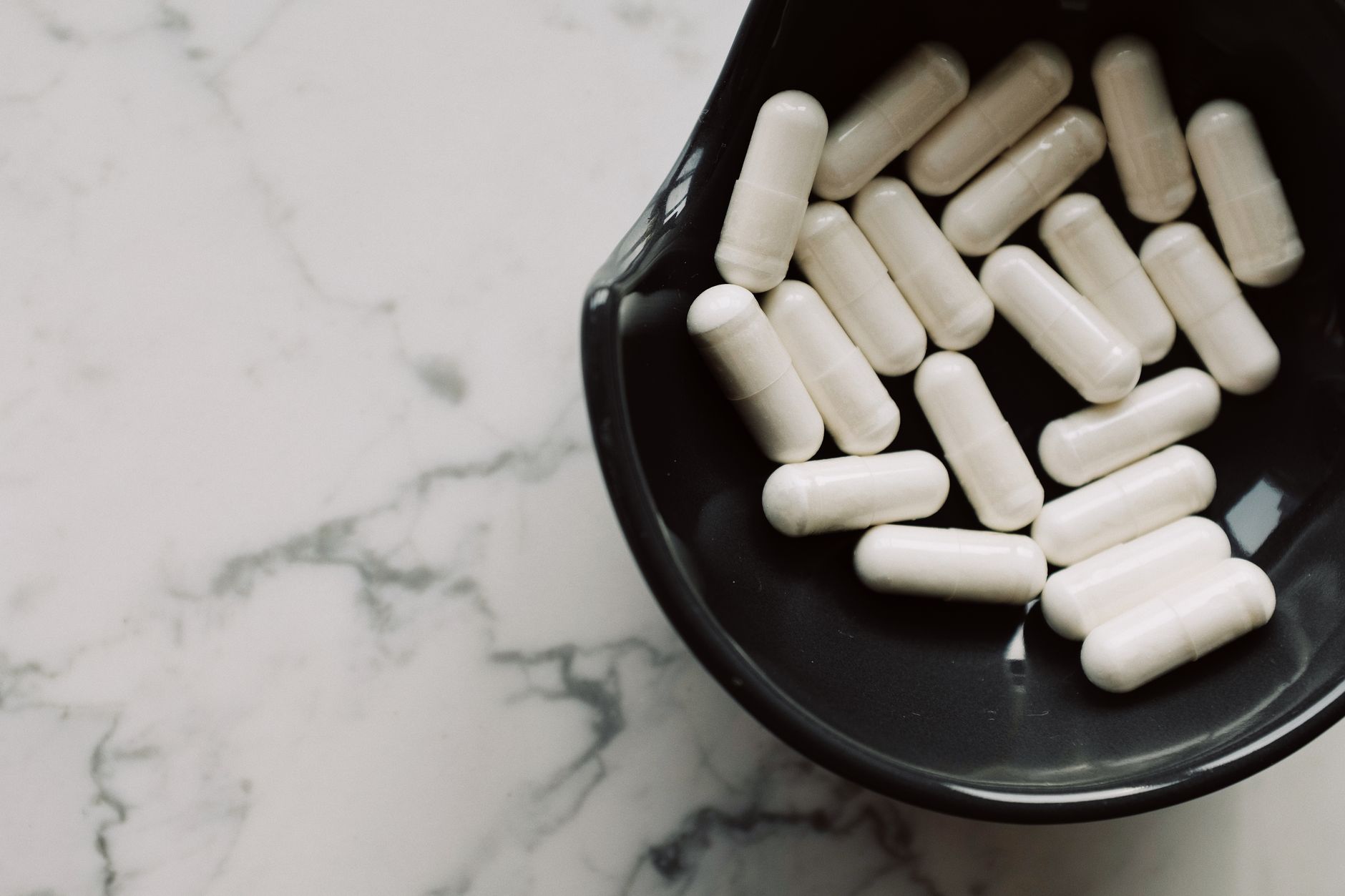
Boric acid is available in suppository form, usually containing 600mg of boric acid powder encased in a gelatin capsule. Here’s how to use it:
- Consult with your doctor: Always discuss the use of boric acid with your doctor before starting treatment, especially if you are pregnant or breastfeeding.
- Insert one suppository vaginally: Use a clean applicator or your finger to insert one suppository into the vagina at bedtime.
- Use consistently for 7-14 days: The typical treatment course is 7-14 days.
- Avoid sexual intercourse during treatment: This allows the boric acid to work effectively.
- Wash your hands thoroughly: Before and after insertion.
Benefits of Using Boric Acid
- Effective against BV: Studies show it can effectively treat BV and reduce recurrent infections.
- Antifungal properties: Helps prevent or treat yeast infections that can occur after antibiotic use.
- Restores vaginal pH: Maintains a healthy vaginal environment.
- Relatively inexpensive: Compared to prescription medications.
Precautions and Potential Side Effects
- Not for oral consumption: Boric acid is toxic if ingested.
- Not for use during pregnancy: It can be harmful to the fetus.
- Possible vaginal irritation: Some women may experience mild burning or irritation.
- Interactions with other medications: Consult your doctor to ensure there are no interactions.
Other Natural Options and Supportive Therapies
While boric acid is a leading contender, other natural remedies are sometimes used alongside or to support its effects:
- Probiotics: Lactobacillus supplements (oral or vaginal) can help restore healthy vaginal flora.
- Tea Tree Oil: Diluted tea tree oil suppositories have antiseptic properties, but use with caution as they can cause irritation. Always perform a patch test first.
- Garlic: Some studies suggest that consuming garlic or using garlic suppositories might have antibacterial effects, but more research is needed.
- Yogurt: Plain, unsweetened yogurt with live cultures can be applied vaginally or consumed to introduce beneficial bacteria.
- Dietary changes: Reducing sugar intake and increasing intake of probiotic-rich foods can support vaginal health.
Comparing Natural Options
| Natural Remedy | Mechanism of Action | Benefits | Precautions |
|---|---|---|---|
| Boric Acid | Restores vaginal pH, antifungal, antibacterial | Effective against BV and yeast infections, prevents recurrence | Not for oral consumption, not for use during pregnancy, can cause irritation |
| Probiotics | Reintroduces beneficial Lactobacillus bacteria | Restores healthy vaginal flora, prevents recurrence | Generally safe, but some individuals may experience digestive upset |
| Tea Tree Oil | Antiseptic, antifungal | May help kill harmful bacteria and fungi | Can cause irritation, always dilute before use, perform a patch test |
| Garlic | Possible antibacterial effects | May help fight infection | Can cause burning or irritation when used topically, breath odor |
| Yogurt (with cultures) | Introduces beneficial Lactobacillus bacteria | May help restore vaginal balance | Ensure it’s plain and unsweetened to avoid feeding harmful bacteria |
When to Seek Professional Medical Advice
It is crucial to seek professional medical advice if:
- You suspect you have BV and haven’t been diagnosed.
- Your symptoms are severe or worsening.
- You are pregnant.
- You have tried natural remedies without improvement.
- You experience recurrent BV infections.
A healthcare provider can accurately diagnose BV and recommend the most appropriate treatment plan, which may include prescription antibiotics, natural remedies, or a combination of both. What is the strongest natural antibiotic for BV? It may not be enough in serious cases and needs to be supplemented with professional care.
Preventing Recurrent BV Infections
- Practice safe sex: Use condoms to reduce the risk of introducing new bacteria.
- Avoid douching: Douching disrupts the natural vaginal flora.
- Wipe front to back: After using the toilet to prevent bacteria from entering the vagina.
- Wear cotton underwear: Cotton allows the vagina to breathe.
- Avoid tight-fitting clothing: Tight clothing can trap moisture and create a breeding ground for bacteria.
- Consider probiotic supplements: Especially after antibiotic use.
- Discuss boric acid maintenance therapy: With your doctor for recurrent infections.
Conclusion
What is the strongest natural antibiotic for BV? Boric acid, used as a vaginal suppository, shows significant promise as a natural remedy for bacterial vaginosis and recurrent infections. However, it is essential to consult with a healthcare professional for proper diagnosis, treatment, and to determine if boric acid is the right option for you. While other natural options can support vaginal health, they should not replace conventional medical treatment without professional guidance. Remember that maintaining a healthy lifestyle and practicing good hygiene are key to preventing BV and supporting long-term vaginal health.
Frequently Asked Questions (FAQs)
Can I use boric acid if I am pregnant?
No, you should not use boric acid if you are pregnant. It can be harmful to the developing fetus. Consult your doctor for safe treatment options during pregnancy.
How long does it take for boric acid to work?
Most women experience symptom relief within a few days of starting boric acid suppositories. However, it is important to complete the full 7-14 day course of treatment as prescribed by your doctor to ensure the infection is eradicated.
Can boric acid cure BV completely?
While boric acid can effectively treat BV and reduce recurrent infections, it may not always cure it completely. Some women may require additional treatment, such as prescription antibiotics, particularly for severe cases of BV.
Are there any side effects of using boric acid?
Some women may experience mild vaginal irritation, burning, or watery discharge while using boric acid suppositories. If these side effects persist or worsen, consult your doctor. Serious side effects are rare.
Can I use boric acid and probiotics together?
Yes, using boric acid and probiotics together can be beneficial. Boric acid helps to eliminate harmful bacteria and fungi, while probiotics help to restore the healthy vaginal flora. Consult with your doctor for guidance on using both therapies.
Is boric acid safe for long-term use?
Long-term use of boric acid is generally not recommended without medical supervision. It can potentially disrupt the natural vaginal flora and lead to other complications. Discuss a maintenance plan with your doctor if you experience recurrent BV infections.
Where can I buy boric acid suppositories?
Boric acid suppositories are available over-the-counter at most pharmacies and online retailers. Ensure you purchase them from a reputable source to guarantee quality and purity.
Can my partner use boric acid to prevent BV transmission?
Boric acid is not intended for use by male partners. BV is not typically considered a sexually transmitted infection, but it is associated with sexual activity. Treating the female partner is the primary approach.
What should I do if I experience a yeast infection after using boric acid?
Although boric acid has antifungal properties, it is possible to develop a yeast infection after using it. If you experience symptoms such as itching, burning, and a thick, white discharge, consult your doctor for appropriate treatment, such as an antifungal cream.
Can I use tea tree oil and boric acid together?
While both tea tree oil and boric acid have antimicrobial properties, using them together is generally not recommended without medical supervision. Tea tree oil can be irritating to the vaginal tissues, and combining it with boric acid may increase the risk of irritation.
How can I tell if I have BV or a yeast infection?
BV and yeast infections have different symptoms. BV often presents with a thin, gray or white discharge and a fishy odor, while yeast infections typically cause itching, burning, and a thick, white, cottage cheese-like discharge. It’s crucial to see a doctor for an accurate diagnosis.
What are the long-term health risks of untreated BV?
Untreated BV can increase the risk of sexually transmitted infections (STIs) such as HIV, chlamydia, and gonorrhea. It can also lead to pelvic inflammatory disease (PID) and complications during pregnancy, such as preterm labor and low birth weight. It’s important to seek treatment promptly if you suspect you have BV.