
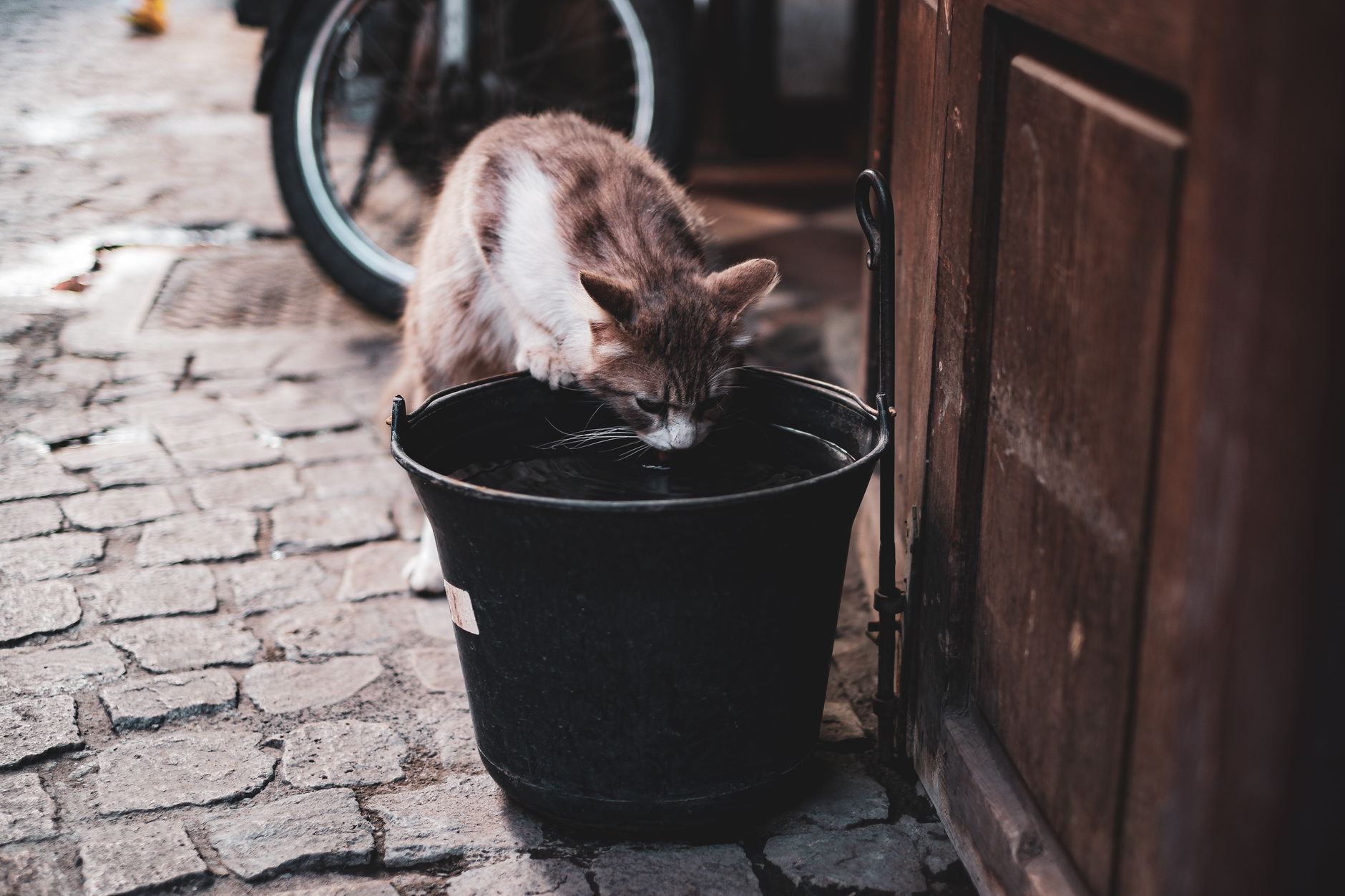
Is Bottled Water Better for Cats with Kidney Disease?
The question of whether bottled water is better for cats with kidney disease is complex, but generally, the answer is no; the focus should be on providing fresh, clean, and palatable water, regardless of its source, and managing mineral content based on veterinary advice.

The Importance of Hydration in Feline Kidney Disease
Chronic kidney disease (CKD) is a prevalent condition in older cats, affecting their ability to filter waste and regulate fluids. Adequate hydration is crucial for managing CKD because it helps flush out toxins, supports kidney function, and prevents dehydration, which can worsen the disease. Water, regardless of the source, is the lifeblood for these cats.
Can fish hear water?
How do I add oxygen to my goldfish water?
Do carbon filters remove water hardness?
What is the GREY African clawed frog?
Understanding the Mineral Content of Water

The primary concern regarding water for cats with kidney disease revolves around mineral content. Both tap and bottled water contain minerals such as calcium, magnesium, and sodium. Some believe that certain bottled waters, particularly those with low mineral content, may be gentler on compromised kidneys. However, the overall mineral balance and specific needs of each cat are critical considerations.
Comparing Tap and Bottled Water
-
Tap Water: Varies significantly depending on the location and treatment processes. It often contains fluoride and chlorine, which some owners are concerned about. Regular testing can help determine the mineral content and identify potential contaminants.
-
Bottled Water: Offers varying levels of purity and mineral content. Some bottled waters are highly purified (e.g., distilled), while others are simply filtered tap water. The mineral content must be carefully scrutinized because some bottled waters may have high mineral levels.
Here’s a table summarizing the typical differences:
| Feature | Tap Water | Bottled Water |
|---|---|---|
| Mineral Content | Varies by location; generally moderate | Varies widely; can be very low or very high |
| Contaminants | Potential for chlorine, fluoride, lead, etc. | Potential for leaching from plastic bottles (rare) |
| Cost | Lower | Higher |
| Environmental Impact | Lower, when using reusable containers | Higher due to plastic waste |
The Role of Veterinary Guidance
The most important factor is consulting with a veterinarian. They can assess the cat’s individual needs, review blood work results (including kidney values and electrolyte levels), and recommend the most suitable water source and dietary plan. They might recommend a specific bottled water with a known mineral profile or suggest strategies for improving the palatability of tap water. Remember, what’s best for one cat may not be best for another.
Improving Water Palatability for Cats with CKD
Even the “best” water source is useless if the cat doesn’t drink enough. Encouraging water consumption is a key component of managing CKD.
- Multiple Water Sources: Place bowls of water in various locations throughout the house.
- Different Bowl Types: Offer water in ceramic, stainless steel, and glass bowls to see which your cat prefers.
- Water Fountains: Many cats prefer the taste of running water.
- Adding Flavor: Ask your veterinarian about adding small amounts of low-sodium chicken or fish broth to the water.
- Wet Food: Increase the amount of wet food in the cat’s diet.
Common Mistakes to Avoid
- Assuming Bottled Water is Always Better: Not all bottled water is created equal. Always check the mineral content and consult with your veterinarian.
- Ignoring Tap Water Quality: Tap water can be a perfectly acceptable option if it’s properly tested and managed.
- Focusing Solely on Water Type: Adequate water intake is more critical than the specific water source.
- Neglecting Veterinary Guidance: Veterinarians are the best resource for determining the appropriate water and diet for cats with kidney disease.
Frequently Asked Questions
Is the mineral content of bottled water always listed on the label?
While most bottled water labels list mineral content, it isn’t always comprehensive. Look for detailed nutritional information, especially regarding sodium, calcium, magnesium, and phosphorus. If the information is lacking, contacting the manufacturer may be necessary. Veterinary input can assist in interpreting this information.
Does distilled water help cats with kidney disease?
Distilled water is very low in minerals, which might seem beneficial. However, completely demineralized water can cause electrolyte imbalances in the long term. Consult your veterinarian before giving your cat distilled water consistently.
What other liquids can I give my cat with kidney disease besides water?
Low-sodium chicken or fish broth, diluted to reduce sodium content, can be offered in moderation. Broth can also help increase water intake if the cat is reluctant to drink plain water. Always confirm with your veterinarian before introducing new liquids into your cat’s diet.
How much water should a cat with kidney disease drink daily?
The ideal water intake varies depending on the cat’s size, weight, stage of kidney disease, and diet (wet vs. dry food). A general guideline is 50-60 ml of water per kilogram of body weight per day, but this is just an approximation. Your veterinarian can provide a more personalized recommendation.
Are water fountains beneficial for cats with kidney disease?
Yes, water fountains can be very beneficial because many cats prefer running water. They often encourage cats to drink more, which is crucial for managing kidney disease. Regular cleaning of the fountain is essential to prevent bacterial growth.
Can the type of bowl affect water intake in cats with kidney disease?
Yes, the type of bowl can influence a cat’s willingness to drink. Some cats prefer wide, shallow bowls to avoid whisker fatigue. Others prefer ceramic or stainless steel over plastic. Experiment to find what your cat likes best.
Is it safe to add electrolytes to my cat’s water?
Electrolyte supplementation should only be done under veterinary supervision. Kidney disease can disrupt electrolyte balance, and adding supplements without monitoring can be harmful. Blood tests are essential to determine if electrolyte supplementation is necessary.
What are the signs of dehydration in cats with kidney disease?
Signs of dehydration include lethargy, sunken eyes, decreased skin elasticity (when gently pulling up the skin at the scruff of the neck, it returns slowly), and dry gums. If you suspect dehydration, seek immediate veterinary care.
Can diet play a role in water intake for cats with kidney disease?
Absolutely. Cats who eat primarily dry food are more prone to dehydration than those who eat wet food. Switching to a wet food diet can significantly increase water intake and support kidney function.
How often should I test my cat’s water if using tap water?
The frequency of water testing depends on your location and the age of your plumbing. A good starting point is to test annually. If you have concerns about lead or other contaminants, more frequent testing may be necessary. Contact your local water authority for more information.
Is filtered tap water a good option for cats with kidney disease?
Filtered tap water can be a good option, depending on the type of filter used. Filters that remove chlorine, sediment, and heavy metals can improve water quality. However, they may not remove all minerals.
Is bottled water better for cats with kidney disease if they are also on prescription kidney diets?
Is bottled water better for cats with kidney disease that are also on a prescription kidney diet? Prescription kidney diets are formulated to be lower in phosphorus and protein, and often sodium, with supplemental potassium. The cat’s water source should be selected in consultation with a veterinarian considering the specific prescription diet. Mineral balance is important.